You pull your favorite blanket from the couch, ready to cozy up, only to find it covered in fuzzy lint balls, clinging pet hair, and tangled pills. It is still warm and soft underneath, but the surface looks worn and messy. This is a common problem, especially with fleece, microfiber, and faux fur throws. The good news? You can defuzz a blanket quickly and safely using simple tools and smart care techniques.
Defuzzing means removing surface lint, fuzz balls, loose fibers, and debris without damaging the fabric. Whether your blanket is brand new and shedding excess fibers or well-loved and showing signs of wear, this guide shows you exactly how to defuzz a blanket step by step. You will also learn how to prevent future pilling, keep your blanket looking fresh longer, and avoid common mistakes that accelerate fiber breakdown.
Choose the Right Defuzzing Tool

Not all tools work for every fabric. Using the wrong one can damage fibers or make pilling worse. Match your method to your blanket’s material and condition.
Fabric Shaver for Heavy Pilling
An electric fabric shaver is the fastest way to remove dense fuzz balls from fleece, microfiber, and polyester blends. It uses rotating blades to gently shave off pills without cutting the base fabric.
Best for: Fleece, microfiber, tightly woven synthetics
How to use:
• Lay the blanket flat and completely dry
• Glide in slow, straight lines and overlap each pass slightly
• Use light pressure and avoid pressing down hard
• Clean the blade housing every 30 seconds during use
• Never hold the shaver in one spot, which creates bald patches
Avoid on: Faux fur, loosely knitted wool, or delicate weaves
Lint Comb for Textured Fabrics
A dual-sided lint comb works wonders on fleece and textured blankets with moderate pilling. The wide teeth loosen pills while the fine teeth pull them out cleanly.
Best for: Fleece, brushed fabrics, area-specific pilling
How to use:
• Hold the comb at a 30° angle, level with the fabric surface
• Work in overlapping rows from top to bottom
• Start with wide teeth first, then finish with fine teeth
A level angle lets the teeth catch and lift pills instead of pushing them aside.
Lint Roller for Light Lint or Pet Hair
For quick touch-ups or delicate fabrics like wool and cashmere, a lint roller lifts surface fuzz and hair without abrasion.
Types available:
• Disposable: Adhesive sheets that roll off when dirty
• Reusable: Silicone or rubber rollers that rinse clean
How to use:
• Roll in one direction only, never back and forth
• Apply light pressure on delicate materials
• Replace or wash the roller when it loses stickiness
Best for: Post-wash cleanup, travel use, or weekly maintenance
Vacuum With Upholstery Nozzle
Use a vacuum with an upholstery attachment to remove loose lint before it turns into pills.
Best for: Preventive cleaning, large blankets, pet-friendly homes
How to use:
• Lay the blanket flat and wrinkle-free
• Use low suction to avoid pulling fibers
• Attach the upholstery nozzle and move slowly in one direction
• Focus on seams, edges, and high-friction zones
• Vacuum both sides if possible
DIY Tape Method for Spot Cleaning
No tools on hand? Use packing tape or masking tape as a quick fix.
How to use:
• Wrap tape around your hand, sticky side out
• Dab or roll over small, lint-heavy areas
Best for: Travel, emergencies, or small spots. Not efficient for full blankets.
Pumice Stone for Thick Fabrics
A fabric-safe pumice stone gently abrades pills from durable materials like wool or heavy fleece.
How to use:
• Rub lightly in circular motions
• Shake or vacuum off residue afterward
Caution: Always test on a hidden area first.
Step-by-Step Defuzzing Process
Follow this proven sequence to safely and thoroughly defuzz any blanket.
Step 1: Shake Out Loose Fibers
Take the blanket outside and shake it vigorously. This removes loose lint, dust, and debris before deeper cleaning and reduces workload for tools like shavers or rollers.
Step 2: Pick Your Defuzzing Method
Use this quick guide to choose the best tool:
| Condition | Tool |
|---|---|
| Heavy pilling | Fabric shaver or lint comb |
| Light lint or pet hair | Lint roller or tape |
| Preventive cleaning | Vacuum with upholstery tool |
| Post-wash touch-up | Lint roller or soft brush |
Step 3: Apply the Method
Using a fabric shaver:
1. Turn on the device
2. Glide in slow, straight lines with light pressure
3. Do not press down, let the blades do the work
4. Clean the blade housing frequently
5. Re-treat any missed areas
Using a lint comb:
1. Start at the top edge and work down
2. Use wide teeth first, then fine teeth
3. Hold at a 30° angle for best results
4. Overlap rows and pick out remaining pills by hand
Using a lint roller:
1. Roll in one direction across the entire surface
2. Replace or clean the roller as needed
Using a vacuum:
1. Attach the upholstery nozzle
2. Use low suction and move slowly
3. Vacuum both sides if possible
4. Shake out remaining fibers after
Step 4: Final Touch-Ups
Inspect under bright light. Remove any leftover pills by hand. For microfiber or fleece, do a final pass with a lint roller. For faux fur, gently fluff with fingers or a wide-toothed comb.
No method removes every single pill. Some tiny balls may remain.
Wash and Dry Right to Prevent Pilling
How you launder your blanket affects how much it fuzzes. Poor washing habits cause fiber breakdown and increase shedding.
Wash in Cold Water Only
Use cold water at 30°C or lower. Select gentle, delicate, or hand-wash cycle. Wash the blanket alone, especially the first one to two times, to prevent lint transfer.
Use Mild Detergent and White Vinegar
Choose a gentle detergent and avoid bleach, enzymes, or heavy-duty formulas. Add half a cup of white distilled vinegar to the rinse cycle. This softens fabric naturally, removes detergent residue, reduces static, and strengthens fibers. Vinegar is safe for colors and will not cause fading. Avoid traditional fabric softener, which leaves a waxy coating that attracts lint.
Air Dry When Possible
The best method is hanging on a clothesline or laying flat on a drying rack. Keep out of direct sunlight and away from heat sources. Turn over occasionally for even drying. Air drying prevents heat damage and tumbling friction.
Machine Dry Safely If Needed
Use low heat or no-heat air fluff setting. Never use high heat, which degrades fibers and increases shedding. Clean the lint trap before and during the cycle. Add two to three wool dryer balls to reduce drying time, prevent static, and collect loose lint. Remove promptly to avoid over-drying, then shake before and after drying to restore softness.
Care by Blanket Type
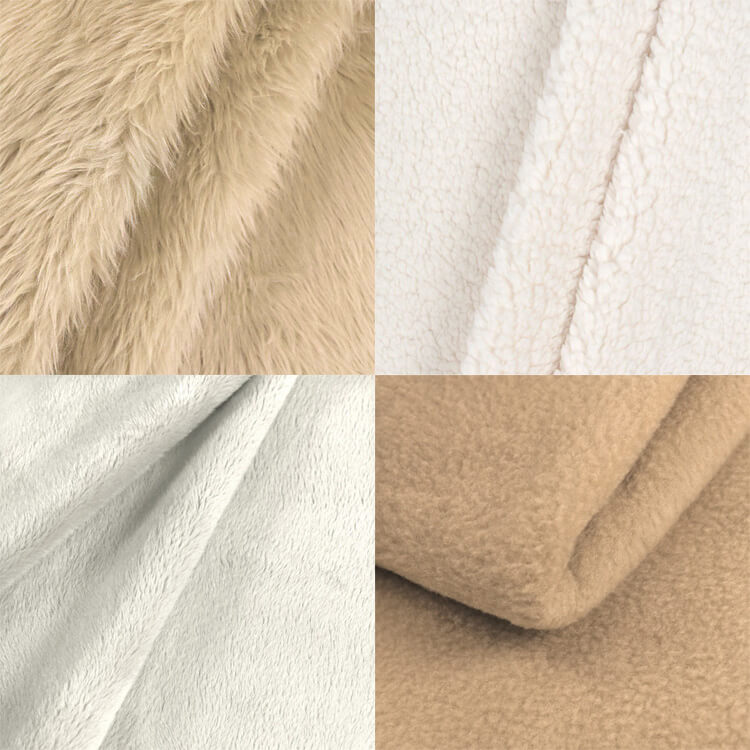
Different fabrics need different care. Use this guide to protect your blanket and reduce fuzzing.
Fleece Blankets
Wash in cold water on gentle cycle with mild detergent. Dry by air or tumble dry on no-heat. Defuzz with fabric shaver or lint roller. Avoid fabric softener, which increases static.
Faux Fur Throws
Hand wash or use delicate cold cycle. Air dry only, never machine dry. Defuzz using fingers or wide-toothed comb, never use a shaver. Gently fluff after drying to restore texture.
Wool or Wool Blend
Hand wash or use wool cycle with wool-safe detergent. Lay flat to dry, never machine dry. Defuzz with soft brush only and avoid heat and sharp tools. High heat causes shrinkage and fiber damage.
Cotton Blankets
Wash in cold water on gentle cycle. Dry on low heat or air dry. Defuzz with lint roller or fabric shaver. May shrink if overheated, so avoid high dryer settings.
Microfiber
Wash in cold water on gentle cycle. Air dry or use low heat. Defuzz with fabric shaver or lint roller. Avoid chlorine bleach and fabric softener.
Polyester Blends
Wash in cold water on gentle cycle. Dry on low heat or air dry. Defuzz with lint roller or shaver. Resistant to shrinking but prone to pilling.
Prevent Future Fuzz and Lint
Stop pilling before it starts with these simple habits.
Wash Less Frequently
Wash only when needed, typically every six to eight weeks or when soiled. Over-washing breaks down fibers and increases shedding.
Use Vinegar Every Wash
Add half a cup of white vinegar to the rinse cycle regularly. This keeps fabric soft, clean, and static-free.
Choose Low-Shedding Fabrics
Best options include cotton percale, linen, tightly woven microfiber, and high-quality bamboo viscose. Avoid low-density fleece and cheap synthetic blends.
Wash Separately
Prevents lint transfer from towels, jeans, or pet beds. This is critical for new blankets during the first one to two washes.
Avoid Harsh Chemicals
Skip bleach, enzyme detergents, and strong stain removers. These degrade fibers and increase fuzzing.
Reduce Friction During Use
Use a top sheet or throw blanket if pets or denim contact the blanket. Rotate usage to spread wear evenly.
Maintain Weekly
After each use, shake lightly to dislodge fibers. Between washes, run a lint roller or soft brush weekly. After washing, inspect and defuzz if needed.
Store Properly
Fold neatly and store in a cool, dry place. Use breathable cotton bags, never plastic. Avoid stacking heavy items on top.
Trim Snags Immediately
Cut loose threads with small scissors, never pull them. This prevents unraveling and further fuzzing.
Frequently Asked Questions About Defuzzing Blankets
How long does new blanket shedding last?
Initial shedding usually stops after one to two washes. Persistent fuzzing may indicate poor fiber quality.
Can I use vinegar every time I wash?
Yes. White vinegar is safe for repeated use and improves softness and cleanliness.
Will vinegar fade my blanket?
No. Vinegar does not fade colors. Instead, it removes residue and can brighten fabric.
Can lint clog my washing machine?
Rarely, but heavy shedding can block the pump. Solution is to wash shedding blankets alone and clean the filter regularly.
What is the best defuzzing tool?
Fabric shavers are most effective for pills. Lint rollers are best for quick surface cleaning. Wool dryer balls prevent lint during drying.
Which blankets shed the least?
Lowest shedding options include high-quality cotton percale, linen, tightly woven microfiber, and bamboo fabric from reputable brands. Avoid low-density fleece and cheap synthetics.
Key Takeaways for Defuzzing Your Blanket
By following these steps, you can defuzz a blanket effectively, restore its softness, and extend its life for years. The secret lies in using gentle tools like fabric shavers for synthetic fabrics while avoiding them on delicate materials like faux fur. Always wash in cold water, add white vinegar to the rinse cycle, and air dry when possible. Combine mechanical removal with preventive care for the best results. Remember that some maintenance is ongoing, not a one-time fix. Start defuzzing your blanket today using these methods, and enjoy a fresh, soft blanket that looks and feels like new.