
You’ve just washed your electric blanket, and now it needs to dry. But you’re not sure how to proceed, since it contains electrical components that regular bedding doesn’t have. Tossing it in the dryer could damage the internal wiring, while air-drying it improperly might lead to mildew or musty odors. Knowing how to dry an electric blanket properly is crucial for both safety and longevity. This guide walks you through safe, effective drying techniques based on manufacturer best practices and user-tested methods.
Most electric blankets come with specific care instructions, but many users overlook them or assume standard drying methods apply. The truth is, heat, moisture, and electrical components don’t mix well unless handled correctly. You’ll learn which models can go in the dryer, when to opt for air drying, how to prevent damage, and how long the process typically takes. By the end, you’ll be equipped to dry your electric blanket with confidence without risking a short circuit or voiding your warranty.
Check Manufacturer Instructions First
Before attempting any drying method, always consult the care label or user manual. This simple step can prevent costly mistakes and ensure you don’t void your warranty.
Review Care Label Symbols
Electric blankets come with specific care symbols that indicate washing and drying compatibility. Look for these key indicators:
• A washing tub icon means machine washing is allowed
• A crossed-out dryer symbol means do not machine dry
• A dryer with one dot indicates low heat is permitted
• A dryer with two dots means medium heat is okay
If the label shows a dryer with a dot, it may permit low heat only. Always follow these symbols precisely.
Identify Your Blanket Model
Not all electric blankets are created equal. Older models or those without removable controllers are often not machine washable at all, meaning they should never be fully submerged or exposed to prolonged moisture. Newer Sunbeam or SoftHeat models may be partially or fully machine washable, but even then, drying rules vary. Confirm whether your blanket is labeled as machine washable and tumble dry safe before proceeding.
Machine Drying: When It’s Approved
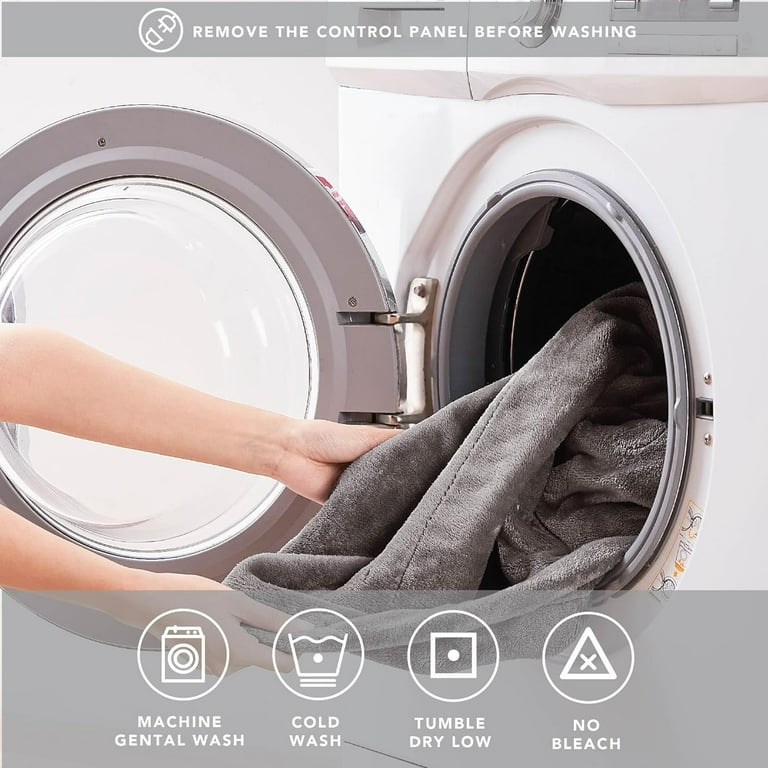
Only attempt machine drying if the manufacturer explicitly allows it. If your care label says air dry only, skip this section entirely.
Use Low Heat Setting
If your electric blanket’s care label permits tumble drying, always use the lowest heat setting. High heat can melt internal wires, damage insulation, or warp the fabric. Set your dryer to Air Fluff or No Heat if available. This gently circulates warm air without applying direct heat, reducing the risk of component failure.
Add Dry Towels for Faster Results
To speed up drying time and reduce dampness, add clean, dry towels to the dryer with the electric blanket. The towels absorb excess moisture and help the blanket dry more evenly. Avoid these items:
• Fabric softener sheets
• Dryer balls with chemical coatings
• Multiple heavy items that could cause tangling
Limit Dryer Time
Never leave the electric blanket in the dryer unattended. Run it for 30-minute intervals, checking progress after each cycle. Over-drying can cause brittleness in wires or seams. Remove the blanket while it’s still slightly damp to finish air drying. This prevents overheating and maintains fabric softness.
Air Drying: The Safest Method

When in doubt, air dry your electric blanket to avoid electrical damage. This method takes longer but eliminates virtually all risk to the wiring and components.
Lay Flat on a Dry Surface
Spread the blanket out on a clean, dry surface like a carpeted floor, bed, or drying rack. Avoid direct sunlight or heat sources like radiators, as UV rays and high temperatures can degrade the fabric and wiring over time. Ensure the blanket lies flat without folds or wrinkles to promote even drying and prevent moisture pockets.
Hang Indoors with Support
If space is limited, hang the blanket over a clothesline or shower rod. Use multiple clips or hooks along the top edge to support the weight and prevent stretching. Never hang it by the plug or cord, as this can strain internal connections. Keep it in a well-ventilated room, ideally with a fan or dehumidifier running to accelerate drying.
Expect Proper Drying Time
Most electric blankets take 12 to 24 hours to dry completely when air-dried. Drying time depends on these factors:
• Thickness of the blanket
• Humidity levels in your home
• Air circulation availability
• Initial moisture level after washing
Drying Mistakes to Avoid
Common errors can shorten your blanket’s lifespan or create safety hazards. Steer clear of these practices.
Never Use High Heat
Even if the label says tumble dry, high heat is never safe for electric blankets. It can cause wires to overheat, insulation to crack, or connectors to fail. Always stick to no-heat or low-heat settings, and monitor the dryer closely if using one.
Don’t Wring or Twist the Blanket
After washing, never wring out an electric blanket to remove water. This can damage embedded heating wires and distort the fabric. Instead, press gently to squeeze out excess moisture or roll it in a dry towel to absorb water without stress.
Skip the Dryer If Cords Are Attached
If your electric blanket has a non-removable controller or power cord, do not put it in the dryer. The tumbling action can loosen connections or crush wiring near the plug. In this case, air drying is the only safe option.
Test Before Use
Always verify dryness before plugging in the blanket. This step is non-negotiable for safety.
Perform a Touch Test
Feel multiple areas of the blanket, especially near seams and the control box, for any dampness. If it feels cool or slightly moist, continue air drying. Never operate an electric blanket that isn’t completely dry. Moisture increases the risk of electrical shock or short circuits.
Plug In Off the Bed
Once fully dry, plug the blanket into an outlet and turn it on for 5 to 10 minutes while it’s still on the floor or a non-flammable surface. Watch for these warning signs:
• Unusual smells or burning odors
• Sparks or flickering lights
• Uneven heating across the blanket
• buzzing sounds from the controller
If anything seems off, unplug it immediately and do not use again until inspected or replaced.
Prevent Mold and Odors
Damp storage leads to musty smells and potential health risks. Take these steps to keep your blanket fresh.
Ensure Complete Dryness
Even slight moisture trapped in folds can lead to mold growth within days. Always confirm the blanket is 100% dry before folding or storing. Use a moisture meter or wait an extra few hours if uncertain. Better safe than sorry.
Store in a Breathable Bag
Once dry, store the blanket in a cotton storage bag or pillowcase, not plastic. Plastic traps residual moisture and promotes mildew. Keep it loosely folded in a cool, dry place away from direct sunlight. Avoid compressing it too tightly, as this can damage internal wiring.
Maintenance Tips for Longevity
Extend the life of your electric blanket with smart care habits that minimize the need for frequent washing.
Spot Clean When Possible
Frequent full washes increase wear on both fabric and wiring. For small spills or stains, use a damp cloth with mild soap to spot clean. This reduces moisture exposure and eliminates the need for drying altogether.
Wash Infrequently
Only wash your electric blanket 2 to 4 times per year, unless soiled. Over-washing degrades fabric and wiring. Use a protective cover or top blanket to minimize direct contact with skin oils and sweat. This simple habit can double your blanket’s lifespan.
Inspect Wiring Regularly
Before and after washing, examine the blanket for frayed wires, kinks, or damaged insulation. Check the controller and plug for cracks or looseness. If you notice any issues, discontinue use immediately and consider replacement.
When to Replace Your Blanket
Even well-cared-for electric blankets have a lifespan. Know when it’s time for a new one.
Signs of Wear and Tear
Replace your blanket if you notice these warning indicators:
• Uneven heating across different sections
• Strange smells, especially burning odors
• Flickering lights on the controller
• Visible damage to fabric or cord
• Hot spots or cold spots during use
These are red flags for internal wire failure and should not be ignored.
Age Matters
Most electric blankets last 5 to 10 years with proper care. If yours is older than a decade, consider replacing it even if it still works. Older models lack modern safety features and are more prone to hazards. Technology has improved significantly in recent years.
Frequently Asked Questions About Drying Electric Blankets
Can I put my electric blanket in the dryer?
Only if the manufacturer’s care label specifically says tumble dry is safe. Many electric blankets must be air dried to prevent damage to internal wiring. When in doubt, air drying is always the safer choice.
What temperature should I use if machine drying is allowed?
Use the lowest heat setting possible, or the air fluff/no heat cycle if your dryer has one. High heat can melt or damage the heating elements inside the blanket.
How long does air drying take?
Air drying typically takes 12 to 24 hours depending on blanket thickness, room humidity, and air circulation. Thicker blankets or humid environments may require closer to 24 hours.
Can I speed up air drying with a fan or heater?
Yes, you can use a fan to improve air circulation, but avoid placing the blanket near direct heat sources like radiators. High heat can damage the wiring just like in a dryer.
What happens if I use my electric blanket before it’s fully dry?
Using a damp electric blanket can cause electrical shock, short circuits, or damage to the heating elements. Always perform a touch test and optionally do a test run on the floor before using it on your bed.
Should I store my electric blanket in a plastic bag?
No, never store an electric blanket in plastic. Use a breathable cotton bag or pillowcase to allow any residual moisture to escape. Plastic trapping can lead to mold and mildew growth.
Key Takeaways for Drying Your Electric Blanket
Drying an electric blanket doesn’t have to be complicated, but it does require caution. The most important points to remember are to always check the manufacturer’s care label first, since not all blankets can handle machine drying. When in doubt, air drying is the safest method and will never damage your blanket’s internal components. Never use high heat, and always verify the blanket is 100% dry before plugging it in.
With the right approach, you can keep your electric blanket warm, safe, and functional for years to come. Remember to inspect your blanket regularly, wash it sparingly, and replace it when it shows signs of wear. Your blanket serves you well during cold nights, so return the favor with proper care.