Drying a blanket properly is just as important as washing it. Whether you’re dealing with a bulky down comforter, a king-size duvet, or a delicate white throw, improper drying can lead to clumping, shrinkage, mildew, or permanent fiber damage. The key to success lies in matching the drying method to the blanket’s material, size, and care needs. Using high heat, skipping fluffing steps, or removing the blanket too soon can ruin its softness and longevity. In this guide, you’ll learn how to dry a blanket safely without damage using both machine and air drying techniques. You’ll also discover pro tips for preventing clumps, reducing drying time, and storing your blanket correctly after drying.
Choose the Right Drying Method for Your Blanket
The best way to dry a blanket depends entirely on its fabric, filling, and manufacturer instructions. Always start by checking the care label attached to your blanket. This small tag holds the key to avoiding costly mistakes that could permanently damage your bedding.
Match the Method to Your Blanket Type
Down comforters require low-heat machine drying with tennis balls or air drying over 12 to 24 hours. Synthetic or microfiber blankets can handle machine drying on low to medium heat. Wool or silk blankets must be air dried only, as tumbling and direct heat will cause irreversible damage. King-size comforters often require commercial dryers due to their size and weight when wet. White comforters need prompt drying to prevent yellowing, but avoid prolonged sun exposure that can weaken fibers.
Never assume a blanket is dryer-safe simply because it looks sturdy. Dry-clean-only items should never be machine dried, as heat and agitation can destroy fibers or cause severe shrinkage.
Machine Dry a Blanket Safely
:max_bytes(150000):strip_icc()/bhg-blueland-dryer-balls-alida-nugent-02-1-03db1d35eef64c1592649d056dadc5b1.jpeg)
Machine drying speeds up the process and restores fluffiness when done correctly. This method works well for down, cotton, and synthetic-filled blankets that carry a dryer-safe label from the manufacturer.
Use Low Heat Settings Only
Set your dryer to low or delicate heat. High heat can shrink natural fibers like cotton and wool. It can melt synthetic insulation used in many modern comforters. It can also damage down clusters, making them brittle and unable to provide warmth. Even if your dryer has a more dry setting, avoid using it unless specifically recommended by the manufacturer.
Add Dryer Aids for Better Results
Boost airflow and prevent clumping with these simple tools. Wool dryer balls are natural, reusable, and soften fabric without chemicals. Toss in two to three clean tennis balls to break up wet spots and re-fluff filling. You can also use clean canvas shoes that are lace-free for gentle impact on thick comforters. These items bounce around during the cycle, separating layers and improving circulation throughout the drum.
Prevent Overloading the Dryer
Never cram a large blanket into a small dryer. Overloading causes uneven drying, poor airflow, increased drying time, and unnecessary strain on the machine. For king-size or extra-thick comforters, use a nine cubic foot or larger commercial dryer available at most laundromats. Attempting to dry oversized items in standard home machines wastes energy and often leaves moisture trapped deep inside the filling.
Monitor Drying Progress Frequently
Run multiple short cycles instead of one long cycle. Every 30 to 60 minutes, pause the dryer to pull apart clumps, flip and rotate the blanket, and check for dampness along seams and corners. Even if the outside feels dry, moisture may still be trapped inside the filling where you cannot see it.
Air Dry Any Blanket Safely
Air drying is ideal for delicate fabrics, oversized blankets, or when you lack access to a large dryer. It is gentler on fibers and completely avoids heat damage that can occur in machine drying.
Indoor Air Drying Tips
Hang the blanket over two parallel clotheslines or a wide drying rack to support the full weight evenly. Use a fan to improve airflow and speed up drying time. Flip the blanket every few hours for even drying on both sides. Keep the blanket away from direct sunlight indoors to prevent fading, especially on white or light-colored blankets. Avoid draping over doors or narrow railings, as this can stretch the fabric out of shape.
Outdoor Drying Best Practices
Hang on a clean, dry clothesline in direct sunlight when weather permits. Sunlight naturally kills bacteria and removes odors. Turn the blanket every two to three hours to ensure even drying on both sides. Bring the blanket inside at night to avoid dew absorption that can re-wet your carefully dried blanket.
How Long Does Air Drying Take
Air drying time varies significantly based on conditions. In warm, sunny weather with low humidity, expect eight to 12 hours. In mild weather with moderate airflow, plan for 12 to 18 hours. For humid or cool indoor drying, allow up to 24 hours. A thick down comforter may take a full day to air dry completely. Patience is essential, as rushing the process leads to mildew and lingering moisture that damages filling.
Special Care for Down Comforters
Down-filled blankets are luxurious but require extra attention when drying. Improper drying leads to clumping, odors, and permanent loss of insulation that cannot be restored.
Avoid High Heat at All Costs
High heat destroys down clusters permanently. Always use low heat setting with an extended drying time, and always include dryer balls or tennis balls in the cycle. This combination restores loft without damaging the delicate feathers that provide warmth and comfort.
Break Up Clumps Frequently
Stop the dryer every 30 minutes to squeeze sections of the comforter, break apart wet bunches, and redistribute filling evenly. Failure to do this results in hard lumps and cold spots where no insulation remains. The time you spend fluffing directly impacts how evenly your comforter dries and how well it performs afterward.
Test for Complete Dryness
Before removing the comforter from the dryer, perform the press test. Press a section firmly with your palm. If any dampness or coolness remains, continue drying. Even slightly moist interiors can breed mildew during storage, ruining your expensive down comforter.
Handle King-Size Comforters Correctly

King-size comforters are heavy when wet, often weighing more than 10 pounds. Standard home dryers, which typically range from four to seven cubic feet, cannot handle them effectively.
Use a Commercial Dryer
Head to a laundromat and use an extra-large capacity dryer with nine cubic feet or more. These machines tumble more freely, allow better airflow, and reduce drying time significantly. Expect to run two to three cycles, fluffing between each one, for a completely dry king-size comforter.
Dry in Stages at Home
If no commercial option is available, run 45-minute low-heat cycles, pause to manually fluff and redistribute the filling, and repeat until fully dry. This method takes longer but prevents damage from incomplete drying that can lead to mildew.
Protect White Comforters from Damage
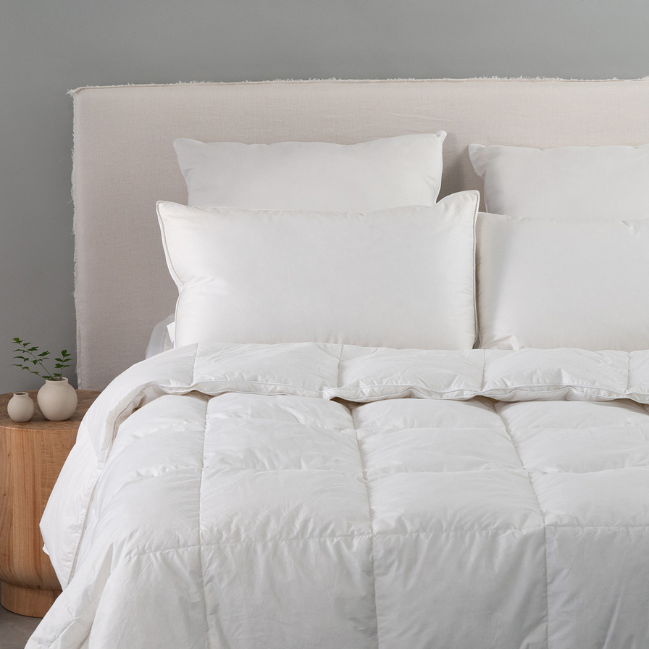
White comforters show every stain and yellow mark, making proper drying essential for maintaining brightness and appearance.
Dry Immediately After Washing
Never let a wet white comforter sit. Delayed drying causes mustiness, yellowing from moisture exposure, and mildew stains that cannot be removed. Dry within two hours of washing for best results.
Limit Direct Sun Exposure
While sun helps disinfect and remove odors, prolonged UV exposure weakens fibers and causes graying. Dry in sunlight for odor removal, but bring the comforter inside once it is mostly dry to prevent fabric degradation.
Prevent Moisture Trapping
Ensure complete dryness before storage. Any residual moisture leads to lingering odors, yellow spots that appear over time, and mold growth inside the filling. Check deep inside seams and corners where moisture hides longest.
Prevent Common Drying Mistakes
Even with the right method, small errors can ruin your blanket. Avoid these frequent pitfalls to protect your investment.
Never Use Fabric Softeners or Dryer Sheets
These products coat fibers and reduce breathability in down comforters. They decrease absorbency in cotton blankets and leave residue that attracts dirt. Instead, use wool dryer balls for natural softness without chemical buildup.
Do Not Skip Manual Fluffing
Tumbling alone is not enough to dry thick blankets evenly. Without hand-fluffing, clumps remain, filling settles unevenly, and drying takes longer overall. Pause and fluff every 30 minutes for best results.
Avoid Rushing With High Heat
Using high heat to save time risks melting synthetic fibers, shrinking cotton shells, and damaging down clusters permanently. Low and slow drying wins the race for preserving your blanket’s quality.
Store Blankets Properly After Drying
Once dry, store your blanket correctly to maintain freshness and fluffiness for future use.
Choose Breathable Storage
Never use plastic bags for storage. Instead, use cotton storage sacks and keep blankets in a cool, dry closet. Allow airflow to prevent moisture buildup that leads to mildew. Plastic traps humidity even when the blanket feels dry, creating problems over time.
Store Down Comforters Loosely
Avoid compressing down for long periods, as compression kills loft permanently. Store down comforters flat or loosely folded in a ventilated area, and fluff them every few months during storage. This preserves insulation and extends the lifespan of your comforter significantly.
Frequently Asked Questions About Drying Blankets
Can you put a down comforter in the dryer?
Yes, you can put a down comforter in the dryer on low heat with tennis balls or dryer balls to restore fluffiness and prevent clumping. Always check for full dryness before removing.
How long does it take to dry a comforter?
Machine drying takes two to four hours with fluffing breaks. Air drying takes 12 to 24 hours depending on conditions. Thick or king-size comforters take longer in both methods.
Can you dry a blanket outside?
Yes, outdoor drying in sunlight disinfects and deodorizes. Turn every few hours and bring inside at night to avoid dew absorption that re-wets the blanket.
Why does my comforter feel lumpy after drying?
Clumping happens when filling is not redistributed during drying. Prevent it by adding tennis balls, fluffing every 30 minutes, and ensuring full dryness before removing. Redry if needed with dryer balls.
Is it safe to use dryer sheets on comforters?
No, dryer sheets leave a chemical coating that reduces breathability, especially in down and microfiber. Use wool dryer balls instead for natural softness.
Key Takeaways for Drying Your Blanket
Matching your drying method to your blanket type is the most important step. Always check the care label before choosing between machine drying and air drying. Use low heat or no heat for all blanket types to prevent fiber damage. Add dryer balls or tennis balls when machine drying to prevent clumping and reduce drying time. Fluff manually every 30 to 60 minutes regardless of which method you choose. Test for complete dryness using the press test before storing any blanket. Store in breathable cotton containers in a cool, dry location.
By following these guidelines, you can dry any blanket safely while preserving its softness, shape, and performance for years to come.