
You pull your favorite wool blanket from the dryer only to find it has shrunk to half its original size, feeling stiff and tight. This devastating moment happens to many wool blanket owners when heat, moisture, and agitation cause the natural fibers to felt and contract. The good news is that you do not have to say goodbye to your beloved blanket. With the right techniques, you can often reverse the damage and restore much of the original size, softness, and drape.
This comprehensive guide walks you through proven methods using everyday household items and specialized products to safely relax shrunken wool fibers. You will learn exactly how to soak, stretch, and dry your blanket to maximize recovery, plus essential prevention tips to keep this from happening again.
Why Wool Blankets Shrink
The Science Behind Wool Felting
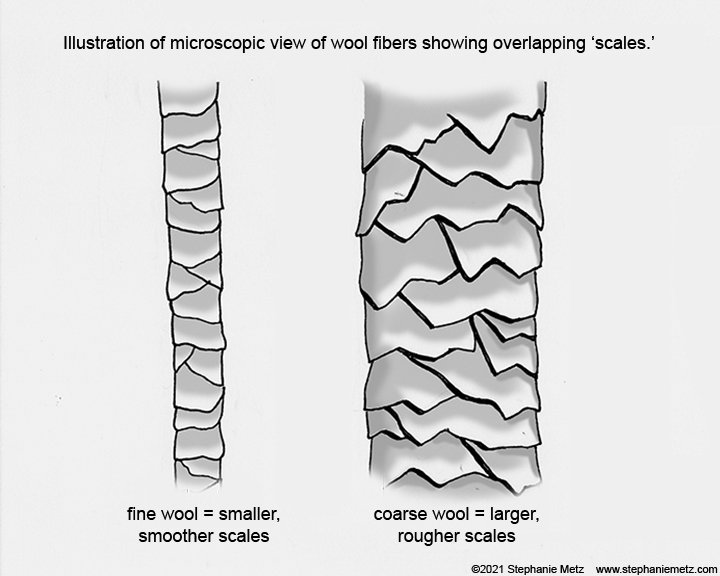
Wool fibers contain microscopic scales that lie flat when undisturbed. When exposed to warm or hot water combined with mechanical movement, these scales open up and interlock with neighboring fibers. This process, called felting, causes the fabric to contract and become denser. Tumble drying accelerates the damage since heat causes fibers to contract further, potentially shrinking a blanket by up to 50% in severe cases.
How Moisture and Heat Combine
Water activates hydrogen bonds in wool proteins. When heat and agitation are added, these bonds reform in a tighter configuration. Once dried in this shrunken state, the blanket holds its new smaller shape unless the bonds are temporarily broken to allow re-stretching. Understanding this mechanism helps you see why cool water and gentle handling are critical for both prevention and restoration.
What to Do Immediately After Discovering Shrinkage
Stop Further Damage Right Away
If you have just discovered your wool blanket has shrunk, immediate action can improve your chances of successful restoration. Do not rewash or re-dry the blanket using heat or agitation. Avoid pulling or yanking the fabric dry, as this can distort the weave and cause uneven stretching. Keep the blanket dry until you are ready to begin treatment.
Assess the Damage Level
Examine your blanket carefully before choosing a restoration method. Check for severe hardening or matting, which indicates heavy felting. Look for visible fiber distortion or thinning in certain areas. Gently press the blanket to see if it still feels flexible or has become completely rigid. Mild to moderate shrinkage responds best to home remedies, while extreme felting may require professional textile restoration services.
Vinegar Soak Method for Wool Restoration
Relax Fibers With White Vinegar
White vinegar alters the water pH, helping to loosen interlocked wool fibers without harsh chemicals. This method is readily available in most households and also helps deodorize the blanket while softening the fibers.
Prepare the Soaking Solution
Fill a clean basin or bathtub with cool to lukewarm water. Never use hot water, as this will cause further shrinkage. Add two tablespoons of distilled white vinegar per gallon of water. Stir gently to distribute the vinegar evenly throughout the solution.
Soak the Blanket
Submerge the shrunken wool blanket fully in the solution. Allow it to soak for 20 to 30 minutes, pressing down occasionally to ensure even saturation. You will notice the fibers beginning to soften as they absorb the solution.
Remove and Drain Gently
Press out excess water with your hands. Never wring or twist the blanket, as this can damage the fibers and create uneven tension. Lay the blanket on a clean, dry towel and roll the towel tightly around it to wick away additional moisture.
Stretch and Reshape the Blanket
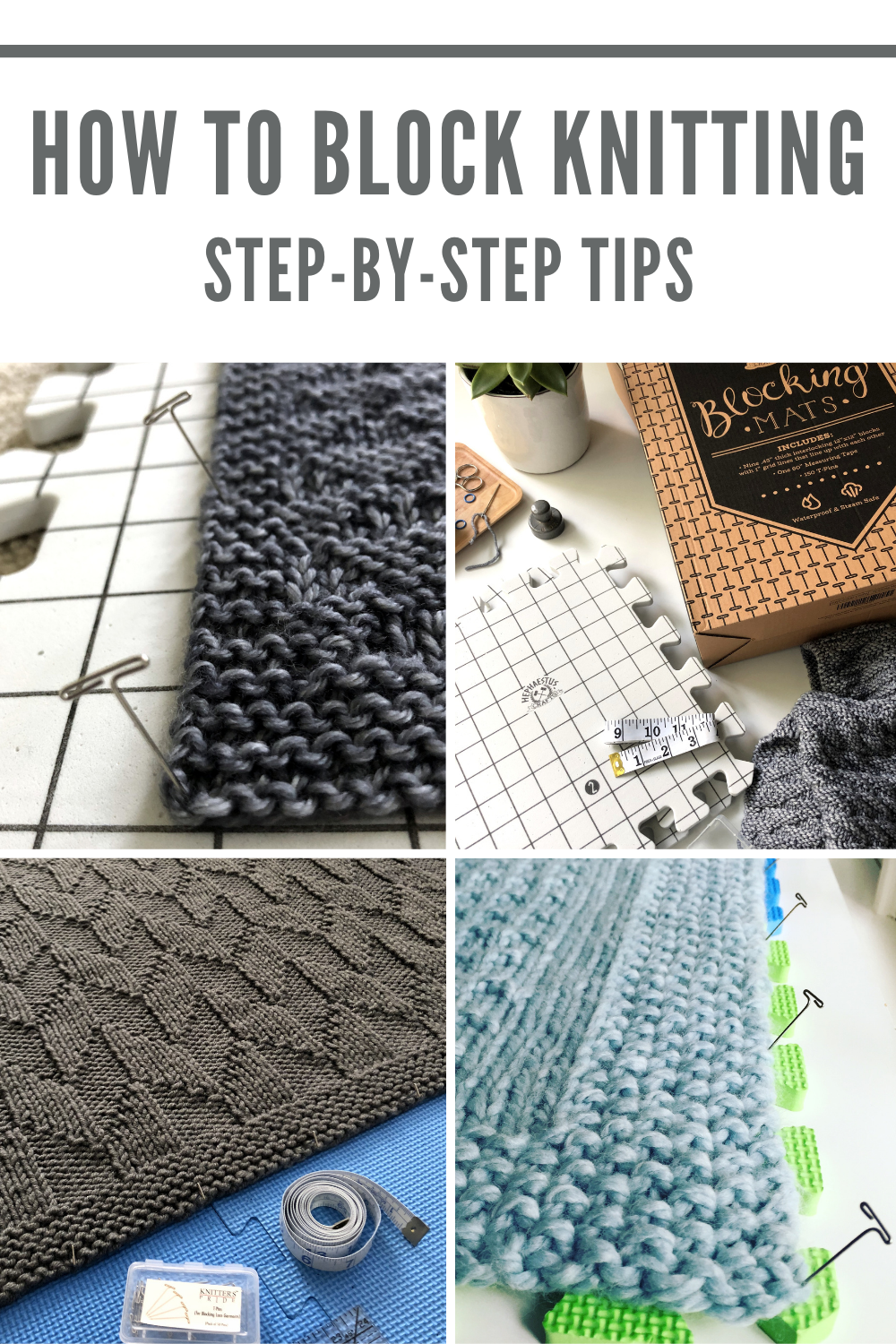
Transfer the blanket to a flat, dry surface such as a drying rack or spare bed. Starting from the center, gently stretch outward in all directions. Focus on the corners and edges to regain original dimensions. Use rust-proof T-pins to secure the edges if needed, ensuring consistent tension across all sides.
Air Dry Flat Completely
Leave the blanket undisturbed until completely dry. Keep it away from sunlight, radiators, vents, and any heat source. Drying may take 24 to 48 hours depending on blanket thickness and humidity levels. Do not remove the pins until the blanket is fully dry.
Conditioner or Baby Shampoo Treatment
Lubricate Fibers for Easier Stretching
Hair conditioner and baby shampoo contain emollients that coat and soften wool fibers, making them more pliable during reshaping. This method also reduces static and restores softness to older wool blankets that feel rough after shrinkage.
Mix a Gentle Soaking Bath
Add one tablespoon of clear hair conditioner or baby shampoo per gallon of cool water. Stir until evenly dispersed. Ensure the product is fully dissolved before adding the blanket.
Soak and Prepare for Reshaping
Fully submerge the blanket and let it rest for 20 to 30 minutes. Allow the conditioning agents to penetrate the fibers thoroughly. Press out water gently and avoid wringing. Roll in a dry towel to absorb excess moisture.
Stretch Gradually and Dry
Lay the blanket flat and begin stretching slowly, working symmetrically from the center outward. Use a measuring tape to compare against the original size if known. Pin edges to maintain tension. Allow full air drying in a well-ventilated, shaded area. Do not flip or move the blanket until completely dry.
Epsom Salts Solution
Loosen Tight Fibers Naturally
Epsom salts, also known as magnesium sulfate, help relax contracted wool by gently softening the fiber structure. This method works particularly well for moderately shrunken blankets that still have some remaining flexibility.
Create the Warm Soak
Dissolve one-quarter cup of Epsom salts in one gallon of warm, not hot, water. Stir until fully dissolved. The warmth helps the salts penetrate the fibers more effectively.
Soak, Reshape, and Dry
Immerse the blanket completely and let it soak for 30 minutes, gently pressing it down every few minutes. Lift out carefully and press water out with flat hands. Roll in a towel to absorb moisture, then lay flat. Stretch gently in all directions and use pins to hold the desired shape. Allow the blanket to dry completely before unpinning.
Use Wool-Specific Cleaning Products
Professional-Grade Formulas for Best Results
Specialized wool washes are designed to clean, condition, and relax fibers safely. These products are pH-balanced and often contain lanolin to nourish wool while helping restore its original dimensions.
Recommended Products and Usage
Woolite Wool and Cashmere Shampoo, The Laundress Wool and Cashmere Wash, and Kookaburra Luxury Wash are highly recommended options. Dilute as directed on the label, typically one capful per gallon of water. Soak for 20 to 30 minutes in cool water. Some formulas are no-rinse, so check the product instructions before proceeding.
Complete the Restoration Process
Drain gently and roll in a towel to remove excess moisture. Lay flat and stretch carefully, using pins to maintain the desired shape. Dry flat away from direct heat or sunlight. These products offer the safest and most consistent results, especially for delicate or valuable blankets.
Essential Reshaping Techniques
Stretch Evenly to Prevent Distortion
Uneven pulling creates warped edges or uneven drape. Always work from the center outward, stretching symmetrically toward each side. Alternate between top-bottom and left-right movements to maintain balance. Use a measuring tape to check dimensions during the process.
Pin for Precision
Use rust-proof blocking pins to secure corners and midpoints along edges. Adjust tension gradually rather than pulling too hard at once. For precision work, consider using a blocking mat with grid lines to maintain square shape and even proportions.
Repeat the Process if Needed
If full size is not restored after one treatment, repeat the soak and stretch process. Allow full drying between attempts to assess progress accurately. One gentle session is better than multiple aggressive attempts that could damage the fabric.
Realistic Results and Limitations
What You Can Reasonably Expect
While most shrunken wool blankets improve significantly with treatment, complete restoration to factory size may not always be possible. The likelihood of full recovery decreases if the blanket was exposed to high heat multiple times, if extensive felting has fused fibers permanently, or if it has been washed and dried repeatedly in hot cycles.
Signs of Irreversible Damage
Watch for fabric that feels dense, hard, or cardboard-like with no pliability even after soaking. Visible fiber clumping or matting also indicates severe damage. In these cases, consider repurposing the blanket for pet bedding or patchwork projects rather than attempting further restoration.
When to Try Professional Textile Restoration
Expert Help for Heirloom or Valuable Blankets
For high-value or antique wool blankets, professional textile restoration services offer the best chance of recovery. Specialists use steam blocking, controlled tensioning, and pH-safe detergents to maximize results without risking further damage.
Benefits of Professional Treatment
Professional restorers have a higher success rate for severely shrunken wool. They prevent further damage from DIY overhandling and preserve the value and integrity of antique or designer pieces. Expect costs to vary by size and condition, with turnaround times typically ranging from one to three weeks.
Preventing Future Shrinkage
Wash Wool Blankets Correctly
Always hand wash wool using cool water and a wool-safe detergent. Soak for 5 to 10 minutes, swish gently, then rinse thoroughly. If machine washing is necessary, use the delicate or wool cycle with cold water and place the blanket in a mesh laundry bag to reduce friction. Set spin to low or none.
Dry the Right Way
Always air dry flat on a clean towel or drying rack. Reshape while damp and rotate occasionally for even drying. Never hang or wring the blanket, as hanging stretches seams and wringing causes fiber damage and felting.
Store Wool Properly
Wash the blanket before long-term storage, as dirt attracts moths and mildew. Use cotton storage bags instead of plastic, which traps moisture. Refold monthly to prevent permanent creases. Add cedar blocks or lavender sachets for natural moth protection.
Compare Restoration Methods
| Method | Key Ingredient | Soak Time | Best For |
|---|---|---|---|
| Vinegar | Distilled white vinegar | 20-30 minutes | Quick fix, odor removal |
| Conditioner | Hair conditioner | 20-30 minutes | Softness and stretch |
| Baby Shampoo | Mild shampoo | 20-30 minutes | Sensitive wool types |
| Epsom Salts | Magnesium sulfate | 30 minutes | Tight, stiff fibers |
| Wool Wash | Specialized formula | 20-30 minutes | Premium care, best results |
Key Takeaways for Saving Your Wool Blanket
Acting quickly after shrinkage discovery gives you the best chance of successful restoration. Always use cool or lukewarm water and avoid heat at every stage. Test any solution on a small, inconspicuous area first to check for colorfastness. Combine chemical relaxation methods with careful physical reshaping for the best results. Be patient throughout the process, as rushing leads to overstretching or fabric damage.
With proper care and consistent technique, most shrunken wool blankets can be restored to a usable, comfortable size. While perfection is not always guaranteed, these methods can rescue even badly shrunken wool and preserve its warmth and texture for years to come.
Frequently Asked Questions About Shrunken Wool Blankets
Can you really unshrink a wool blanket at home?
Yes, you can often restore a shrunken wool blanket at home using methods like vinegar soaks, conditioner treatments, or specialized wool washes. The success rate depends on how severely the blanket felting and whether it has been exposed to multiple heat cycles.
What is the best method to fix a shrunken wool blanket?
The vinegar soak method is the most accessible and effective starting point. For valuable or delicate blankets, specialized wool wash products like Woolite or The Laundress offer the safest, most consistent results. Combine any soaking method with careful stretching and pinning for best outcomes.
How long does it take to restore a shrunken wool blanket?
The soaking process takes 20 to 30 minutes, but complete restoration including drying can take 24 to 48 hours. You may need to repeat the process multiple times for severely shrunken blankets, which extends the total timeline.
Will my wool blanket return to its original size?
Complete restoration to factory original dimensions is not always possible, especially for blankets that have undergone extreme heat or extensive felting. However, most blankets recover significant size and improve dramatically in softness and drape after treatment.
Can I use a dryer to speed up drying after treatment?
Never use a dryer after treating a shrunken wool blanket. Heat will cause the fibers to contract again, reversing all your progress. Always air dry flat away from heat sources.