You’re relaxing under your favorite blanket when you notice it, a fresh ink stain from a pen that exploded in your pocket. Or maybe your child drew on the comforter with a marker. Ink is designed to stick, and once it soaks into fabric, it can seem impossible to remove. But the good news is: you can get ink out of a blanket if you act quickly and use the right method for the ink type and fabric.
Ink stains are tough because they’re engineered to be permanent. Ballpoint, gel, and permanent markers each behave differently on fabric, and using the wrong treatment can set the stain or damage the material. This guide gives you step-by-step methods backed by chemistry and expert cleaning principles. Whether the stain is fresh or days old, on cotton, polyester, or a delicate blend, you’ll learn exactly how to treat it without ruining your blanket.
Blot the Stain Immediately
Act Within the First Hour
The first 60 minutes after an ink spill are critical. Fresh ink hasn’t bonded fully to the fibers, making it far easier to lift. Use a clean white cloth or paper towel to blot gently. Don’t rub. Rubbing pushes ink deeper and spreads it wider.
Use an Absorbent Backing
Place a dry towel or stack of paper towels underneath the stained area. This catches ink as it’s lifted, preventing it from transferring to the other side of the blanket or soaking through multiple layers.
Work Edge to Center
When applying any cleaning solution, start at the outer edge of the stain and move inward. This prevents the ink from expanding outward and keeps the treated area contained.
Identify Your Ink Type

Ballpoint Pen Ink: Use Rubbing Alcohol
Ballpoint ink is oil-based and resists water. It requires a solvent that dissolves oil. Isopropyl alcohol (70% or higher) is the most effective. Dab it on with a cotton ball, let it sit for 30 seconds, and blot. Repeat until no more ink transfers.
Permanent Marker: Try Hand Sanitizer
Sharpie and similar markers use alcohol-soluble dyes. The gel in alcohol-based hand sanitizer clings to the stain longer than liquid alcohol, improving effectiveness. Saturate the spot, wait 5 to 10 minutes, then blot and rinse.
Gel Pen Ink: Dish Soap and Alcohol Mix
Gel inks are water-based but contain dyes that bond tightly to fibers. Mix 2 parts dish soap (like Dawn) with 1 part rubbing alcohol. Apply, wait 10 to 15 minutes, then rinse with cold water.
Fountain or Stamp Ink: Vinegar Soak
These are often water-based and may lift with mild acid. Soak the area in equal parts white vinegar and water for 30 minutes. Blot and wash.
Choose the Right Method by Fabric
Cotton Blankets: Alcohol or OxiClean
Cotton handles strong treatments well. For fresh ink, use rubbing alcohol. For old or set-in stains, try an OxiClean soak overnight. Mix with warm (not hot) water, submerge the stained area, and agitate occasionally. Wash afterward in cold water.
Polyester Blankets: Avoid Acetone
Polyester can trap oil-based ink but melts or bleaches when exposed to acetone. Stick to alcohol, vinegar, or OxiClean. Always test first on a hidden seam.
Fleece Blankets: Cold Water Only
Fleece pills easily with heat and agitation. Treat with alcohol or hand sanitizer, then rinse with cold water. Wash on gentle cycle with cold water and air-dry.
Silk or Wool: Spot Clean Only
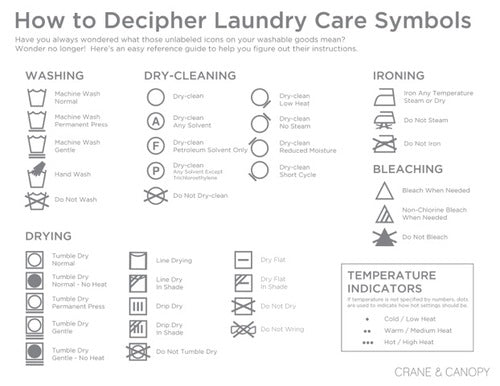
These delicate fabrics can be ruined by alcohol or vinegar. Use mild detergent and cold water for spot cleaning. If unsure, check the care label. Many require dry cleaning.
Electric Blankets: Spot Clean Only
Never submerge or machine wash unless labeled safe. Use a damp cloth with mild detergent to clean around the stain. Avoid any liquid near electrical components.
Powerful Home Remedies That Work
Rubbing Alcohol Method
- Lay the blanket flat with a towel underneath.
- Dampen a cotton ball with isopropyl alcohol.
- Dab the stain. Don’t rub.
- Blot with a clean cloth as ink lifts.
- Rinse with cold water.
- Wash in cold water with enzymatic detergent.
- Air-dry and inspect.
Pro Tip: Replace the backing towel as it soaks up ink to prevent retransfer.
Hand Sanitizer Hack
- Apply alcohol-based hand sanitizer directly to the stain.
- Let sit 5 to 10 minutes.
- Blot with a clean cloth.
- Rinse and wash.
Why it works: The gel base increases contact time, allowing alcohol to penetrate deeper.
Vinegar and Water Soak
- Mix 1:1 white vinegar and water.
- Soak the stained area for 30 minutes.
- Blot and rinse with cold water.
- Wash normally.
Bonus: Apple cider vinegar works too and is gentler on sensitive fabrics.
Lemon Juice and Sunlight
- Mix equal parts lemon juice and liquid detergent.
- Apply to the stain.
- Let sit 1 hour or longer.
- Rinse and wash.
- Air-dry in direct sunlight. UV rays boost the bleaching effect.
Warning: Only for white or colorfast fabrics. Lemon juice can fade colors.
Salt and Toothpaste Scrub
- Soak the stain with white vinegar.
- Make a paste of sea salt and non-gel toothpaste.
- Scrub gently with a soft toothbrush.
- Let sit 15 to 30 minutes.
- Rinse and wash.
User tip: This removes residual ink after alcohol treatment.
Remove Tough Stains with OxiClean
Deep Soak for Old or Large Ink Stains
OxiClean contains sodium percarbonate, which releases oxygen in water and breaks down organic stains at a molecular level.
- Fill a basin with warm water.
- Add OxiClean as directed (usually 1 scoop per gallon).
- Submerge the stained area completely.
- Soak overnight. Don’t rush it.
- Agitate occasionally.
- Wash again with OxiClean in the machine.
- Air-dry and inspect.
Pro Tip: Combine with a vinegar pre-soak for stronger results.
When to Use Bleach (Carefully)
Chlorine Bleach for White Fabrics
Only use on 100% white cotton or polyester. Bleach can weaken fibers and cause yellowing.
- Mix 1 part bleach with 1 part water.
- Test on a hidden area.
- Apply with a dropper or sponge. Do not soak.
- Wait 5 to 10 minutes max.
- Rinse thoroughly.
- Wash immediately.
Critical: Never mix bleach with vinegar, ammonia, or alcohol. Toxic chlorine gas forms.
Commercial Products That Work
Recommended Stain Removers
• Amodex Ink and Stain Remover: Specifically formulated for ink. Safe on most fabrics. Apply, wait 1 to 5 minutes, blot, then wash. One of the few products proven to remove Sharpie from polyester.
• Shout Advanced: Spray on, wait, wash.
• Zout Triple Enzyme: Targets protein and dye stains.
• Tide to Go Pen: Instant spot treatment. Ideal for fresh ink.
Advantage: Less risk of fabric damage than household chemicals.
Wash the Blanket Safely
Use Cold Water
Hot water sets oil-based ink. Always wash in cold or warm water until the stain is completely gone.
Choose the Right Detergent
• Tide Oxi Boost Power Pods: High enzyme content, works in cold water.
• Tide Ultra Oxi Powder: Contains oxygen bleach for stain lifting.
• Clorox 2 for Colors: Oxygen-based, safe for colored fabrics.
Add Downy Rinse for Hard Water
Hard water reduces detergent effectiveness. Add 1/4 cup Downy Rinse to the rinse cycle to cut mineral buildup and improve cleaning.
Wash Alone
Large blankets need space to agitate. Wash separately to ensure thorough rinsing and prevent tangling.
Dry Only After Inspection
Air-Dry First
Never use a dryer until the stain is 100% gone. Heat permanently sets any remaining ink.
Check in Natural Light
Inspect the area in sunlight or bright light. Residual ink may not be visible under dim lighting.
Repeat if Needed
Persistent stains often require multiple treatments. Reapply alcohol, try OxiClean, or use a commercial remover.
Prevent Future Ink Stains
Practical Prevention Tips
• Use washable markers for kids. They’re designed to come out in the wash.
• Apply fabric protector spray like Scotchgard on light-colored comforters. It creates a barrier that repels liquids.
• Use zippered duvet covers. They protect the insert and are easier to remove and wash.
• Clean pens before bed. Check pockets and ensure pens are capped before using bedding.
Recover a Duvet Cover After Ink Stains
Remove Cover Immediately
Prevent ink from transferring to the duvet insert by taking the cover off right away.
Clean Before Reinserting
Treat the stain using alcohol, OxiClean, or vinegar before reassembling.
The Burrito Roll Method
- Turn cover inside out.
- Align corners with duvet.
- Roll both together like a burrito.
- Pull one end up, grab duvet corner, push through.
- Repeat on the other side.
- Unroll to finish.
This prevents twisting and saves time.
Key Takeaways for Getting Ink Out of a Blanket
Getting ink out of a blanket requires speed, the right solvent for your ink type, and patience. Ballpoint and permanent marker stains respond best to isopropyl alcohol or hand sanitizer. Old or set-in stains need an overnight OxiClean soak. Always test cleaning solutions on a hidden area first, and never use heat (hot water or a dryer) until the stain is completely gone. For delicate fabrics like silk or wool, stick to mild detergent and cold water, or consult a professional cleaner. With the right approach, even stubborn ink stains can be removed. Don’t give up if the first attempt doesn’t work. Multiple treatments, especially with OxiClean or vinegar soaks, can still lift set-in stains. Your blanket can look like new again with persistence and the correct method.
Frequently Asked Questions About Getting Ink Out of a Blanket
Does rubbing alcohol really remove ink from blankets?
Yes, rubbing alcohol (isopropyl alcohol 70% or higher) effectively dissolves oil-based ballpoint ink and alcohol-soluble permanent marker ink. Dab it onto the stain, blot gently, and repeat until the ink lifts. Rinse thoroughly with cold water before washing.
Can I use nail polish remover to get ink out of a blanket?
Acetone-based nail polish remover works on tough ink stains, but only on natural, colorfast fabrics like cotton. Never use acetone on polyester, silk, wool, or synthetic blends, as it can dissolve or bleach the fibers. Always test first on a hidden area.
How do I get ink out of a white blanket?
For white blankets, you can use rubbing alcohol for fresh stains, an OxiClean overnight soak for set-in stains, or a lemon juice and sunlight treatment for stubborn marks. Chlorine bleach is a last resort option for 100% white cotton or polyester. Never use lemon juice on colored fabrics.
What if the ink stain is old or set-in?
Old ink stains require more aggressive treatment. Try an OxiClean soak overnight (or several hours), followed by washing with an enzymatic detergent. You may need to repeat the process multiple times. Patience is key with set-in stains.
Can I wash an electric blanket with an ink stain?
Electric blankets should only be spot cleaned. Never submerge or machine wash unless the care label specifically states it’s safe. Use a damp cloth with mild detergent around the stain, and keep all liquids away from electrical components.
Will drying the blanket in the dryer set the ink stain?
Yes, heat permanently sets ink stains. Always air-dry the blanket until you’re certain the stain is completely gone. Check the area in natural light before using any heat source.