You pull a cozy blanket from storage, ready to snuggle up, only to catch a whiff of musty odor and spot dark, fuzzy patches. Mold on a blanket isn’t just unsightly. It can trigger allergies, worsen respiratory issues, and degrade your indoor air quality. The good news? Most moldy blankets can be saved with prompt, proper treatment. Whether it’s a cotton throw, wool comforter, or fleece blanket, knowing how to get mold out of a blanket safely and effectively is the key to restoring cleanliness and comfort.
Mold thrives in damp, warm environments and can begin growing within 24 to 48 hours of moisture exposure. Blankets left wet in the washer, stored in humid basements, or used while damp are especially vulnerable. The solution depends on your fabric type, mold severity, and care instructions. This guide delivers a step-by-step, proven approach to eliminate mold and odors, plus prevent future outbreaks.
Recognizing Mold and Mildew on Your Blanket
Spotting the Early Signs
Mold and mildew both belong to the fungi family but differ in severity and treatment. Mildew is surface-level, often appearing as white or gray powdery spots, and is easier to remove. Mold penetrates deeper into fibers, showing as black, green, or dark gray patches with a fuzzy or slimy texture. A persistent musty smell, even without visible spots, means microbial growth is likely embedded in the fabric.
Checking for High-Risk Conditions
Your blanket is at high risk if it was left damp in the washing machine for more than 1 to 2 hours, stored in a humid closet or basement, or exposed to sweat and spills without drying. Act fast. Early treatment prevents deep contamination and makes removal much easier.
Warning: Never shake a moldy blanket indoors. This releases spores into the air, risking respiratory exposure and cross-contamination to other fabrics.
Protecting Yourself While Removing Mold from Blankets
Wearing Protective Gear
Before touching a moldy blanket, protect yourself with an N95 mask to avoid inhaling spores, disposable gloves to prevent skin contact, and safety goggles if you’ll be scrubbing or spraying. Work outdoors or in a well-ventilated area to limit indoor spore spread.
When to Toss Instead of Treat
Some blankets aren’t worth saving. Replace the blanket if mold covers more than 30% of the surface, it’s an electric blanket with internal mold, the fabric is antique or non-washable, or anyone in your household has asthma, mold allergies, or weakened immunity. Your health matters more than saving a compromised blanket.
Matching Your Blanket Material to Safe Cleaning Methods
:max_bytes(150000):strip_icc()/international-laundry-care-symbols-2146487_V2-d1f2ab25b0334a99880274c87b83ae63.png)
Knowing What You’re Washing
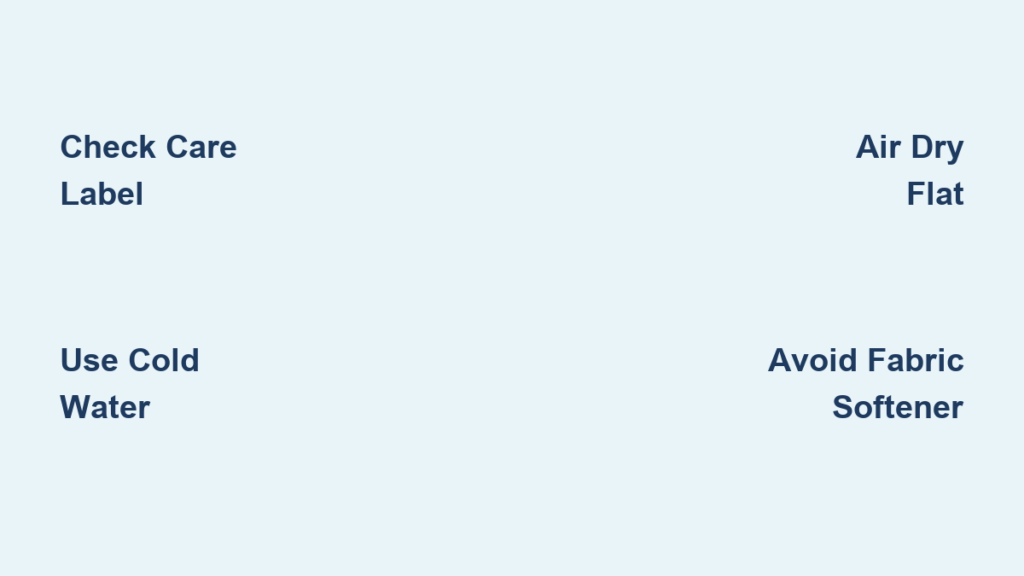
The cleaning method depends entirely on fabric. Always check the care label first.
| Fabric | Bleach-Safe? | Heat-Tolerant? | Best Cleaning Method |
|---|---|---|---|
| Cotton | Yes, if colorfast | High heat | Hot water wash, sun-dry |
| Polyester/Fleece | Color-safe only | Low-medium heat | Vinegar + oxygen bleach |
| Wool | No (chlorine) | No (high heat) | Hand wash, air-dry flat |
| Down/Feather | Limited | Low heat only | Full drying essential |
| Acrylic/Blends | Test first | Medium heat | Machine wash + oxygen bleach |
| Electric Blanket | Not submersible | Not submersible | Spot clean only |
Critical: Never use chlorine bleach on wool, silk, spandex, or non-colorfast fabrics. Always test for colorfastness in a hidden area first.
Treating Mold Stains Before Washing
Using Vinegar for Natural Mold Killing
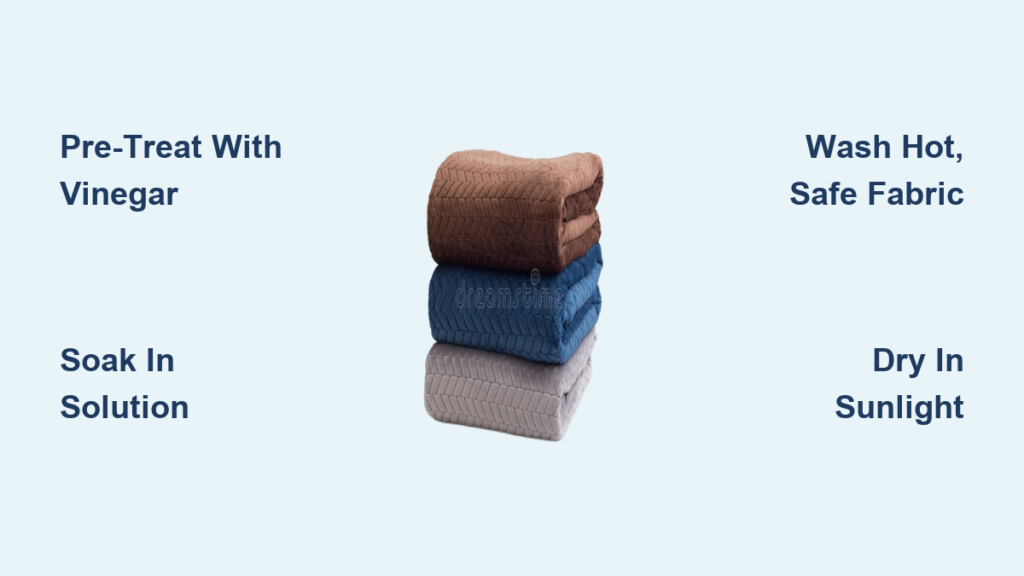
White distilled vinegar kills 82% of mold species and penetrates fibers effectively. Spray undiluted vinegar directly on mold spots and let sit for 30 to 60 minutes. For heavy infestations, soak the entire blanket in equal parts vinegar and water for 1 hour.
Never mix vinegar with bleach. This creates toxic chlorine gas.
Trying Lemon Juice and Sunlight
For light mold on colorfast fabrics, mix lemon juice and salt into a paste, rub onto stains, and lay in direct sunlight for 3 to 6 hours. UV rays combined with citric acid break down mold and naturally bleach stains.
Applying Hydrogen Peroxide
Use 3% hydrogen peroxide from the drugstore. Spray or dab on stains and wait 10 to 15 minutes. Test first on a hidden area because it can lighten dark colors.
Using Commercial Mold Removers
Enzyme-based or oxygen bleach products like OxiClean or Mold Armor are effective and safe for colors. Follow label instructions carefully. These products are ideal for tough stains or large blankets and are safer than chlorine bleach for most fabrics.
Soaking Your Blanket for Deep Mold Removal

Best Soaking Solutions
Pre-soaking loosens mold and organic residue before washing. Per gallon of warm water, use 1 cup white vinegar to disinfect and deodorize, 1/2 cup borax to raise pH and kill mold, or 1 scoop oxygen bleach for gentle yet powerful stain removal.
Soaking Procedure
Fill a bathtub or large container and submerge the blanket completely. Soak for 1 to 6 hours, or overnight for severe cases. Agitate occasionally for full saturation.
Borax Note: Borax dissolves best in hot water. Do not use on wool or silk.
Washing Moldy Blankets the Right Way
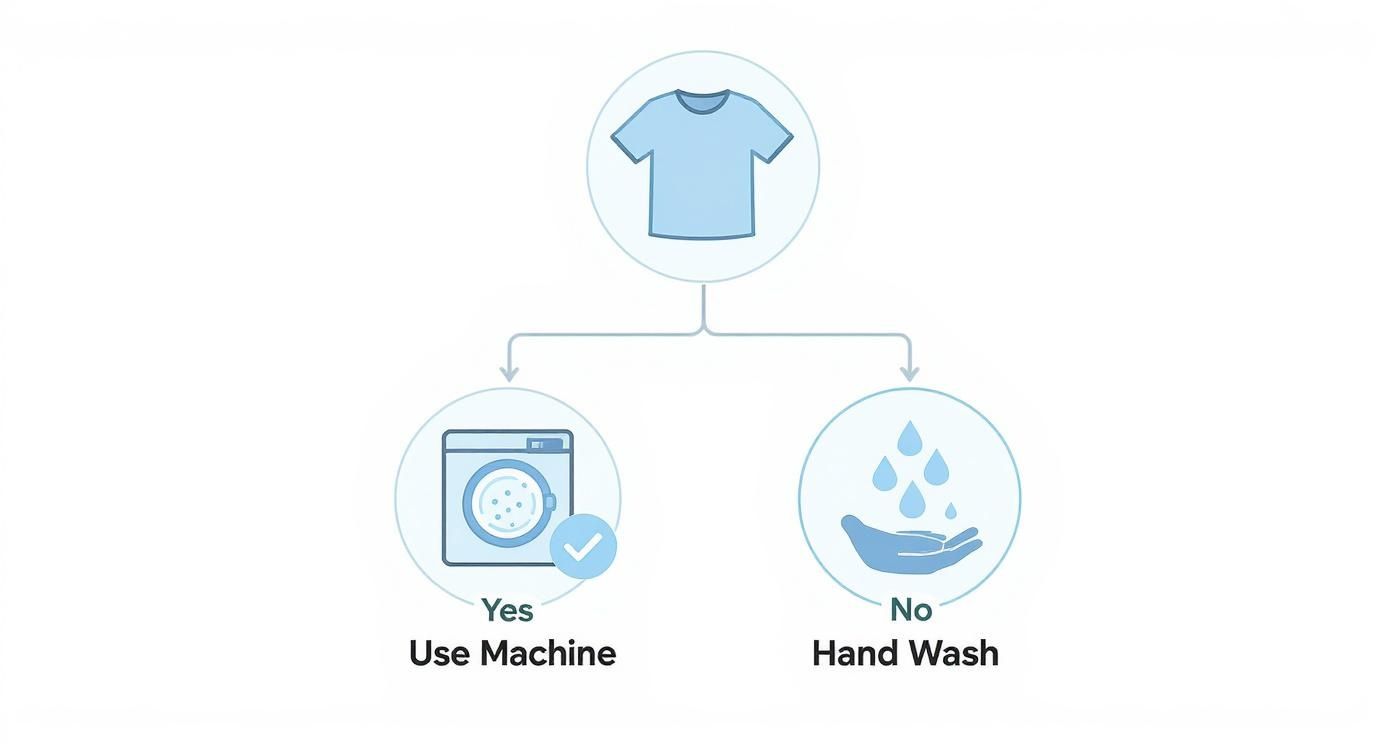
Machine Washing Most Fabrics
Use the hottest water safe for the fabric, as 140°F kills mold best. Add regular detergent plus 1 to 2 cups vinegar, or 1/2 cup borax, or 1/2 cup oxygen bleach. For white cotton only, add 1 cup chlorine bleach if the label allows. Run a full cycle with an extra rinse to remove all residue.
Hand Washing Delicate Fabrics
For wool, silk, or hand-wash-only blankets, use lukewarm water and mild detergent. Add 1/4 cup vinegar or oxygen bleach. Gently agitate for 10 to 15 minutes, then rinse thoroughly until water runs clear.
Avoid wringing wool. Press out water and roll in a towel to dry.
Drying Your Blanket to Stop Mold Returning
Sun-Drying for Maximum Mold Kill
Hang in direct sunlight. UV rays destroy remaining spores naturally. Flip every few hours for even drying. Duration is typically 4 to 8 hours depending on thickness.
Sunlight is free, effective, and deodorizes naturally.
Air-Drying Indoors
Use fans and a dehumidifier. Ensure 100% dryness before folding or storing. Dampness invites mold back immediately.
Using Dryers Safely
Only use a dryer if mold is fully treated. Use low or medium heat for synthetics. Never use high heat on wool, fleece, or spandex. For down blankets, dry on low with tennis balls to prevent clumping.
Warning: Heat can set stains if mold wasn’t fully removed.
Removing Musty Odors After Mold Treatment
Neutralizing Lingering Smells
Even after mold is gone, odors can linger. Wash with 1 to 2 cups vinegar to kill odor-causing microbes. Add 1/2 cup baking soda to the wash cycle, or sprinkle baking soda on the dry blanket, wait 1 to 2 hours, then vacuum. Hang in sunlight for 3 to 4 hours, and store with activated charcoal sachets or silica gel packets.
User Tip: Weekly washes with 1/2 cup vinegar prevent mildew buildup in humid climates.
Re-Treating Stubborn Stains or Odors
Repeating the Cleaning Process
If mold or smell persists after the first treatment, re-soak in vinegar plus borax plus oxygen bleach. For white cotton, try a chlorine bleach wash if safe. Consider fabric dyeing to hide stubborn stains on cotton using fiber-reactive dye.
Accepting Imperfection
Some stains may not fully disappear, especially if mold penetrated deeply. If the blanket is clean and odor-free, minor discoloration may be acceptable.
Cleaning Specific Blanket Types Effectively
Cotton, Wool, Fleece, and Down Blankets
Cotton responds best to hot water wash with vinegar or bleach if white, then sun-dry. Wool needs hand washing with mild soap and vinegar, air-dried flat, with no bleach. Fleece machine washes warm with vinegar or oxygen bleach, air-dried or on low heat. Down requires gentle detergent and 100% dry conditions using low heat with tennis balls.
Electric or Heated Blankets
Never submerge an electric blanket. Spot clean with a damp cloth and mild soap only. If mold is inside wiring or layers, discard immediately. This is both a fire hazard and health risk.
Keeping Mold Off Blankets for Good
Controlling Moisture
Never store a blanket damp. Dry completely after washing or spills. Keep room humidity below 50% using a hygrometer to monitor levels.
Improving Airflow
Store in breathable cotton bags, not plastic. Leave closet doors ajar. Rotate stored blankets every 1 to 2 months.
Using Moisture Absorbers
Place silica gel, reusable dehumidifier bags, or activated charcoal in storage areas. Use a room dehumidifier in basements or humid rooms.
Maintaining Regularly
Wash or air out blankets seasonally. Inspect every 4 to 6 weeks for early mold signs. Wash weekly with vinegar in high-humidity homes.
Pro Tip: Leaving the washing machine door open after use prevents mildew buildup that can recontaminate blankets.
Knowing When to Replace a Moldy Blanket
Not all blankets can be saved. Replace if mold covers more than 30% of the surface, musty smell remains after 3 cleanings, fabric is thin or crumbling, it’s an electric blanket with internal mold, or someone with mold sensitivity or lung conditions uses it.
Bottom Line: Your health is more important than sentimental value. When in doubt, replace.
Comparing the Best Mold Removal Agents
| Product | Kills Mold | Safe for Colors | Best For |
|---|---|---|---|
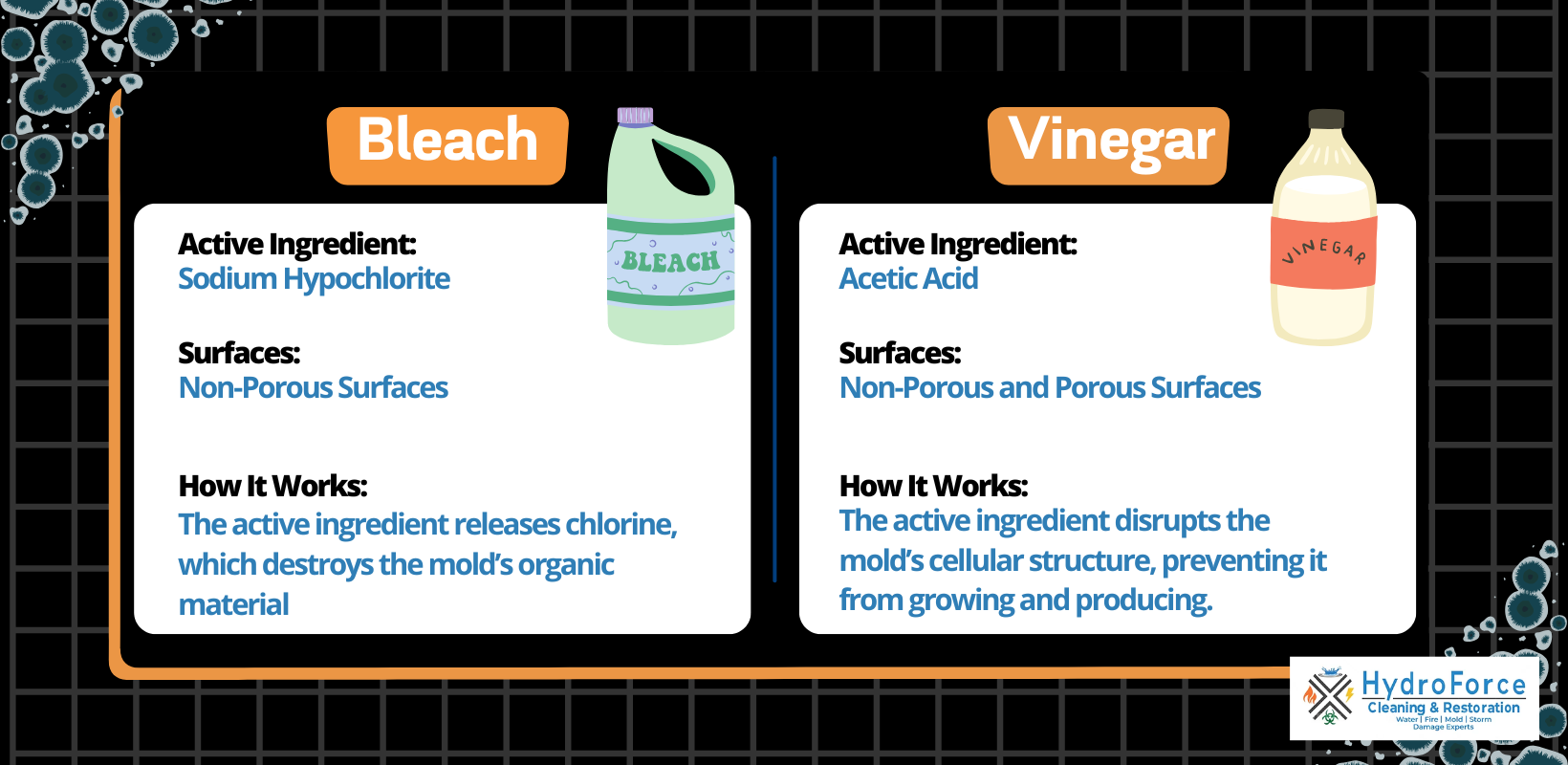
| Chlorine Bleach | Yes (strong) | No (unless color-safe) | White cotton |
| Oxygen Bleach | Yes (moderate) | Yes | Colors, blends |
| White Vinegar | Yes (moderate) | Yes | Most fabrics |
| Borax | Yes (high) | Yes | Cotton, linen |
| Baking Soda | No (odor only) | Yes | Odor control |
| Hydrogen Peroxide | Yes (moderate) | Test first | Light colors |
Best Combo: Vinegar plus borax plus oxygen bleach for maximum mold kill without fabric damage.
Cleaning Your Washing Machine After Mold Treatment
A moldy washing machine can re-infect clean blankets. Run an empty hot cycle with 1 cup bleach or 1 cup vinegar. Scrub the drum, door seal, detergent drawer, and filter. Leave the door open between uses. Monthly maintenance keeps your machine mold-free.
Frequently Asked Questions About Getting Mold Out of a Blanket
Can I save a blanket with black mold?
Yes, if the mold hasn’t penetrated deeply and the fabric is washable. Use vinegar pre-treatment, soak for several hours, then wash in hot water. If mold covers more than 30% or the blanket is an electric blanket, replace it instead.
Does hot water really kill mold on blankets?
Yes. Water at 140°F or higher kills mold effectively when combined with proper cleaning agents. Always check your fabric’s heat tolerance first.
What’s the fastest way to remove mold smell from a blanket?
Wash with 1 to 2 cups white vinegar, add 1/2 cup baking soda to the cycle, then sun-dry for several hours. This combination neutralizes odors and kills remaining microbes.
Can I use bleach on my colored blanket?
Only if it’s colorfast and labeled bleach-safe. Test a hidden area first. For colored fabrics, use oxygen bleach or vinegar instead, which are gentler but effective.
How do I prevent mold from growing on stored blankets?
Ensure blankets are completely dry before storing. Use breathable cotton bags, not plastic. Add silica gel packets or activated charcoal to storage areas. Check stored blankets every few weeks.
Key Takeaways for Removing Mold from Blankets
Removing mold from a blanket is possible in most cases if you act fast and follow the right steps. The key is combining safe pre-treatment with vinegar or hydrogen peroxide, thorough soaking to break down spores, washing in the hottest water your fabric allows, and complete drying in sunlight or with proper airflow. Match your cleaning method to your blanket’s fabric type, and never use chlorine bleach on delicate materials.
With proper care and storage, you can keep your blankets fresh, clean, and mold-free for years. Don’t let a musty smell ruin your comfort. Treat it now, check storage conditions regularly, and prevent future outbreaks by controlling moisture in your home.