You pull your favorite blanket off the couch, ready to cozy up, but instead of comfort, you are greeted by a fuzzy layer of lint and pet hair. It is not just unattractive. It can make fabrics feel rough and trigger allergies. The good news is that removing lint from a blanket does not require expensive tools or complicated steps. With the right method for your fabric type, you can restore softness and freshness in minutes.
This guide breaks down the most effective ways to remove lint, whether it is loose fibers, embedded pet hair, or stubborn pilling. You will learn which tools work best, which to avoid, and how to keep your blankets lint-free long term. Whether you are dealing with wool, fleece, microfiber, or cotton, there is a solution here that is fast, safe, and budget-friendly.
Know the Difference Between Lint and Pilling

Before grabbing a lint roller, determine what you are actually dealing with. Lint and pilling look similar but require different approaches.
What Is Lint
Lint consists of stray fibers, dust, or pet hair that cling to your blanket surface. It transfers during washing, through static, or from environmental exposure. Because it is not attached to the fabric, lint lifts off easily with adhesive or damp tools.
Best removal methods include:
• Lint roller
• Masking tape
• Damp cloth
• Rubber glove
What Is Pilling
Pilling happens when short fibers break and knot into bumpy balls due to friction. These pills are common on fleece, synthetics, and low-quality knits. Unlike lint, pills are still connected to the fabric, so adhesive tools only flatten them temporarily.
Best removal methods include:
• Fabric shaver
• Lint comb
• Pill remover
Quick Test: Gently rub a section. If fuzzy bits ball up and do not lift, it is pilling, not lint.
Fastest Methods for Removing Lint
Wet Scouring Pad for Heavy Buildup
The wet scouring pad is the top performer for thick, durable blankets like wool or cotton. It removes lint fast and lifts embedded grime without washing.
How to use:
1. Dampen a green kitchen scouring pad. It must be non-metallic.
2. Squeeze out excess water. The pad should be moist, not dripping.
3. Rub gently in one direction across the blanket.
4. Wipe clean with a dry microfiber cloth.
Best for: Wool, cotton throws, vintage blankets
Avoid on: Microfiber, cashmere, loosely knitted fabrics
Caution: Use light pressure. Test on a hidden corner first to prevent surface damage.
Wool Dryer Ball for Dry Lint Removal
This eco-friendly tool lifts lint through friction and reduces static. No water or electricity is needed.
How to use:
1. Rub the wool ball firmly over the blanket in circular motions.
2. Focus on high-friction areas like shoulders or foot zones.
3. Shake or rinse the ball if it collects too much lint.
Why it works: Wool naturally attracts loose fibers and reduces static, which helps prevent future lint attraction.
Best for: Fleece, textured cotton, synthetic blends
Damp Dryer Sheet for Light Lint and Freshness
Dryer sheets do not work when dry, but a slightly dampened one develops tackiness that grabs lint and neutralizes static.
How to use:
1. Wet a standard dryer sheet and wring it completely.
2. Wipe over lint-covered areas.
3. Immediately follow with a damp microfiber cloth to remove residue.
4. Dry the area with a towel or cool blow dryer.
Best for: Polyester, cotton, light lint
Avoid on: Pilling or delicate fabrics like silk
Best Spot Treatments for Delicate Areas
Masking Tape for Targeted Cleaning
When you only need to clean a small section, masking tape is a safe, low-risk option.
How to use:
1. Cut a 6 to 12 inch strip.
2. Press sticky side onto lint and lift.
3. Repeat with fresh strips as stickiness fades.
4. Use wide tape for faster coverage.
Pro tip: Wrap tape around a ruler with sticky side out to create a reusable lint roller.
Best for: Pet hair, spot cleaning, delicate fabrics
Rubber Glove Trick for Pet Hair
If your blanket doubles as a pet bed, this method is a game-changer. A damp rubber glove uses static to collect lint and fur in clumps.
How to use:
1. Put on a clean dishwashing glove.
2. Dampen slightly. No dripping.
3. Run your hand across the blanket in one direction.
4. Lint and hair will gather into balls. Wipe the glove as needed.
Best for: Dark blankets where lint shows clearly
Advanced Tools for Stubborn Lint and Pilling
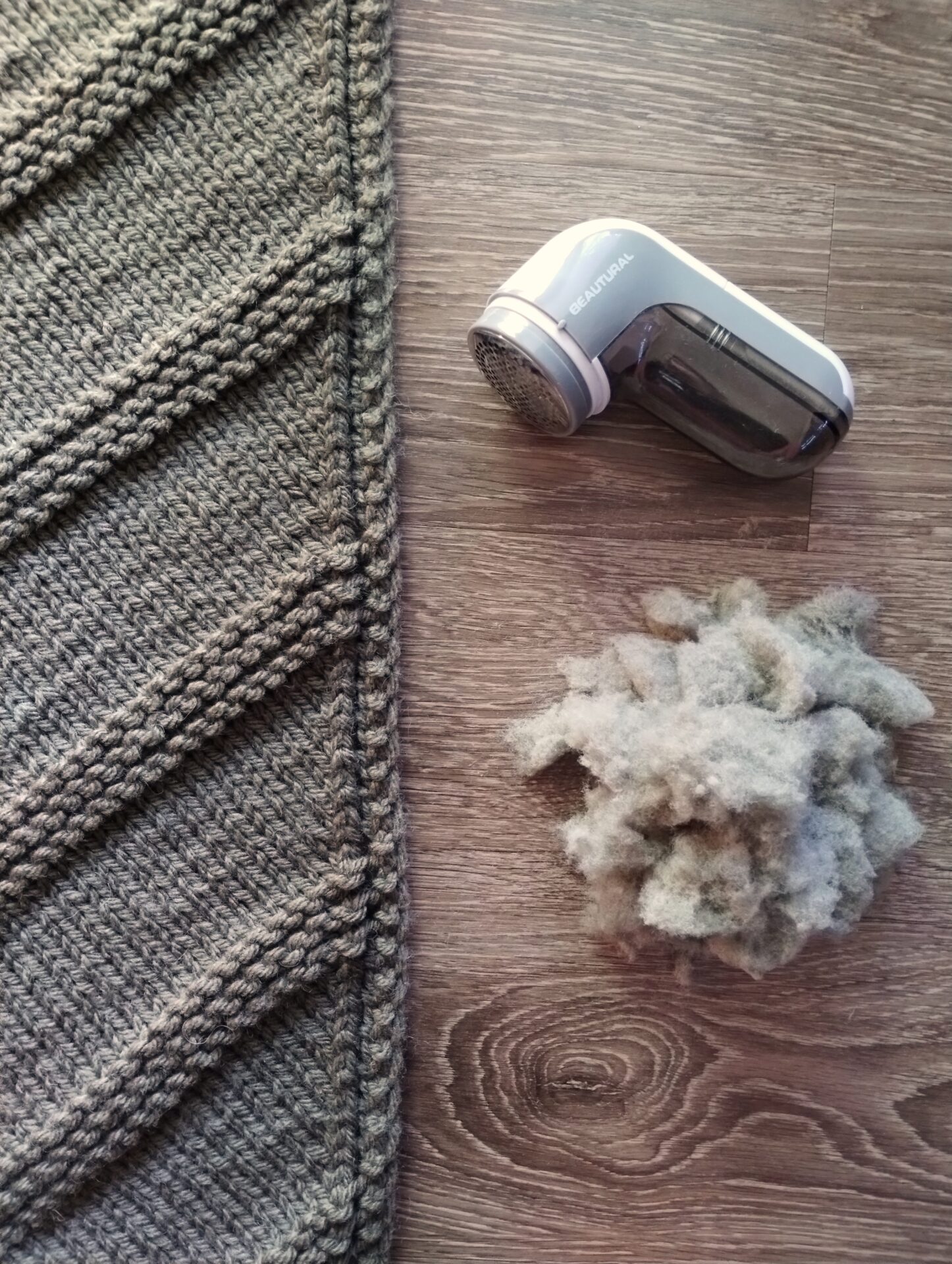
Fabric Shaver for Pilling and Fuzz
For fleece, microfiber, or cotton with bumpy pills, a fabric shaver is the most efficient tool.
How to use:
1. Turn on and glide in short, light strokes.
2. Keep moving to prevent overheating.
3. Empty the lint chamber after use.
4. Use one direction only for even results.
Tips:
• Use lower blade setting for thicker fabrics
• Avoid pressing hard on thin areas
Best for: Fleece, microfiber, cotton blends
Avoid on: Cashmere, loose knits, silk
Lint Comb for Fleece Fabrics
Designed specifically for napped textiles, a lint comb removes pills and trapped lint without damaging the fabric.
How to use:
1. Lay blanket flat.
2. Hold comb with fine teeth up, wide teeth down.
3. Run fine teeth across pilled areas, keeping parallel.
4. Adjust angle. Perpendicular sweeps lint sideways. Flat catches lint directly.
Pro tip: Work row by row with slight overlap for full coverage.
Best for: Fleece, synthetic napped fabrics
Vacuum with Upholstery Attachment
For large or heavily used blankets, vacuuming removes deep-set lint and dust.
How to use:
1. Lay blanket flat and smooth.
2. Use low suction and upholstery nozzle.
3. Move slowly across seams and edges.
4. Shake gently after to loosen trapped particles.
Best for: Large throws, pre-wash cleaning, storage prep
Gentle Options for Delicate Fabrics
Soft-Bristled Clothes Brush
Ideal for wool or cashmere, a clothes brush lifts lint while fluffing fibers and preserving softness.
How to use:
1. Brush in one direction with light strokes.
2. Focus on high-use zones.
3. Clean brush regularly to maintain effectiveness.
Best for: Wool, cashmere, blended fibers
Reusable Lint Roller
Unlike disposable versions, reusable rollers have a washable sticky surface. It is eco-friendly and cost-effective.
How to use:
1. Roll in one direction only.
2. Rinse under water when lint builds up.
3. Air dry completely before reuse.
Best for: Daily touch-ups, delicate fabrics
Washing and Drying Hacks to Prevent Lint
Wash Similar Fabrics Together
Never wash terry cloth towels with fleece or microfiber. Towels shed massive amounts of lint. Always group by fiber type.
Pro tip: Wash new blankets alone for the first cycle to remove loose manufacturing fibers.
Use Cold Water and Gentle Cycle
Hot water weakens fibers and increases shedding. Always use cold water, select gentle cycle, and use mild detergent. Avoid bleach and fabric softeners.
Add White Vinegar Occasionally
While vinegar will not remove existing lint, it helps prevent future shedding by removing detergent residue, softening fibers naturally, and reducing static.
How to use:
• Add ¼ to 1 cup white vinegar to rinse cycle
• Use once every few washes
• Never mix vinegar with bleach
Warning: Frequent vinegar use can degrade rubber seals in washers. Use sparingly.
Dry Smart: Air Dry When Possible
Tumble drying causes friction and heat damage, accelerating lint and pilling.
Best practices:
• Air dry flat, especially wool and faux fur
• If using dryer, use low heat or air fluff only
• Clean lint trap before every cycle
Fabric-Specific Lint Removal Guide
Wool Blankets
Best methods: Wet scouring pad, wool dryer ball, soft brush
Avoid: High heat, machine drying, pumice, vigorous rubbing
Washing: Hand wash or gentle machine cycle with wool detergent
Drying: Always air dry flat
Fleece Blankets
Best methods: Fabric shaver, lint comb, masking tape
Avoid: Wet scouring pad, fabric softeners, high heat
Washing: Cold water, mild detergent, wash separately
Drying: Air dry or no-heat tumble
Microfiber
Best methods: Fabric shaver, lint roller, vacuum
Avoid: Fabric softeners, abrasive pads, pumice
Washing: Cold water, gentle cycle, mild detergent
Drying: Air dry or low heat
Cotton
Best methods: Scouring pad, masking tape, fabric shaver
Avoid: Over-drying, washing with synthetics
Washing: Cold water, gentle cycle
Drying: Low heat or air dry
Faux Fur
Best methods: Wide-toothed comb, soft brush
Avoid: Heat, fabric shaver, agitation
Washing: Hand wash or delicate cold cycle
Drying: Air dry only
Prevent Lint Before It Starts
Wash Inside Out
This reduces surface abrasion during washing. It prevents future lint but does not remove existing buildup.
Do Not Overload the Washer
Overcrowding increases friction and causes more shedding. Leave space for items to move freely.
Limit Washing Frequency
Wash blankets only every 6 to 8 weeks, or when visibly soiled. Overwashing wears down fibers.
Store Properly
Use breathable cotton bags or pillowcases. Avoid plastic bins that trap moisture and increase static. Keep in a cool, dry, dark place.
Routine Maintenance
Weekly: Lint roll or brush
Monthly: Vacuum large throws
After storage: Quick wipe with damp dryer sheet or wool ball
Choose Low-Shedding Blankets
Prevention starts with purchase. Opt for high-thread-count cotton percale, linen, dense microfiber, anti-pill fleece, or high-grade polyester blends.
Avoid: Low-density fleece, cheap faux fur, loosely knitted synthetics
When to Replace a Blanket
Even with care, blankets wear out. Replace if you notice large bald spots after shaving, fabric thinning or holes, persistent odor after washing, or excessive pilling that will not improve.
A high-quality blanket should last 3 to 5 years with proper maintenance.
Frequently Asked Questions About Getting Lint Off a Blanket
Does lint come off in the wash?
Washing can remove some loose lint, but it often just redistributes it. Use a lint trap, and wash new blankets alone for the first cycle to remove manufacturing fibers.
What is the quickest way to remove lint from a blanket?
The wet scouring pad method is the fastest for heavy lint on durable fabrics. For light lint, a lint roller or damp rubber glove works in minutes.
Can I use a fabric shaver on all blanket types?
No. Use fabric shavers only on fleece, microfiber, and cotton blends. Avoid on cashmere, loose knits, and silk. Use a soft brush or lint roller for delicate fabrics instead.
Does fabric softener cause lint?
Fabric softener can leave residue that attracts lint. It also causes pilling on fleece and microfiber. Skip fabric softeners and use wool dryer balls instead.
How often should I wash my blanket to prevent lint?
Wash blankets every 6 to 8 weeks. Overwashing accelerates fiber wear and increases linting. Spot clean between washes to maintain freshness.
Key Takeaways for Keeping Your Blankets Lint-Free
Lint is inevitable, but it does not have to ruin your comfort. By matching the right tool to your fabric and following smart washing and storage habits, you can keep every blanket looking and feeling like new.
Remember these core strategies:
• Identify whether you have lint or pilling. Use adhesive tools for lint and a fabric shaver for pills.
• Wet scouring pads work fastest for heavy lint on wool and cotton.
• Fabric shavers are essential for removing pilling on fleece and microfiber.
• Wash in cold water, avoid fabric softeners, and air dry when possible.
• Prevent lint by washing similar fabrics together and storing blankets in breathable cotton bags.
Start with a quick rubber glove pass or lint roller for regular maintenance. Save deeper treatments like the wet scouring pad or fabric shaver for when buildup occurs. With these strategies, lint-free comfort is always within reach.