You’re dealing with a frustrating situation if you’ve ever spilled cooking oil, body oil, or lotion on your blanket. Oil stains spread quickly and penetrate deep into fabric fibers, making them especially tricky to remove on bulky items like comforters or blankets. But with the right approach, you can effectively lift oil from your blanket without damaging the fabric. This guide walks you through every step, from immediate blotting to deep cleaning, using proven methods that work on cotton, polyester, microfiber, and other common blanket materials.
Quick Action Steps for Fresh Oil Stains
Acting fast is your best defense against a permanent oil stain. The longer oil sits, the deeper it soaks into the fibers and the more it attracts dirt, turning into a stubborn discolored mark. The moment you notice an oil spill on your blanket, grab whatever absorbent material is nearby and start treating the stain immediately.
Blot the Stain Immediately
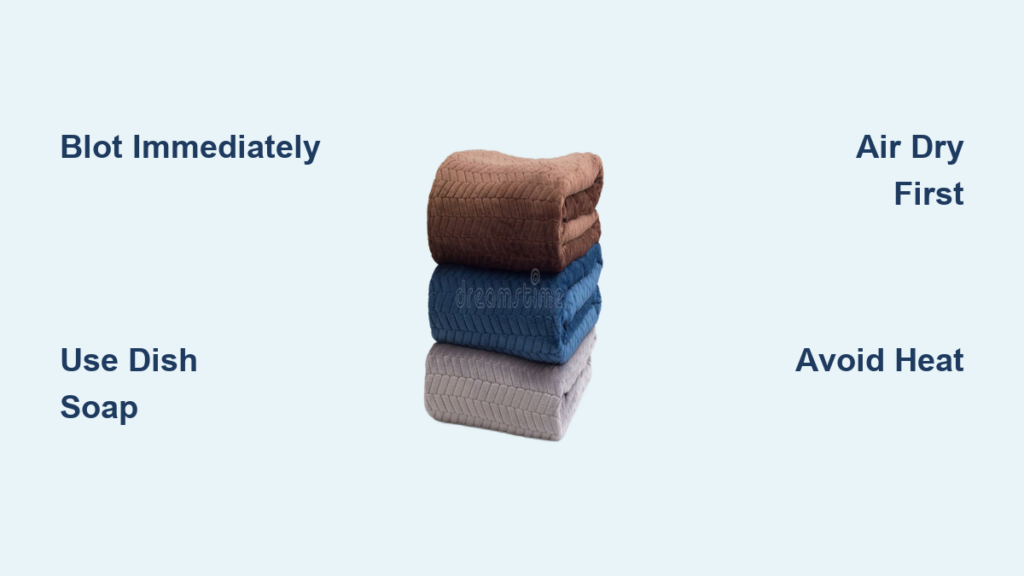
Use a clean, dry paper towel or cloth to gently blot the stain. Press down to absorb as much oil as possible. Never rub the stain, as this pushes the oil deeper into the fabric and spreads it across a larger area. Continue blotting with fresh sections of your cloth until no more oil transfers.
Apply an Absorbent Powder
Cover the stained area with a generous layer of absorbent powder to draw out residual oil before washing. Cornstarch is safe for most fabrics and highly effective. Baking soda deodorizes while absorbing oil. Talcum powder works fast but should be avoided on delicate fabrics. Flour serves as a kitchen alternative in a pinch. Leave the powder on for at least 15 minutes, or overnight for heavy stains, then vacuum or brush off thoroughly.
Pre-Treating the Oil Stain
:max_bytes(150000):strip_icc()/1901027-RemovingCookingAndVegetableOilStains-ede16ed6ba9c4f39ac9ba14c7409a709.png)
Before washing your blanket, pre-treatment ensures the oil is broken down so it doesn’t set during laundering. This step is crucial for both fresh and older stains, as it penetrates deep into the fibers to loosen the grease.
Use Dish Soap to Break Grease
Dish soap like Dawn is designed to cut through grease and is safe for most fabrics. Lay the blanket flat on a clean surface. Apply a few drops of liquid dish soap directly to the stain. Gently rub with your fingers or a soft brush in circular motions. Let the soap sit for 10 to 15 minutes to emulsify the oil, allowing water to wash it away later.
Try a Stain Remover Spray
For tougher or older stains, use an enzyme-based or oxygen-boosting stain remover. OxiClean MaxForce Stain Remover works well for embedded stains. Shout Ultra Gel provides strong grease-fighting power. Zout Triple Enzyme Formula targets organic oil stains effectively. Spray generously on the stained area, wait 5 to 10 minutes, then proceed to wash.
Washing the Blanket Properly
Now that the oil is pre-treated, it’s time to launder the blanket properly to remove all traces of grease. Following the correct washing procedure ensures you don’t set the stain permanently.
Check Care Labels First
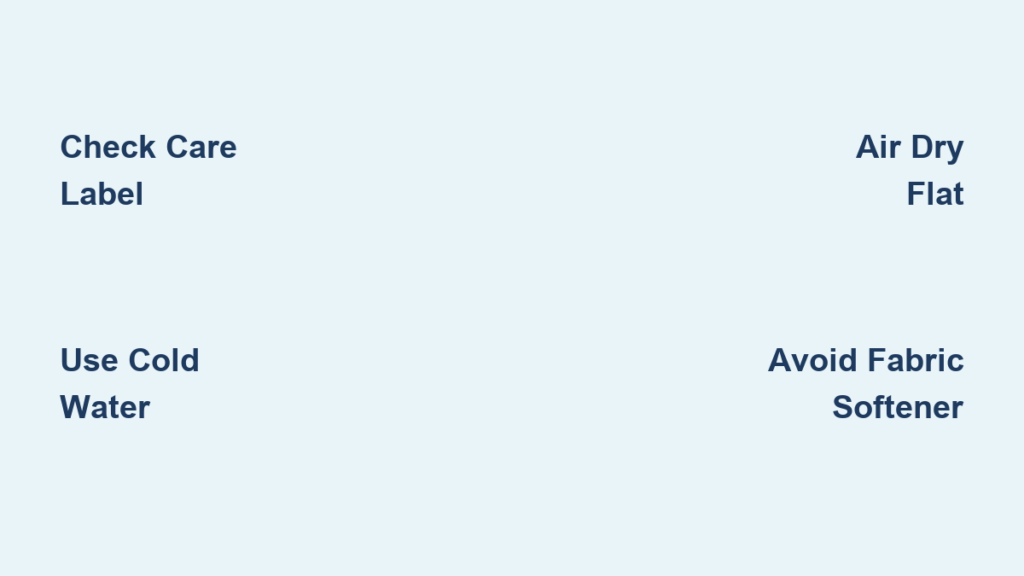
Always read the manufacturer’s washing instructions before proceeding. Look for the maximum water temperature allowed. Check whether the blanket requires machine washing or hand washing only. Note if dry cleaning is required. Ignoring care labels can lead to shrinkage, fabric damage, or color bleeding.
Use Hot Water When Safe
Hot water helps dissolve oil, but only use it if the fabric allows. For cotton or durable synthetics, use the hottest water recommended on the care label. For delicate fabrics like silk, wool, or down-filled comforters, use warm or cold water to prevent damage.
Add Detergent and Booster
Boost your cleaning power with the right additives. Use a heavy-duty laundry detergent for best results. Add half a cup of white vinegar to help cut grease and soften fabric. Add half a cup of baking soda to enhance stain lifting and odor removal. Avoid fabric softener, as it can coat fibers and trap oil residue.
Removing Set-In Oil Stains
If the oil stain has dried or been washed once already, standard washing may not be enough. Set-in stains require stronger treatment methods to break down the bonded oil.
Apply a Baking Soda Paste
Make a thick paste with three parts baking soda and one part water. Spread the paste over the stain and let it sit for one hour. Scrub gently with a toothbrush to work the paste into the fibers. Rinse with warm water before washing again.
Use Rubbing Alcohol
Rubbing alcohol dissolves oil and works well on old stains. Dampen a clean cloth with isopropyl alcohol at 70% concentration. Blot the stain from the outside in to prevent spreading. Rinse with cold water. Reapply dish soap and wash again. Test on a hidden area first, as alcohol can discolor some dyes.
Drying Without Setting the Stain
Never dry a blanket with oil residue in the dryer. Heat permanently sets oil stains, making them nearly impossible to remove afterward. This step is critical to ensure your hard work doesn’t go to waste.
Air Dry First
After washing, hang or lay the blanket flat to air dry completely. Check carefully to see if the stain is gone before using a dryer. If the stain remains, repeat the treatment and wash again. Only use the dryer once you confirm the stain is fully removed.
Natural Cleaning Alternatives

Prefer green cleaning methods? These natural options work well on light oil stains and are gentler on fabrics and the environment.
Vinegar and Baking Soda Combo
Sprinkle baking soda directly on the stain. Spray with white vinegar and watch it fizz for 10 minutes. Scrub gently with a soft brush. Wash as usual with your regular detergent. This combo lifts grease and neutralizes odors naturally.
Lemon Juice and Sunlight
For white or colorfast fabrics, try this powerful natural method. Squeeze fresh lemon juice on the stain. Place the blanket in direct sunlight for 1 to 2 hours. The sunlight acts as a natural bleach and helps break down oil. Wash normally afterward.
Choosing Your Washing Method
Select the right washing method based on your blanket’s size and fabric type to avoid damaging the material during cleaning.
Machine Washing Most Blankets
Machine washing works best for cotton, microfiber, and synthetic blends. Use a front-loading washer if possible, as it’s gentler on fabrics. Wash on normal or heavy-duty cycle. Do not overload the machine, as this reduces agitation and cleaning power.
Hand Washing Delicate Blankets
Hand washing is ideal for down-filled, wool, or vintage blankets. Fill a bathtub with warm water and mild detergent. Submerge the blanket and gently agitate. Drain and rinse twice to remove all soap. Press out water gently, do not wring. Roll in a towel to remove excess moisture before drying.
When to Call Professional Cleaners
Some blankets require expert care to avoid irreversible damage. Knowing when to seek professional help saves you from making costly mistakes.
Take to Dry Cleaners If
Take your blanket to professional dry cleaners if the care label says “Dry Clean Only.” Seek professional help if the fabric is silk, wool, or cashmere. Also, bring it to the pros if the blanket is heavily embellished or is an antique. Always inform the cleaner about the oil stain so they can pre-treat it properly.
Preventing Future Oil Stains
Avoid repeat accidents with simple habits that protect your blanket from oil damage. Prevention is always easier than removal.
Use a Protective Cover
Place a washable blanket protector or throw over your blanket when using oils, lotions, or eating in bed. This barrier catches spills before they reach the blanket itself.
Keep a Stain Emergency Kit Nearby
Treat accidents immediately by keeping supplies handy. Stock a small kit with paper towels, dish soap, baking soda, and a spray bottle. The faster you act, the better your chances of complete removal.
Frequently Asked Questions About Removing Oil from Blankets
Does baking soda really work on oil stains?
Yes, baking soda absorbs oil effectively. Sprinkle it on fresh stains and leave for 15 minutes or overnight. For set-in stains, make a paste with water, apply to the stain, and wash after one hour.
Can I use hot water to remove oil from all blanket types?
No, only use hot water on durable fabrics like cotton and polyester. Use warm or cold water for delicate materials like silk, wool, or down to prevent shrinkage and damage.
What if the oil stain remains after washing?
If the stain persists, repeat the pre-treatment process and wash again. Never dry the blanket in the heat until the stain is completely gone, as heat will set it permanently.
Is it safe to use rubbing alcohol on all blankets?
No, test rubbing alcohol on a hidden area first. It can discolor some dyes, especially on colored or patterned fabrics. Use with caution on delicate materials.
How long should I let pre-treatment sit before washing?
Let dish soap sit for 10 to 15 minutes. For stain remover sprays, wait 5 to 10 minutes. For baking soda pastes on set-in stains, let sit for one hour before rinsing and washing.
Key Takeaways for Removing Oil from Blankets
Removing oil from a blanket is entirely possible with prompt action and the right technique. Always blot immediately and apply an absorbent powder before washing to prevent the oil from setting deep into fibers. Pre-treat with dish soap or a stain remover, then wash using the hottest water safe for your fabric. For stubborn set-in stains, use a baking soda paste or rubbing alcohol treatment. Always air dry first and check that the stain is completely gone before using the dryer. With these steps, your blanket can be restored to like-new condition.