
Hanging a blanket on the ceiling transforms a room in seconds. Whether you’re creating a boho canopy vibe over your bed, reducing echo in a home studio, or building a cozy reading nook, the right method makes all the difference. From renter-friendly Command hooks to studio-grade ceiling tracks, this guide covers every safe, effective way to suspend a blanket overhead without damaging walls or risking a collapse.
You’ll learn which fabrics actually absorb sound, how to anchor into joists or drop ceilings safely, and which DIY setups work best for beds, booths, or photography backdrops. Whether you’re a podcaster, a dorm decorator, or someone chasing that fairycore dream, you’ll find your ideal ceiling-hanging solution here.
Choose the Right Blanket for Your Goal
Match Fabric to Function
Not all blankets work equally well when suspended. Your choice depends entirely on what you want to achieve.
For sound control, use breathable dense materials like cotton, wool, linen, or moving blankets. These absorb high-frequency echo and early reflections effectively. For light blocking, pick thick cotton, thermal quilts, or blackout curtains heavy enough to stop sunlight. For dreamy draping, go with fleece throws, tapestries, or rayon which are soft, lightweight, and visually flowing. Avoid polyester, nylon, and vinyl entirely since these reflect sound and look cheap when suspended.
Test Breathability First
Hold the blanket to your mouth and blow through it. If air passes through easily, it’s breathable and ideal for acoustic use. If air doesn’t pass through, the blanket won’t absorb much sound no matter how heavy it feels.
Pro Tip: Use a moving blanket ($15 to $30) for studios. It’s durable, absorbent, and often comes with grommets already installed.
Know Your Ceiling Type Before You Start

Identify What You’re Hanging Into
Your ceiling type determines what’s safe and what will fail.
Drop ceilings with metal grid systems work great for temporary setups. Never hang from the tiles themselves, only from the metal grid. Drywall or plaster is only safe when anchored into ceiling joists. Drywall alone cannot support weight and will tear. Concrete or masonry requires masonry anchors or concrete screws for permanent installs. Exposed wooden beams are ideal since you can screw hooks directly into the wood.
Warning: Never screw into drywall alone. Use toggle bolts only for lightweight loads if joists aren’t accessible.
Find Joists with a Stud Finder
Use a stud finder to locate wooden or metal joists, which are usually spaced 16 or 24 inches apart. Mark them before drilling. No stud finder? Tap the ceiling with your knuckles. A solid thud means joist. A hollow sound means drywall only.
Install Without Damage: Renter-Friendly Methods
Use Command Hooks + Binder Clips
This method is perfect for renters who can’t make holes.
Clean the ceiling with rubbing alcohol first. Press heavy-duty 3M Command Ceiling Hooks (rated 3 to 5 lbs) firmly onto the ceiling and hold for 30 seconds. Open a large binder clip and hook its wire arms into the Command hook. Clip the binder clip onto the blanket’s top edge. Repeat every 12 to 18 inches for even support.
User Tip: This works best with lightweight throws or quilts. Avoid using this method in humid bathrooms since adhesive can fail.
Try Adhesive Putty or Tape for Light Fabrics
Mounting putty like Blu-Tack works for very light fabrics. Roll it into balls, press to ceiling, then press blanket edge into it. Gorilla Tape is stronger but risks peeling paint when removed. This approach works best for fleece blankets or fabric panels under 2 pounds.
Safety Note: Always test adhesive strength with a corner first before committing to the full installation.
Build a Non-Damaging Drop Ceiling Rail
Use Wire + Wooden Strip for Grid Ceilings
This method works perfectly in offices, basements, or classrooms with accessible drop ceilings.
You’ll need a 1½ inch by ½ inch wooden strip cut to the width of your space, galvanized steel wire, pliers, and screws or bent nails. Cut the wire to your desired length since this adjusts the height. Attach one end to the metal grid using screws or bent nails. Wrap the other end around the wooden strip and twist to form an S-hook, securing the strip. Drape the blanket over the strip and replace tiles, trimming where the wire passes through.
Why it works: This method distributes weight evenly, is fully reversible, and stays invisible from below.
Hang a Canopy Over Your Bed

Suspend With Rope or Chain
Create a boho bed canopy with dramatic, flowing drape.
You’ll need four screw-in ceiling hooks (20 to 30 lb rating), nylon rope or paracord, S-hooks or carabiners, and a ladder. Install hooks into joists at the four corners of your bed. Run rope diagonally or parallel across the top. Clip blanket edges with S-hooks and adjust tension for soft billows rather than tight pulls.
Design Tip: Use braided cotton rope for a natural, textured boho look.
Install a Pipe + Grommet System
For a clean, structured canopy, use a pipe and grommet setup.
You’ll need a blanket with grommets (or add them yourself), metal or PVC pipe that fits the grommet size, pipe brackets, a drill, and screws. Locate joists above the bed and mount brackets 2 to 3 feet apart. Slide the pipe into brackets and use shower curtain hooks every 12 to 18 inches. Slide grommets onto the hooks.
Best for: Tapestries, moving blankets, or DIY grommeted throws.
Set Up a Ceiling Curtain Track
Use Adjustable Tracks for Flexibility
Great for home studios or multi-use rooms where you need to open and close the blanket like curtains.
Cut the ceiling curtain track to fit your width and mount it to joists using screws. Insert hooks into the track’s lower groove and hang the blanket via grommets or rod pocket.
Pro Tip: Use this in podcast rooms. Pull the blanket closed during recording to reduce echo, then open it afterward for a normal room.
Suspend Without Touching the Ceiling
Drape Over a Mic or Backdrop Stand
This method requires zero ceiling contact, perfect for temporary booths or photo backdrops.
Extend a boom mic stand vertically and adjust the boom arm to form a T-shape. Drape the blanket over the boom and clip edges to prevent slipping.
User Hack: The mic stand acts like a mini scaffold. No drilling, no damage, fully portable.
Build a Freestanding PVC Frame
For something more permanent but still movable, build a PVC frame.
Use ½ inch or ¾ inch PVC pipes with elbow and T-connectors. Assemble into a tripod or rectangle shape and add a horizontal top bar. Drape the blanket over it and secure with clips.
Bonus: Paint the PVC to match your walls or wrap fairy lights around it for magic ambiance.
Boost Acoustic Performance
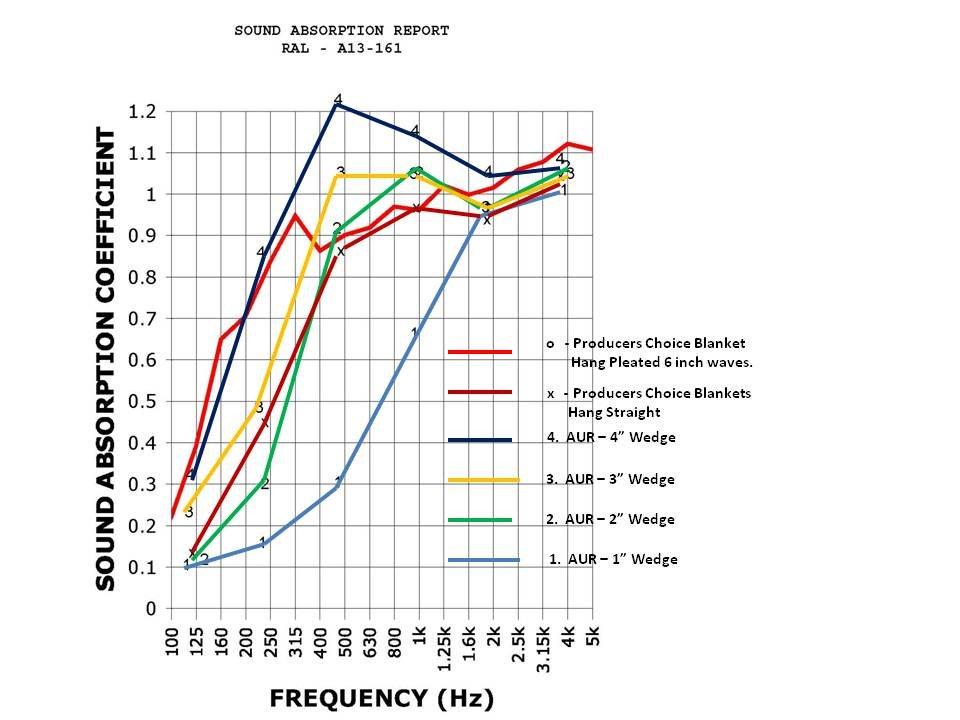
Hang Blankets for Sound Control
Ceiling-hung blankets reduce flutter echo and early reflections, which are common in untreated rooms.
Use moving blankets, acoustic blankets, or wool or cotton quilts for best results. Leave a 2 to 6 inch air gap between the blanket and ceiling to boost low-frequency absorption. Use multiple layers for better sound control across all frequencies.
Real-World Insight: Some hit songs were recorded with mattresses for absorption, but never hang a mattress. It’s too heavy and poses a serious safety risk.
Avoid Common Mistakes
Don’t Skip the Weight Check
Always use hardware rated for 2 to 3 times the blanket’s weight. A 5 pound blanket needs hooks rated for 10 to 15 pounds.
Never Block Safety Devices
Do not cover smoke detectors, vents, or lights. Suspend the blanket nearby but never over these essential safety devices.
Don’t Stretch Too Tight
A slightly loose drape absorbs more sound and looks more natural. Tight fabric creates unsightly tension and wrinkles.
Avoid Synthetic Fabrics for Acoustics
Polyester and fleece reflect sound rather than absorb it. They look good but perform poorly for sound control.
Maintain and Remove Safely
Clean and Rotate Regularly
Remove and machine-wash blankets when possible. Rotate monthly to prevent uneven fading from sunlight exposure. Inspect hooks and cords for wear.
Remove Without Damage
Pull Command hook tabs horizontally to release adhesive cleanly. Peel tape or putty slowly to minimize paint lift. For ceiling grid systems, untwist wires, remove the wood strip, and replace tiles gently.
Pro Note: UV exposure degrades natural fibers. Use UV-protective spray on cotton or linen blankets hung in sunny rooms.
Pick the Best Method for Your Use Case
Renter-Friendly Decor: Command Hooks + Binder Clips
This approach costs under $25, requires no holes, and removes completely. Best for dorms, apartments, or temporary transformations.
Bed Canopy: Rope Suspension or Pipe + Grommets
This provides elegant drape with customizable shape. Best for boho, fairycore, or romantic themes.
Soundproofing: Ceiling Track or Mic Stand Drape
This offers even support, retractability, and high performance. Best for podcasters, musicians, and voice actors.
Photography Backdrop: PVC Frame or Backdrop Stand
This delivers adjustable height and professional look. Best for content creators and home studios.
Office or Classroom: Wooden Strip + Wire Grid
This is invisible, secure, and reusable. Best for shared spaces with drop ceilings.
Emergency Setup: Gorilla Tape or Adhesive Strips
This is fast and cheap but may damage paint. Only use if you accept the risk.
Final Thoughts on Hanging Blankets From Your Ceiling
Hanging a blanket on the ceiling is simple when you match the method to your space, goal, and ceiling type. Focus on three things: safety (always anchor into joists, not drywall), reversibility (choose renter-friendly methods if you might move), and fabric performance (choose breathable materials for acoustics, heavy fabrics for light blocking).
Whether you’re softening sound for a podcast, creating a dreamy canopy for your bedroom, or building a portable photo backdrop, the ceiling is your canvas. Pick your method, gather your tools, and transform your space today.
Frequently Asked Questions About Hanging Blankets on Ceilings
Can I hang a blanket on a drop ceiling?
Yes, but only hang from the metal grid, never from the tiles themselves. Use a wooden strip and wire system to distribute weight evenly across the grid.
Will Command hooks hold a blanket on the ceiling?
Heavy-duty Command ceiling hooks can hold 3 to 5 pounds each. Use multiple hooks spaced 12 to 18 inches apart for even support. Avoid in humid environments.
What blanket material is best for sound absorption?
Cotton, wool, linen, and moving blankets are best for acoustic use. They are breathable and allow sound waves to penetrate and be absorbed.
How do I find ceiling joists without a stud finder?
Tap the ceiling with your knuckles. A solid thud indicates a joist. A hollow sound indicates drywall only with no structural support behind it.
Can I use a blanket for a bed canopy without drilling?
Yes. Use a freestanding backdrop stand, boom mic stand, or PVC frame. These require no ceiling contact and leave no damage.
How do I remove Command hooks without damaging the ceiling?
Pull the tab horizontally (straight out, not down) to release the adhesive cleanly. The hook will pop off without leaving residue or damaging paint.