Nothing beats snuggling under a soft, plush blanket, until it goes flat, stiff, or matted. Most fluffy blankets, from fleece to minky to faux fur, gradually lose their loft due to improper washing, drying, and storage. The good news? With the right care, you can keep a blanket fluffy for years. This guide reveals science-backed methods to preserve softness, prevent fiber damage, and restore fluff using techniques verified by textile experts and manufacturers.
You’ll learn how to wash without causing pilling, dry without melting fibers, store without inviting mildew, and revive a flattened blanket like new. Whether it is a budget polyester throw or a premium wool blanket, the principles are the same: gentle handling, smart additives, and heat-free drying.
Wash Blankets Separately From Other Laundry

Washing with other laundry might seem efficient, but it is a top cause of flattened, pilled blankets. When tossed with jeans, towels, or items with zippers, fluffy fabrics endure friction that tangles and breaks delicate fibers.
Why Solo Washing Matters
Blankets need space to move freely in water. Overcrowding restricts agitation, leading to uneven cleaning and clumped fibers. Washing alone ensures full water circulation, reduced pilling from abrasion, and no snagging on buttons or rough fabrics.
For oversized or heavy throws, use a high-capacity washer, preferably front-load or HE (high-efficiency). These machines use tumbling action instead of an agitator, reducing mechanical stress on fibers.
Use a Mesh Laundry Bag for Extra Protection
If your blanket tends to twist or you are washing multiple soft items together, place it in a large mesh laundry bag. This shields the surface from friction while allowing full water and detergent flow. The bag is ideal for minky, fleece, and faux fur materials.
Use Cold Water and Gentle Cycle Settings
Heat is the enemy of fluff. High water temperatures distort synthetic fibers, shrink natural ones, and accelerate stiffness.
Set Your Machine Correctly
Always select cold water (30°C / 86°F or lower) and the gentle, delicate, or hand-wash cycle. These settings minimize agitation and spin speed, protecting fiber structure. Even if the care label allows warm water, stick to cold as it preserves color, softness, and loft longer.
Hand Wash Delicate Fabrics Properly
Wool, cashmere, velvet, and some faux furs require hand washing. Fill a bathtub or sink with lukewarm water below 30°C and add mild detergent designed for delicates. Submerge the blanket and swish gently, avoiding any scrubbing, wringing, or twisting. Soak for 10-15 minutes, then drain and refill for rinsing. Repeat until water runs clear.
Choose Mild Detergent and Smart Additives
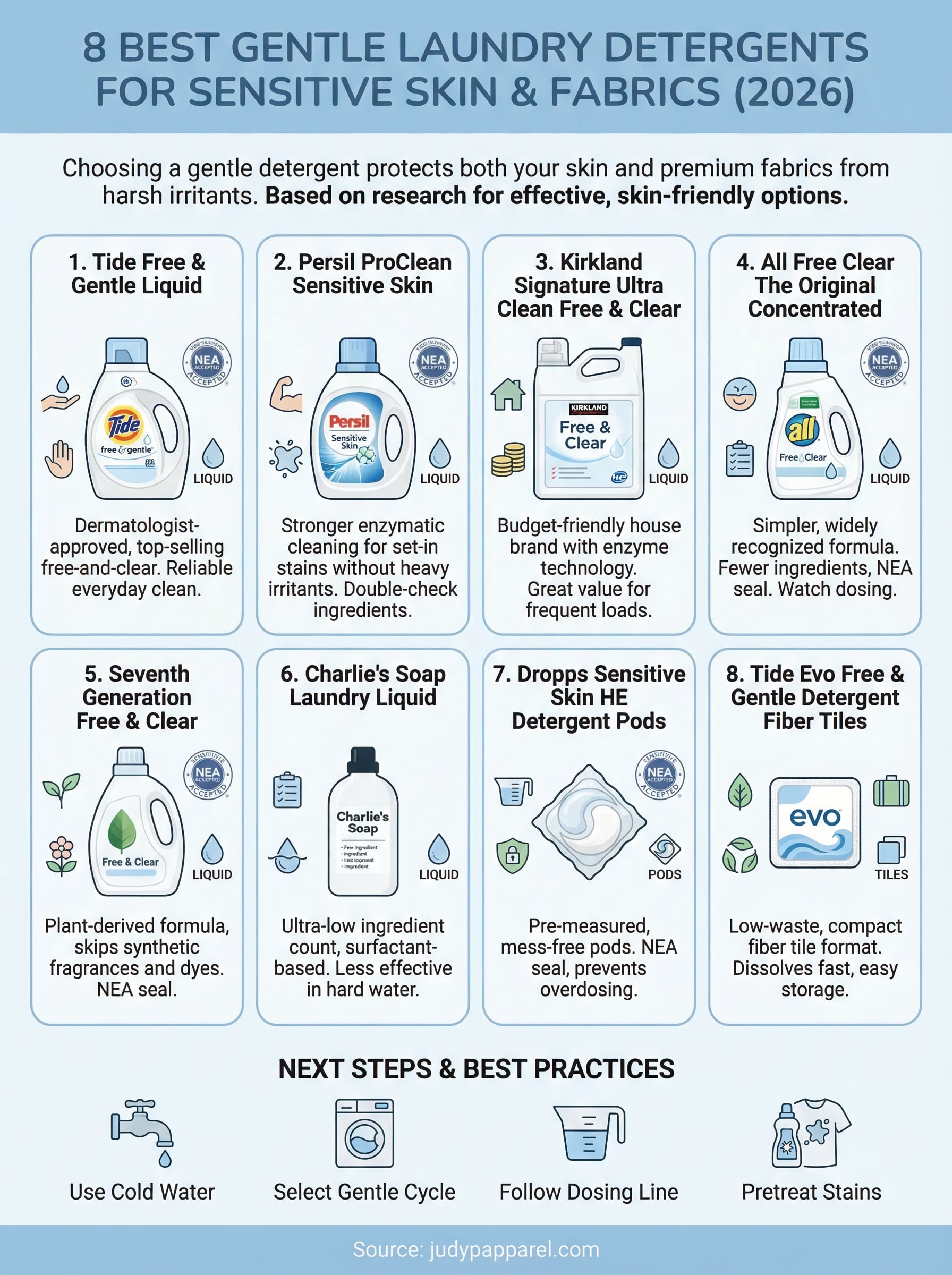
Harsh chemicals strip fibers, leaving them stiff and dull. The right detergent keeps your blanket clean without residue buildup.
Pick a Low-Residue Formula
Use a mild liquid detergent designed for delicates or sensitive skin. Avoid powder detergents (they do not dissolve fully), bleach (weakens fibers), and enzymes or optical brighteners (damage dyes and texture). Use half the recommended amount as excess detergent clings to fibers, attracting dirt and reducing softness.
Boost Results With Natural Additives
Add ½ to 1 cup white vinegar during the final rinse cycle. It dissolves detergent residue, neutralizes odors, and softens fibers naturally without harming fabric. Add ½ cup baking soda with detergent at the start of the wash cycle to balance pH, enhance cleaning power, and soften hard water. Never mix vinegar and baking soda directly as they react and lose effectiveness.
Skip Fabric Softeners Completely
Liquid softeners and dryer sheets coat fibers with a waxy layer that reduces breathability, attracts oils and dust, and causes long-term stiffness. Use vinegar or dryer balls instead for softness without the buildup.
Run an Extra Rinse Cycle Every Time
High-pile and synthetic fabrics trap suds easily. Leftover detergent weighs down fibers and invites grime.
Always select extra rinse if your machine offers it. This flushes out every trace of soap, ensuring your blanket dries light and airy rather than stiff or sticky.
Air Dry for Maximum Fluff Retention
Heat flattens fibers. Air drying is the single best way to preserve loft, especially for wool, minky, faux fur, and fleece materials.
Hang or Lay Flat to Dry
Hang on a clothesline using S-hooks or padded hangers to avoid stretching. Alternatively, lay flat on a drying rack to maintain shape. Avoid direct sunlight as UV rays fade colors and degrade fibers over time.
Flip and Shake for Best Results
Turn the blanket every few hours so both sides dry evenly. This prevents moisture pockets that lead to mustiness. Once fully dry, shake vigorously to instantly restore air pockets and bounce. For extra fluff, gently pull fibers apart by hand where needed.
Tumble Dry Safely When Air Drying Is Not Possible
If air drying is not practical, use the dryer but only with strict limits.
Use Low or No Heat Settings
Set the dryer to low heat or air-only (tumble) mode. Remove the blanket when 80% dry, then finish air drying to minimize heat exposure. High heat melts synthetic fibers, causing permanent flattening and brittleness.
Add Dryer Balls for Mechanical Fluffing
Toss in 2-3 wool or rubber dryer balls to separate fibers during tumbling, improve airflow, reduce static, and restore bounce. No dryer balls? Use clean tennis balls as a substitute. Never use dryer sheets as they leave a chemical coating that dulls fluff over time.
Wash at the Right Frequency
Washing too much wears out fibers. Too little leads to odor and buildup.
Follow This General Schedule
Wash blankets once per month under normal use. Wash every 1-2 weeks for heavy use involving pets, spills, or sweat. Spot clean between washes to extend time between full washes and prevent deep-set grime.
Spot Clean Stains Immediately
Treat stains by blotting (not rubbing) with cold water and mild soap. Rinse thoroughly and air dry. This approach prevents stains from setting and keeps your blanket fresh between washes.
Fabric-Specific Care Guidelines
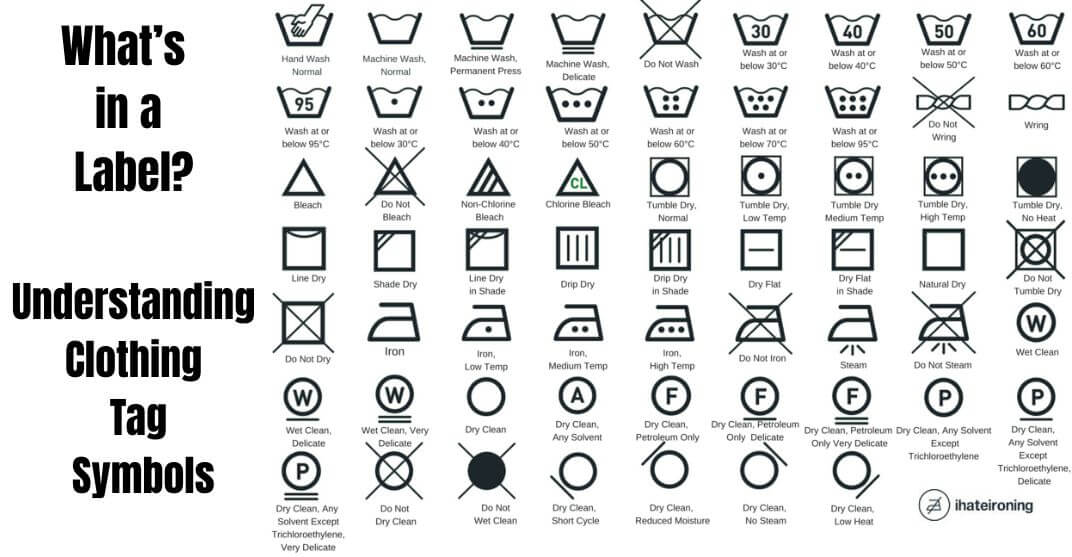
Different materials need different care. Follow these rules to keep each type fluffy.
Care for Synthetic Fabrics
Fleece and polyester blankets should be washed cold on gentle cycle, alone. Dry by air or low heat. Brush with a soft bristle after drying to lift fibers. Minky and plush require cold gentle washing in a mesh bag. Hang in shade to dry and gently brush the pile after drying. Acrylic plush needs cold water with mild detergent. Air dry or use low heat and avoid washing with rough fabrics that cause pilling.
Care for Natural and Specialty Fabrics
Wool requires hand washing only with wool-safe detergent. Lay flat on a towel to dry and reshape while wet. Never machine dry or wring. Faux fur needs hand washing or delicate cycle with cold water. Air dry only and brush with a wide-tooth comb or pet slicker brush when dry. Velvet should be hand washed or put on delicate cycle in cold water. Air dry only and iron inside out on low heat with a pressing cloth.
Perform Daily and Weekly Maintenance
Long-term fluff starts with daily habits.
Shake After Every Use
Give your blanket a vigorous shake when you get up. This releases trapped moisture, restores air pockets, and prevents fiber compression from body heat and weight.
Air Weekly to Refresh
Hang outdoors in indirect sunlight for 1-2 hours weekly to kill dust mites and bacteria, freshen fabric, and prevent musty odors. Avoid prolonged sun exposure as UV rays degrade fibers.
Store Properly to Prevent Flattening
How you store matters as much as how you wash.
Ensure Complete Dryness Before Storing
Any moisture leads to mildew and odor. Ensure 100% dryness before folding or rolling.
Use Breathable Storage Solutions
Use cotton storage bags, pillowcases, or ventilated plastic bins. Avoid sealed plastic bags that trap humidity. Fold or roll loosely to prevent permanent flattening. Never compress tightly.
Keep Off the Floor in a Cool, Dry Place
Store off the ground in a cool, dry, dark location. Avoid basements or attics with humidity swings. For seasonal storage, add cedar blocks, lavender sachets, or dried rosemary to deter moths and add freshness.
Restore a Flat or Stiff Blanket
Even well-cared-for blankets lose fluff over time. Try these revival tricks.
Vinegar Soak Method
Fill a tub with lukewarm water and add 1 cup white vinegar with mild detergent. Soak for 30 minutes, then rinse thoroughly. Vinegar breaks down residue that weighs down fibers.
Baking Soda Wash Boost
Add ½ cup baking soda to the wash cycle with detergent. It lifts odors and softens water, improving cleaning results.
Dryer Refresh Technique
Toss the blanket in the dryer on air-only mode with 2-3 dryer balls for 15-20 minutes. No washing needed, just instant fluff restoration.
Brush Pile Fabrics
Use a soft clothes brush, pet slicker, or wide-tooth comb to lift matted fibers, restore direction of pile, and remove surface dust. Brush in the direction of the fabric grain.
Apply Antistatic Spray
Lightly mist with fabric-safe antistatic spray to reduce cling, which attracts dirt and dulls texture over time.
Avoid Common Fluff-Killing Mistakes
Even small errors can ruin softness fast.
Never Use Hot Water for Washing
Hot water causes shrinkage and stiffness. Always use cold water regardless of fabric type.
Never High-Heat Dry
High heat melts synthetic fibers and causes permanent flatness. Use air dry or low/no heat settings only.
Never Wring When Wet
Wringing distorts shape and damages fiber structure. Press water out gently instead of twisting.
Never Wash With Abrasive Items
Jeans and towels cause pilling and snags. Wash alone or with similar soft items only.
Never Use Fabric Softener
Waxy buildup from softeners causes long-term stiffness. Use vinegar or dryer balls instead.
Never Store Damp or in Plastic
This leads to mold and musty smells. Dry completely and use breathable storage containers.
Frequently Asked Questions About Keeping Blankets Fluffy
How often should I wash my blanket to keep it fluffy?
Wash blankets once per month under normal use. Wash every 1-2 weeks if used heavily with pets, spills, or sweat. Spot clean between full washes to extend time between washing and prevent fiber degradation from over-washing.
Can I use fabric softener on fluffy blankets?
No. Fabric softeners coat fibers with a waxy layer that reduces breathability and causes long-term stiffness. Use white vinegar in the rinse cycle or wool dryer balls instead for softness without residue buildup.
What is the best way to dry a blanket without damaging it?
Air drying is safest. Hang on a clothesline or lay flat on a drying rack in indirect sunlight. If using a dryer, select low heat or air-only mode and remove when 80% dry. Add dryer balls to restore bounce during tumbling.
How do I restore a matted or flattened blanket?
Soak in lukewarm water with 1 cup white vinegar for 30 minutes, then rinse thoroughly. Alternatively, wash with ½ cup baking soda. After drying, brush pile fabrics with a soft-bristled brush or pet slicker. Finish with a dryer refresh on air-only mode with dryer balls.
Why does my blanket feel stiff after washing?
Stiffness usually comes from detergent residue, high heat drying, or fabric softener buildup. Run an extra rinse cycle, air dry instead of using heat, and avoid fabric softeners. Vinegar in the rinse cycle helps dissolve residue and restore softness.
Key Takeaways for Keeping Your Blanket Fluffy
Keeping a blanket fluffy is not complicated, it is consistent. Stick to cold water, gentle washing, air drying, and regular shaking. Use vinegar and baking soda instead of harsh chemicals or fabric softeners. Store loosely in breathable containers and refresh your blanket often. Whether it is a child’s favorite throw or a luxury faux fur, these steps will preserve softness, warmth, and that just-out-of-the-package feel for years to come. Treat your blanket with care, and it will keep you cozy in return.