Cats spend up to 16 hours a day sleeping, and they naturally seek out warm, enclosed spaces for rest. If you want to know how to make a cat bed with a blanket, you can create a cozy sleeping spot in under 10 minutes using items you already have at home. This DIY approach costs nothing, requires no sewing skills, and lets you customize the bed to match your cat’s specific preferences for softness, warmth, and security.
This guide covers five proven methods, from simple no-sew folds to creative repurposed designs. You’ll learn exactly which materials work best, how to encourage your cat to use the bed, and important safety tips to avoid common mistakes that could harm your pet.
Choose the Right Blanket for Your Cat Bed
Selecting the proper blanket is the foundation of a successful DIY cat bed. The right fabric ensures comfort, safety, and durability through repeated use and washing.
Best Fabrics for Cat Beds
The ideal blanket for a cat bed should be soft, warm, and safe for pet use. Fleece, cotton flannel, wool, and plush throws rank as top choices because they provide insulation without causing static or excessive shedding. Avoid scratchy synthetic fabrics that could irritate your cat’s skin or shed particles that attract hair and dust.
Size Guidelines by Cat Breed
A blanket measuring at least 30 inches by 30 inches works well for average-sized cats. Larger breeds like Maine Coons or Norwegian Forest Cats need blankets sized 36 inches by 48 inches or larger. Your cat should be able to stretch out fully or curl up tightly depending on their preferred sleeping position.
Scent and Safety Considerations
Cats respond strongly to familiar scents, so using a blanket that carries your smell increases the likelihood of immediate acceptance. Lightly worn blankets work particularly well for shy or newly adopted cats who need extra reassurance. Always check for loose threads, fraying edges, or chemical treatments that could pose safety risks.
Pro Tip: Keep two blanket beds on rotation so one can be washed while the other remains in use.
Quick No-Sew Nest Bed Method

This simple technique takes under 5 minutes and works especially well for cats who curl up tightly or for kittens who enjoy enclosed spaces.
Fold the Blanket Into a Bowl Shape
Creating a nest-style bed requires only a large blanket and a flat surface. Follow these steps to form a cozy depression that mimics a mother cat’s warmth.
- Lay the blanket flat on a non-slip surface like carpet or a yoga mat.
- Fold one corner toward the center to create a triangle shape.
- Repeat with the opposite corner, allowing them to overlap slightly.
- Fold the bottom edge upward to create a raised rim around the edges.
- Gently push the center downward to form a soft, bowl-like depression.
- Fluff the outer edges to build supportive walls that surround the sleeping area.
The finished result provides a snug, nest-style bed that makes your cat feel enclosed and secure. The raised edges offer a sense of protection that many cats instinctively seek when sleeping.
Add Extra Layers for Cold Weather
For deeper comfort and improved insulation during winter months, layer a second blanket around the edges and tuck it underneath the base layer. This adds height to the walls and creates additional warmth retention without requiring any sewing or special tools.
Pillow-Enhanced Blanket Bed for Extra Support

Cats with joint pain, older cats, or pets who prefer firmer support benefit from combining a pillow with blanket layers. This method creates a den-like space with gentle cushioning that relieves pressure on bones and joints.
Materials Needed
You will need one 30-inch by 40-inch blanket, one small pillow sized approximately 12 inches by 16 inches, and optionally a pillowcase to protect against fur and spills. Choose a pillow with medium firmness rather than overly soft or flat options.
Build the Bed in Four Steps
- Fold the blanket in half to create a double-layered base for added softness.
- Place the pillow in the center of the folded blanket.
- Bring each corner of the blanket up and over the pillow, tucking the fabric underneath to secure it in place.
- Adjust one side to leave a soft opening for easy entry and exit.
The pillow serves as a supportive base while the blanket forms soft, huggable walls around your cat. This combination mimics the feeling of sleeping against a supportive surface while retaining all the warmth and comfort of fabric.
Add Safe Warmth for Cold Days
On particularly cold days, place a microwave-heated rice sock beneath the pillow. Heat the sock for 60 seconds, then test the temperature with your hand before allowing your cat near it. Never allow direct contact with heating elements and avoid electric blankets due to chew hazards and overheating risks.
Blanket-and-Box Hybrid Design
Many cats love boxes because they offer privacy and security. Combining that instinct with soft fabric creates an irresistible sleeping spot that cats find difficult to ignore.
Build the Enclosed Den
This hybrid design requires a sturdy cardboard box at least 2 inches taller than your cat when lying down, one or two blankets, and scissors for trimming any excess flaps.
- Remove or fold down any loose flaps from the top of the box.
- Fold a blanket to fit the bottom of the box as a base layer.
- Drape a second blanket over the top edges of the box.
- Tuck loose fabric into the sides to secure it in place.
- Cut a 6 to 8 inch doorway on one side if your cat prefers easier access.
The blanket lining softens the hard cardboard while the box structure provides the enclosed feeling cats love. Place this hybrid bed near a heat source like a sunny window or radiator, but never directly against heating elements.
Create a Hooded Cave Effect
For timid or anxious cats who enjoy burrowing, drape a small towel or piece of fleece partially over the top of the box, covering one side to create a cave-like entrance. This mimics the dark, enclosed spaces cats naturally seek in the wild.
Repurpose a Sweater Into a Cat Bed

Old sweaters and hoodies make excellent cat beds because their natural shape already resembles a curled sleeping cat. This creative reuse project works especially well for small to medium cats who enjoy tight spaces.
Construct the Pouch Bed
Gather a medium or large sweater or hoodie, soft stuffing material like foam scraps or pillow filling, needle and thread or fabric glue, and scissors.
- Lay the sweater flat and sew or glue the bottom hem shut to close the opening.
- Close the sleeve ends with stitches or knots to prevent stuffing from escaping.
- Lightly stuff the body and arms with your chosen material to form cushioned sides.
- Fold the bottom section upward to create raised walls around the sleeping area.
- Place a soft towel or small blanket inside the front pocket or chest area for added comfort.
The sleeves act as natural side supports while the body of the sweater forms a cradling shape. Button-up cardigans can remain open as a flat mat or be fastened into a cocoon-style nest depending on your cat’s preference.
Design Hack for Hooded Sweatshirts
Using a hooded sweatshirt lets you create an even more enclosed space. Simply prop the hood upright like a tent opening to provide additional enclosure and shadow similar to a natural hiding spot.
Elevated Hammock-Style Blanket Bed
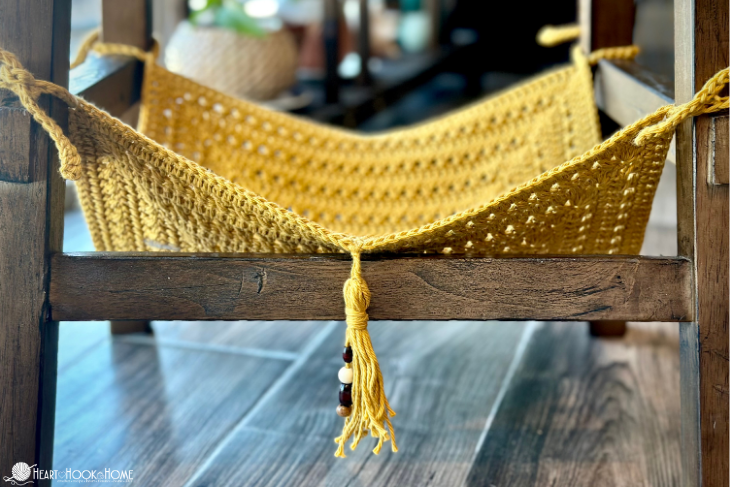
Cats naturally gravitate toward height because it provides safety and vantage points for observing their territory. A hammock-style bed attached under a table or shelf gives your cat an elevated resting spot while freeing up valuable floor space.
Install the Hanging Bed
This project requires stretch-resistant fabric like heavy fleece, canvas, or denim, two wall brackets or sturdy shelf supports, Velcro strips or zip ties, and scissors.
- Cut the blanket to approximately 24 inches by 36 inches, adjusting to fit your specific space.
- Hem the edges with fabric glue or stitching to prevent fraying over time.
- Attach Velcro or looped straps to each short end of the blanket.
- Mount brackets under a table or between furniture pieces at a height your cat can easily reach.
- Secure the blanket ends to the brackets using your chosen fasteners.
- Adjust the tension so the center sags slightly, forming a cradle shape rather than a flat surface.
- Line the hammock with a softer towel for paw comfort.
Critical Safety Requirements
Ensure all hardware is tightly secured and rated to support at least 20 pounds before introducing your cat. Test the installation with weight before allowing your cat to use it. This design is not suitable for elderly cats or those with mobility issues who may have difficulty accessing elevated spots.
Encourage Your Cat to Use the New Bed
Creating the bed is only half the battle. Getting your cat to actually use it requires understanding feline instincts and preferences.
Use Familiar Scents
Rub the blanket on your clothing or let it sit on your lap before setting up the bed. Your scent makes the bed feel safe and inviting, which is especially important for cats who are adjusting to a new home or showing shy behavior.
Add Catnip or Silvervine
Sprinkle a small amount of catnip, silvervine, or valerian root inside the bed during the introduction period. These natural attractants increase curiosity and encourage your cat to investigate and eventually settle into the new sleeping spot.
Place the Bed in the Ideal Location
Cats avoid high-traffic zones and noisy areas. Ideal placement includes spots near sunny windows where warmth naturally accumulates, beside heaters but not directly touching them, in quiet bedrooms or closets, or close to family activity but out of the main foot traffic path. Watch where your cat already sleeps naturally, as this provides the best clue for optimal bed placement.
Avoid Common DIY Cat Bed Mistakes
Several well-intentioned choices can undermine your efforts to create a comfortable cat bed. Understanding these pitfalls helps you create a bed your cat will actually use.
Skip Slippery Fabrics
Silky or smooth blankets slide when your cat scratches or moves, creating discomfort and instability. Place smooth blankets on carpeted surfaces or add a non-slip mat underneath to prevent sliding.
Never Leave Loose Ties
If using ribbons or strings to secure corners, tie them loosely and trim excess length. Loose strings pose entanglement risks that could injure your cat. Tucking fabric ends and securing them with simple knots works more safely than dangling ties.
Get the Size Right
A bed that is too small forces your cat to hang paws or tails off the edge, indicating discomfort. The minimum sleeping area should be 18 inches by 18 inches, though larger is always better for stretched-out sleeping positions.
Avoid Over-Folding
Tightly packed folds create rigid structures that restrict movement and reduce softness. Aim for gentle, plush walls that give when your cat lies down rather than stiff ridges that feel confining.
Clean and Maintain Your Blanket Cat Bed
Regular cleaning keeps the bed fresh and hygienic while extending its useful life.
Establish a Rotation System
Keep two blanket beds available so one can be in use while the other gets washed. This prevents your cat from being without their preferred sleeping spot during cleaning.
Follow Proper Washing Instructions
Machine wash on gentle cycle using pet-safe detergent. Use cold or warm water since hot water can shrink fleece or wool materials. Air dry or tumble dry on low heat to prevent damage to the fabric. Inspect weekly for tears, loose threads, or excessive wear that might require replacement.
When to Consider Store-Bought Alternatives
While DIY blanket beds work well for many cats, some pets prefer structured support. Commercial beds can be enhanced with homemade blanket layers to combine the best of both approaches.
The Petmate Oval Foam Bed works well for cats up to 12 pounds when topped with a fleece-lined pillow. The Aspen Pet Self-Warming Bed features a reflective layer that retains body heat, making it ideal for winter months or drafty homes when paired with a soft blanket inside the cover.
Key Takeaways for Making a Cat Bed with a Blanket
Creating a cat bed from a blanket requires no special tools, expensive materials, or previous crafting experience. The five methods outlined range from simple 5-minute folds to more involved projects using repurposed clothing or elevated installations. Choosing the right blanket involves prioritizing softness, appropriate sizing, and familiar scents that appeal to feline instincts.
Regardless of which method you choose, the most important factor is observing your cat’s reaction and adjusting accordingly. Some cats immediately accept nest-style beds while others prefer flat surfaces or enclosed spaces. Testing different styles, placements, and scents helps you discover what your specific cat prefers.
Start with the simple no-sew nest method, watch how your cat responds, and make incremental improvements based on their behavior. The best cat bed is the one your cat cannot resist using, and that discovery process becomes part of the joy of caring for your feline companion.
Frequently Asked Questions About Making a Cat Bed with a Blanket
What is the best blanket material for a cat bed?
Fleece, cotton flannel, wool, and plush fabrics work best because they offer softness, warmth, and durability. Avoid synthetic materials that shed excessively or create static, and never use fabrics with toxic dyes or chemical treatments.
How long does it take to make a no-sew cat bed?
The basic no-sew nest method takes approximately 5 minutes from start to finish. More elaborate designs like the pillow-enhanced or sweater repurposing methods may take 15 to 20 minutes including preparation time.
How do I get my cat to use a new blanket bed?
Rub the blanket on your clothing to transfer your scent, sprinkle catnip or silvervine inside the bed, and place it in a quiet location near where your cat naturally sleeps. Patience is key, as some cats take days or weeks to accept new sleeping spots.
Can I use an electric blanket for my cat bed?
Electric blankets are not recommended due to chew risks and overheating hazards. Instead, use microwaveable heating pads placed beneath the bedding, or position the bed near a safe heat source like a sunny window.
How often should I wash my cat’s blanket bed?
Rotate between two beds so one can be washed while the other is in use. Wash used beds every one to two weeks, or more frequently if your cat soils the bed or has skin sensitivities.
What size blanket do I need for my cat?
A minimum of 30 inches by 30 inches works for average cats. Larger breeds require 36 inches by 48 inches or larger to allow full stretching or curling depending on preference.