Nothing comforts a dog quite like a soft, warm blanket made just for them. Whether you need one for chilly nights, travel, or helping an anxious pup feel safe, a fleece dog blanket is practical, cozy, and surprisingly easy to craft. The best part? You do not need a sewing machine. With just two pieces of polar fleece and a pair of sharp scissors, you can create a durable blanket in under an hour. This guide walks you through three proven methods, from beginner-friendly knotted fringe to professional sewn edges, so you can choose the right style for your dog and your skill level.
Choose the Right Fleece Fabric
Selecting the correct fleece makes or breaks your blanket project. The wrong fabric will stretch, wear poorly, or fail to provide adequate warmth.
Pick Heavyweight Polar Fleece
Choose 100 percent polyester polar fleece in medium or heavyweight weights. Lightweight fleece stretches too easily, especially when cut into fringe, and will not hold up to washing or active dogs. Heavyweight fleece offers better shape retention, warmth, and durability that your dog can rely on for years.
Pre-Wash Before Cutting
Always pre-wash and dry your fleece using cold water and mild detergent. Skip fabric softener because it coats fibers, reducing breathability and fire resistance. Dry on low heat to prevent shrinkage later. This step ensures your finished blanket stays the same size after its first wash and every wash thereafter.
Remove Selvages for Clean Edges
Cut off both selvage edges, which are the tightly woven borders with labels or perforations. These edges can curl or wear differently than the main fabric, leading to uneven finished edges. Removing them gives your blanket a clean, professional look that rivals store-bought items.
Measure and Cut to Fit Your Dog
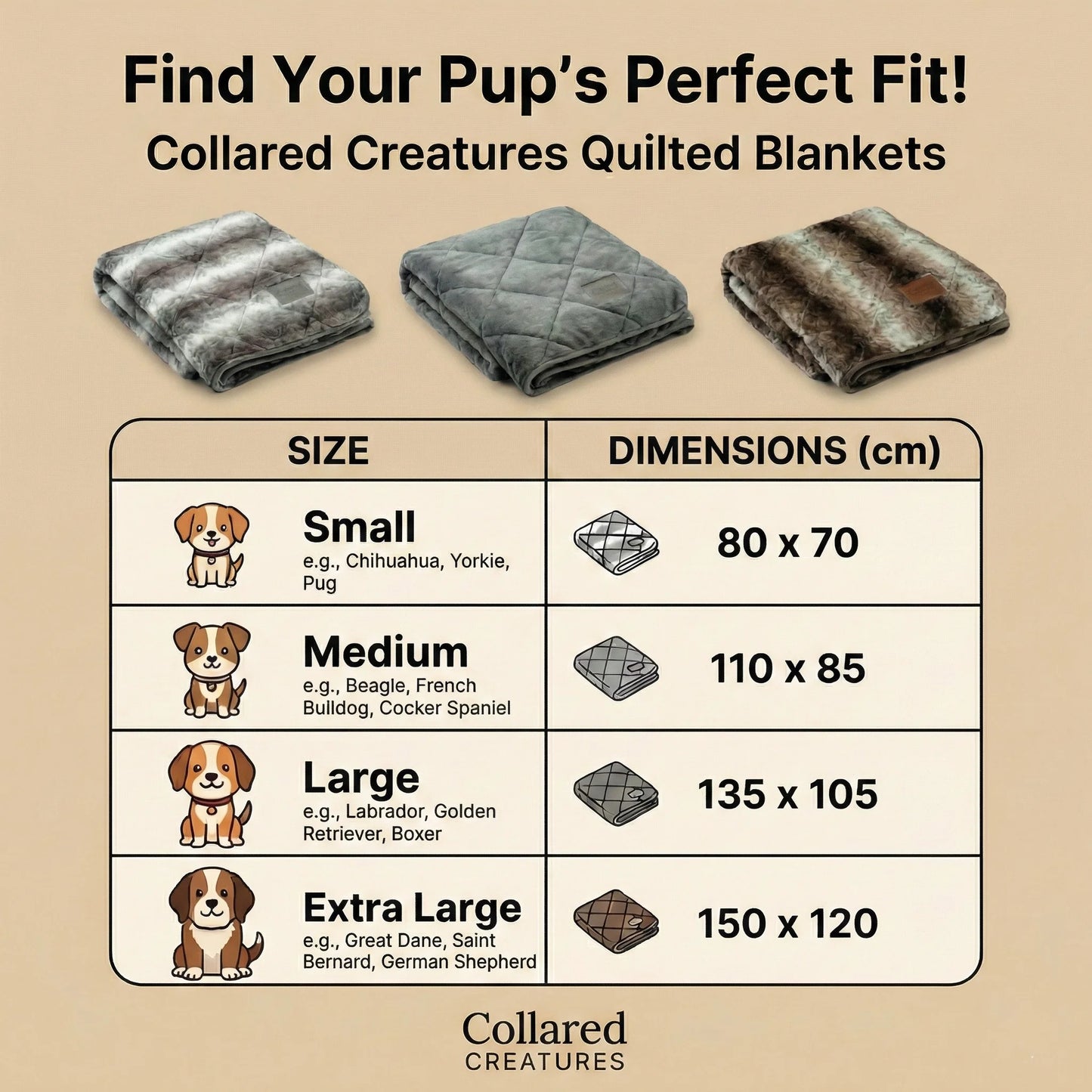
Getting the right size matters for comfort and functionality. A blanket that is too small will not cover your dog properly, while one that is too big may bunch up in a crate.
Use Standard Sizes by Breed
Dog size determines how much fleece you need. Small dogs like Chihuahuas and Pomeranians need 36 by 36 inch pieces that finish at 24 by 24 inches. Medium dogs like Beagles and Cocker Spaniels need 48 by 48 inch pieces finishing at 30 by 36 inches. Large dogs like Labradors and German Shepherds need 60 by 60 inch pieces finishing at 42 by 52 inches.
One yard of 60-inch-wide fleece cuts into two 36 by 36 inch squares, perfect for small dogs or creating two blankets at once.
Customize for Comfort
Measure from your dog’s neck base to tail base, then add 6 to 12 inches for tucking and movement. For crate use, match the blanket size to the crate floor exactly. A well-fitted blanket prevents bunching and keeps your dog cozy in any situation.
No-Sew Knotted Fringe Method
This beginner-friendly method requires no tools beyond scissors and produces a finished blanket in 30 to 60 minutes. It works perfectly for gifts, shelter donations, or crafting with children.
Cut Identical Fleece Panels
Lay two matching fleece pieces wrong sides together. Use a rotary cutter and ruler for straight edges, or sharp fabric scissors for a simpler approach. Cut both layers at once to ensure perfect alignment throughout the project.
Trim Corners to Reduce Bulk
Cut a 3 to 4 inch square from each corner of both layers. This removes excess fabric that would make knotting difficult and creates a neater edge that lies flat when tied.
Cut One-Inch Fringe Strips
Along all four sides, cut one-inch-wide strips that are 3 to 4 inches deep. Make sure opposite sides have the exact same number of strips for balanced appearance. Cut through both layers together for consistency and easier tying.
Tie Double Knots Around the Edge
Take one strip from the top layer and one from the bottom layer. Tie them in a double knot, pulling snug but not tight because over-tightening stretches the fabric. Start with the corners to stabilize the blanket, then work your way around the perimeter.
Pro Tip: Use a Lark’s Head loop knot for a flatter finish. Fold the top strip down, pass both ends through the loop, and pull tight. This creates a neater appearance that resists loosening.
No-Sew Interlocking Fringe Method
This method produces a more polished, durable edge without sewing. It takes about 60 minutes and creates a blanket that survives dozens of machine washes.
Mark Diagonal Guide Lines
Place painter’s tape diagonally from corner to corner across the blanket. This line tells you exactly where to stop cutting the fringe, preserving the center area for interlocking.
Cut Fringe to 3 to 4 Inches
Cut one-inch-wide strips along all edges, stopping at the tape. Cut through both layers at once for perfect alignment. Depth should be consistent at 3 to 4 inches for best results.
Make Half-Inch Slits in Each Strip
At the half-inch mark of each fringe strip, cut a half-inch slit parallel to the main cut. This creates a hole for looping that forms the secure interlock.
Pull Tips Through to Lock Loops
Fold the tip of one strip and insert it through the slit in the adjacent strip. Pull gently until it forms a secure loop. Repeat all the way around the entire blanket edge.
Result: A smooth, tangle-free edge with contrasting color peeking through, and no knots to loosen over time.
Sewn Fleece Blanket with Binding

This method produces the most professional-looking and durable blanket. It takes 2 to 3 hours and requires a sewing machine, but the result withstands heavy use, washing, and even determined chewers.
Cut Four-Inch Binding Strips
Use cotton fabric or pre-made 7/8-inch double-fold bias tape. If making your own, cut 4-inch-wide strips perpendicular to the selvage. Join strips at 45-degree angles to reduce bulk, then fold in half lengthwise and press.
Attach Binding with Mitered Corners
Start sewing the binding about 6 to 8 inches from one end. Align the raw edge with the blanket’s edge. Sew along the inner fold, about one-quarter inch from the edge.
At each corner, stop one inch before the edge, backstitch, and lift the presser foot. Fold the binding up at a 45-degree angle, then back down along the next side. Resume sewing from the edge. Finish by overlapping the binding ends by 2 inches, trimming excess, and securing with stitches.
Press for a Crisp Finish
Iron the binding and mitered corners gently. This gives your blanket a polished, store-bought look that makes it suitable for gifting.
Add Functional Upgrades
Customize your blanket with features that increase its usefulness for your specific situation.
Include a Carry Strap
Cut a 25-inch strip from leftover binding material. Fold and sew into a strap. Attach VELCRO sew-on tape to the strap and blanket. This makes it easy to roll and carry the blanket to vet visits, travel, or outdoor adventures.
Personalize with Patches or Embroidery
Add your dog’s name with iron-on letters or hand embroidery. Use themed fleece featuring bones or paw prints for a fun touch. Avoid buttons or small beads because they can be chewed off and pose choking hazards.
Create a Snuggle Sack
Leave the center unknotted when using the knotted fringe method. Small dogs love burrowing into the loose middle for a den-like feel that provides extra security and warmth.
Choose the Right Design for Your Dog
Matching the blanket style to your dog’s behavior ensures safety and longevity.
Avoid Fringe for Chewers
If your dog likes to mouth fabric, skip knotted or interlocked fringe options. Opt for a plain edge or sewn binding to prevent ingestion of tassels that could cause intestinal blockages.
Use Bound Edges for Long-Term Use
Sewn blankets with cotton binding resist fraying, washing, and chewing. This makes them best for active or large breeds like Huskies or Labs that put blankets through heavy wear.
Pick Interlocking for Shelters
Animal shelters need durable, machine-free projects. The no-sew interlocking method produces tight, knot-free edges that survive dozens of washes, making it ideal for donation.
Wash and Care for Longevity
Proper care extends your blanket’s life significantly.
Wash Before First Use
Remove manufacturing residues by washing the blanket in cold water with mild detergent. Dry on low heat or air dry before giving it to your dog.
Skip Fabric Softener
Fabric softener coats fleece fibers, reducing breathability and warmth. Instead, use a dryer sheet or anti-static spray if static becomes a problem.
Repair Snags Quickly
Trim loose threads or snags with scissors immediately. For larger tears, patch with fusible webbing and matching fleece to prevent further damage.
Store Clean and Dry
Prevent mildew by storing the blanket in a dry place. Never leave it damp in a crate or carrier after use.
Customize for Special Needs
Tailor your blanket to serve specific purposes beyond basic warmth.
Calm Anxiety with Familiar Scents
Let your dog sleep with the blanket for a few nights before travel. Your scent transferred to the blanket helps reduce stress during vet visits or boarding stays.
Support Senior Dogs
Use extra-soft fleece for older dogs with joint pain. Pair with a memory foam pad underneath for added comfort and support.
Gift with Purpose
Make personalized blankets for friends, rescue groups, or pet loss support circles. A handmade blanket carries emotional value far beyond its material cost.
Build Time and Cost Estimates
Understanding the investment helps you plan your project properly.
| Method | Time Required | Skill Level | Cost Range |
|---|---|---|---|
| Knotted Fringe | 30 to 60 minutes | Beginner | $10 to $15 |
| Interlocking Fringe | 60 minutes | Intermediate | $12 to $16 |
| Sewn with Binding | 2 to 3 hours | Intermediate | $15 to $20 |
Fleece costs $5 to $10 per yard. One yard makes one medium blanket or two small ones, making this an affordable project for any budget.
Safety Tips You Cannot Ignore
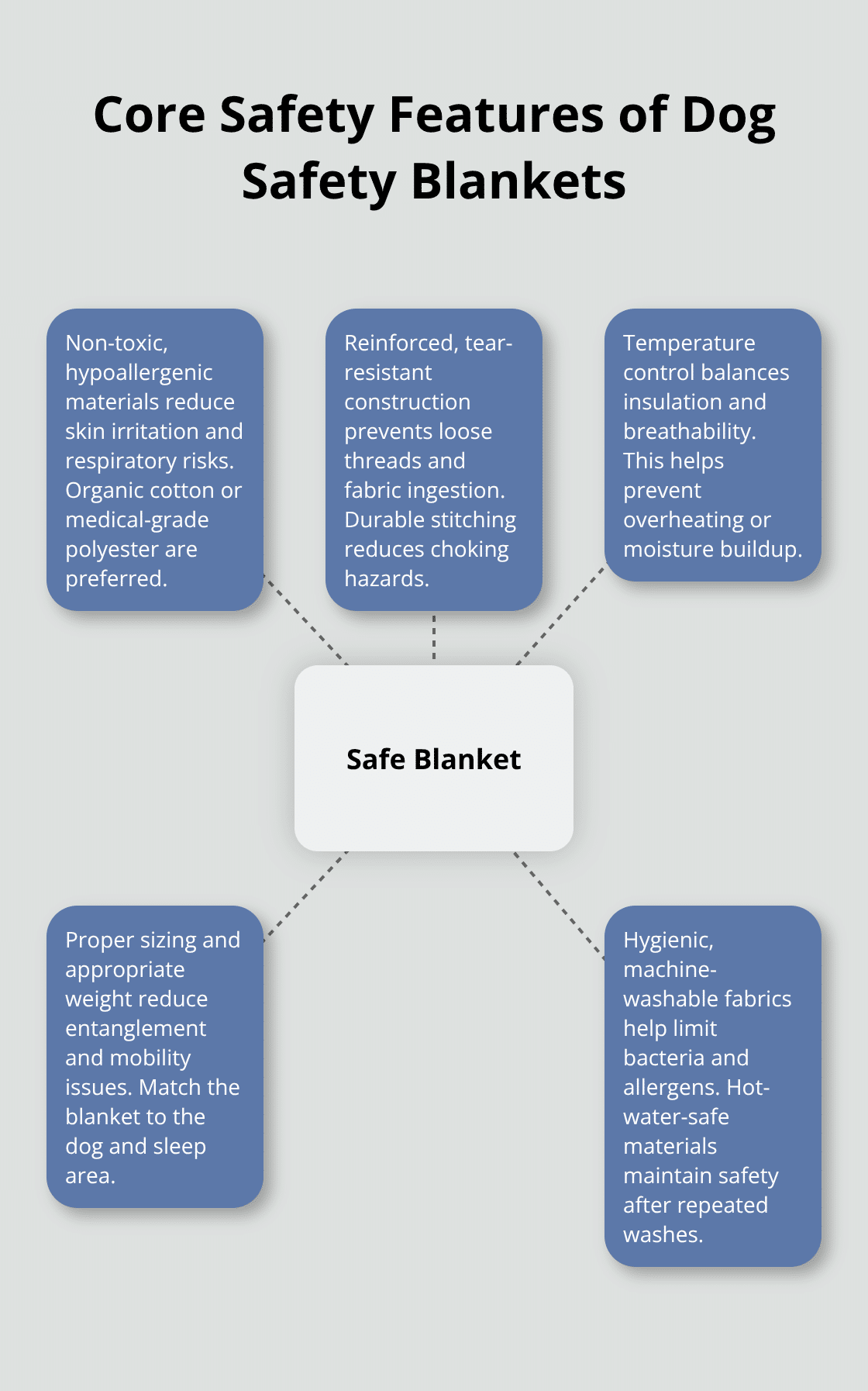
Dog safety must be the top priority when making textile items for pets.
Trim All Loose Threads
Even small strands can be chewed and swallowed, causing digestive issues. Inspect the blanket after each wash and trim any threads that have come loose.
Supervise First Use
Watch your dog interact with the new blanket. If they start unraveling or chewing it aggressively, switch to a bound or plain edge design immediately.
Avoid Decorative Add-Ons
Skip buttons, ribbons, or beads entirely. They are choking hazards if your dog manages to detach them from the blanket.
Stop Use if Damaged
Discard or repair torn blankets right away. While fleece does not fray, holes can grow larger with continued use and washing.
Donate and Share the Love
Animal shelters and rescue groups welcome fleece blanket donations. They provide comfort during transport, quarantine, and the stress of adoption events.
Organize a group project with scouts, schools, or craft clubs to maximize impact. Pre-cut kits make it easy for volunteers to contribute without special skills.
Bonus: Use leftover corner squares to make knotted dog toys or patchwork pet mats that shelters also desperately need.
Frequently Asked Questions About Making Dog Blankets from Fleece
What type of fleece is best for dog blankets?
Heavyweight 100 percent polyester polar fleece works best. It provides excellent warmth, resists pilling, and holds up to machine washing. Avoid lightweight fleece because it stretches too easily and wears out quickly, especially in no-sew designs.
Do I need a sewing machine to make a fleece dog blanket?
No, two popular methods require no sewing at all. The knotted fringe method uses simple double knots to secure the layers. The interlocking fringe method uses slits and loops to create a secure edge. Both produce functional blankets in under an hour.
How do I choose the right size blanket for my dog?
Measure from your dog’s neck base to tail base, then add 6 to 12 inches for tucking and movement. For crate use, match the blanket to the crate floor exactly. Small dogs need finished sizes around 24 by 24 inches, medium dogs need 30 by 36 inches, and large dogs need 42 by 52 inches.
Can I wash a fleece dog blanket in the washing machine?
Yes, fleece is machine washable. Use cold or warm water with mild detergent. Skip fabric softener because it coats the fibers and reduces warmth. Tumble dry on low heat or air dry to prevent fiber damage.
Which method is best for a dog that chews blankets?
Avoid any fringe, knots, or loose edges if your dog chews. Choose a sewn blanket with bound edges or a plain cut edge with no decorative elements. This eliminates anything your dog could pull off and swallow.
Key Takeaways for Making a Durable Fleece Dog Blanket
Creating a handmade fleece dog blanket is more than a craft project. It is a gesture of love that provides your dog with warmth, comfort, and security for years to come. The right method depends entirely on your situation. Beginners should start with the knotted fringe method for a quick, satisfying project that requires no tools. Those wanting durability should choose the sewn binding method that withstands heavy use and washing. The interlocking fringe method offers a middle ground with professional appearance and excellent durability without any sewing.
Regardless of which method you choose, always prioritize your dog’s safety by supervising initial use, avoiding small decorations, and repairing damage promptly. With proper care, a well-made fleece blanket lasts 1 to 3 years and becomes a cherished comfort item your dog relies on every day.