Packing a blanket might seem like a simple chore, but doing it right makes a big difference. Whether you’re tucking it into a suitcase, storing it seasonally, or draping it over your sofa, the way you pack affects its longevity, accessibility, and even your room’s aesthetic. The right method keeps your blanket wrinkle-free, fluffy, and ready to use without becoming a tangled mess.
In this guide, you’ll learn how to pack a blanket for any situation, from tight under-bed storage to stylish couch displays. We’ll cover folding, rolling, and creative display techniques tailored to material type and space needs. By the end, you’ll know exactly which method to use for Minky throws, wool blankets, travel fleeces, and more so you save space, avoid damage, and elevate your home style with ease.
Fold for Storage: Neat and Stackable Methods
When you need blankets stored cleanly in a closet or bin, folding is your go-to method. These techniques maximize space and keep stacks tidy.
Classic Fold: Simple and Space-Saving
The classic fold works best for large or thick blankets like fleece, Minky, or wool throws. It creates a compact rectangle perfect for stacking in linen closets or under-bed bins.
Steps:
- Lay the blanket flat on a bed or clean floor.
- Fold in half lengthwise, smoothing out wrinkles.
- Rotate 90 degrees.
- Fold in half again across the width.
- Repeat folding in half or into thirds until you reach a manageable size.
Pro Tip: For oversized blankets, fold one extra time to reduce bulk. This method is ideal for ottoman storage and keeps your blanket ready for guest rooms.
Avoid If: You’re storing delicate synthetics long-term. Deep folds can leave creases that become permanent.
Tri-Fold Method: Flat and Uniform
This technique creates a slim, layered shape that slides easily into drawers or deep shelves. It’s perfect for tight spaces where you need every inch of room.
Steps:
- Spread the blanket flat on a smooth surface.
- Fold one-third inward from the left side.
- Fold the right third over it, like folding a business letter.
- Fold in half or into thirds again if needed.
- Secure with a fabric tie for a polished look.
Storage Hack: Use shelf dividers to keep tri-folded stacks upright and visible. This prevents one blanket from hiding another and makes grab-and-go access simple.
Square Fold: Perfect for Display Shelves
Want your blanket stash to look Instagram-ready? The square fold delivers crisp, uniform blocks ideal for minimalist organization in open shelving or glass-front cabinets.
Steps:
- Unfold completely and lay flat.
- Fold widthwise in half, then in half again.
- Fold one short end toward the other to form a square.
- Adjust corners by hand for even edges.
Design Tip: Store vertically, file-style, so each blanket is visible at a glance. This works beautifully in linen closets where you want to see everything without digging.
Roll for Compactness: Travel and Tight Spaces
Rolling beats folding when space is limited. It minimizes creases, compresses bulk, and works great for suitcases or decorative baskets.
Tight Roll Method: Maximize Space
This is the gold standard for travel and small apartments. Rolling removes air pockets and prevents deep wrinkles better than folding.
Steps:
- Lay the blanket flat.
- Fold in half lengthwise to reduce width.
- Optionally, fold in half widthwise for oversized blankets.
- Begin rolling tightly from one short end, smoothing as you go.
- Keep pressure consistent to form a tight cylinder.
- Secure with a Minky Keeper, Velcro strap, or fabric tie.
Why It Works: Rolling is especially effective for plush materials like Minky or sherpa. It preserves loft better than folding and keeps fibers fluffy.
Travel Tip: Place rolled blankets at the top of your suitcase to avoid crushing. They work perfectly as cushioning for fragile items while saving space.
Vera Bradley Pouch Fold: Self-Contained and Portable
If your blanket has an attached pouch, this method turns it into a secure, pillow-sized bundle. No extra ties needed.
Steps:
- Lay blanket flat with pouch facing down.
- Fold in half lengthwise.
- Fold in half again from top to bottom.
- Flip over so the pouch is now on top.
- Reach into the pouch and pull the entire folded blanket through.
- Tuck any loose ends for a clean finish.
Result: A compact, closed package that doubles as a travel pillow. This is perfect for road trips, plane rides, or picnic adventures.
DIY Option: Sew a small fabric pouch onto any lightweight throw to replicate this function with blankets you already own.
Pillow Method: Fold Into a Decorative Bundle
This clever technique works for medium-weight throws and turns storage into style. The blanket literally becomes a pillow-like accent.
Steps:
- Lay blanket flat.
- Fold in thirds lengthwise.
- Start rolling from one short end.
- Stop about one-third from the end.
- Tuck the roll into the open flap to create a self-contained pocket.
Bonus Use: Doubles as a decorative accent on shelves or sofas. This method is best for fleece, cotton, or Sorbet-style throws that have some weight to them.
Drape for Style: Display With Purpose
Your blanket doesn’t have to be hidden away. These methods turn it into a design feature while keeping it accessible for daily use.
Tidy Blanket Method: Sofa-Ready Fold
Perfect for daily use, this fold looks neat and unfurls easily when someone wants to snuggle up. It balances functionality with style.
Steps:
- Fold blanket into thirds lengthwise.
- Fold in half widthwise.
- Drape diagonally over the back or arm of a couch.
- Place a throw pillow on top to hold it in place.
Style Hack: Use contrasting textures. A knit blanket over leather sofa adds visual depth and interest to your living space.
Ideal For: Living rooms, reading chairs, and guest beds where you want quick access without a messy appearance.
Accordion Fold: Shelf Display and Quick Access
Also known as the fan fold, this method keeps blankets visible and easy to grab. It’s great for frequently used throws that you want to showcase.
Steps:
- Lay blanket flat.
- Fold back and forth in 6 to 12 inch sections.
- Gently compress and stand upright on a shelf.
- Place horizontally at the foot of a bed or in a basket.
Design Perk: Adds warmth and texture to minimalist spaces. The layered look creates visual interest without clutter.
Storage Tip: Rotate folds every few months to prevent permanent creases from forming in the same spots.
Toss Method: Effortless Coziness
Sometimes messy looks intentional and inviting. The toss method gives off a lived-in, cozy vibe with zero effort.
Steps:
- Fold blanket in half.
- Gently drape over a chair, ottoman, or couch back.
- Let one side hang slightly longer for asymmetry.
Pro Tip: Avoid over-smoothing. Slight rumpling enhances comfort and makes the space feel more welcoming.
Best With: Plush or chunky knit throws on neutral furniture. The texture does the heavy lifting for your room’s aesthetic.
Knot Method: Boho-Chic Accent
Add personality with a simple knot. This trendy style works best with lightweight cotton or knit throws.
Steps:
- Fold blanket in half lengthwise.
- Drape over furniture.
- Tie one end in a loose knot at the front or side.
Design Rule: Use on simple, monochrome sofas so the knot stands out. It becomes a focal point rather than blending in.
Interior Bonus: Brings movement and softness to angular furniture pieces.
Cascade Method: Luxury Drape
For formal rooms or photo-ready interiors, the waterfall drape adds elegance and drama. It transforms any blanket into a statement piece.
Steps:
- Fold blanket lengthwise into quarters.
- Drape over the back of a couch or chaise.
- Gently fan out layers to create a flowing, cascading effect.
Best Materials: Faux fur, Minky, or velvet blankets. These heavier fabrics hold the fold beautifully.
Visual Impact: Softens hard furniture lines and draws the eye across the room.
Special Care: Faux Fur and Plush Blankets
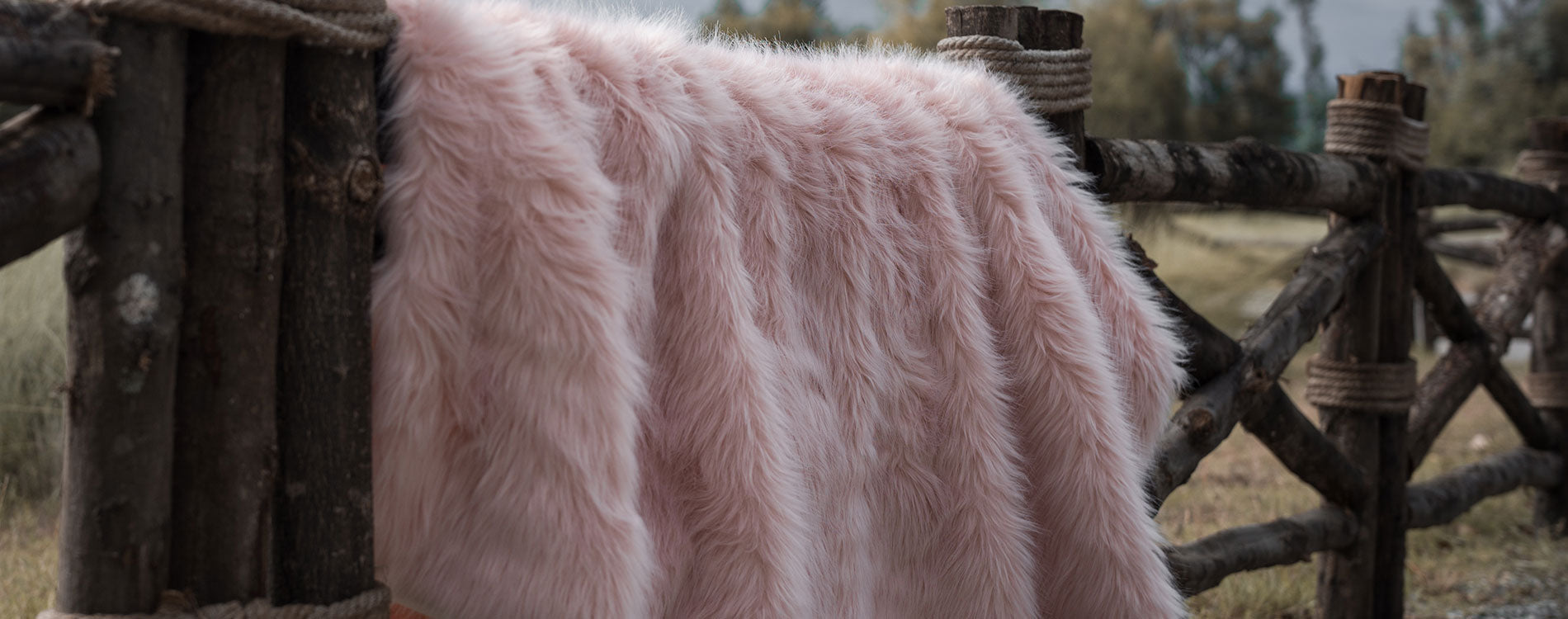
Thick, high-pile blankets need special handling to stay fluffy and avoid matting. The wrong technique can flatten these delicate textures permanently.
How to Pack Faux Fur Without Flattening
These delicate textures lose their volume if packed too tightly. Follow these guidelines to keep them looking their best.
Do:
• Smooth fibers before packing by running your hands over the surface.
• Roll loosely instead of folding deeply to preserve fluffiness.
• Store in breathable cotton bags, not plastic.
• Give them space in storage. Do not stack heavy items on top.
Don’t:
• Use vacuum-sealed bags. The compression crushes fibers and destroys volume.
• Fold multiple times. This creates permanent creases that won’t shake out.
• Store in direct sunlight. It causes fading and fiber damage.
Best Method: Use the cascade drape for display or a loose roll for storage. Both techniques minimize pressure on the fibers.
Match Method to Material

Not all blankets are packed the same. Choosing the right method based on fabric type prevents damage and extends the life of your blankets.
Minky and Plush: Roll or Drape
Folding creates deep creases in these soft materials. Rolling preserves fluffiness better than any other method.
Best Methods: Tight Roll, Pillow Method, Cascade Drape
Avoid: Multiple folds or compression storage. These destroy the soft texture that makes Minky special.
Fleece and Travel Blankets: Roll With Pouch
Lightweight and packable, these blankets are ideal for trips. The rolling technique maximizes space in luggage.
Best Methods: Vera Bradley Pouch Fold, Tight Roll
Pro Tip: Use compression sacks only for durable fleece, not microfleece. The finer fibers break down under pressure.
Wool and Knit: Fold Flat, Never Hang
Wool stretches easily, and hanging causes sagging that never recovers. Always fold flat for storage.
Best Methods: Classic Fold, Tri-Fold, Accordion Fold
Storage Tip: Add cedar blocks to deter moths. Wool is a natural fiber that attracts pests without proper protection.
Cotton and Linen: Fold or Roll, Refold Periodically
These fabrics wrinkle easily but recover well. The key is periodic refolding to shift crease lines.
Best Methods: Tri-Fold, Toss, Accordion
Care Tip: Refold every 2 to 3 months to prevent permanent crease lines from setting into the fabric.
Storage by Location: Where to Keep It

The best method depends on where you’re storing the blanket. Different spaces call for different techniques.
Linen Closets: File-Fold for Visibility
Use vertical folding so you can see each blanket at a glance. This prevents forgotten blankets buried at the back of shelves.
Tips:
• Place heavier blankets on lower shelves for stability.
• Add shelf liners to prevent slipping.
• Use small tags to label seasonal or guest-room blankets.
Baskets and Bins: Store Upright
Keep blankets standing up to avoid crushing lower layers. This also makes it easy to grab what you need without digging.
Style Hack: Mix folded and rolled blankets for visual interest. The variety adds texture to your storage areas.
Best For: Living room baskets, bedroom Ottoman storage, or entryway bins.
Under-Bed: Flat Shapes Only
Use tri-fold or classic fold to fit in low-profile containers. These methods create flat shapes that slide easily under beds.
Tips:
• Choose bins with wheels for easy pull-out access.
• Never use vacuum bags for plush or wool. Compression damages fibers permanently.
• Keep seasonal blankets in labeled containers for easy rotation.
Travel: Prioritize Compactness
Roll or use pouch fold to save maximum space in your luggage. Every inch counts when traveling.
Tips:
• Pack rolled blankets near the top of luggage to avoid weight compression.
• For carry-ons, roll tightly and clip with a carabiner to keep it compact.
• Use the Vera Bradley method for blankets with built-in pouches.
Maintain Longevity: Care During Storage
Packing isn’t just about space. It’s about preserving your blankets for years of use.
Clean Before Packing
Always wash and dry completely before storing. Trapped moisture leads to mildew, odors, and fabric breakdown.
Rule: Never store a blanket that’s been used but not cleaned. Body oils and odors attract pests and damage fibers over time.
Rotate Seasonally
Swap out summer and winter blankets every 3 to 6 months. This prevents long-term compression and keeps fabrics fresh.
Bonus: Seasonal rotation lets you refresh your home’s look with different textures and colors throughout the year.
Refold or Reroll Every Few Months
Shifting fold lines prevents permanent creases and keeps fibers resilient. Set a reminder to check stored blankets regularly.
Schedule: Every 2 to 3 months for stored blankets. This takes moments but makes a huge difference in long-term appearance.
Avoid Plastic Bags
Plastic traps moisture and promotes mildew. Instead, use cotton storage bags, canvas bins, or wooden chests with ventilation.
Best Options: Breathable containers that allow air circulation while keeping out dust and pests.
Inspect Every 6 Months
Check for moths, musty smells, fading, or fiber damage. Catching problems early prevents bigger issues.
Prevention: Add lavender sachets or cedar blocks to deter insects naturally. These also add a fresh scent to your storage areas.
Choose the Right Method for Your Needs
Not sure which method to use? Match it to your lifestyle and storage situation.
| Your Need | Best Method |
|---|---|
| Small apartment storage | Roll plus basket or under-bed bin |
| Frequent traveler | Vera Bradley pouch fold or tight roll |
| Stylish living room | Cascade, knot, or corner drape |
| Family with kids or pets | Tidy blanket fold or classic fold |
| Minimalist decor | Accordion fold or simple toss |
| Vacation home storage | Tri-fold plus labeled under-bed bin |
Frequently Asked Questions About How to Pack a Blanket
What is the best way to store a blanket long-term?
The classic fold or tri-fold method works best for long-term storage. Fold the blanket cleanly, place it in a breathable cotton bag or canvas bin, and store it in a cool, dry place. Avoid plastic bags that trap moisture. Refold every few months to prevent permanent creases.
Should I fold or roll blankets for travel?
Rolling is superior for travel. It compresses bulk, minimizes wrinkles, and fits more efficiently in suitcases. For blankets with attached pouches, use the Vera Bradley pouch fold to create a self-contained travel pillow. Place rolled blankets at the top of your bag to avoid crushing.
How do you pack a Minky blanket without flattening it?
Roll Minky blankets loosely rather than folding them. Folding creates deep creases that won’t shake out. Use a loose roll secured with a fabric tie, and store in a breathable bag. Avoid vacuum-sealed bags and heavy stacking, which crush the soft fibers permanently.
Can you vacuum seal blankets for storage?
No. Vacuum sealing compresses fibers and destroys loft, especially in plush, wool, and knit materials. The pressure creates permanent flat spots and damages the texture. Use breathable storage containers instead, and avoid stacking heavy items on top of delicate blankets.
How do you keep folded blankets from creasing?
Refold or reroll blankets every 2 to 3 months to shift pressure points. Store in breathable containers that allow slight movement. For delicate fabrics, roll loosely instead of folding. Avoid tight stacking and never place heavy items on top of folded blankets.
What is the best way to display a blanket on a couch?
The cascade method works beautifully for formal displays, while the toss method creates effortless coziness. Fold in thirds lengthwise, then drape over the couch back. For a boho look, try the knot method with lightweight cotton or knit throws. Choose contrasting textures to add visual interest.
Final Takeaways on Packing Blankets Effectively
Knowing how to pack a blanket transforms a simple task into a smart habit. Whether you’re saving space, protecting fabric, or enhancing your home’s style, the right method makes all the difference.
Quick Recap:
• Fold for stacking and closet storage. The classic fold and tri-fold create neat, space-efficient packages.
• Roll for travel, compactness, and wrinkle prevention. This technique works especially well for plush materials.
• Drape for style, accessibility, and warmth. Display methods add personality to any room.
• Care matters: clean before storing, rotate seasonally, and use breathable containers.
Experiment with combinations. Try rolling blankets for storage and draping different ones for display. Create a system that fits your lifestyle and keeps your blankets functional, beautiful, and always ready when you need them.