Nothing ruins the cozy charm of a fleece blanket faster than a surface covered in fuzzy little pills. These small, stubborn balls of fiber form due to friction, wear, and improper care, but the good news is that pilling can be significantly reduced or even prevented with the right habits. Fleece, typically made from polyester, is beloved for its softness and warmth, but its loose, brushed fibers are naturally prone to breakage and tangling. The key to keeping your blanket looking new lies not in avoiding use, but in smart washing, drying, and daily care practices.
By following science-backed fabric care techniques, such as washing before first use, avoiding heat and fabric softeners, and using white vinegar, you can preserve the integrity of the fibers. This guide delivers actionable, step-by-step strategies to stop pilling before it starts, remove existing pills safely, and extend the life of your favorite fleece blanket.
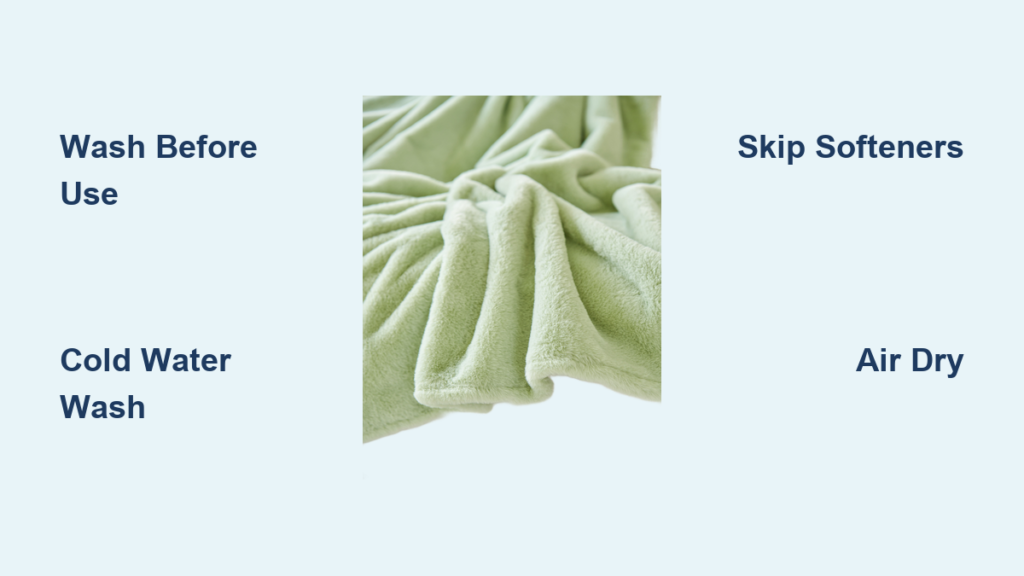
Wash Before First Use
Removing loose fibers early prevents early-stage pilling. New fleece blankets arrive with excess surface fibers from production that need to be washed away before regular use.
Eliminate Manufacturing Residue
Washing your blanket before first use removes weak fibers that would otherwise tangle into pills during normal wear. Skipping this step invites pilling to begin immediately.
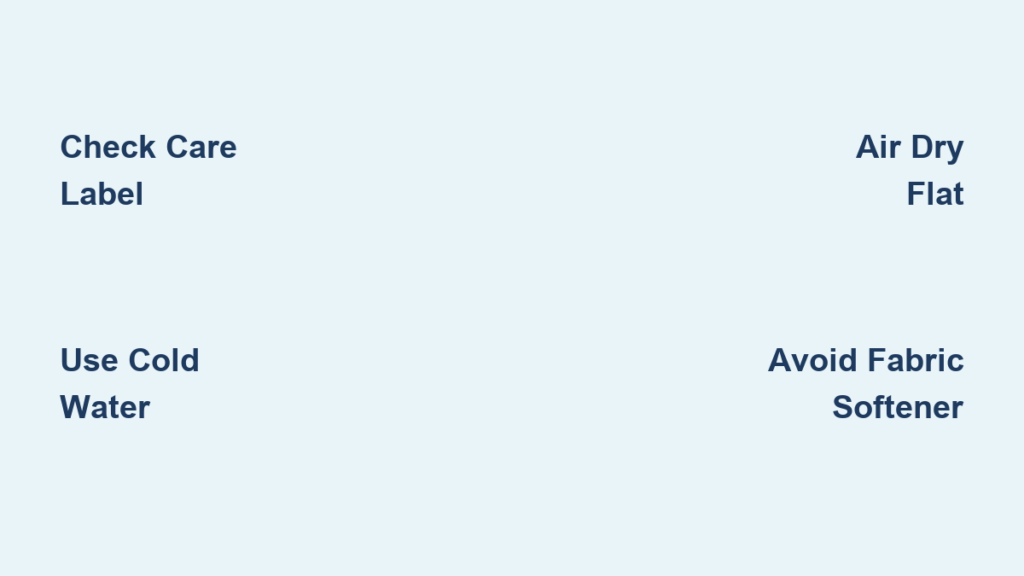
• Wash the blanket alone or with similar synthetic fabrics only
• Use cold water and select the gentle cycle to minimize agitation
• Avoid fabric softener, as it damages polyester over time
This one-time wash acts as a preventive reset, clearing loose fibers before they cause problems.
Use Cold Water and Gentle Cycle
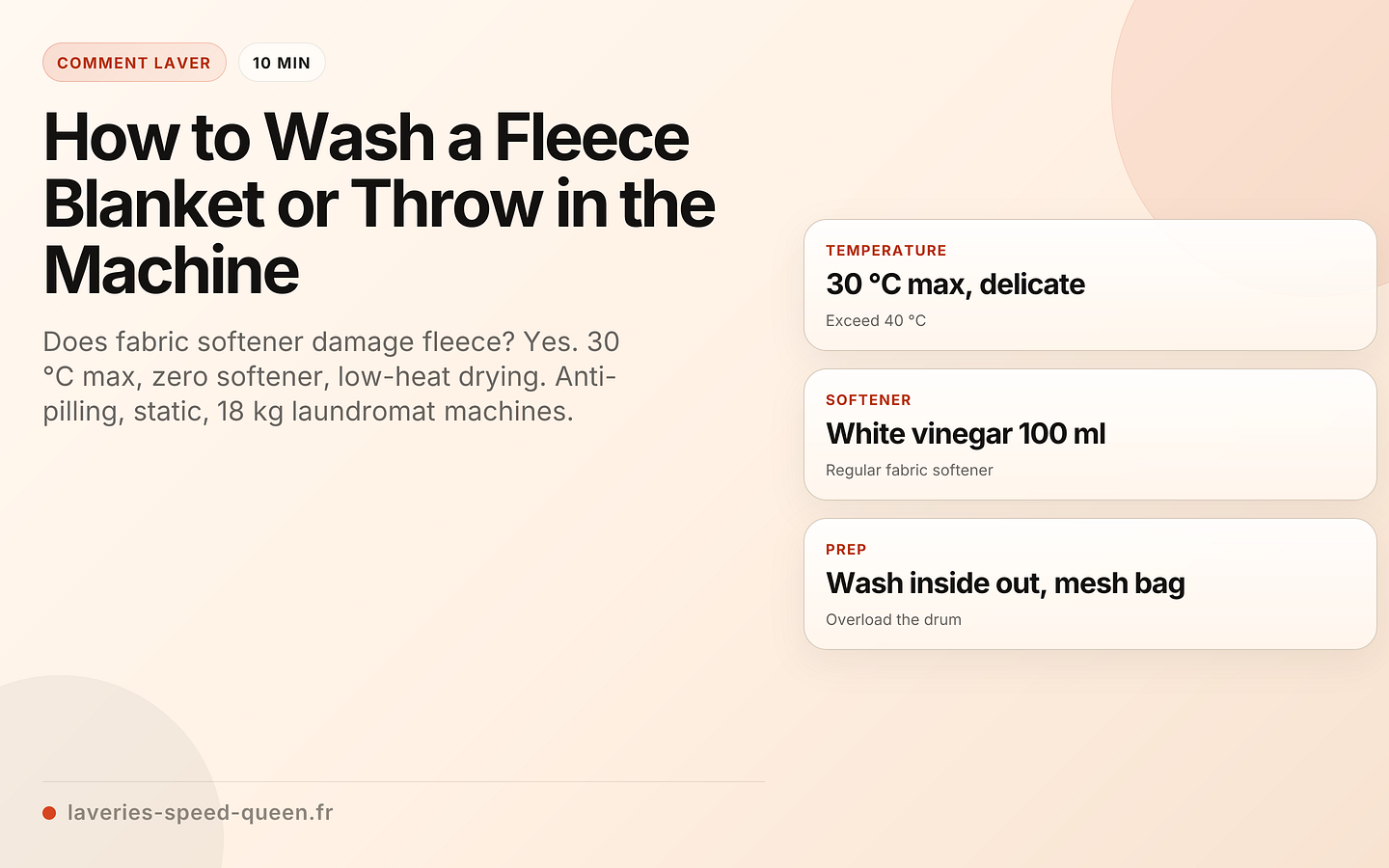
Harsh washing accelerates fiber breakdown and shortens your blanket’s lifespan. The settings you choose during laundry directly impact how quickly pilling develops.
Why Cold Water Matters
Hot water weakens polyester fibers, causing them to loosen and break. Cold water preserves fiber strength and reduces shedding significantly. Always select the delicate or hand-wash setting to minimize tumbling and friction.
Choose the Right Detergent
Use a mild, dye-free detergent formulated for delicates. Avoid bleach, enzymes, or strong surfactants that degrade synthetic fibers.
• Use half the recommended detergent amount to prevent residue buildup
• Add one-quarter cup of white vinegar to the rinse cycle to neutralize detergent and soften fibers naturally
Avoid Overloading or Mixing Fabrics
Washing fleece with rough materials like denim, zippers, or towels increases abrasion dramatically. Wash separately or with other soft synthetics only to reduce friction.
Skip Fabric Softeners
Fabric softeners do more harm than good when used on fleece blankets. Understanding why helps you make better care choices.
Why Softeners Cause Damage
Commercial fabric softeners coat fibers with silicone and chemicals that break down polyester over time, making fibers brittle and more likely to pill. They also trap residue that attracts dirt and reduces softness.
Use Vinegar Instead
Replace fabric softener with one-quarter cup of white vinegar in the rinse cycle. This natural alternative softens fabric without coating fibers, removes detergent buildup, and reduces static that causes fibers to cling and tangle. Vinegar is safe for colors and won’t damage fleece.
Air Dry Whenever Possible
Heat is the enemy of fleece fabric. Proper drying techniques preserve fiber integrity and prevent premature wear.
Why You Should Avoid the Dryer
High heat melts and weakens polyester fibers, leading to shrinkage, hardening, and increased pilling. Even low heat settings cause cumulative damage over time.
Best Drying Practices
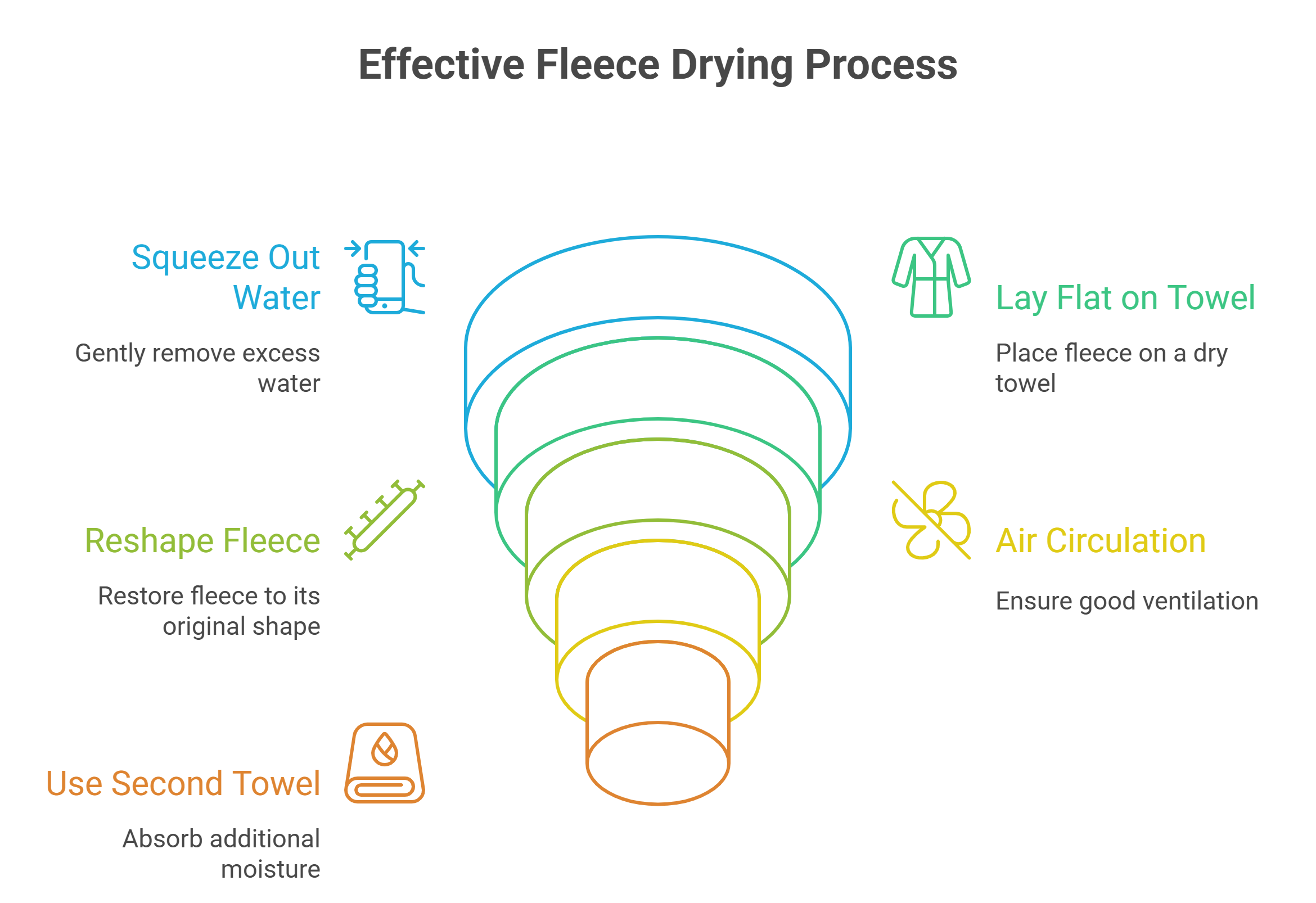
• Lay flat or hang dry indoors or in the shade away from direct sunlight
• If using a dryer, select the no-heat or air-fluff setting only
• Remove the blanket while slightly damp to prevent over-drying
• Clean the lint trap before and during the cycle to catch loose fibers
Air drying extends the life of your blanket and maintains its soft texture for years.
Minimize Friction During Use
Daily wear contributes significantly to pilling formation. Managing how you use the blanket matters as much as how you wash it.
Avoid Abrasive Surfaces
Rubbing fleece against carpet, rough upholstery, or pet claws creates constant friction that breaks fibers and forms pills over time.
Reduce High-Friction Habits
• Do not let pets scratch or dig at the blanket
• Avoid folding and unfolding repeatedly in the same spot
• Use the blanket over smooth fabrics like cotton pajamas or bedding to reduce abrasion
• Rotate your blanket weekly and flip it occasionally to distribute wear evenly
Remove Pills Safely and Regular Maintenance
Even with perfect care, some pilling may still occur. Regular maintenance keeps your fleece blanket looking new.
Use a Fabric Shaver
An electric lint remover is the most effective tool for removing pills safely.
• Gently glide over the surface in one direction only
• Use the lowest setting for delicate fleece
• Test on a small area first, like a corner or seam, before treating the entire blanket
• Avoid pressing too hard, as this can pull healthy fibers
Alternative Removal Tools
• Lint roller for quick touch-ups and removing loose fuzz
• Soft-bristled clothes brush brushed in one direction to lift pills without snagging
• Razor used with caution on flat fleece, shaving lightly in one direction only
Never pull pills by hand, as this stretches and damages surrounding fibers.
Choose High-Quality Fleece
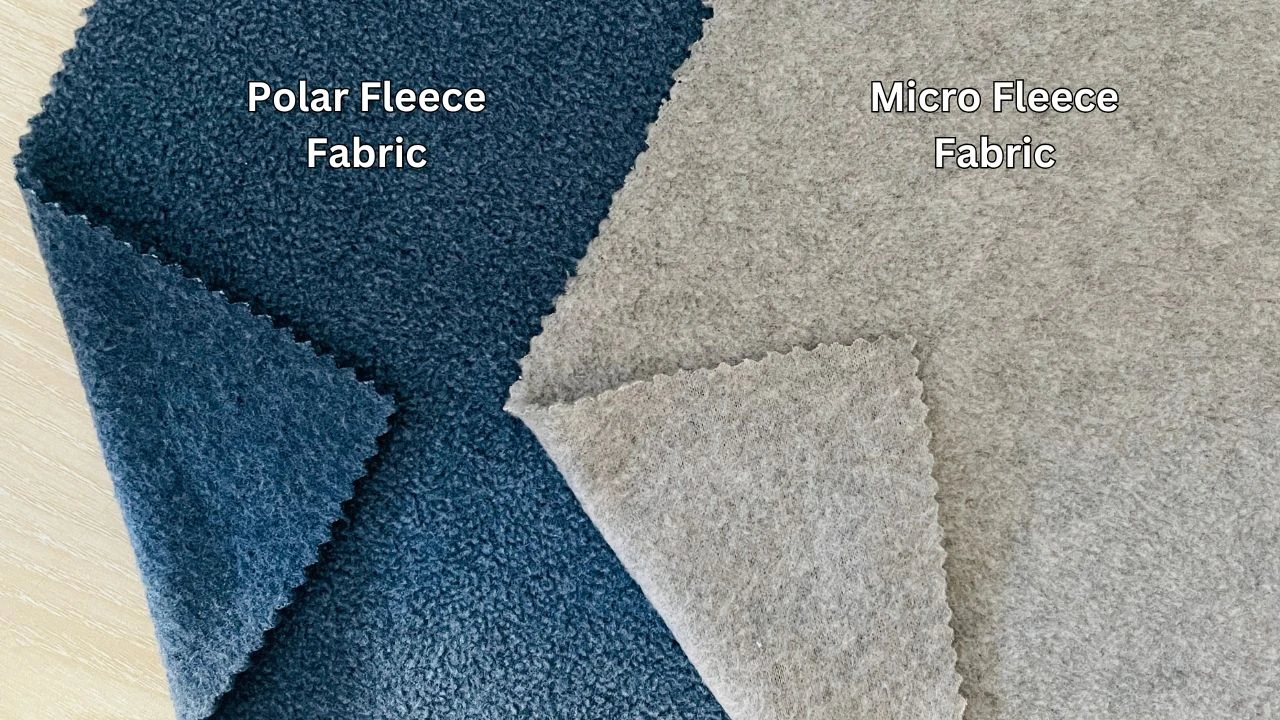
Better materials resist pilling longer. Investing in quality upfront saves maintenance time later.
Look for Tight Weaves
Premium fleece uses denser knitting and higher-grade polyester, meaning fewer loose fibers and less shedding. Check labels for terms like polar fleece, microfleece, or anti-pill fleece, which are engineered to resist pilling through tighter fiber construction.
Read Reviews Before Buying
Look for customer feedback mentioning “still looks new after a year” or “no pilling.” Avoid blankets with multiple complaints about fuzz or lint.
Invest in Performance Grades
Outdoor or performance-grade fleece, often used in jackets and camping gear, lasts longer than budget bedding fleece due to superior fiber bonding and durability.
Wash Less Frequently
Over-washing wears out fibers unnecessarily. Less frequent washing extends your blanket’s lifespan significantly.
Spot Clean When Possible
For small stains or spills, blot with a damp cloth and mild soap. Avoid scrubbing, as it damages fibers.
Wait Until Truly Needed
Wash only when there is visible soiling, the blanket smells musty, or you notice excess lint transfer. Regular airing out can extend time between washes.
Store Properly
Proper storage prevents creasing and fiber stress that leads to pilling over time.
Keep Clean and Dry
Always store completely dry to prevent mildew and fiber weakening. Never fold a damp blanket.
Fold Loosely, Not Tightly
Tight folds create crease lines where fibers are more likely to break. Loose folding or rolling reduces strain on the fabric.
Avoid Plastic Bags
Use breathable cotton storage bags or linen bins instead of plastic. Plastic traps moisture and promotes static, leading to more pilling.
Compare Fleece to Other Fabrics
Understanding why fleece pills more than other materials helps you set realistic expectations.
Why Fleece Pills More
Fleece is more prone to pilling than cotton, linen, or tightly woven microfiber due to its brushed, fluffy surface. Faux fur has similar issues because of the loose fiber construction.
More Durable Alternatives
• Tightly woven microfiber resists pilling and is easy to clean
• Cotton flannel is soft, breathable, and sheds less
• Wool is naturally resistant to pilling but requires dry cleaning or gentle hand washing
Fleece wins for warmth and affordability, but requires more maintenance than these alternatives.
Frequently Asked Questions About Preventing Fleece Blanket Pilling
Does vinegar damage fleece blankets?
No. White vinegar is safe for polyester and actually helps reduce pilling. It removes residue, reduces static, and helps fibers lie flat. Vinegar will not fade colors and may even help brighten them.
How soon does pilling start on a new fleece blanket?
Most noticeable pilling appears after one to three uses or washes. Initial pilling actually drops off after the first few cycles as loose manufacturing fibers are removed.
Is pilling a sign of low quality?
Not always. Even high-end fleece blankets pill to some degree. Excessive or rapid pilling, however, often indicates low fiber density or weak knitting construction.
Can pilling clog my washing machine?
Not usually, but excessive shedding can build up in the pump filter or drain hose. Clean your lint trap regularly and consider using a washing bag for extra protection when washing fleece.
Key Takeaways for Preventing Fleece Blanket Pilling
Preventing pilling in fleece blankets comes down to three main principles: minimize friction, avoid heat, and use gentle cleaning agents. Washing before first use removes manufacturing residue that would otherwise become pills. Always wash in cold water on gentle cycles, skip fabric softeners, and add white vinegar to the rinse for natural softening. Air dry whenever possible, or use no-heat dryer settings. During use, pair your blanket with smooth fabrics and rotate it regularly to distribute wear. When pills do appear, use a fabric shaver or lint roller rather than pulling them by hand. By investing in quality fleece and following consistent care practices, you can enjoy a soft, pill-free blanket for years to come.