You crawl into bed every night under the same blanket, but when was the last time you actually washed or replaced it? Most people overlook blanket hygiene until they notice a musty smell, see fraying edges, or start sneezing more at night. The truth is, how often to change blanket care depends on more than just visible dirt. Body oils, sweat, dust mites, pet dander, and allergens accumulate over time, even if your blanket looks clean.
Experts agree nightly-use blankets should be washed every one to two weeks, while seasonal or decorative throws can go months between cleanings. But washing is not the only factor. Blankets also degrade over time and lose warmth, texture, and hygiene effectiveness. This guide breaks down exact timelines by blanket type, usage, and health needs so you can make informed decisions.
Nightly Use Blanket Care
If you sleep with the same blanket every night, it is absorbing sweat, skin cells, and oils just like your sheets. That means it needs regular cleaning to stay hygienic.
Wash Every 1-2 Weeks
- Wash every seven to fourteen days for nightly users
- This prevents buildup of bacteria, dust mites, and odors
- Use a duvet cover or top sheet to reduce direct contact and extend time between washes
- People with sensitive skin or asthma should lean toward weekly washing
Even without visible stains, microscopic debris can trigger acne, allergies, or respiratory irritation.
Replace Every 5-10 Years
- Average lifespan is five or more years with proper care
- High-quality materials like wool or down can last ten to twenty years
- Signs to replace include thinning fabric, loss of warmth, and persistent smells after washing
- Frequent washing extends cleanliness but can wear down fibers, so balance hygiene with fabric longevity
Occasional and Decorative Throw Blankets
Blankets used on sofas or at the foot of the bed are not in constant contact with skin, so they do not need as much attention.
Wash Every 3-6 Months
- Clean throw blankets twice a year unless soiled
- Couch throws with pet use should be washed monthly due to hair and dander
- Spills or stains require immediate spot cleaning or laundering
- These blankets collect dust and odors over time, especially in high-traffic areas
- Regular airing out helps maintain freshness
Replace After 5+ Years
- Lifespan is five years or more, depending on material
- Replace when fading, pilling, fraying, or fabric becomes stiff occurs
- High-decorative blankets may last longer for appearance, but comfort diminishes with age
Comforters and Duvet Inserts
Comforters and duvets trap heat and allergens deep within their fill, making maintenance critical for hygiene and performance.
Down Comforters: Wash Annually, Lasts 20 Years
- Wash down comforters once or twice per year
- With duvet cover, wash the insert less often and the cover weekly
- Without cover, wash monthly if used nightly
- Down is durable and naturally resistant to odors but requires large-capacity machines for proper cleaning
- Add tennis balls in the dryer to restore fluffiness and prevent clumping
Replace down comforters when clumping cannot be reversed, insulation fails, or feathers poke through. A well-maintained down comforter can last up to twenty years.
Down Alternative: Wash Twice Yearly, Replace in 5-10 Years
- Wash down alternative comforters every six months to once a year
- Use gentle cycle, mild detergent, and low heat drying
- Replace every five to ten years as fill flattens and loses warmth
- Unlike down, synthetic fills break down faster and are harder to revive after compression
Duvet Covers: The First Line of Defense
Duvet covers act like blanket armor, protecting the inner layer from dirt and extending its life.
Wash Weekly to Monthly
- With nightly use, wash every week, especially without a top sheet
- With top sheet, wash every two to four weeks
- Wash immediately after illness or spills
- Cotton, linen, and microfiber covers are machine-washable and should be cleaned regularly like sheets
Replace Every 5-6 Years
- Lifespan is five to six years due to wear from frequent washing
- Replace when fabric thins, zippers break, or stains will not lift
- Using a duvet cover can reduce washing frequency for the insert by ninety percent
Electric Blankets: Special Care Required

Electric blankets provide warmth but require special care due to internal wiring.
Clean Seasonally, Not Frequently
- Wash once per season or as needed
- Spot clean most of the time; hand-wash or use gentle cycle if allowed
- Never submerge controls or machine-dry on high heat
- Always unplug and let cool completely before cleaning
Replace Every 5-10 Years
- Most manufacturers recommend replacement after ten years
- Replace earlier if wires feel lumpy, heating is uneven, or fabric is scorched
- Old electric blankets pose fire risks, so do not push beyond safe usage limits
Weighted Blankets: Special Handling Required
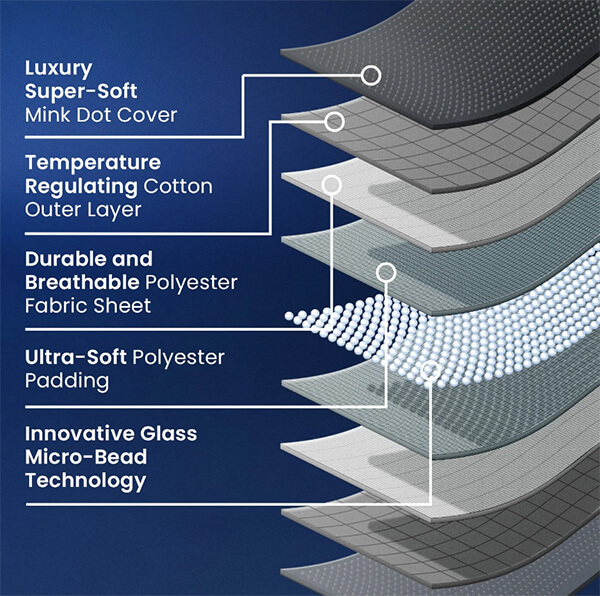
These therapeutic blankets help with anxiety and sleep but are complex to clean.
Wash Cover Biweekly, Insert Every Few Months
- Removable cover should be washed every one to two weeks
- Inner blanket should be washed every three to six months or per label
- Many inserts are not machine-washable, so check care instructions carefully
- Improper washing can damage stitching, weights, or fabric density
Replace Every 5-7 Years
- Lifespan is five to seven years with proper care
- Replace when uneven weight distribution, sagging, or broken seams occur
- Due to construction complexity, replacement is often safer than attempting repairs
Wool and Natural Fiber Blankets
Wool is naturally antimicrobial and moisture-wicking, making it ideal for less frequent washing.
Wash Every 1-3 Months
- Wash every one to three months for regular use
- Hand-wash or dry clean; avoid hot water to prevent shrinkage
- Always air-dry flat; never tumble dry
- Wool resists odors better than cotton or synthetics, so it does not need weekly washing
Lasts 10+ Years With Care
- Lifespan is over ten years if stored properly
- Use cedar blocks to store to deter moths
- Replace when fabric becomes brittle, develops holes, or loses softness
- Natural fibers age gracefully but require gentle handling to maximize longevity
Fleece and Synthetic Blankets
Soft and affordable, fleece blankets are popular, but they wear out faster than natural fibers.
Wash Monthly or Biweekly
- Wash every two to four weeks with nightly use
- Use cold water, gentle cycle, and no fabric softener as it degrades fibers
- Low heat only for drying; high heat melts synthetic fibers
- Fleece attracts lint and pilling, especially when washed with rough fabrics
Replace Every 3-5 Years
- Lifespan is three to five years under normal use
- Replace when excessive pilling, thinning, or static buildup occurs
- Despite frequent washing, synthetic materials degrade faster due to heat and friction exposure
Allergy and Health Considerations
For allergy sufferers, blanket hygiene is not optional. It is essential for symptom control.
Wash Weekly for Allergy Relief
- Recommended washing is every seven days, even for occasional use
- Dust mite feces, pet dander, and mold spores accumulate quickly
- Best materials include hypoallergenic fills like polyester or silk and tightly woven cotton
- Regular washing reduces airborne allergens that trigger sneezing, congestion, or asthma
Use Protective Barriers
- Allergen-proof encasements seal in dust mites and prevent new contamination
- Washable covers are easy to clean and highly effective
- Use HEPA vacuuming weekly on mattresses and surrounding bedding
- Clean blankets mean fewer allergens and better sleep for sensitive individuals
Pets and Blanket Hygiene
Pets on the bed dramatically increase the need for cleaning, both for hygiene and fabric preservation.
Wash Weekly With Pet Access
- Wash once a week if pets sleep under or on blankets
- Pet saliva, urine, dander, and outdoor dirt transfer to fabric
- Best fabrics are microfiber or tightly woven synthetics that resist odors and stains
- Even healthy pets carry allergens and microbes that affect human sleep quality
Replace Sooner Due to Wear
- Frequent washing degrades fibers faster, shortening lifespan
- Replace when fabric thins, odors linger, or pet claws cause snags
- Consider designating pet-safe throws that are easy to wash and replace
Seasonal Blanket Maintenance
Winter-weight blankets are not used year-round, so their care schedule differs from daily bedding.
Wash Before and After Each Season
- Pre-use cleaning removes storage odors and ensures freshness
- Post-use cleaning prevents moth damage and removes accumulated oils
- Always store clean and dry
- Blankets stored dirty attract pests and develop mildew
Can Last 10+ Years If Stored Properly
- Lifespan exceeds a decade with seasonal use
- Use breathable cotton bags, not plastic
- Add lavender sachets or cedar blocks to deter moths
- Refold every few months to avoid permanent creases
Care Best Practices
Follow these universal steps to keep any blanket clean, safe, and long-lasting.
Check the Label First
- Always read care instructions before washing
- Look for symbols indicating water temperature, drying, and ironing limits
- When in doubt, choose gentler settings or hand-wash
- Ignoring labels can ruin expensive or delicate blankets in one cycle
Use Proper Washing Settings
- Warm water for most fabrics, not hot
- Use mild, fragrance-free detergent for sensitive skin
- Wash alone; large blankets unbalance machines
- Overloading leads to poor cleaning and potential machine damage
Dry Completely to Prevent Mildew
- Tumble dry low for synthetics, fleece, and cotton
- Air dry is best for wool, silk, or delicate blends
- Add dryer balls to reduce drying time and maintain fluff
- Damp interiors breed mold, even if the surface feels dry
Storage Tips to Extend Life
How you store a blanket determines whether it stays fresh or develops odors and damage.
Store Clean and Dry
- Never store damp; mildew and mildew stains are hard to remove
- Wash before storing to eliminate hidden oils and sweat
- Clean storage means longer usable life
Use Breathable Containers
- Avoid plastic bins; they trap moisture
- Choose cotton storage bags or ventilated drawers
- Add natural repellents like cedar, lavender, or rosemary sachets
- This protects against moths without chemicals
Frequently Asked Questions About Changing Blankets
How often should I wash a blanket I use every night?
Nightly-use blankets should be washed every one to two weeks. This frequency prevents buildup of body oils, sweat, dead skin cells, and dust mites that accumulate with nightly use.
When should I replace my old blanket?
Replace blankets when you notice thinning fabric, loss of warmth, persistent odors after washing, excessive pilling, or visible wear like fraying or holes. Most blankets last five to ten years with proper care.
Do duvet covers really extend the life of my comforter?
Yes. Using a duvet cover can reduce washing frequency for the insert by up to ninety percent. This protective layer shields the inner fill from direct contact, extending the comforter lifespan significantly.
How often should I wash a blanket if I have allergies?
If you have allergies or asthma, wash blankets every seven days. Dust mites and their feces are common allergens that accumulate quickly, so more frequent washing provides significant relief.
Can I machine wash all types of blankets?
No. Always check the care label first. Electric blankets and some weighted blanket inserts are not machine-washable. Wool often requires hand-washing or dry cleaning, while fleece and synthetics are generally machine-friendly.
How do I know when my down comforter needs replacing?
Replace down comforters when clumping cannot be reversed, insulation fails and you feel cold despite the fill looking full, or feathers poke through the fabric. Well-maintained down comforters can last up to twenty years.
Key Takeaways for Changing Your Blanket

Knowing how often to change blanket, both in terms of washing and replacement, keeps your sleep environment healthy and comfortable. For nightly use, wash every one to two weeks and replace every five to ten years, adjusting based on material, pets, and allergies. Use duvet covers and protective encasements to reduce washing frequency and extend lifespan. Whether it is a cozy throw, down comforter, or weighted blanket, proper care ensures warmth, cleanliness, and durability for years to come.