Crocheting a blanket with thick yarn is one of the most satisfying and beginner-friendly projects you can start. Whether you’re new to crochet or a seasoned maker looking for fast, cozy results, bulky yarn lets you finish a plush throw in just a few hours. The large stitches create a soft, warm fabric perfect for draping over a couch, using as a lapghan, or gifting for a housewarming or baby shower.
This guide walks you through every step, from choosing the right yarn and hook to mastering simple stitches, changing colors, and finishing with fringe. You’ll learn how to work with popular options like Bernat Blanket Extra Thick, Lion Brand Yooge, and Hue Plus Me, and how to adjust your technique for speed, drape, and durability.
Choose the Right Thick Yarn

Pick Bulky or Super Bulky Weight
For fast, cozy blankets, use #5 bulky or #6 super bulky yarn. These weights are thick enough to work up quickly and create dense, warm fabric. They are also easier to handle than fine yarns, making them ideal for beginners.
Popular names for thick yarn include:
• Chunky
• Super chunky
• Jumbo
• Arm-knitting weight
Best Yarns for Crochet Blankets
Several yarns stand out for blanket projects. Bernat Blanket Extra Thick offers plush, soft texture and is machine washable, making it perfect for beginners and affordable throws. Lion Brand Yooge is ultra-thick and works well for one-skein lapgans that you can hand-crochet. Lion Brand Cover Story provides cloud-like drape with dense, smooth texture. Hue Plus Me delivers elegant drape and color in a soft, lightweight package for bulky yarn. Big Twist Natural Blend serves as a budget-friendly wool blend option with warm, slightly rustic feel.
Pro Tip: Yooge and Cover Story are great for hand crocheting if large hooks feel awkward.
Select the Correct Hook Size
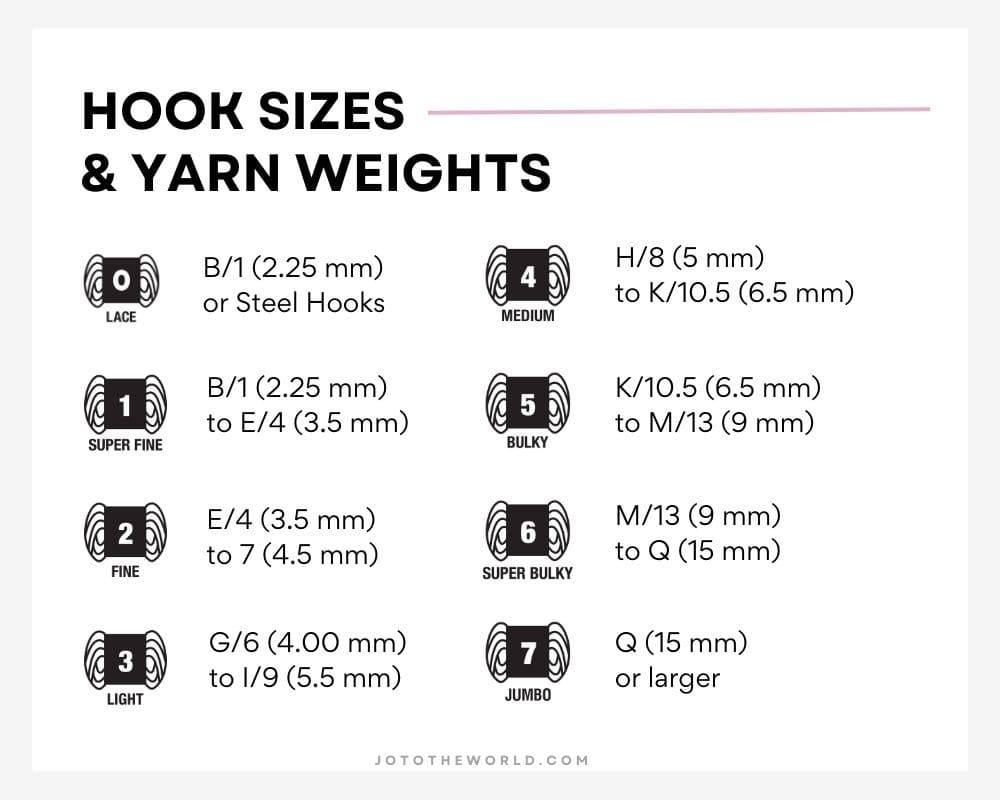
Match Hook to Yarn Thickness
Using the right hook prevents hand fatigue and ensures even stitches. For super bulky #6 yarn, a 25mm hook (US size 50) balances speed and control best. For jumbo or Yooge yarn, a 35mm hook (US size 70) creates loose, open drape and works well for hand crocheting. For bulky #5 yarn, an 8.0 to 9.0mm hook (US L-11 to M-13) produces tighter, more structured fabric.
Note: 25mm and 35mm hooks may not be in local stores. Buy online if needed.
Use Wooden or Bamboo Hooks
Large metal hooks can be slippery with thick yarn. Wooden or bamboo hooks offer better grip and reduce yarn drag, making crocheting smoother and more comfortable.
Try Hand Crocheting for Jumbo Yarn
If your yarn is too thick for a hook like Yooge, use your fingers instead. Hold the yarn in one hand and use your index finger as a hook to pull loops. Work simple stitches like half double crochet. This technique is slower but requires no tools and creates a loose, cozy texture.
Start with a Foundation Chain
Determine Chain Length by Blanket Width
The foundation chain sets your blanket’s width. Here are common starting points. For a 26-inch lapghan with Yooge, chain 10. For a 36-inch throw with Cover Story, chain 52. For a 44-inch wide throw with Bernat Extra Thick, chain 35. For a 52-inch large blanket, chain 110.
Customize: Add or subtract chains in multiples of 1 or 2 to fit your space.
Chain Loosely for Flexible Edges
Tight chains cause stiff, curling edges. Chain loosely by not pulling each loop tight. Let the yarn flow smoothly off the skein.
Visual Cue: If you struggle to insert the hook into the chain, it is too tight.
Skip the First Chain Correctly
Where you place your first stitch depends on the stitch type. For single crochet (sc), insert into the 2nd chain from hook. For half double crochet (hdc), insert into the 2nd chain from hook. For double crochet (dc), insert into the 3rd chain from hook. Always skip the first chain unless the pattern says otherwise.
Master Simple Stitch Patterns
Use Basic Stitches for Speed
Simple repeats are perfect for thick yarn. You will finish faster and build confidence with these foundational stitches.
Single Crochet (sc) works best for dense, warm fabric. Follow these steps:
1. Insert hook into stitch
2. Yarn over, pull up a loop (2 loops on hook)
3. Yarn over, pull through both loops
Half Double Crochet (hdc) works best for balance of speed and drape. Follow these steps:
1. Yarn over
2. Insert hook into stitch
3. Yarn over, pull up a loop (3 loops on hook)
4. Yarn over, pull through all 3 loops
• Turning chain: ch 2 (does not count as stitch)
Double Crochet (dc) works best for smooth, vertical texture. Follow these steps:
1. Yarn over
2. Insert hook into stitch
3. Yarn over, pull up a loop (3 loops)
4. Yarn over, pull through 2 loops (2 remain)
5. Yarn over, pull through last 2
• Turning chain: ch 3
Add Texture with Advanced Stitches
Create Ribbing with Back Loop Stitches
Work into the back loop only (BLO) to create horizontal ridges. Back Loop Half Double Crochet (BL HDC) involves inserting the hook under the back loop only. This technique produces stretchy, ribbed texture like knitting.
Try Alternating Front and Back Loops
The Cora Blanket uses this for a waffle effect. Row 1 involves hdc in blo, hdc in flo, repeat, end hdc blo. Row 2 involves hdc in flo, hdc in blo, repeat, end hdc flo. Repeat these rows for soft, textured drape.
Pro Tip: Mark the first stitch with a stitch marker to track pattern shifts.
Work Rows and Turn Correctly
Use Proper Turning Chains
For single crochet, use ch 1 (does not count as stitch). For half double crochet, use ch 2 (does not count as stitch). For double crochet, use ch 3 (does not count as stitch unless specified).
Exception: Some patterns count the ch-2 as a stitch. Follow your pattern.
Prevent Slanted Edges
To keep edges straight, insert the first stitch into the same stitch as the turning chain. Avoid skipping the first stitch. Use both loops of the turning chain unless working in flo/blo.
Join New Yarn Mid-Row
When switching skeins, complete the current stitch but stop before final pull-through. Hold the tail of old yarn and end of new yarn together. Pull both through the last loop. Work 3 to 4 more stitches with new yarn. Weave in ends later. The bulk of thick yarn holds joins securely, so no knots needed.
Change Colors Smoothly
Use the Seamless Color Change
- Work last stitch of row until final pull-through
- With new color, pull through both loops
- Cut old color, leaving 12-inch tail
- Ch 2 (or turning chain) with new color
- Weave in ends by crocheting over them. Lay tails along edge and work next row over them.
This method produces no bulky knots and clean transitions.
Plan Color Sequences
For ombre effects, use 3 to 5 shades in gradient order. For stripes, alternate 2 to 4 colors every 2 to 4 rows. For random patterns, use 5 colors in repeating sequence.
Tip: Limit skeins to 10 or fewer for manageable color management.
Build the Full Blanket
Work Lengthwise for Even Growth
Most blankets are crocheted lengthwise. The foundation chain equals width, and rows equal length. Continue until blanket reaches desired size.
Track Stitch Count
Keep edges even by counting stitches per row. Cover Story uses 50 hdc after ch 52. Cora Blanket uses 109 hdc after ch 110. Use stitch markers every 10 stitches if needed.
Use Doubled Strands for Extra Warmth
Hold two strands of bulky yarn together as one. This technique creates ultra-thick, heavy blanket. It uses more yarn but adds warmth and density. It works well with 25mm hook.
Finish with Professional Touches

Fasten Off Securely
- Cut yarn, leaving 6 to 12 inch tail
- Pull through last loop to lock
- Do not knot. Friction holds thick yarn securely.
Weave in Ends Cleanly
Use a tapestry needle. Thread end through 3 to 4 adjacent stitches. Go in opposite directions for security. Trim close to fabric.
Note: Fewer passes needed with bulky yarn. Over-weaving can distort fabric.
Add Fringe for Style
Fringe adds flair and weight to blankets like The Cora Blanket. Follow these steps:
1. Cut 10-inch strands (2 per fringe)
2. Fold in half
3. Use hook to pull loop through end chain
4. Pull cut ends through loop
5. Tighten
6. Repeat every other chain
Optional: Trim ends for even look.
Care for Your Crochet Blanket
Wash Safely
Always check the yarn label first. Most acrylic and polyester yarns allow machine wash cold on gentle cycle with tumble dry low or lay flat to dry. Wool blends require hand wash and flat dry. Never wring thick fabric, as it can stretch.
Store Properly
Fold or roll the blanket. Do not hang, as edges stretch. Store in breathable cotton bag. Keep in cool, dry place away from moths.
Prevent Pilling
Avoid sharp surfaces like pet claws and rough furniture. High-quality yarns like Bernat and Hue Plus Me pill minimally.
Customize Your Blanket
Adjust Size Easily
To make smaller blankets, shorten the foundation chain. To make larger blankets, add chains and rows. To make a square blanket, work length equal to width.
Choose Colors for Any Decor
Neutrals like Desert, Vintage White, and Malachite create modern, calming looks. Bold colors like jewel tones or brights suit bohemian, playful styles. Seasonal colors like reds and greens work well for winter, pastels for spring.
Personalize with Texture
Mix stitch patterns for variety. Try rows of hdc with BL HDC every 4th row. Alternate sc and dc for visual rhythm. Use flo/blo rows for meditative crocheting.
Troubleshoot Common Issues
Fix Curling Edges
Curling is caused by tight tension or tight chains. To fix it, work a few rows beyond the curl. It often evens out naturally. To prevent curling, chain loosely and use a larger hook.
Reduce Hand Fatigue
Take breaks every 20 to 30 minutes. Try arm crocheting if fingers tire. Use ergonomic hooks or hand-crochet jumbo yarn.
Avoid Yarn Tangles
Keep skein loose in a yarn bowl or bag. Work from the center pull if possible. Unroll and re-skein if tangled.
Frequently Asked Questions About Crocheting a Blanket with Thick Yarn
What is the best thick yarn for beginners?
Bernat Blanket Extra Thick is ideal for beginners. It is plush, soft, machine washable, and widely available at affordable prices. Lion Brand Yooge also works well for beginners who want to try hand crocheting.
How long does it take to crochet a thick yarn blanket?
Time varies by project size. A Yooge lapghan takes 1 to 2 hours. A Cover Story throw takes 3 to 5 hours. A Bernat color-change throw takes 2 to 4 hours. The Cora Blanket takes 6 to 10 hours.
Can I use thick yarn with a regular crochet hook?
No. Thick yarn requires larger hooks. Super bulky yarn needs 25mm hook (US 50). Jumbo yarn needs 35mm hook (US 70). Bulky yarn needs 8 to 9mm hooks. Using regular hooks will result in tight, uneven stitches.
How do I prevent my thick yarn blanket from stretching?
Do not hang the blanket when storing. Fold or roll instead. When washing, lay flat to dry rather than tumble drying on high heat. Choose tighter stitch patterns like single crochet for more structured fabric.
Do I need to weave in ends on thick yarn blankets?
Yes, but fewer passes are needed. Use a tapestry needle to thread through 3 to 4 adjacent stitches. Go in opposite directions for security. The bulk of thick yarn holds ends securely with minimal weaving.
Can I machine wash a thick yarn crochet blanket?
Most acrylic and polyester thick yarns are machine washable. Use cold water on gentle cycle. Tumble dry low or lay flat to dry. Always check the yarn label for specific care instructions.
Key Takeaways for Crocheting a Blanket with Thick Yarn
Crocheting a blanket with thick yarn is more than a craft. It is a way to create warmth, comfort, and beauty in just hours. With the right yarn, hook, and simple stitches, you will have a stunning handmade throw that feels as good as it looks.
The most important factors for success are choosing the correct yarn weight (bulky #5 or super bulky #6), matching your hook size to the yarn thickness, and starting with a loose foundation chain. Master basic stitches like half double crochet for the best balance of speed and drape. Remember to chain loosely, change colors seamlessly by working over tails, and finish with proper care.
Whether you are making it for yourself or as a heartfelt gift, this project proves that simple does not mean basic. It means accessible, satisfying, and deeply rewarding. Pick up your yarn, choose your hook, and start crocheting your cozy masterpiece today.