If your electric blanket needs cleaning, storage, or repair, knowing how to disconnect the control cord properly is essential. The electric blanket connector is a critical safety feature designed to detach easily when done correctly. But pulling the cord without releasing the lock can damage internal wiring, create a fire hazard, or void your warranty. Whether you use a Sunbeam, Beautyrest, or another major brand, this guide walks you through the safe, step-by-step process to disconnect an electric blanket without risk.
You will learn how to identify the release mechanism, avoid common mistakes, inspect for damage, and store or reconnect with confidence. Most importantly, you will understand why unplugging first is not just a suggestion, it is a non-negotiable rule for personal safety.
Unplug Before Any Handling
Always disconnect power first. This single step prevents electric shock and thermal hazards during disconnection.
Even if the blanket feels cool, residual current can flow through the heating wires. Start every procedure by pulling the plug from the wall outlet and waiting 10 to 15 seconds for any remaining charge to dissipate. Confirm the control unit is off if it is a digital model.
Never attempt to remove the cord while the blanket is plugged in, even partially. Some models have auto-shutoff features, but these are not foolproof. Work in a dry area with dry hands. Moisture increases conductivity and raises the risk of shock, especially near metal connector pins.
Locate the Detachable Connector
Find where the control cord meets the blanket heating module. This is your disconnection point.
On most modern electric blankets, the connector sits along the bottom edge, usually near the foot of the bed. It is housed in a rigid plastic case stitched into the fabric. A label or logo often marks the brand and model.
This modular design allows safe washing and reduces strain on the internal circuitry. The connector contains delicate metal prongs that link the controller to embedded heating wires. Avoid confusing this with the power cord end that plugs into the wall. Your focus is the blanket-side connection, not the AC plug.
Check for Damage First
Before disconnecting, inspect the connector for cracks or warping in the plastic housing. Look for discoloration indicating overheating, such as yellowing or browning. Check for bent, corroded, or missing pins inside the socket. Examine wires at the cord base for fraying.
If you see any of these signs, do not attempt disconnection or reuse the blanket. Contact the manufacturer for replacement parts or retire the blanket entirely.
Identify the Release Mechanism

Electric blankets use one of two common release systems. Know which type you have before applying pressure.
Squeeze-Clip Connectors
These are found on many Sunbeam and older models. Two hinged plastic arms extend from the sides of the connector. You must press both clips inward simultaneously to unlock. This often requires firm pressure with thumb and fingers.
Grip evenly on both sides and squeeze straight toward the center. Do not twist or pull while squeezing. Wait until the mechanism releases before proceeding.
Slide-Button Connectors
These are common on newer digital or preheating models. A small slider tab sits on top or bottom of the housing. Press the tab down or slide it sideways to disengage the lock. The tab may click or move slightly when activated.
Use your fingertip or a flat tool like a butter knife gently to activate the button. Once pressed, the cord should begin to release with light pulling. Never force separation if the connector resists. Forcing it can break internal latches or bend pins.
Disconnect With Proper Motion
Once the release is engaged, use the correct technique to separate the cord.
Pull Straight Out
After activating the release, hold the control cord near the plug end. Pull directly away from the blanket in a straight line. Use steady, even pressure with no jerking or twisting.
The connector should slide out smoothly. A slight resistance is normal, but excessive force means the lock is not fully released.
Avoid These Mistakes
Wiggling the cord loosens internal connections. Twisting or rotating bends metal pins. Yanking at an angle damages socket alignment. Using pliers or tools risks crushing components.
Damage from improper removal is one of the leading causes of electric blanket failure and fire risk.
Inspect Both Connector Ends
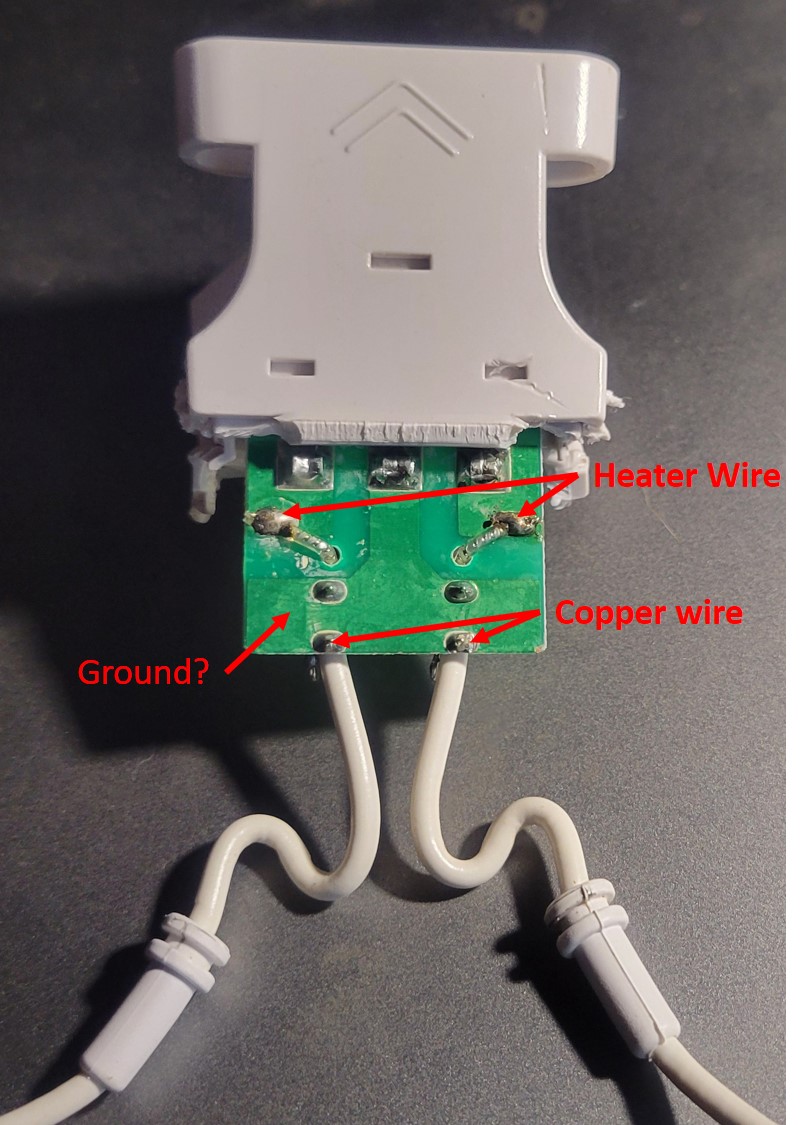
After disconnection, examine both parts closely under good lighting.
Blanket Side Inspection
Check the socket embedded in the blanket for bent or missing pin holes. Look for burn marks or melted plastic. Check for moisture, lint, or residue buildup. Examine stitching around the housing for looseness.
Any sign of scorching means the blanket has overheated. Replace it immediately.
Cord End Inspection
Examine the male plug from the controller. Are all metal pins straight and intact? Is the insulation cracked or frayed near the base? Does the housing feel loose or wobbly?
If the cord shows wear, stop using it. Replacement controllers are available from manufacturers and certified retailers.
Reasons to Disconnect the Cord
Understanding when and why to disconnect helps extend your blanket life.
For Washing the Blanket
Most electric blankets are machine-washable only after cord removal. Always unplug and disconnect the controller first. Zip or secure the blanket in a mesh laundry bag. Wash on gentle cycle with mild detergent. Air dry or tumble dry on no heat or low heat only.
Never submerge the connector or run it through water.
For Safe Storage
Storing with the cord attached increases stress on the connection point. To prevent damage, disconnect the controller. Wrap the cord loosely in a figure-eight or coil. Store both blanket and cord in a cool, dry place. Avoid folding the blanket over the heating wires.
Loose rolling prevents wire fatigue and extends usability.
For Controller Replacement
If your blanket will not heat or settings fail, the issue may be the controller, not the blanket. Many brands sell replaceable control units. Disconnect the old one and snap in a new OEM part following reconnection steps.
Always use genuine manufacturer replacements. Aftermarket cords can overload circuits.
When Traveling or Rotating Bedding
Disconnecting makes packing easier and safer. It reduces bulk, prevents snagging in luggage, and eliminates risk of accidental activation. Keep the controller in a separate pouch to avoid pressure on the pins.
Reconnect Only When Ready
When you are ready to use the blanket again, follow proper reconnection steps.
Align and Insert Straight
Match the pins to the socket holes exactly. Ensure the cord and blanket connectors face the correct direction. Push straight in with firm, even pressure.
Never angle or force the connection.
Listen for the Click
A distinct click means the locking mechanism engaged. If you do not hear it, pull out and realign. Check for debris or bent pins. Try again gently.
No click equals unsafe connection. Operating a loose system can arc, overheat, or cause fire.
Test the Connection
After inserting, tug lightly on the cord to confirm it is secure. Plug into a wall outlet directly with no extension cords. Turn on the controller and test heat settings.
If the blanket does not respond, double-check the outlet power using another device. Verify full insertion of the cord. Confirm the correct mode is selected.
Manage the Cord Properly
How you route and protect the cord affects long-term safety.
Route Under the Bed Frame
Run the cord along the floor, not across walkways. Tuck it under the bed frame to keep it out of sight and traffic. Use a cord cover if it crosses a doorway.
Never let people walk on the cord. It wears down insulation over time.
Avoid Pinching Hazards
Never trap the cord between mattress and box spring. Never place heavy furniture on top. Never allow pets to chew near the wire.
Compression damages internal conductors and creates hot spots.
Follow Power Safety Rules
Electrical safety continues after disconnection and reconnection.
Plug Directly Into Wall Outlet
Use only a standard 110 to 120V outlet. Never use extension cords, power strips, surge protectors, generators, or inverters.
These can overheat or fail to regulate voltage, creating fire risks. Choose an easily accessible outlet so you can unplug quickly in emergencies.
Know Brand-Specific Features
Manufacturers design connectors differently, especially Sunbeam.
Sunbeam Snap-In System
Sunbeam uses a proprietary locking connector. The unique shape prevents incorrect insertion. Dual hinged clips require simultaneous squeeze. The system is designed for frequent detachment like washing.
Their system is durable but not compatible with other brands. Always replace with genuine Sunbeam parts.
Non-Interchangeable Components
Never swap controllers between models or brands. Voltage, wattage, and pin configuration vary. Mismatched parts can overheat the blanket, damage internal circuits, and void warranty and insurance coverage.
Buy replacements from authorized dealers only.
Recognize Critical Safety Warnings
Ignoring safety rules increases risks of burns, shock, or fire.
Never Use With High-Risk Groups
Do not allow use by infants or toddlers. Avoid use by elderly individuals with nerve damage. Do not permit use by people with diabetes or poor circulation. Do not allow anyone who cannot adjust settings independently.
These users may not feel overheating and are prone to burns.
Avoid Heat Amplifiers
Never use electric blankets with heating creams containing capsaicin or menthol. Never use with pain patches like lidocaine. Never use with electric heating pads as dual heat sources equal burn risk.
These combinations significantly increase skin injury risk.
Keep Pets Away
Cats and dogs may scratch or chew the wires. Even minor damage to insulation can lead to shock or short-circuiting. Store the blanket out of reach when not in use.
Troubleshoot Common Problems
Fix issues quickly and safely.
Connector Will Not Release
If the cord will not detach, recheck that the release mechanism is fully pressed. Try pressing from different angles. Do not use tools. Contact customer support if stuck.
Forcing it can break the housing.
No Click When Reconnecting
If the cord inserts but does not click, check for misalignment. Pins must match holes exactly. Inspect for bent pins or debris. Clean gently with compressed air or dry cloth.
If still not locking, replace the damaged part.
Blanket Does Not Heat After Reconnection
Verify the cord is fully seated and clicked. Confirm the outlet has power. Check that the controller is set to correct mode. Look for error codes on digital displays.
Test with a different outlet. If still unresponsive, the controller or internal wiring may need replacement.
Key Takeaways for Safely Disconnecting Your Electric Blanket

Disconnecting an electric blanket is a simple task, but doing it wrong can lead to serious hazards. Always unplug first, identify your connector type, and use the correct release method. Inspect components for damage before and after disconnection. Whether for washing, storage, or repair, following these steps ensures your electric blanket remains safe, functional, and long-lasting.
Proper cord management and power safety rules protect you year after year. Store the blanket loosely rolled without creasing heating wires. Test the connection thoroughly before each use. When in doubt, consult your user manual or contact the manufacturer directly.
Frequently Asked Questions About Disconnecting Electric Blankets
Do I need to unplug the blanket before disconnecting the control cord?
Yes. Unplugging from the wall outlet is the most critical safety step. Never attempt to remove the cord while the blanket is plugged in, even if it feels cool. Residual current can still flow through heating wires.
How do I know which release mechanism my electric blanket has?
Check the connector housing. Squeeze-clip connectors have two hinged plastic arms on the sides that must be pressed inward simultaneously. Slide-button connectors have a small tab on top or bottom that slides or presses to disengage the lock.
Can I wash my electric blanket with the cord attached?
No. Most electric blankets require the control cord to be detached before machine washing. Always disconnect the controller first, then wash on gentle cycle with mild detergent. Air dry or tumble dry on low heat only.
What should I do if the connector will not release?
Recheck that the release mechanism is fully depressed. Try pressing from different angles. Do not use tools or force the connection. Contact the manufacturer customer support if the cord remains stuck.
Is it safe to use extension cords with electric blankets?
No. Plug electric blankets directly into a standard 110 to 120V wall outlet only. Extension cords, power strips, surge protectors, and generators can overheat or fail to regulate voltage, creating fire risks.