Nothing beats the cozy comfort of a soft, fluffy blanket until it becomes flat, matted, or stiff. If your once-plush fuzzy blanket now feels more like a worn-out towel, do not give up on it just yet. Most texture damage can be reversed with the right care techniques. Whether it is sherpa, microfiber, polar fleece, or faux fur, how to fix a fuzzy blanket starts with understanding what went wrong and applying targeted restoration methods.
The good news is you do not need special equipment or expensive products. With common household items like white vinegar, wool dryer balls, and a simple brush, you can bring back that cloud-like softness. This guide walks you through proven methods to restore fluffiness, remove stiffness, detangle mats, and prevent future damage so your favorite blanket stays cozy for years.
Identify the Damage Type
Before treating your blanket, assess the specific problem. Different issues require different fixes, and using the wrong approach can make damage worse.
Matted or Clumped Fibers
Fibers become tangled into dense patches, especially in high-friction areas like the center or edges. This commonly affects faux fur, sherpa, and long-pile fleece blankets.
Causes include overwashing, aggressive drying, static buildup, or rubbing against furniture. The fix involves detangling, brushing, and low-heat drying to separate fibers.
Flat or Stiff Texture
The blanket feels hard, lacks bounce, and does not fluff when shaken. This stiffness typically comes from detergent buildup, hard water minerals, or heat damage from dryer or wash water.
The solution is a vinegar wash to remove residue, washing soda to break down deposits, and proper drying techniques to restore loft without additional heat damage.
Static Clumping
Fibers stick together in small, temporary clumps due to dry air conditions. Low humidity, synthetic materials, and overdrying all contribute to this issue.
Quick fix involves light misting, vigorous shaking, and adding wool dryer balls to the drying cycle to reduce static and separate fibers.
Pilling or Fiber Pull-Out
Small balls of fiber or loose threads appear on the surface due to abrasion from washing with rough fabrics or using harsh cycles.
Prevention and fix include gently trimming pills with scissors and washing the blanket separately or with only similar soft items.
Wash Away Stiffness and Buildup
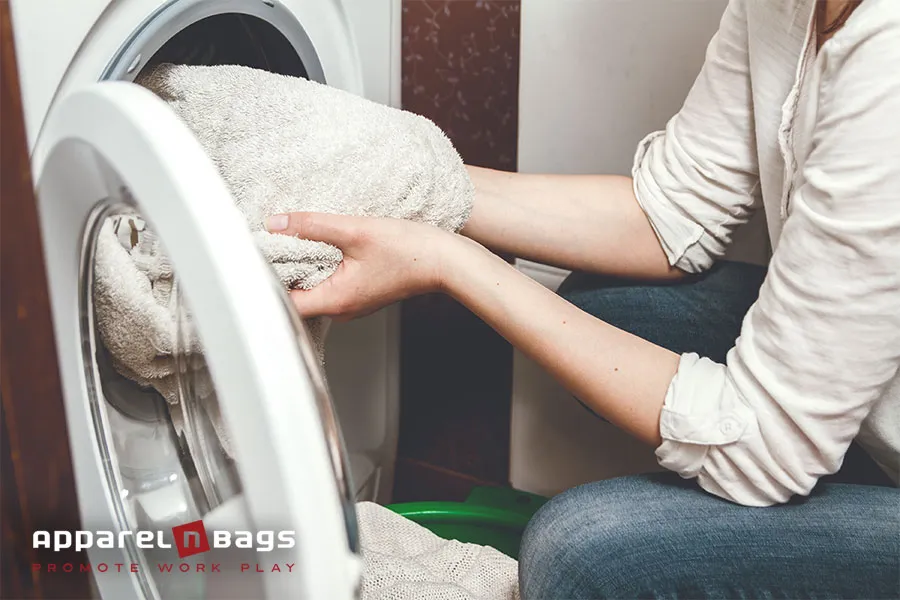
Proper cleaning removes residue that dulls softness and restores the blanket’s original texture. Follow these steps carefully to avoid causing additional damage.
Use Cold Water and Mild Detergent
Hot water melts synthetic fibers like polyester and microfiber. Always use cold or lukewarm water at 85°F (30°C) or lower.
Choose a dye-free and fragrance-free liquid detergent like Woolite or Seventh Generation Free and Clear. Use only half the recommended amount to prevent residue from building up in the fibers. Select the delicate or gentle wash cycle and never use heavy-duty or normal settings.
Add Washing Soda to Remove Buildup
Detergent and hard water leave behind stiffening deposits that compound over time. Washing soda (sodium carbonate) breaks these deposits down more effectively than baking soda.
Add half a cup of washing soda directly to the drum with your detergent. This softens hard water and enhances cleaning power without damaging synthetic fibers.
Rinse with White Vinegar
Vinegar removes leftover chemicals, softens fibers, and neutralizes pH levels in the fabric. Add half a cup of distilled white vinegar to the rinse cycle.
The vinegar smell disappears completely after drying with no lingering odor. This step is essential for removing stubborn detergent residue that causes stiffness.
Important safety note: Never mix vinegar and bleach as this creates toxic chlorine gas.
Avoid Top-Loaders with Agitators
Central agitators in top-loading machines twist and pull fibers, causing matting and fiber damage. If possible, use a front-loading washer instead.
If you must use a top-loader, wash the blanket alone and place it evenly around the drum to balance the load. Avoid overloading the machine.
Dry to Restore Fluffiness
Drying is where fluff comes back if done correctly. The wrong approach can undo all your washing efforts and cause permanent damage.
Use Low Heat or Air Fluff Only
High heat melts synthetic fibers permanently. Always select low heat or air fluff (no heat) settings on your dryer.
Even a few minutes on high heat can ruin softness permanently. This damage cannot be reversed, so always double-check settings before starting the dryer.
Add Wool Dryer Balls
Wool dryer balls reduce drying time, prevent clumping, and naturally fluff fibers throughout the cycle. Use three to six wool dryer balls per load.
For a budget alternative, use clean tennis balls, though they are less durable. Add two to three drops of essential oil to the balls for light fragrance if desired.
Remove Promptly and Shake
Pull the blanket out of the dryer as soon as the cycle ends. Shake it vigorously by the corners for 30 seconds to separate fibers and restore loft.
Never leave the blanket in the dryer after cycling completes, as continued tumbling can cause re-clumping and static buildup.
Critical warning: Never hang a wet fuzzy blanket to dry. The weight stretches and distorts the fabric, ruining its shape permanently.
Air-Dry Flat for Best Results
If you prefer not to use a dryer, lay the blanket flat on a clean surface or drying rack. Reshape edges and flip every few hours for even drying.
Keep the blanket out of direct sunlight to prevent fading and UV degradation of the fibers.
Detangle Matted Areas

Brushing is essential for restoring texture, especially in faux fur and sherpa blankets with deep mats. Proper technique prevents further damage while loosening tangles.
Choose the Right Brush
Different materials require different brushes for optimal results. A pet slicker brush works best for deep mats in faux fur and thick sherpa.
A soft-bristled clothes brush or hairbrush is ideal for short-pile fleece. A wide-tooth comb serves as a gentle alternative for delicate fibers, while a soft nylon toothbrush handles small, stubborn tangles.
Brush Only When Dry
Never brush a wet blanket because fibers are weaker and more prone to pulling and breakage. Wait until the blanket is fully dry before attempting any detangling.
Brushing wet fibers often causes more damage than the original matting, creating holes or thin spots in the fabric.
Work in Small Sections
Lay the blanket flat and stretch the fabric slightly with one hand to stabilize it. Start at the edges of the mat, working inward with light strokes.
Brush in multiple directions including up and down, side to side, and small circular motions. Working in six-inch sections ensures even treatment without missing spots.
Use a Softener Spray for Tough Mats
For severely matted areas, lightly mist with a water and fabric softener solution. Mix one tablespoon of fabric softener per cup of water in a spray bottle.
Spray only the matted spot and do not soak the area. Wait one to two minutes, then brush gently. Test on a hidden area first to check for colorfastness.
Pro tip: Avoid frequent use of softener spray as buildup causes long-term stiffness. Use this method sparingly and follow with a vinegar rinse periodically.
Trim Mats as Last Resort
If a mat will not brush out after multiple attempts, carefully cut only the center of the clump with scissors. Never cut the base fabric or surrounding fibers.
After trimming, brush the loosened fibers to blend with the surrounding area. This should be a last resort only after all other methods fail.
Prevent Future Damage
Restoring your blanket is only half the battle. Keeping it soft long-term requires consistent maintenance habits that protect the fibers.
Wash Every Four to Six Weeks
Overwashing wears out fibers faster, while underwashing allows buildup to accumulate. Under normal use, wash your fuzzy blanket every four to six weeks.
Spot-clean spills with a damp cloth and mild soap instead of running a full wash cycle. This extends the time between deep cleanings and preserves fiber integrity.
Never Use Fabric Softener in Wash
Liquid softener coats fibers with a waxy film that builds up over time and causes stiffness. This coating also reduces breathability and attracts more dirt.
If you want softness, use half a cup of vinegar in the rinse cycle instead. Vinegar softens without leaving residue and removes existing buildup.
Rotate Vinegar Rinses
If you occasionally use softener, balance it out by running a vinegar-only rinse cycle once a month. Use half a cup of vinegar with no detergent.
This clears residue and keeps fibers soft without the negative effects of fabric softener buildup.
Store Properly
Always store the blanket clean and completely dry to prevent mildew and odor. Fold loosely or roll the blanket rather than compressing it in tight spaces.
Use a breathable cotton bag for long-term storage. Avoid plastic bins as they trap moisture and cause fiber degradation.
Maintain Between Washes
Shake the blanket weekly to redistribute fibers and prevent compaction. Lightly brush every two to three weeks with a soft brush to maintain loft.
Air out the blanket monthly on a rack or clothesline to refresh the fibers and reduce odor buildup.
Special Case: Faux Fur After First Wash
Many faux fur blankets come out of the first wash matted, clumped, or shrunken due to incorrect machine settings or lack of preparation. This common issue has a reliable solution.
Recovery Steps
First, rewash using cold water, mild detergent, and half a cup of vinegar in the rinse cycle. Second, dry on low heat with wool dryer balls for 10 to 15 minutes, then remove while slightly damp.
Third, lay flat to finish air-drying completely. Fourth, once fully dry, use a slicker brush to detangle from the base outward, working in small sections.
For tough mats, tease apart with fingers first before brushing. This method prevents overdrying and allows easier detangling. Users report near-full recovery using this approach.
Best Tools and Supplies
Using the right tools makes restoration much easier and more effective. Here are the essential items for fixing a fuzzy blanket.
White vinegar removes residue and softens fibers. Use half a cup monthly or with every wash.
Washing soda breaks down buildup from detergent and hard water. Use half a cup as needed for stiff blankets.
Wool dryer balls fluff fibers and reduce drying time. Use three to six per dry cycle.
Pet slicker brush detangles deep mats in faux fur and sherpa. Use as needed for severe tangling.
Soft clothes brush provides routine fluffing for maintenance. Use weekly or biweekly.
Spray bottle applies softener solution for spot treatment. Mix one tablespoon softener per cup of water.
Avoid fabric softener sheets as they leave more residue than liquid softener and can damage fibers.
Quick Fix for Light Matting
Need a fast refresh without a full wash cycle? Try this 15-minute method for light compression in fleece or sherpa.
Spray, Brush, Air Dry
First, mix one tablespoon fabric softener plus one cup water in a spray bottle. Second, lightly mist matted areas only.
Third, wait one to two minutes for the solution to penetrate. Fourth, brush gently in all directions with a soft brush.
Fifth, allow the blanket to air dry completely before use or storage.
This method works best for light compression in fleece or sherpa and is not effective for full stiffness or severe matting.
What Not to Do
Avoid these common mistakes that cause permanent damage to fuzzy blankets.
Do not use hot water or high heat as this melts fibers permanently. Always use cold water and low heat.
Do not wash with jeans or towels as heavy fabrics cause friction and matting. Wash alone or with similar soft items only.
Do not use bleach or enzyme detergents as these damage synthetic fibers and cause fading. Use only mild, additive-free detergents.
Do not overdry the blanket as this increases static and brittleness. Remove immediately when dry.
Do not ignore the care label as some blankets require hand-washing only. Always check first.
Final Restoration Checklist
Follow this sequence for best results when fixing a fuzzy blanket.
First, assess whether the blanket is stiff, matted, or both to determine which methods to use.
Second, wash if needed using cold water, gentle cycle, half detergent, half cup washing soda, and half cup vinegar in the rinse.
Third, dry using low heat or air fluff with wool dryer balls. Remove promptly and shake vigorously.
Fourth, restore by ensuring the blanket is fully dry before brushing. Use the correct brush for your material and work in small sections.
Fifth, maintain by shaking weekly, brushing every two to three weeks, washing every four to six weeks, and using vinegar rinse monthly.
Key Takeaways for Fixing a Fuzzy Blanket
How to fix a fuzzy blanket is not about magic tricks but about method and consistency. The right combination of cold washing, vinegar rinses, low-heat drying, and targeted brushing can revive even the flattest, most matted blanket.
The key principles are avoiding heat at all costs, removing chemical buildup with vinegar and washing soda, and using mechanical action like brushing to restore pile. These techniques work across all synthetic fuzzy materials including sherpa throws, microfiber comforters, and faux fur blankets.
With simple preventive habits like shaking, spot-cleaning, proper storage, and minimal washing, you can keep your blanket soft for years. No need to buy a replacement when a little effort restores your fuzzy blanket to feel like new again.
Frequently Asked Questions About Fixing a Fuzzy Blanket
Why did my fuzzy blanket become stiff?
Stiffness comes from detergent buildup, hard water minerals, fabric softener residue, or heat damage. Washing with vinegar and drying with wool balls removes this buildup and restores softness.
Can I fix a matted fuzzy blanket without washing it?
Yes, for light matting use a spray bottle with diluted fabric softener, wait one to two minutes, then brush gently in multiple directions. Air dry completely afterward.
How often should I wash my fuzzy blanket?
Wash fuzzy blankets every four to six weeks under normal use. Spot-clean spills immediately instead of running a full wash cycle to extend time between cleanings.
What is the best brush for detangling faux fur?
A pet slicker brush works best for deep mats in faux fur and sherpa. Use light strokes and work from the edges of tangles inward.
Can I use a dryer for my fuzzy blanket?
Yes, but only on low heat or air fluff settings. High heat melts synthetic fibers permanently. Add wool dryer balls to fluff fibers and reduce drying time.
How do I prevent my fuzzy blanket from matting?
Shake weekly, brush lightly every two to three weeks, wash only every four to six weeks, and always use vinegar in the rinse cycle. Store clean and dry in a breathable bag.