There’s nothing quite like a soft, cozy blanket made from plush Bernat yarn, especially when it’s handmade and ready in just a few hours. If you’ve ever wondered how to make a Bernat blanket, you’re in the right place. Whether you’re knitting by hand without needles or crocheting with a jumbo hook, Bernat Blanket Big and Bernat Blanket Extra yarns deliver fast results with beginner-friendly techniques. These super-bulky chenille yarns are ultra-soft, machine-washable, and resist unraveling, making them perfect for quick throws, baby playmats, or last-minute gifts.
This guide walks you through both knitting and crocheting methods, including essential tools, step-by-step instructions, sizing tips, color changes, and finishing techniques. You’ll learn how to create a fluffy, puffy blanket in as little as 2 to 3 hours, even if you’ve never picked up yarn before. With clear, actionable steps and pro tips from real patterns, you’ll be wrapping up your next handmade gift or cozying up yourself in no time.
Choose Your Bernat Yarn Type

Bernat Blanket Big vs. Extra
Bernat offers two top-tier chenille-style yarns ideal for fast, plush blankets. Understanding the difference helps you pick the right one for your project.
Bernat Blanket Big is a super-bulky weight 6 yarn with 220 yards per 300g skein. It’s soft, durable, and great for hand-knitting or crocheting. Bernat Blanket Extra is a jumbo weight 7 with 97 yards per skein. It’s thicker and faster to work with, perfect for rapid crochet projects.
Both options are 100% polyester, hypoallergenic, and machine-washable. This makes them ideal for baby-safe blankets and daily use items that need to withstand frequent washing.
Where to Purchase Bernat Yarn
Find both yarn types at major craft stores like Joann’s and Michael’s, or order online. They come in a wide range of solid and ombré colors, so you can match any decor or gift theme.
Gather Essential Tools and Supplies

For Hand-Knitting Without Needles
If you want to try the loop knitting method, you’ll need minimal supplies. Grab Bernat Blanket Big yarn, a pair of scissors, and optionally a tapestry needle for weaving ends. No needles are required for this technique.
For Crocheting a Bernat Blanket
For the crochet method, you’ll need a 15 mm size S crochet hook, Bernat Blanket Extra or Big yarn, scissors, and a tapestry needle for securing ends. The 15 mm hook creates even, loose stitches that enhance the blanket’s puffiness.
Hand-Knit a Loop Blanket Without Needles
Create a Slip Knot
Start by forming a slip knot with a 6 to 8 inch tail. Wrap the yarn around your hand twice, then pull the back loop over the front. Repeat this once more, then pull the final loop through to create a large, adjustable knot. Slide it onto your thumb and pointer finger.
Pro Tip: Leave a long tail. It’s easier to weave in later and prevents slippage.
Build the Foundation Chain
Insert your fingers into the slip knot and pull the working yarn through to form the first loop. Repeat for your desired width. For a baby playmat, use 20 loops. For a standard throw, use 30 loops which creates approximately 38 inches wide.
Keep your loop height consistent, about the length of your thumb. Make the first row slightly looser than the rest to prevent curling.
Work the First Row
Use your thumb and finger to pull each new loop through the top of the previous chain. Work under the horizontal strand for stability. Keep your tension loose to maintain a soft, puffy texture.
Each loop links into the one before, creating a knitted look without actual knit stitches.
Continue Rows Evenly
After finishing a row, turn your work and pull new loops through the top loops of the previous row. Maintain the same hand motion: insert, grab, pull through. Minor inconsistencies blend into the plush chenille, so don’t worry about perfection.
Fix a Dropped Stitch
If a loop comes loose, don’t panic. Insert your fingers into the loop just ahead of the dropped strand. Grab the loose yarn and pull it through. Resume your normal pattern.
The self-sticking nature of chenille helps prevent full unraveling.
Bind Off with a Braided Edge
To finish your blanket, make two loops and pull the second through the first. Add a third loop and pull it through the first loop, not the second. Repeat this pattern: each new loop pulls through the standing one.
For the final step, pull a last loop through, cut the yarn, and weave the tail. This creates a neat, braided finish that resists fraying.
Crochet a Bernat Blanket Step by Step
Start with a Slip Knot and Foundation Chain
Place a slip knot on your 15 mm hook and chain the desired number of stitches. Chain a multiple of 2 plus 1 for the hdc and slip stitch pattern to work properly.
For a small throw measuring 32 by 50 inches, chain 42. For a large throw at 50 by 60 inches, chain 91. For a baby blanket, chain 41.
Pro Tip: Use stitch markers every 10 chains to track your progress.
Work Row 1: Half Double and Slip Stitch
Yarn over and insert your hook into the second chain from the hook. Yarn over again and pull up, leaving three loops on your hook. Yarn over and pull through all three loops to complete a half double crochet.
Make a slip stitch into the next chain, then repeat: hdc, slip stitch across the entire row. End with a slip stitch, chain 1, and turn.
Visual Cue: The hdc creates a tall stitch while the slip stitch creates a flat stitch, giving you that classic textured ripple.
Repeat Rows for Textured Stripes
Chain 1 and turn. Slip stitch into the hdc from the previous row, then hdc into the slip stitch from the previous row. Alternate across: slip stitch, hdc, slip stitch, hdc.
End with a slip stitch, chain 1, and turn. Repeat until your blanket reaches the desired length.
Pro Tip: Always slip stitch into hdc and hdc into slip stitch to maintain the ripple effect.
Change Colors Cleanly
Switch colors at the end of a row for the cleanest transition. Complete the last yarn over of the final stitch with the new color. This locks in the color change seamlessly.
Leave 6 to 8 inch tails for weaving in later.
Try a Color Pattern
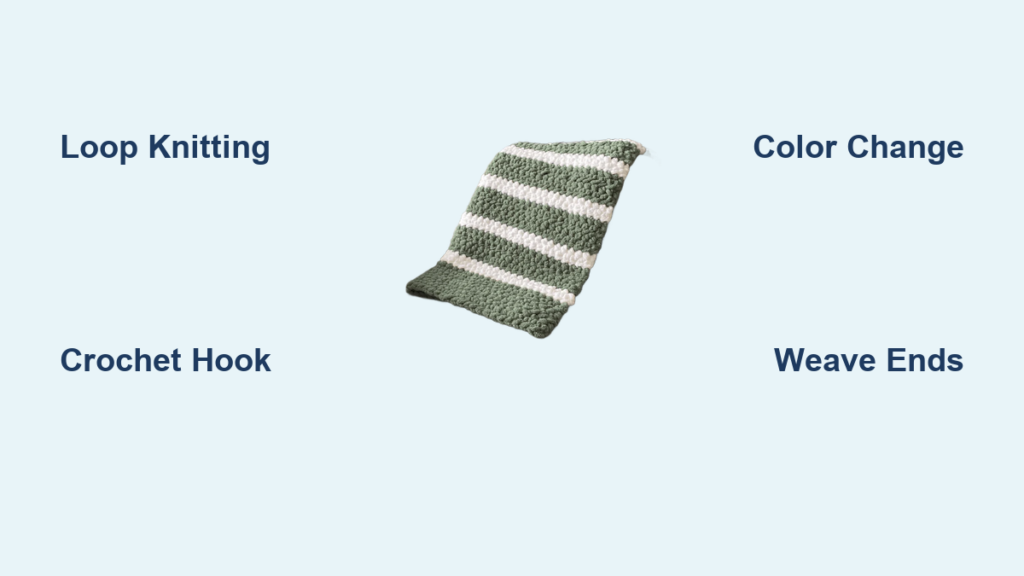
The Eleventh Hour Throw design creates a modern striped look. Work rows 1 through 6 in color A, then rows 7 through 8 in color B. Repeat the pattern of 4 rows A and 2 rows B. Finish with rows 45 through 50 in color A.
This creates balanced contrast with eye-catching stripes.
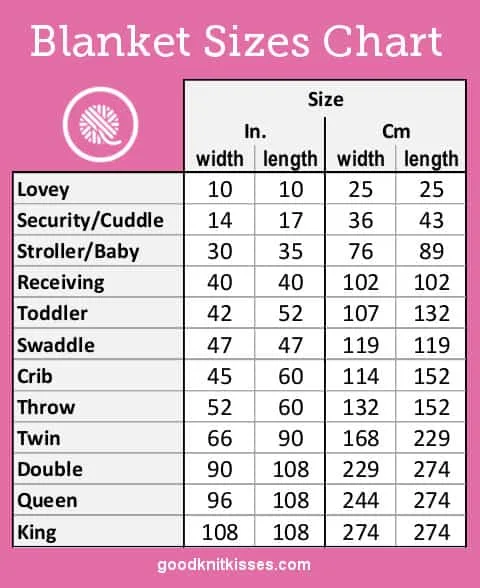
Customize Your Blanket Size
Adjust Width Easily
For crochet projects, change your foundation chain to any multiple of 2 plus 1. For hand-knitting, add or remove foundation loops in increments of 5.
Gauge Note: Five stitches equal 4 inches with a 15 mm hook and Bernat Blanket Extra.
Set Length by Rows
Baby blankets typically need 40 to 50 rows. Throws need 50 to 60 rows. For a playmat, work until you have a square shape.
Use a row counter or tally app to track your progress.
Add Fringe for Style
Cut yarn strands 8 to 10 inches long. Fold each in half and pull the loop through an edge stitch. Thread the ends through the loop and tighten. Space fringe every 2 to 3 stitches along the shorter sides.
Yarn Tip: Add one extra skein if including fringe.
Add Professional Finishing Touches
Single Crochet Border
Prevent rolling and add polish with a single crochet border. Chain 1 but do not turn. Single crochet into each stitch around the blanket. At corners, work 3 sc into one stitch to prevent pulling.
Join to the first sc with a slip stitch and fasten off.
Reverse Single Crochet Crab Stitch
For a firm, decorative edge, try crab stitch. Chain 1 and insert your hook into the next stitch from left to right if you’re right-handed. Yarn over and pull through, leaving 2 loops. Yarn over and pull through both loops.
Work backward around all sides. At corners, work 3 crab stitches per corner. Slip stitch to join.
Result: A smooth, rolled edge that resists fraying.
Weave In Ends Securely
Use a Tapestry Needle
Thread your yarn tail through a tapestry needle. Weave through 5 to 6 stitches on the back, going in multiple directions for chenille security. Trim excess, leaving 1/4 inch.
Warning: Bernat Blanket Extra can unravel if ends aren’t woven well.
Skip Weaving with Solid Color
Crochet the entire blanket in one color to avoid weaving altogether. This is ideal for gifts or beginners.
Estimate Yarn Requirements
| Blanket Type | Skeins Needed | Yardage | Notes |
|---|---|---|---|
| Hand-Knit Throw | 6 | 1,320 yards | Bernat Blanket Big |
| Crochet Throw (Eleventh Hour) | 5 | 485 yards | 3 Color A, 2 Color B |
| Large Crochet Throw | 6 to 7 | 600 to 700 yards | Add +1 for fringe |
| Baby Playmat | 1 to 2 | 220 to 440 yards | Single color |
A small amount of yarn typically remains after the Eleventh Hour pattern.
Complete Your Project in Hours
Time Estimates
A crochet throw takes about 2 to 2.5 hours. A hand-knit throw takes 3 to 5 hours. A baby playmat can be completed in under one hour.
These timeframes make the project perfect for last-minute gifts, baby showers, or weekend projects.
Skill Level
No prior experience is needed. The repetitive hdc and slip stitch pattern and hand-loop method are easy to memorize and forgiving of mistakes.
Care for Your Finished Blanket
Wash and Dry Safely
Machine wash cold on a gentle cycle. Tumble dry low or lay flat to dry. Avoid high heat to preserve softness.
Store Without Stretching
Fold or roll your blanket. Never hang it, as this stretches the edges and ruins the shape.
Long-Lasting Quality
Bernat chenille resists pilling and wear, making it ideal for daily use, kids, and pets.
Frequently Asked Questions About Making a Bernat Blanket
What is the best Bernat yarn for a beginner blanket?
Bernat Blanket Extra is excellent for beginners because its jumbo weight makes stitches easy to see and correct. Bernat Blanket Big also works well, especially for the hand-knit loop method.
How long does it take to make a Bernat blanket?
A crochet throw takes 2 to 2.5 hours. A hand-knit throw takes 3 to 5 hours. A baby playmat can be completed in under one hour.
Do I need knitting needles for a Bernat blanket?
No. The hand-knit loop method requires only yarn and scissors. No needles are needed.
Can I use a Bernat blanket for a baby?
Yes. Both Bernat Blanket Big and Extra are 100% polyester, hypoallergenic, and machine-washable, making them safe for babies.
How do I prevent my Bernat blanket from curling?
For hand-knitting, make the first row slightly looser than normal. For crocheting, add a border like reverse single crochet to stabilize edges.
Can I sell blankets made from Bernat yarn?
You may sell finished items, but check individual pattern licenses. For the Eleventh Hour Throw pattern, you must credit the designer and not claim the pattern as your own.
Key Takeaways for Your Bernat Blanket Project
Making a Bernat blanket is fast, fun, and rewarding. Whether you’re hand-knitting with loops or crocheting with a jumbo hook, you’ll create a plush, durable throw in just hours. With soft chenille yarn, beginner-friendly stitches, and minimal tools, this is the perfect project for gifts, babies, or cozy nights in.
Pick your colors, grab your hook or just your hands, and start crafting your next favorite blanket today. The repetitive patterns are forgiving of minor mistakes, and the chenille texture hides imperfections beautifully.