
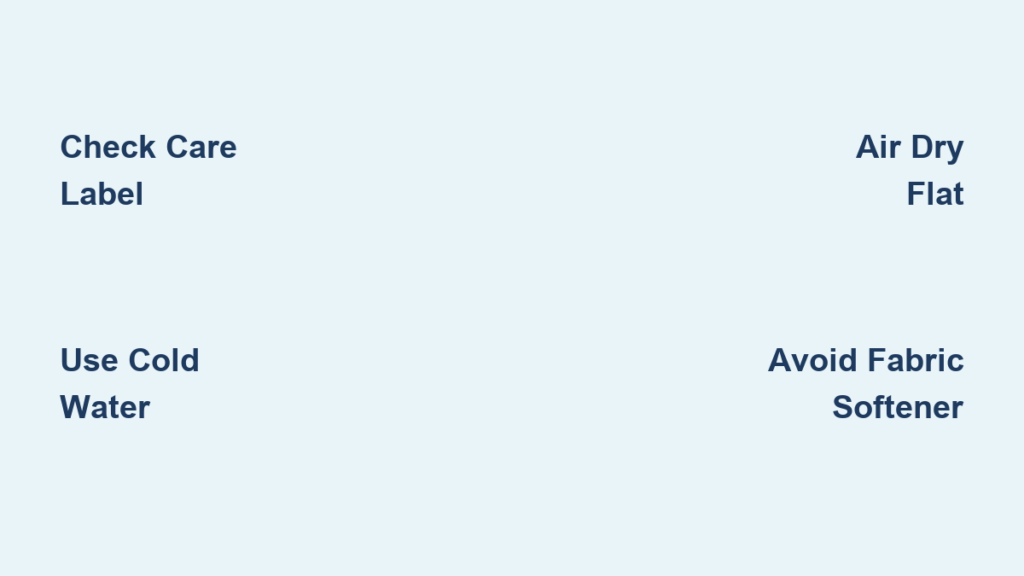
You’ve relied on your weighted blanket for better sleep, anxiety relief, and comfort, but now it needs cleaning. The big question is how do you wash a weighted blanket without ruining its fill, fabric, or balance. Unlike regular bedding, these blankets contain dense materials like glass beads or plastic pellets that can shift, clump, or degrade if cleaned improperly. Washing one incorrectly may lead to shrinkage, torn seams, or a lopsided, unusable blanket.
The good news is most weighted blankets can be safely washed, but only with the right method, settings, and care. This guide gives you a step-by-step plan to clean your blanket at home or know when to seek professional help. You’ll learn how to check care labels, choose the correct washing cycle, prevent damage, dry effectively, and extend your blanket’s lifespan.
Check the Care Label Before Washing
Confirm Your Blanket’s Washing Instructions
Before doing anything, locate and read the care label attached to your weighted blanket. This small tag holds the key to safe cleaning and will clearly state one of three instructions: machine washable, spot clean only, or dry clean only. Never assume your blanket is safe for the washer. If it says dry clean only, home washing risks permanent damage to the fill and fabric. If the label is missing or faded, contact the manufacturer or err on the side of caution by hand washing or using professional services.
Understand What Care Symbols Mean
Care labels use universal symbols that communicate specific instructions. A bucket with water means machine washable, while a hand in a bucket indicates hand wash only. A circle with the letter P means dry clean only, and a square with a circle inside means tumble dry is safe. Crossed-out symbols indicate actions you should not perform. When in doubt, default to gentler methods such as cold water, no spin cycle, and air drying.
Pre-Treat Stains Before Full Washing
Spot Clean Spills Immediately
If your weighted blanket has visible stains from sweat, food, or spills, treat them before attempting a full wash. Delaying treatment can lead to odor buildup or permanent discoloration. Use a soft cloth dampened with cold water and mild detergent. Gently dab the stained area without scrubbing, as aggressive rubbing can push stains deeper into the fabric or damage stitching.
Use Enzymatic Detergent for Organic Stains
For body oils, sweat, or bodily fluids, apply an enzymatic cleaner during pre-treatment to break down proteins and eliminate odors at the source. Let the enzymatic detergent sit for 15 to 30 minutes before proceeding with the full wash. Avoid using bleach, fabric softener, or vinegar-heavy solutions, as these can degrade fibers and leave residue that affects the blanket’s performance.
Choose the Right Washing Method
Can You Machine Wash a Weighted Blanket
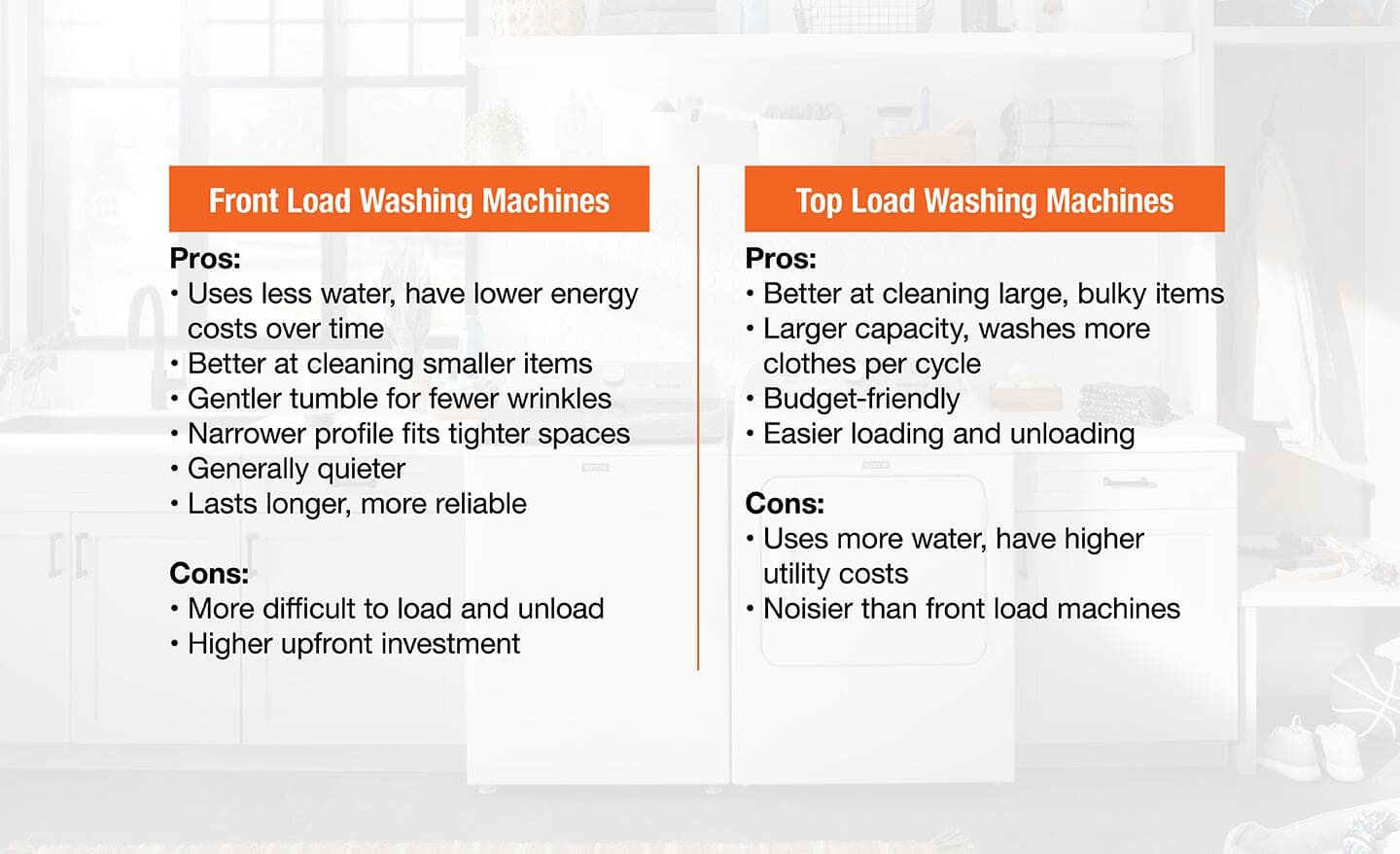
You can machine wash a weighted blanket if the care label permits it and your washer can handle the weight. A soaked 15-pound blanket can weigh 30 pounds or more when full of water, which can strain smaller machines. Front-loading machines are best because they are gentler and balance heavy loads more effectively. Avoid top-loaders with central agitators, as they can snag fabric and damage seams.
Weight Limits by Washer Type
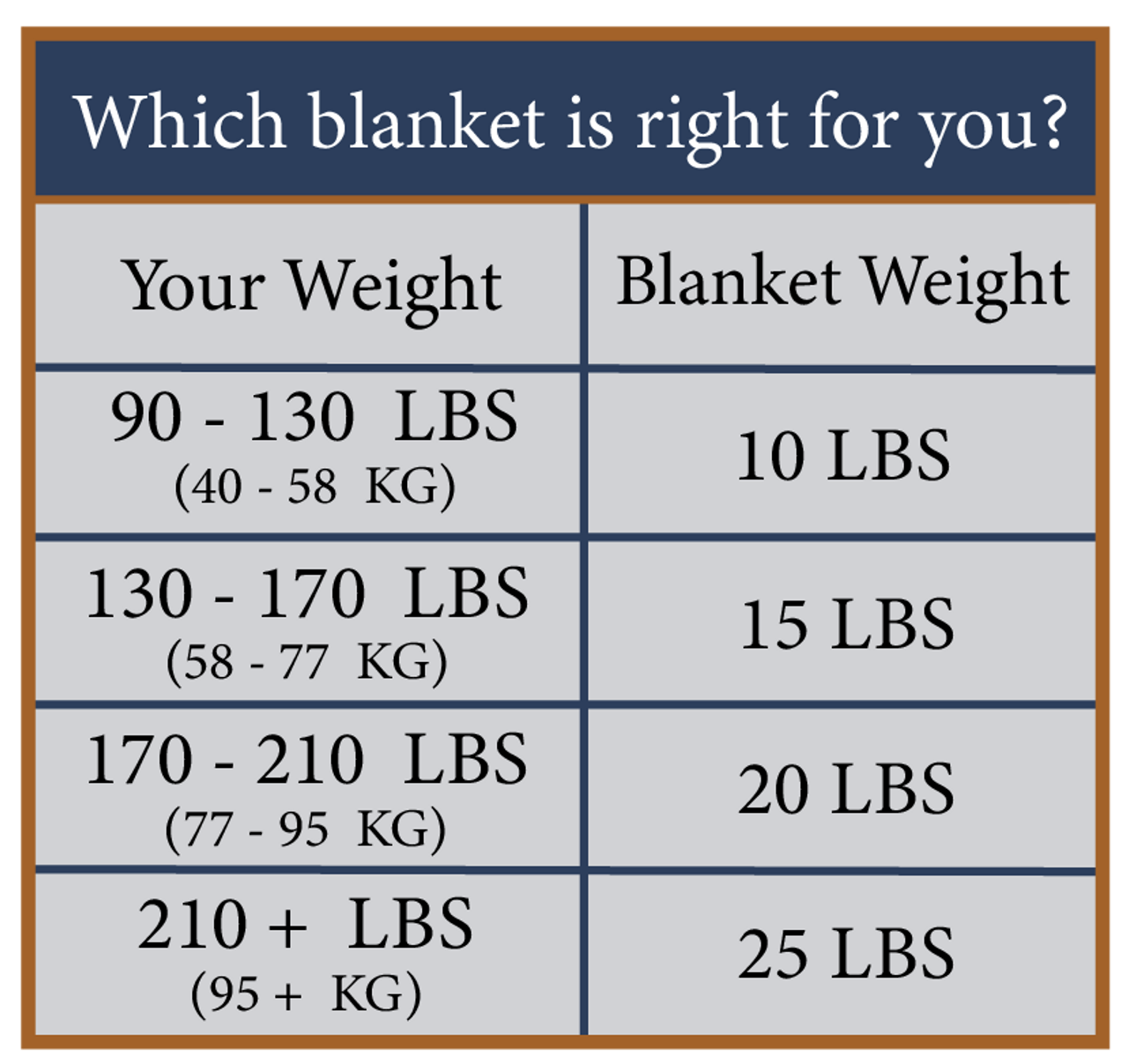
Blanket weight determines the safest washing method. Blankets under 15 pounds are typically safe for home machines, especially front-loaders. Blankets weighing 15 to 20 pounds may fit in large-capacity machines but are often better washed at a laundromat. Blankets over 20 pounds should not be washed in home machines and instead require hand washing or professional cleaning.
| Blanket Weight | Safe For Home Machine | Recommended Method |
|---|---|---|
| Under 15 lbs | Yes (front-loader) | Machine wash |
| 15-20 lbs | Maybe (large capacity) | Laundromat or hand wash |
| Over 20 lbs | No | Hand wash or pro cleaning |
Hand Washing a Heavy Blanket
For blankets too heavy or delicate for machines, fill a bathtub with lukewarm water at 30 degrees Celsius or 86 degrees Fahrenheit. Add a capful of mild liquid detergent, then submerge the blanket and press gently to saturate it. Allow the blanket to soak for 15 to 30 minutes, moving it slowly through the water. Drain and rinse two to three times with clean water, then press out excess water by folding the blanket between towels. Never wring or twist a weighted blanket, as this distorts the fabric and shifts the filler.
Wash With the Correct Settings
:max_bytes(150000):strip_icc()/how-to-select-the-correct-cycle-2145866_FINAL-10d1b95640284e0a8d01d4523455c7ee-25c018a4c0304212a13315b7ab181e33.png)
Select Cold Water and Gentle Cycle
Always select cold or lukewarm water with a maximum temperature of 30 degrees Celsius or 86 degrees Fahrenheit. Choose a gentle, delicate, or hand-wash cycle with low or medium spin speed to reduce stress on the fabric and stitching. Hot water can shrink cotton fabrics, melt plastic pellets, damage glass bead coatings, and weaken stitching.
Pick the Right Detergent
Use only liquid detergent, as powder detergent may not dissolve fully and can leave gritty buildup in filler compartments. Recommended options include Tide Free and Gentle, Tide Original, and Seventh Generation Free and Clear. Never use bleach, fabric softener, or scented boosters like Unstopables, as these coat fibers, reduce breathability, and may void warranties.
Dry Your Blanket Properly
Air Dry Flat Instead of Hanging
This step is critical. Never hang a wet weighted blanket to dry, as the weight of absorbed water can stretch one side, distort the shape, and cause filler to shift toward the bottom. Instead, lay the blanket flat on a drying rack, clean floor, or shower curtain rod. Flip the blanket every few hours to ensure even drying, and keep it out of direct sunlight to prevent fading. Full drying typically takes 24 to 48 hours.
When Tumble Drying Is Safe
Only tumble dry a weighted blanket if the care label states it is safe to do so. If permitted, use low heat or an air-dry setting with no heat. Run the dryer in 10 to 15 minute bursts, adding two or three clean tennis balls or wool dryer balls to prevent clumping. Check frequently and redistribute the filling by hand between cycles. Never use high heat, as it risks melting pellets or damaging coatings.
Prevent Common Washing Mistakes
Top Errors That Ruin Weighted Blankets
Several common mistakes can permanently damage a weighted blanket. Using hot water causes shrinkage and filler damage. Wringing when wet leads to fabric distortion and filler shift. Skipping the care label check risks irreversible damage. Overloading the washer results in poor cleaning and machine strain. Hanging to dry causes permanent stretching.
Why Fabric Softener Causes Problems
Fabric softeners coat fibers and filler beads, reducing breathability and moisture-wicking ability. Over time, this leads to odor retention and decreased performance. Skip fabric softener entirely when washing weighted blankets. Similarly, avoid bleach and harsh chemicals that can degrade the fill and damage the outer fabric.
Use a Removable Cover to Reduce Washing
Protect Your Blanket With a Washable Cover
The smartest way to extend your blanket’s life is using a washable cover. A cover blocks sweat, oils, and allergens, allows weekly cleaning without washing the core blanket, preserves weight distribution, and can add softness or cooling properties. Wash the cover every one to two weeks using cold water and a gentle cycle, then air dry or tumble dry on low heat.
Choose the Right Cover Material
Select a cover made from breathable, durable fabric such as cotton, bamboo, or microfiber. Ensure the cover has a secure closure like a full zipper or snap buttons to stay in place during sleep. A well-fitted cover makes maintenance easy and keeps your weighted blanket fresh for years.
Handle Heavy or Delicate Blankets
When to Use a Laundromat
If your blanket weighs 15 pounds or more, consider using a commercial washer at a laundromat. These machines handle 30-pound loads and reduce the risk of damaging your home machine. Bring mild liquid detergent and allow 1.5 to 2 hours total time. Bringing a friend helps with lifting the heavy, wet blanket. Ensure the blanket moves freely during the cycle and never cram it into the machine.
What to Do With Dry Clean Only Blankets
If the care label says dry clean only, follow that instruction. This designation often applies to silk or wool blends, bamboo fabric, or blankets with natural grain fillers. Take the blanket to a reputable cleaner and specifically mention that it is a weighted blanket so they handle it properly. Avoid solvent-heavy processes unless the manufacturer specifies they are safe.
Maintain Your Blanket Between Washes
Air It Out Monthly
Even without visible dirt, air your blanket monthly to refresh fibers and reduce musty smells. Lay it flat outdoors in the shade for one to two hours. Avoid direct sunlight, as UV rays degrade fabric over time. Monthly airing helps redistribute the filler and keeps the blanket feeling fresh.
Store It Correctly When Not in Use
When storing seasonally, fold the blanket loosely or roll it and place it in a cotton storage bag, never plastic. Keep the blanket in a cool, dry area and avoid basements or attics where humidity can cause mold. Add a sachet of lavender or baking soda to absorb odors during storage.
Remove Odors Without Damage
Why Weighted Blankets Develop Smells
Weighted blankets can develop musty odors from trapped sweat and body oils, incomplete drying, detergent buildup, or damp storage conditions. Addressing the root cause prevents recurring odors.
How to Eliminate Existing Odors
For mild odors, sprinkle baking soda over the blanket, wait 30 minutes, then vacuum gently. For strong odors, rewash with enzymatic detergent and a citric acid-based fabric rinse like Downy Rinse, which is more effective than vinegar at removing odor-causing buildup. Rinse twice to remove all residue, then dry completely before use.
Special Care for Different Blanket Types
Cotton, Minky, and Polyester Blankets
Cotton and minky fabrics are prone to shrinkage, so wash in cold water only and avoid high heat drying. Polyester blankets like Lola weighted blankets are machine washable in cold water with mild detergent and no fabric softener. Hang these blankets to dry, then give them a brief air-fluff cycle in the dryer.
Bamboo and Silk-Blend Blankets
Bamboo and silk-blend weighted blankets are often dry clean only because they are extremely sensitive to heat and agitation. Hand wash only if the care label explicitly permits it, and always use cold water with gentle handling.
Frequently Asked Questions About Washing Weighted Blankets
Can I wash a 15 lb weighted blanket at home?
Yes, if your washing machine is front-loading or high-efficiency with a capacity of 4.5 cubic feet or larger, the care label allows machine washing, and you use cold water with a gentle cycle. When unsure, use a laundromat with commercial machines.
What happens if I wash a dry clean only blanket?
You risk shrinkage, tearing, filler leakage, permanent warping, and voiding the warranty. Always follow the care label instructions to avoid irreversible damage.
How long does a weighted blanket take to dry?
Air drying takes 24 to 48 hours depending on thickness and humidity. Tumble drying on low heat takes one to two hours in short cycles with breaks between each cycle.
Can I wash a weighted blanket in a top-loader?
Only if it is a high-efficiency model without an agitator. Traditional top-loaders with agitators are too harsh and can damage stitching or cause uneven washing.
Why does my weighted blanket smell after washing?
The smell usually comes from incomplete drying, residual detergent buildup, or mold from damp storage. Rewash with enzymatic detergent and a fabric rinse, then dry completely before using or storing.
How often should I wash my weighted blanket?
Wash every one to two months under normal use, or immediately after spills or heavy sweating. If using a removable cover, wash the cover weekly and the inner blanket less frequently.
Key Takeaways for Washing Your Weighted Blanket
Washing a weighted blanket does not have to be stressful when you follow the right steps. Always check the care label first and follow its instructions exactly. Use cold water, gentle cycles, and mild liquid detergent while avoiding bleach, fabric softener, and hot water. Air dry the blanket flat rather than hanging it, or tumble dry on low heat only if the label permits. Using a removable washable cover significantly reduces how often you need to clean the core blanket. For heavy blankets over 15 pounds, consider hand washing or using a laundromat with commercial machines. With proper care, your weighted blanket will stay fresh and functional for years, continuing to deliver the deep-pressure comfort you rely on for better sleep.