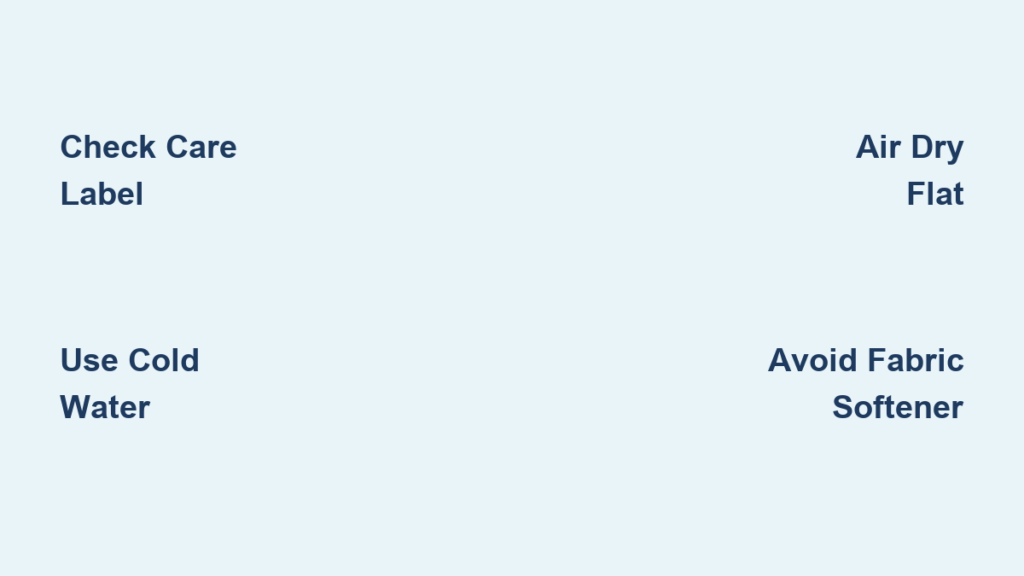
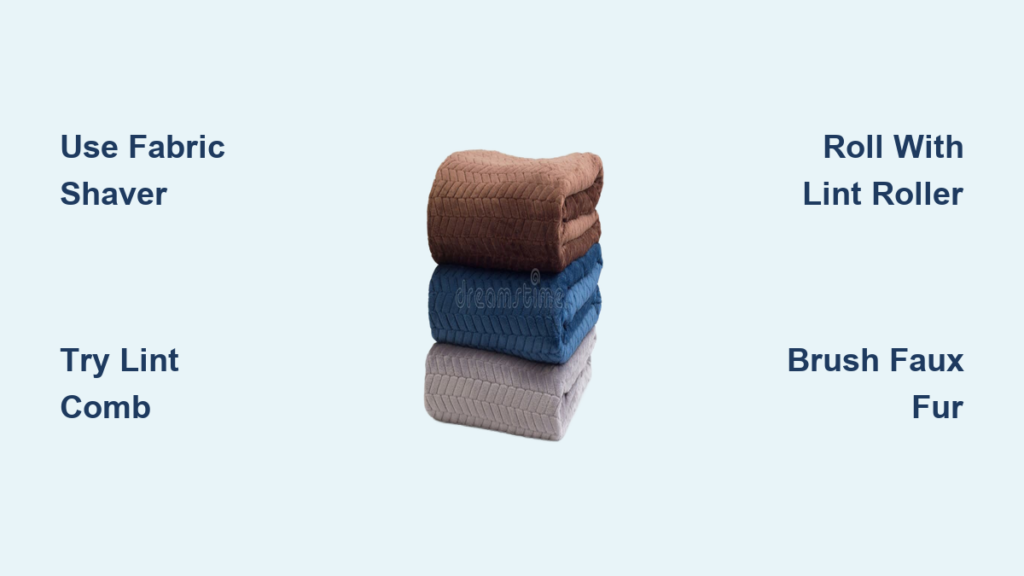
Blankets start shedding and pilling over time, especially those made from fleece, wool, and synthetic materials. If your favorite throw is covered in fuzzy balls or loose lint, you are not alone. Learning how to delint a blanket properly depends on its material, but with the right tools and techniques, you can restore softness and appearance in minutes. Whether you are dealing with new-blanket fuzz or years of wear, this guide delivers proven methods, tool recommendations, and preventive tips to keep your blankets looking fresh. You will learn how to safely remove lint, avoid damaging fabric, and reduce future shedding using simple household tools or affordable gadgets.
Choose the Right Delinting Tool for Your Blanket Material
Not all tools work for every blanket type. Using the wrong tool can damage fibers or make pilling worse. Matching your method to the fabric type delivers the best results.
Fabric Shaver for Fleece and Microfiber Blankets
A fabric shaver quickly removes pills with motorized blades. It works best on flat, densely pilled areas found on fleece, cotton, or microfiber blankets.
The advantages include fast coverage on large surfaces, a built-in lint collector, and adjustable height settings that prevent cutting too deep into the fabric. The drawbacks are a risk of snags if used on loose weaves, and it is not suitable for faux fur or delicate knits.
Pro Tip: Glide the shaver in one direction with light pressure. Avoid going over the same spot repeatedly.
Lint Comb for Wool and Cotton Blankets
A manual de-pilling comb gently lifts pills without harming base fibers. This tool is perfect for wool blankets or textured cotton throws.
To use the lint comb effectively, lay the blanket flat on a clean surface. Angle the comb at 10 to 20 degrees. Pull the comb in straight, overlapping strokes. Clean the comb teeth after each pass.
User Insight: Many users report that wool blankets look like new after combing, with no loss of thickness or warmth.
Lint Roller for Faux Fur and Delicate Fabrics
Sticky rollers pick up surface lint without abrasion. Use this method on faux fur, silk-blend throws, or embellished fabrics that cannot handle mechanical treatment.
The technique involves rolling lightly in one direction across the surface. Replace sheets often to maintain full stickiness. Combine with brushing to realign fibers for the best finish.
Limitation: Lint rollers will not remove embedded pills or deep tangles.
Soft-Bristled Brush for Faux Fur Revival
After washing, use a soft brush to fluff and detangle faux fur. This prevents matting and maintains that plush texture you love.
The steps include gently brushing in the direction of the fibers. Use a wide-tooth comb for deeper tangles. Air dry the blanket flat before brushing to prevent re-matting.
Never use a fabric shaver on faux fur. It will destroy the long fibers and ruin the appearance permanently.
Disposable Razor as a Budget Option
In a pinch, a clean razor can shave off pills from sturdy fabrics like cotton or old fleece. This method works in emergencies but requires caution.
The risks include a high chance of snags, uneven results, and potential fabric damage. If you must use this method, glide lightly in one direction. Rinse the blade often between strokes. Test on a hidden corner first to check for damage.
Step-by-Step: Remove Lint from a Fleece Blanket

Fleece sheds heavily when new and pills with continued use. Here is how to clean it safely and effectively.
Prepare the Blanket Properly
First, lay the blanket flat on a bed or table. Ensure the blanket is dry and taut with no wrinkles. Use bright lighting to spot pills clearly. Test your tool on a small area like the edge to check pressure before proceeding.
Avoid using tools on damp or folded fabric. This significantly increases snag risk.
Shave with a Fabric Shaver
Turn on the device and glide slowly in one direction, overlapping strokes slightly. Pause to empty the lint chamber when it becomes full. Work section by section until the entire surface is smooth and pill-free.
Time Estimate: Plan for 10 to 15 minutes for a full-size blanket.
Follow Up with a Lint Roller
After shaving, roll over the surface to catch loose fuzz missed by the shaver, tiny fibers floating on top, and residual lint near seams. This final step gives a polished, store-bought finish.
How to Clean a Wool Blanket Without Damage
Wool pills naturally but remains warm and durable when cared for properly. Never toss a wool blanket in the dryer. Gentle handling is essential to maintain its shape and longevity.
Hand Wash Heavily Soiled Wool Blankets
For heavily soiled or stiff wool blankets, fill a basin with cold water. Add wool-safe detergent. Submerge the blanket and gently press. Do not scrub or wring. Rinse thoroughly. Roll in a towel to remove excess moisture. Dry flat away from direct sunlight or heat sources.
Never wring or hang wool. It stretches out of shape and may not return to its original form.
De-Pill with a Lint Comb
Anchor the fabric with wide teeth on the comb. Angle the comb and pull across the surface in straight strokes. Focus on high-friction zones like the center and foot end. Wipe the comb clean frequently during use.
Result: A smoother texture without thinning the base fabric.
Store Wool Blankets Correctly
Fold or roll the blanket loosely. Do not compress tightly. Use a breathable cotton storage bag. Add cedar blocks or lavender sachets to deter moths.
Prevent Future Lint and Pilling on Any Blanket
Stop shedding before it starts. These habits reduce lint buildup and extend the life of your blankets significantly.
Wash New Blankets Before First Use
New fleece and synthetic blankets shed the most during the first one to two washes.
Wash new blankets alone in cold water on the gentle cycle. Use mild detergent. Skip fabric softener entirely as it increases pilling. Air dry or use a no-heat tumble setting.
Fact: Up to 90 percent of initial shedding stops after just two washes.
Use White Vinegar in the Rinse Cycle
Add one-quarter cup of white vinegar during the rinse cycle. This removes detergent residue, softens fibers naturally, and reduces static and future lint buildup.
White vinegar is safe for colors and will not leave a smell once the blanket dries.
Wash Blankets in a Mesh Laundry Bag
A mesh bag reduces friction during washing. This is essential for fleece, brushed cotton, and loosely woven throws.
Mesh bags also prevent lint transfer to other clothing items in the same load.
Air Dry Whenever Possible
Heat damages synthetic fibers and causes melting or hardening. Lay flat or hang dry indoors away from direct heat.
If you must use a dryer, select the air fluff setting with no heat. Clean the lint trap multiple times per cycle to prevent buildup.
Tumble drying increases pilling by up to 40 percent over time.
Material-Specific Blanket Care Guide
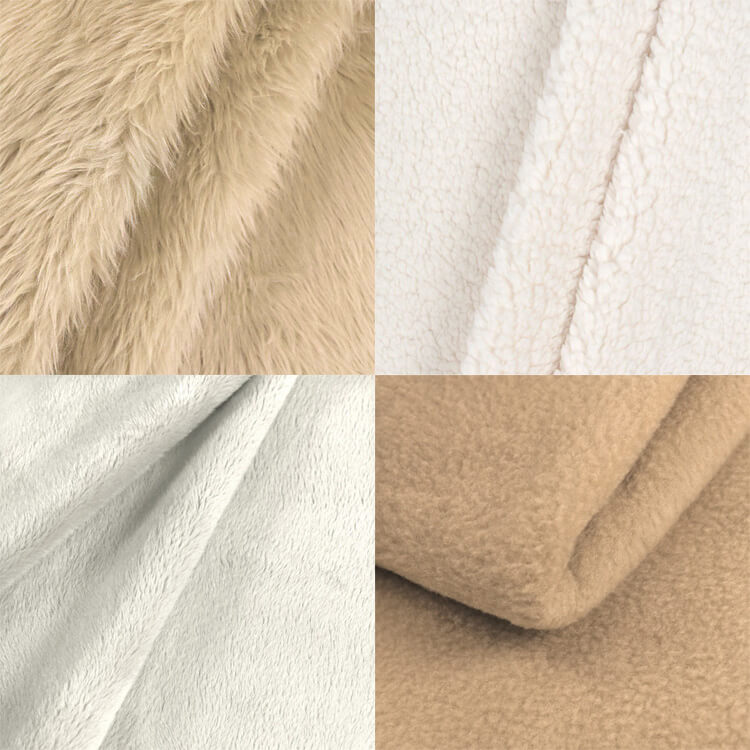
Match your method to the fabric type. One-size-fits-all approaches do not work for delinting.
Fleece Blankets
Fleece requires cold water washing on the gentle cycle with no softener. Air dry or tumble dry on no-heat. Use a fabric shaver or lint comb for delinting. Store folded in a breathable bag.
Avoid high heat on fleece. It can melt fibers and cause hard spots that cannot be fixed.
Faux Fur Throws
Faux fur needs hand washing or a delicate cold-water cycle. Air dry only by laying flat or hanging. Use a lint roller and soft brush for delinting. Fluff with a wide-tooth comb after drying.
Never use electric shavers on faux fur. They destroy the long fibers permanently.
Cotton and Flannel Blankets
Wash cotton and flannel in cold water on the gentle cycle. Dry on low heat or air dry. Use a fabric shaver or lint roller for delinting. Clean the dryer lint filter after each use.
High heat causes shrinkage and increases pilling on cotton fabrics.
Microfiber Blankets
Wash microfiber in cold water with mild detergent. Air dry or use low heat. Use a fabric shaver or lint roller for delinting. Never use chlorine bleach or abrasive cleaners.
High-quality microfiber resists shedding for years when cared for properly.
Avoid Common Delinting Mistakes
Even small errors can ruin a blanket permanently. Watch out for these pitfalls.
Using Fabric Softener
Fabric softener coats fibers, trapping dirt and increasing pilling over time. It leaves residue that reduces absorbency and breathability. Replace fabric softener with white vinegar for softening without the damage.
Myth: Softener reduces static. Truth: It causes more long-term lint and pilling problems.
Overloading the Washer
Crowding the washing machine increases friction between items, accelerating fiber breakdown. Wash blankets alone or with similar fabrics only. Use a mesh bag if washing with other items.
Ignoring the Lint Trap
Shedding blankets clog dryer filters quickly. Clean the lint trap two to three times per cycle. Check the washer drain pump monthly if lint builds up.
Clogged traps reduce dryer efficiency and increase fire risk.
Storing Blankets in Plastic Bags
Plastic bags trap moisture and promote mildew or musty odors. Use cotton storage sacks instead. Add silica gel packs in humid climates to absorb excess moisture.
When to Replace vs. Repair a Blanket
Some damage cannot be fixed. Know when to let go.
Keep and Repair If
Pilling is light to moderate. The fabric is still thick and warm. There are no large holes or thin spots.
Time to Replace If
The base fabric is visible through shaves. There are multiple tears or runs. Persistent odor remains after washing. Fuzz returns within days of cleaning.
High-quality blankets last five to ten years with proper care.
Best Delinting Tools Ranked by Performance
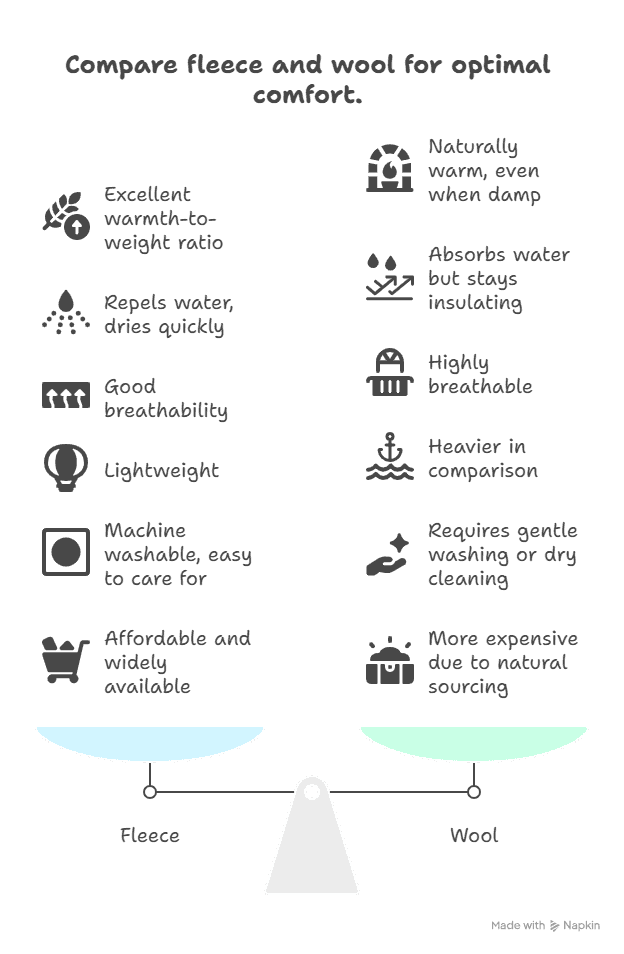
Based on user reviews and durability testing, these tools deliver the best results.
Electric fabric shavers rank as the best option for fleece and microfiber. De-pilling lint combs are the top pick for wool and cotton. Reusable lint rollers work well for faux fur and quick fixes. Soft clothes brushes are essential for fluff revival. Mesh laundry bags are a preventive must-have.
Invest in one tool per material type for long-term savings and best results.
Final Tips for Long-Lasting Soft Blankets
Keep your throws soft, clean, and lint-free with these expert-backed habits.
Rotate Your Blankets
Use two or three blankets in rotation to reduce wear on any single one. This extends the lifespan by up to 50 percent.
Minimize Friction
Avoid dragging blankets across carpet or couches. Use under a duvet cover or top sheet to protect the surface.
Inspect Monthly
Check for early pilling every month. Removing small clusters is faster and safer than waiting until damage spreads.
Wash Less, Spot Clean More
Over-washing wears out fibers quickly. Treat stains immediately instead of subjecting the entire blanket to washing.
Store Blankets Correctly
Keep blankets in a cool, dry place. Fold or roll loosely. Use a breathable container. Add pest deterrents like cedar or lavender.
Frequently Asked Questions About How to Delint a Blanket
How long does blanket shedding last?
Initial shedding from new fleece or synthetic blankets typically subsides after one to two washes. Ongoing shedding in older or low-quality blankets may continue but can be managed with proper care techniques.
Will white vinegar damage my blanket color?
No. White vinegar is safe for most fabrics and does not cause fading. It can actually brighten colors and remove detergent buildup that dulls the fabric over time.
Can a shedding blanket damage my washing machine?
Rarely, but excessive lint can clog the drain pump or filter. The more common issue is lint transfer to other garments in the same load. Clean the lint trap after washing shedding-prone items.
Which blankets shed the least?
Tightly woven, high-quality materials shed the least. This includes high-thread-count cotton percale, linen, and premium microfiber with a smooth finish. These fabrics have fewer loose fibers and greater durability.
Can I use fabric softener to reduce shedding?
No. Fabric softeners coat fibers, leading to increased pilling and linting over time. Use white vinegar instead for natural softening without the damage.
Key Takeaways for Delinting Your Blanket
Learning how to delint a blanket is not a one-size-fits-all process. It depends on the material type, the tool you choose, and your care habits. Fleece responds best to fabric shavers, wool to manual combs, and faux fur to lint rollers and soft brushing. The key is taking action early, using the correct technique, and avoiding common mistakes like fabric softener or high heat. With preventive washing using cold water, air drying when possible, and monthly inspections, even heavily used blankets stay soft and pill-free for years. By matching your method to the fabric and using simple tools, you can restore any blanket to like-new condition quickly, safely, and affordably.