
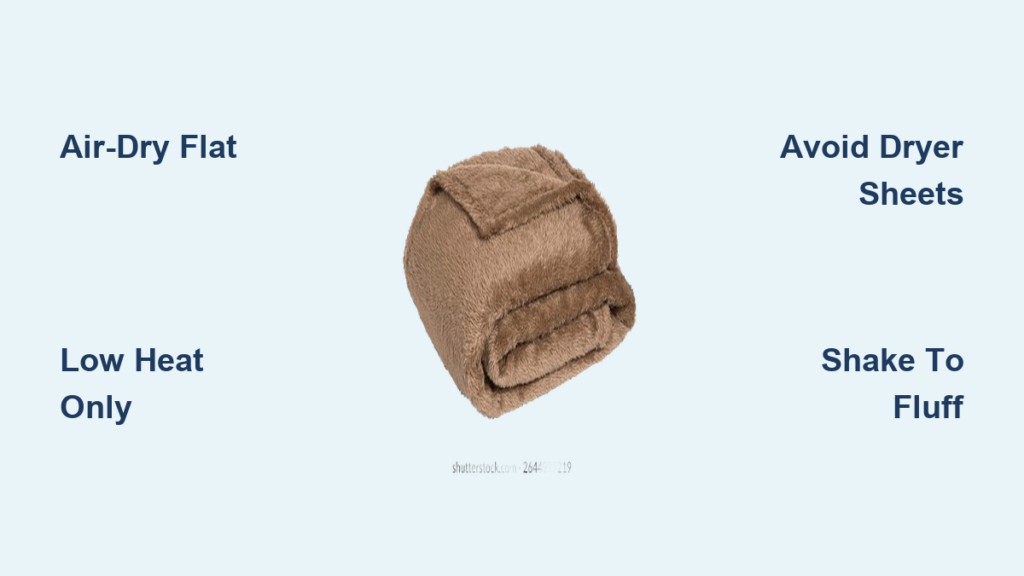
You’ve just washed your cozy fleece blanket, and now it’s time to dry it. But one wrong move—like tossing it into the dryer on high heat—can leave it stiff, matted, or even scorched. Fleece is beloved for its plush warmth and lightweight feel, but because it’s made from polyester, a synthetic fabric, it’s highly sensitive to heat and friction. Improper drying can melt the fibers, ruin the texture, and shorten the blanket’s life.
The good news? Drying fleece correctly is simple when you know the rules. Whether you’re using a machine or air-drying, this guide gives you step-by-step methods to keep your blanket soft, pill-free, and in great shape for years. You’ll learn the safest drying techniques, how to avoid common mistakes, and what to do if your fleece comes out hard or staticky. Let’s protect your favorite blanket the right way.
Air-Dry Fleece for Maximum Safety
Air-drying is the best way to preserve fleece fabrics. It eliminates heat damage and mechanical stress, keeping fibers soft and intact. This method is especially recommended for thick, large, or older fleece blankets that are more prone to wear. Indoor drying protects the material from UV exposure while giving you complete control over the process.
Lay Flat on a Drying Rack
Use a clothes airer or drying rack to support the full weight of the blanket. Laying it flat prevents stretching and ensures even drying. Keep space around all sides for airflow, avoid placing on carpet or damp floors, and flip halfway through drying for balanced results. Never hang fleece over a single line—this causes uneven strain and deformation.
Avoid Direct Sunlight
While you might be tempted to dry outdoors, direct sun fades colors and weakens synthetic fibers over time. UV exposure can make fleece brittle and rough. Dry in a shaded, well-ventilated area, prefer indoor drying for safety and control, and keep away from humid zones like bathrooms. Good airflow speeds drying without risking damage.
Time Required for Air-Drying
Air-drying typically takes 12–48 hours, depending on blanket thickness and humidity levels. Thicker blankets naturally take longer, while humid environments can double drying time. Check the blanket periodically and flip sides once to ensure even drying throughout.
Machine Dry Fleece Safely
You can use a dryer, but only on low or no heat. High heat melts polyester fibers, causing them to harden and lose fluffiness. If you’re short on time, use the dryer for a short cycle to remove moisture, then finish drying flat. Always monitor the process closely to prevent overheating.
Set Dryer to Low or No Heat
High heat ruins fleece—it melts fiber tips, leading to hard, crunchy patches. Always select “tumble dry low,” “air fluff” (no heat), or “delicate” or “synthetics” cycle. If your dryer lacks these settings, use the shortest cycle and check early. Never use high heat under any circumstances.
Load Smartly
Dry alone or with other fleece items only. Never mix with cotton towels or jeans—lint transfer and abrasion cause pilling. Don’t overload the dryer; leave room for air circulation. A crowded drum traps moisture and increases friction, which damages fibers.
Boost Drying Without Heat

Speed up drying safely with these proven tricks. Add wool dryer balls to separate fibers, improve airflow, and reduce static. Toss in 2–3 dry towels to absorb moisture without heat, cutting drying time significantly. Skip dryer sheets—they leave a waxy coating that dulls softness and breathability. Dryer balls are reusable and fleece-friendly; use 3 for a full-sized blanket.
Prepare Fleece for Drying
Remove Excess Water Gently
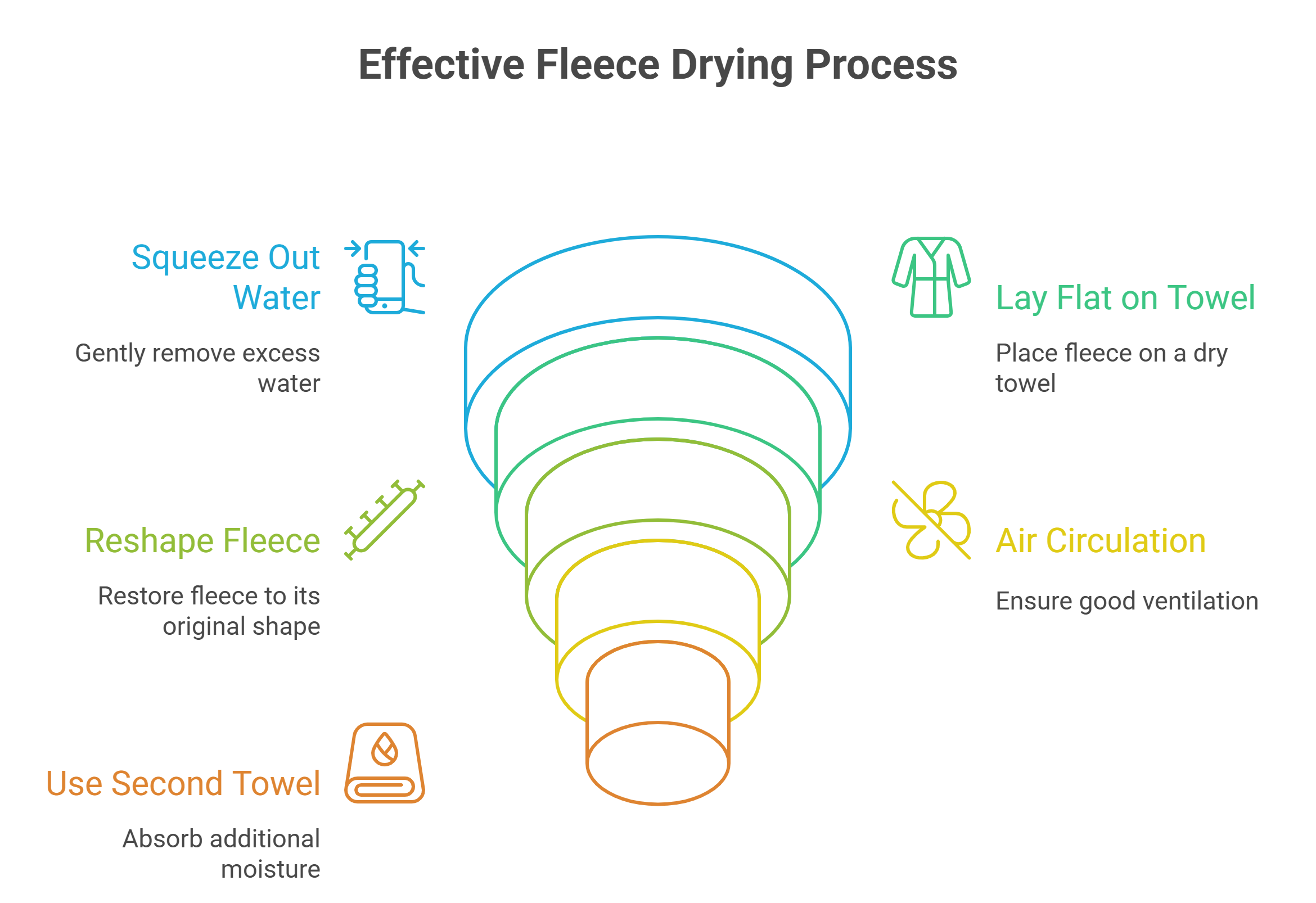
After washing, don’t wring or twist the blanket. This can stretch the fibers and distort the shape. Instead, press the blanket against the side of the tub to squeeze out water. Lay it flat in a clean towel and roll to absorb moisture, then unroll and transfer to the drying area. This step reduces drying time and prevents water pooling.
Shake to Loosen Fibers
Before drying, shake the blanket vigorously. This separates matted fibers, reduces drying time, and helps prevent pilling. Do this outdoors if possible to release loose lint and dust. This simple step makes a noticeable difference in the final texture.
Prevent Common Drying Problems

Stop Fleece from Getting Hard
Hardness after drying usually means heat damage (fibers melted and stiffened), detergent residue from overuse or poor rinsing, or over-drying that increases static and stiffness. To fix it, rewash in cool water with minimal detergent, air-dry flat, and avoid heat forever after. Once fibers are melted, damage is permanent—prevention is key.
Reduce Static Cling
Synthetic fleece builds static when over-dried. Prevent it by removing the blanket immediately after drying. Use wool dryer balls instead of dryer sheets. Lightly mist with water if static occurs, and dry for shorter periods to keep static under control.
Avoid Pilling and Matting
Pilling happens when fibers rub and tangle into small balls. It’s worsened by high heat, rough fabrics in the load, and over-drying. Prevent it by washing and drying fleece separately, using gentle cycles and low heat, and avoiding over-drying. Remove pills with a fabric shaver or lint roller—never pull by hand.
Stop Edge Curling
Curling or scalloping at the edges is caused by uneven heat exposure. The border shrinks faster than the body, creating ripples. Prevent this by never using hot water or high heat. Once curled, edges rarely return to flat, so focus on prevention. Always wash below 30°C and dry on low or no heat.
Handle Special Fleece Types Carefully
Faux Fur Blankets
Faux fur is not dryer-safe. Heat and tumbling cause matting, tangling, and permanent texture loss. Always air-dry flat, reshaping fur strands with fingers during drying. Brush gently once dry with a soft pet brush, and never wring or fold while wet. Keep it away from pets during drying to avoid snags.
Old or Worn Fleece
Aging fleece is fragile. Thin or pilled areas can tear or stretch easily. Wash by hand in cool water and air-dry only—no machine drying, even on no heat. Support fully during drying to prevent sagging. Treat older blankets like delicate items.
Wash Right to Dry Right
Use Cool Water and Gentle Cycle
Washing sets the stage for safe drying. Protect fibers from the start by using cold or cool water (below 30°C). Select delicate, hand wash, or gentle cycle. Use mild liquid detergent only—avoid powders and bleach. Harsh chemicals weaken fibers and increase drying problems.
Skip Fabric Softener
Never use fabric softener or dryer sheets. They coat fibers with a waxy film that reduces softness over time, blocks breathability, and attracts dirt. Fleece is naturally soft—keep it that way with clean washing, not chemical coatings.
Wash with Similar Fabrics
Safe combinations include other fleece, microfiber, or polyester items. Avoid mixing with cotton, denim, zippers, or Velcro. Mixing causes lint transfer and abrasion, leading to pilling and fuzz loss.
Store Fleece Properly After Drying
Ensure Complete Dryness
Never store a damp fleece. Moisture leads to musty odors, mildew, and fiber breakdown. Wait until the fabric feels completely dry—especially in thick areas. This step is crucial for preventing damage during storage.
Fold, Don’t Compress
Fold neatly to avoid creases. Avoid tight rolling or vacuum storage bags. Don’t stack heavy items on top. Compression flattens fibers and reduces loft, making the blanket less cozy when you next use it.
Use Breathable Storage
Store in cotton bags, canvas bins, or open baskets. Avoid plastic bins or vacuum bags—they trap moisture. Add cedar blocks or lavender sachets to keep moths away and add freshness. Choose a cool, dry, dark closet, check every few months for dampness or odors, and air out seasonally to maintain freshness.
Reduce Environmental Impact
Catch Microplastics
Fleece sheds tiny plastic fibers during washing and drying. These pollute waterways and harm marine life. Use a microplastic filter on your washing machine. Wash in a Guppyfriend bag or with a Cora Ball. Wash less often—every 2–4 weeks for regular use. These tools can capture up to 90% of shedding fibers.
Wash Full Loads
Washing multiple fleece items together reduces fiber shedding per blanket. Combine with other synthetics and avoid small, half-empty loads. More items means less friction per piece.
Limit Wash Cycles
Fleece doesn’t need frequent cleaning. Over-washing accelerates wear and shedding. Daily use: wash every 2–4 weeks. Decorative use: 1–2 times per season. Spot clean spills instead of doing full washes. Less washing equals longer life plus less pollution.
Troubleshoot Drying Issues
Fleece Came Out Stiff? Here’s Why
Common causes include high heat exposure (melts fibers), too much detergent (residue buildup), and over-drying (increases static). Solution: rewash in cold water with half the usual detergent, skip fabric softener, air-dry flat, and once dry, shake or brush gently. Prevent recurrence by always using low heat or air-drying.
How to Restore Fluffiness
If your fleece feels flat, tumble dry on air fluff for 10–15 minutes with dryer balls. Or shake vigorously by hand. Use a soft-bristled clothes brush to lift fibers. Avoid heat—just fluff, don’t dry.
Can You Fix Melted Fleece?
No. Once fibers are melted from high heat, the damage is permanent. The texture cannot be restored. Prevention is critical—always use low or no heat. When in doubt, air-dry. Treat fleece like a delicate—because it is.
Frequently Asked Questions About Drying Fleece Blankets
Can you put fleece in the dryer?
Yes, but only on low or no heat. Use “tumble dry low” or “air fluff.” Never use high heat.
How long to dry a fleece blanket?
Machine (low heat): 30–60 minutes. Air-drying: 12–48 hours. Time varies by thickness and humidity.
Should you use dryer sheets?
No. They leave a waxy coating that ruins softness. Use wool dryer balls instead.
Why is my fleece hard after washing?
Likely causes: high heat, detergent residue, or over-drying. Rewash in cool water and air-dry flat.
Can you dry clean fleece?
Not recommended. Harsh solvents can damage polyester fibers. Stick to gentle home care.
How often should you wash fleece?
Regular use: every 2–4 weeks. Occasional use: 1–2 times per season. Spot clean in between.
Key Takeaways for Drying Your Fleece Blanket
Following these steps ensures your fleece blanket stays soft, warm, and pill-free for years. Air-drying is the safest method, but low-heat machine drying works with proper care. Always avoid high heat, fabric softeners, and improper storage. By washing and drying wisely, you protect both your blanket’s comfort and the environment. Remember: low heat is non-negotiable, gentle handling preserves texture, and prevention matters more than repairs. Keep it simple, gentle, and consistent—for maximum cozy longevity.