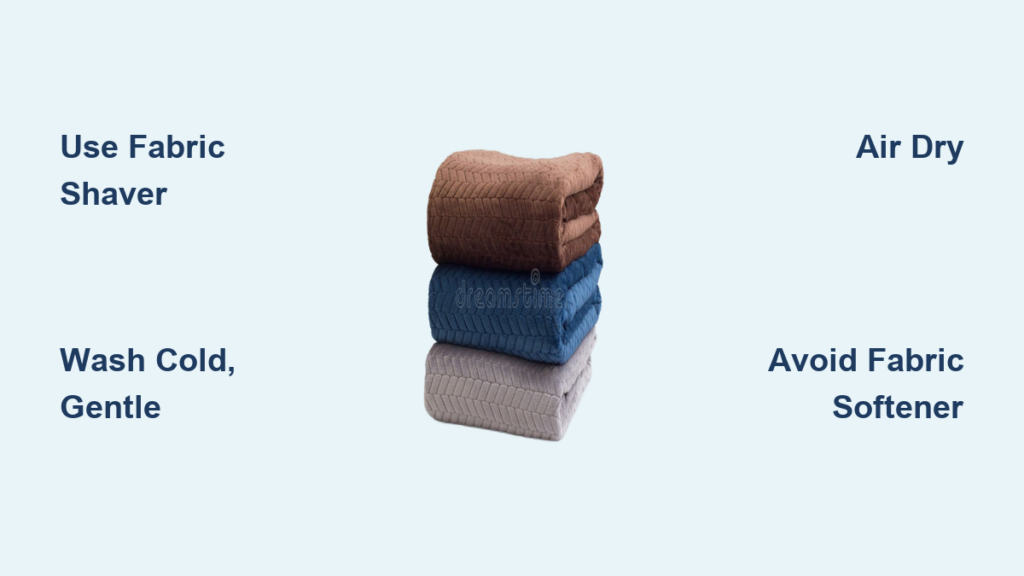
You’re not alone if your cozy fleece throw has turned into a fuzzy, bumpy mess. Blanket pilling—those annoying little balls of fiber that form on fabric surfaces—is one of the most common household textile issues. But here’s the good news: it’s fixable. With the right tools and techniques, you can restore your blanket’s softness and appearance, often making it look almost new. More importantly, you can prevent pilling from coming back with smarter care habits. This guide covers every step, from diagnosing why pilling happens to removing pills safely across different fabrics and adopting long-term prevention strategies that actually work.
Identify the Cause of Pilling
Understanding why your blanket is pilling helps you choose the right fix and stop it from happening again. Pilling isn’t always a sign of poor quality. It’s mainly caused by friction, fiber type, and how you wash and dry your blanket.
Fiber Type Determines Pilling Risk
Different materials pill differently. Here’s how common blanket fabrics behave:
Fleece and polyester pill the most because they’re made of strong synthetic fibers that break but stay attached, tangling into pills. Acrylic blankets, especially knits, degrade quickly with washing and show heavy pilling. Microfiber pills moderately, and higher GSM versions (400+ g/m²) resist better. Cotton tends to shed broken fibers rather than form pills, especially long-staple types like Pima or Egyptian. Wool and merino wool naturally resist pilling due to their scaly fiber structure. Linen barely pills at all, as it’s one of the strongest natural fibers.
Synthetics pill more because their fibers don’t break cleanly. Instead, they fray and tangle. Natural fibers often shed the broken ends, reducing visible pilling.
Fabric Weave and Construction Matter
Tight weaves and high GSM mean fewer exposed fiber ends and less pilling. Loosely knitted or brushed fabrics like fuzzy fleece are built for softness but sacrifice durability. The more fluffy the surface, the more likely it is to pill.
Friction Accelerates Pilling
Daily use creates wear through rubbing against skin, clothes, or furniture. Pet claws kneading or scratching also cause damage. Washing with rough items like jeans or zippers adds abrasion. Tumbling in the dryer creates mechanical stress. Even how you store your blanket matters. Dragging it across carpet or compressing it tightly increases fiber stress over time.
Choose the Right Pilling Removal Tool

Not all tools work for every fabric. Using the wrong one can damage your blanket. Match your tool to your material and pilling severity.
Electric Fabric Shaver for Fast Results
Best for: Fleece, microfiber cotton, and acrylic. Effectiveness: High.
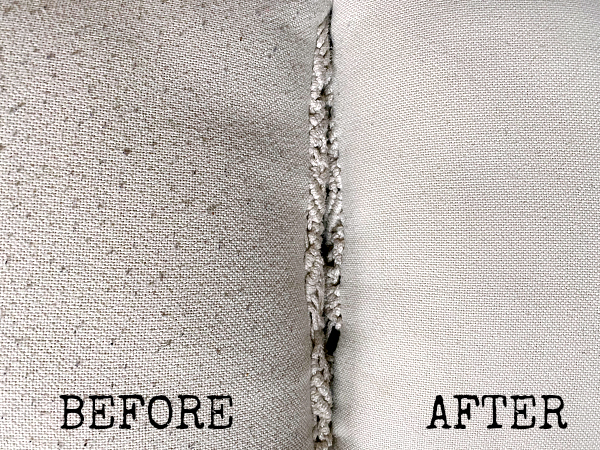
An electric fabric shaver is the fastest way to de-pill large areas. It uses rotating blades behind a safety mesh to cut off pills without slicing the base fabric.
Glide slowly in one direction. Empty the lint chamber often. Test on a hidden corner first. Avoid pressing hard. Let the blades do the work.
This tool is ideal for heavily pilled fleece throws or kids’ blankets that see constant use.
Lint Comb for Delicate Fabrics
Best for: Wool, handmade knits, merino, and thin weaves. Effectiveness: High.
A dual-sided lint comb has wide teeth to loosen pills and fine teeth to extract them. It’s gentle and precise.
Hold the comb flat against the fabric at a 10 to 15 degree angle. Use light, consistent strokes. Clean the teeth frequently. Never press straight down.
This tool is perfect for heirloom knits or expensive wool throws where control is key.
Disposable Razor for Spot Treatment
Best for: Small, localized pilling. Effectiveness: Moderate.
A clean disposable razor works in a pinch. It’s cheap and accessible but riskier than other tools.
Hold at a shallow angle between 10 and 20 degrees. Use short, light strokes. Only use on smooth, flat sections. Avoid loose knits or thin fabric.
This tool is great for touching up a favorite blanket before guests arrive, but not for full restoration.
Lint Roller or Tape for Light Maintenance
Best for: Surface fuzz and light pilling. Effectiveness: Low.
Adhesive rollers or tape rolled sticky-side out lift loose pills quickly. They won’t fix embedded fuzz but are excellent for upkeep.
Roll gently over the surface. Replace sheets or re-form tape as it loses stickiness. Use between deeper treatments.
Keep a lint roller handy for quick refreshes on couch throws or pet blankets.
Avoid Pumice Stones and Scissors
Pumice stones are too abrasive for most fabrics and can tear fibers. Scissors or tweezers take forever and risk cutting the weave. Reserve tweezers only for stubborn, isolated pills after primary treatment.
Step-by-Step: Remove Pilling Safely
Follow this method to restore your blanket without damage. Work section by section for even results.
Prepare the Blanket
Lay the blanket flat on a clean, hard surface like a bed or table. Good lighting helps you spot pills clearly. Shake it out to remove loose debris. Work from top to bottom, left to right, so you don’t miss areas.
Clean Surface First (Optional)
Use the wide-tooth side of a lint comb or a lint roller to remove loose fuzz. This clears the way for deeper treatment and improves tool efficiency.
Use Your Chosen Removal Tool
For Electric Shavers:
Turn it on and glide slowly in straight or circular motions. Move in one direction to avoid redepositing fibers. Empty the lint trap every few minutes. Best for fleece, microfiber, and cotton.
For Lint Combs:
Use the fine-tooth side with gentle, low-angle strokes. Clean the comb often by pulling off built-up lint. Ideal for wool and delicate knits.
For Razors:
Hold at a shallow angle. Use light, short strokes. Stop if you feel resistance. Only for small areas on sturdy fabrics.
For Tape or Lint Rollers:
Dab or roll lightly over surface fuzz. Repeat as needed. Use after deeper treatments to catch leftovers.
Finish and Inspect
Check under bright light for missed pills. Use tweezers to pluck out stubborn clusters. Run your hand over the fabric to feel for smoothness. Shake the blanket well to remove any remaining fibers.
Prevent Future Pilling
Fixing pilling is satisfying, but preventing it saves time and keeps your blankets looking new longer. These habits make a measurable difference.
Wash Smart: Cold Water, Gentle Cycle
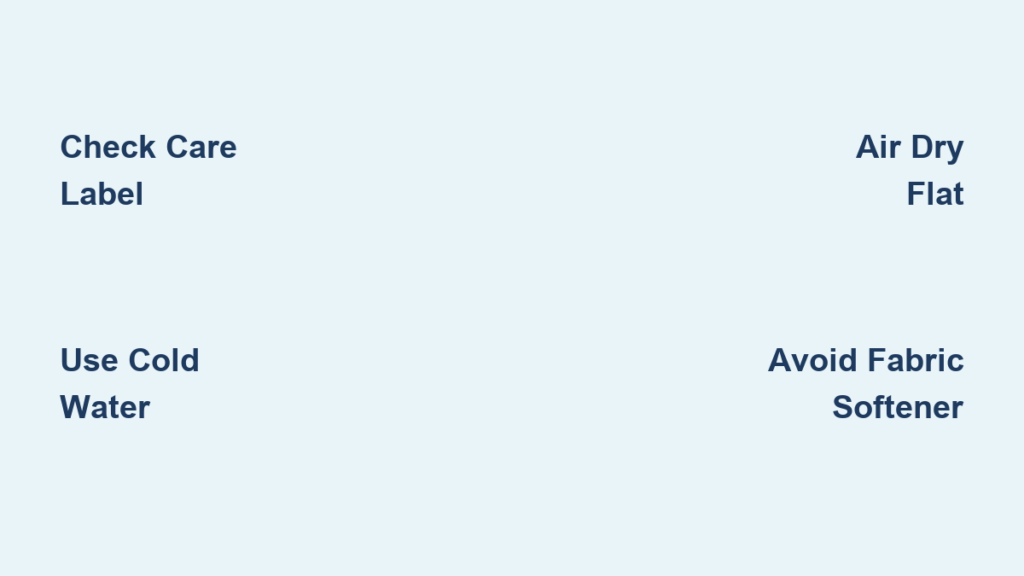
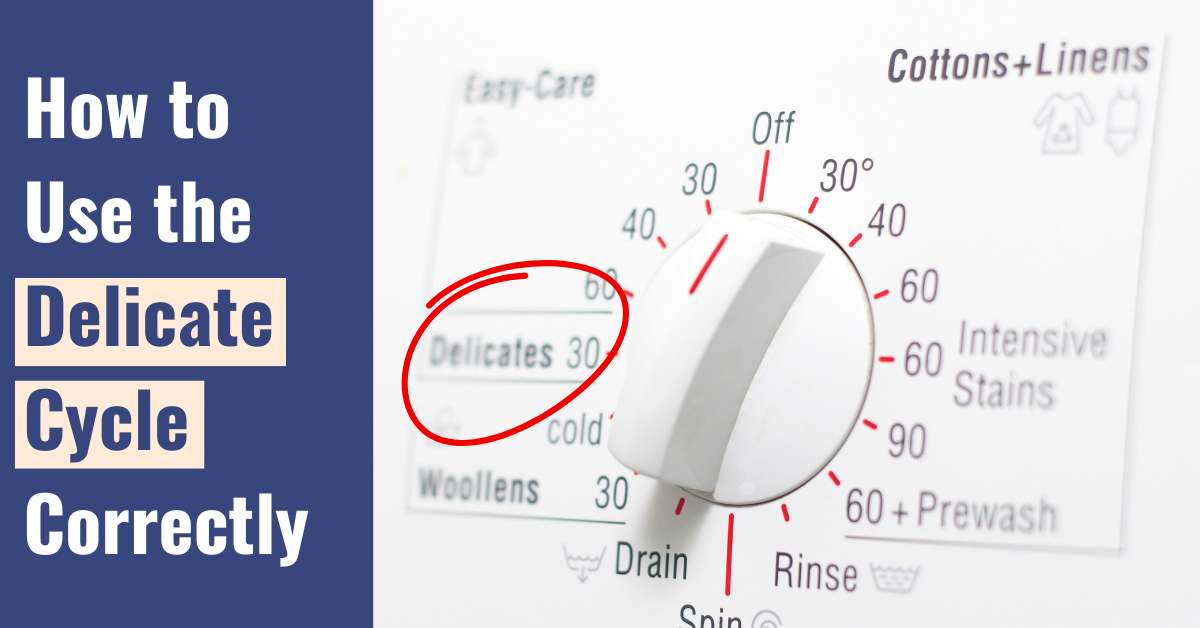
Hot water weakens fibers and can melt synthetics slightly, increasing pilling. Always use cold water. Select gentle or delicate cycle. Turn the blanket inside out. Use liquid detergent, as powder can be abrasive. Wash alone or with soft items like towels, never with jeans, zippers, or buttons.
Use a Mesh Laundry Bag
A zippered mesh bag adds a protective layer during washing. It reduces friction and keeps the blanket contained. This is essential for fleece and knits.
Skip Fabric Softeners and Dryer Sheets
They coat fibers with chemicals that degrade integrity over time and increase static, which attracts lint. Instead, use wool dryer balls to soften fabric naturally. Avoid bleach and scented additives.
Air Dry When Possible
Tumbling in the dryer adds mechanical stress. Air drying, either hanging or laying flat, is the single best way to prevent pilling. If you must machine dry, use low heat or no-heat (air-fluff) setting. Remove promptly to prevent over-drying. Never use high heat.
User feedback confirms that switching to air drying and cold washes dramatically slows pilling.
Rotate and Protect Usage Zones
Rotate blankets regularly to spread wear. Use a duvet cover for expensive comforters. Trim pet claws to reduce snagging. Avoid dragging blankets across rough floors.
Fabric-Specific Fixes and Tips
Different materials need different care. Apply these targeted strategies for best results.
Fix Fleece Blanket Pilling
Fleece pills heavily due to its brushed surface. But it responds well to treatment.
Best tool: Electric fabric shaver. Wash inside out in cold water. Use a mesh bag or even a pillowcase for protection. Air dry or use low heat. Avoid washing with towels or jeans.
High-GSM fleece resists pilling better. Consider upgrading if yours pills fast.
Restore Microfiber Without Damage
Microfiber pills moderately. Care depends on weave density.
Use fabric shaver cautiously and test first. Prefer lint comb for delicate versions. Wash with mild detergent. Never use fabric softener. Air dry to preserve fibers.
Some microfiber weaves are fragile. Aggressive tools can leave bald spots.
Care for Cotton and Cotton-Blend Blankets
Cotton sheds more than it pills, but blends especially with polyester can still develop fuzz balls.
Use fabric shaver, lint comb, or roller. Machine washable in cold or warm water. Air dry or use low heat. Choose long-staple cotton (Pima, Egyptian) for less pilling.
Tighter weaves last longer and feel smoother.
Handle Wool and Wool-Blend Blankets Gently
Wool naturally resists pilling, but friction can still cause minor fuzz.
Use sweater comb or soft fabric brush. Hand-pick small pills. Use electric shaver only if labeled for delicates. Hand wash or use wool cycle. Lay flat to dry, never wring. Dry clean high-end wool items.
Avoid powder detergents and high heat.
Protect Handmade Knit or Crochet Blankets
Loose stitches make handmade blankets vulnerable.
Use lint comb (preferred) or fabric shaver on low pressure. Hand wash in cold water. Gently press out water, no wringing. Lay flat to dry. Block if needed to restore shape.
For future projects, use tighter stitches and smaller hooks or needles to reduce pilling.
Maintain Luxury Blankets Safely
Down, silk, cashmere, and high-end comforters rarely pill, but pets or friction can cause issues.
Use sweater comb or professional fabric shaver. Never use razors or pumice stones. Follow manufacturer instructions. Use duvet covers as a barrier. Consider professional cleaning.
Trim pet claws and use throw blankets as shields.
Choose Low-Pilling Blankets When Buying
Prevention starts at purchase. Look for these features.
Natural fibers like cotton, wool, and linen resist pilling better. Long-staple cotton or merino wool offers smoothness and durability. High-GSM synthetics (400+ g/m²) with tight weaves perform well. Avoid ultra-soft brushed finishes if durability matters. Tighter knits in handmade items reduce vulnerability.
Higher-quality blankets last longer and respond better to care. As one expert noted, higher-priced, well-constructed blankets last significantly longer than budget alternatives, justifying the initial investment.
Maintain Blankets Long-Term
Pilling can return, but regular care keeps it under control.
Schedule Routine Maintenance
De-pill every three to six months. Treat early, do not wait for severe buildup. Combine methods: shaver for 80%, tape for finishing touches.
Most blankets can be safely de-pilled multiple times with proper tools.
Post-Treatment Care
Shake out thoroughly after de-pilling. Wash in cold water on gentle cycle to remove loose fibers. For knits, block after washing to restore shape. Store folded or rolled, avoid tight compression.
Know About Anti-Pill Treatments
Some brands use anti-pilling finishes or tighter weaves called anti-pill fleece. These reduce fiber exposure and tangling. Check product details when shopping.
Protect Warranty Eligibility
Always check the care label. Some premium brands offer warranties but void them if you use improper tools or cleaning methods. Follow guidelines to stay covered.
Frequently Asked Questions About Blanket Pilling
What causes blanket pilling?
Blanket pilling happens when fibers break due to friction, become loose, and tangle together while remaining attached to the fabric. Synthetic fabrics like fleece and polyester are most prone because their strong fibers don’t break cleanly. Natural fibers tend to shed instead of forming persistent pills.
Can you fix pilled blankets at home?
Yes, you can fix pilled blankets at home using the right tools. An electric fabric shaver works best for large areas on fleece and microfiber. Lint combs are ideal for delicate fabrics like wool. Disposable razors work for spot treatment. Always test on a hidden corner first to avoid damage.
Does washing a pilled blanket make it worse?
Improper washing can make pilling worse. Hot water weakens fibers, aggressive cycles cause abrasion, and washing with rough items like jeans adds friction. To prevent making pilling worse, always wash in cold water on gentle cycle, use a mesh laundry bag, and avoid fabric softeners.
How often should you de-pill a blanket?
You should de-pill a blanket every three to six months, depending on use. Treating early prevents severe buildup and makes removal easier. Heavily used blankets or those in high-friction areas may need more frequent attention.
Does air drying really prevent pilling?
Yes, air drying is one of the most effective ways to prevent pilling. Machine drying, especially on high heat, adds mechanical stress that breaks fibers and causes pilling. Air drying eliminates tumbling friction and helps blankets last longer.
What is the best tool for removing pilling from fleece blankets?
The best tool for removing pilling from fleece blankets is an electric fabric shaver. It quickly removes pills from large areas without damaging the base fabric. Glide slowly in one direction and empty the lint chamber frequently for best results.
Key Takeaways for Fixing and Preventing Blanket Pilling
Blanket pilling is treatable and preventable with the right approach. Start by identifying the cause, whether it’s fiber type, friction from use, or improper washing habits. Choose your removal tool based on fabric type: electric shavers for fleece and microfiber, lint combs for wool and delicates, and razors only for small spot treatments on sturdy fabrics.
Prevention matters more than repair. Wash blankets in cold water on gentle cycle, always inside out, and use a mesh laundry bag. Skip fabric softeners and air dry whenever possible. These simple habits dramatically reduce future pilling.
For long-term success, choose quality blankets made from natural fibers or high-GSM synthetics with tight weaves. Maintain your blankets with routine de-pilling every three to six months. With consistent care, your favorite blanket can stay cozy and pill-free for years.