You’ve just finished turning out your horse, and now it’s time to put away their blanket. A neatly folded horse blanket isn’t just about barn aesthetics. It’s a crucial part of maintaining your gear, since improper folding can lead to damaged seams, degraded waterproofing, and tangled straps that shorten the life of an expensive piece of equipment. Whether you’re storing turnout rugs for the off-season or organizing daily coolers in your stall, knowing how to fold a horse blanket the right way saves time, space, and money. This guide walks you through every step, from prep to storage, with proven techniques used by professional grooms.
Clean and Dry Your Blanket Before Folding
Always start with a clean blanket. Dirt, sweat, and mud break down fabric over time and can cause odors or skin irritation when reused. Check the manufacturer’s label for washing instructions, and use equine-safe detergent. Never use fabric softener, as it clogs breathable membranes and reduces water resistance.
Wash According to Care Labels
Most machine-washable blankets can be cleaned on a gentle cycle using equine-safe detergent. For stubborn smells, add an odor eliminator to the wash cycle. If hand-washing, use lukewarm water and scrub gently with a soft brush.
Dry Completely to Prevent Mold
Never fold a damp blanket. Moisture trapped in layers leads to mold, mildew, and musty odors that damage fabric and pose health risks to horses. Air-dry blankets flat or hang them over two rails to allow airflow. Tumble dry only if recommended, using low heat to avoid melting waterproof coatings.
Pro Tip: In humid climates, let blankets dry overnight even if they feel dry to the touch. Run your hand along the inner lining to confirm no residual moisture remains.
Reproof and Inspect Before Storage
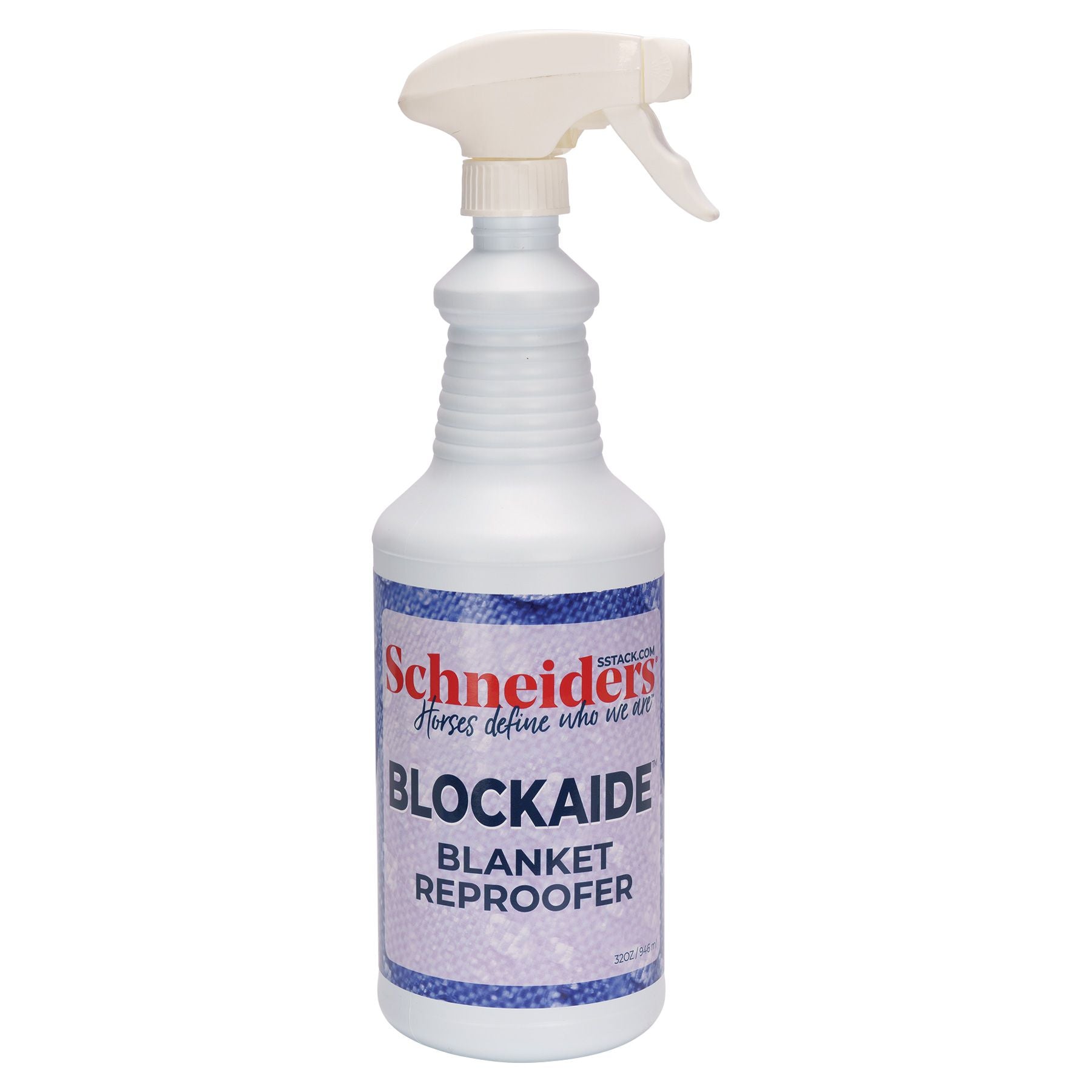
Turnout blankets lose water resistance after repeated washing. To restore protection, use a spray-on reproofing treatment and apply it evenly to the outer surface while the blanket is still slightly damp. Let it air-dry fully before folding.
Reapply Waterproofing After Washing
Apply a reproofing treatment like BlockAide or Schneiders Spray On Blanket Re-Proofer to the outer surface while the blanket is still slightly damp. Let it air-dry completely before folding. Skipping this step means your horse may get wet during rain, even if the blanket looks intact.
Inspect for Damage
Before storing, examine every component. Check leg straps, surcingles, and buckles for wear. Look for loose stitching, especially around stress points. Test Velcro strength and replace if it no longer holds. Fix small tears with patch kits or send heavily damaged blankets to a professional repair service.
Label Your Blankets for Easy Identification
Keep your tack room organized by labeling each blanket. Use waterproof tags or write directly on storage bags with the horse’s name, blanket size, and weight. This prevents confusion during seasonal changes and makes turnout faster when weather shifts unexpectedly.
Fold in Thirds for Compact Storage
This method produces a neat, compact rectangle ideal for storage bags or bins. It works well for most blanket types and is the most commonly used technique.
Lay Flat With Spine Facing Up
Begin on a clean, dry surface. Never fold on the barn floor. Position the blanket with the spine facing up and the belly strap side facing you. This orientation ensures symmetry and makes folding easier.
Tuck All Straps Inside
Secure loose parts before folding. Tuck belly straps, leg straps, tail cord, surcingles, and neck fasteners. Leave Velcro slightly open to prevent it from sticking permanently during storage.
Fold Front and Back Toward Center
Bring the front third (neck area) inward toward the middle. Then fold the rear third (tail flap) over the front section. The result should be a neat rectangle with all hardware tucked safely inside. Think of rolling a burrito: layer one end over the center, then the other.
Flip and Smooth
Turn the folded blanket over and smooth out wrinkles. For lightweight sheets, fold in half again for extra compactness.
Spine-Fold for Long-Term Storage

This method reduces stress on seams and maintains shape over months of inactivity. It’s best for heavyweight winter blankets or rarely used rugs.
Align Along the Midline
Place the blanket outer side down. Bring one side over to meet the other, aligning shoulders and girth areas precisely. This creates a clean lengthwise fold.
Fold Tail and Neck to Center
Fold the tail section forward to the midpoint. Then fold the neck section back over the tail fold. You now have a thick central block with both ends secured.
Complete Final Fold Upward
Lift the bottom edge (belly area) and fold it upward to meet the top. If needed, fold once more to fit into storage bins.
Handle Hoods and Neck Covers Carefully
Hooded blankets require special attention to avoid creasing or tearing at the neck seam. This method creates a self-contained, compact unit.
Prepare Blankets With Attached Hoods
Lay the blanket inside facing up to protect the outer shell. Fold the tail inward first. Bring both sides toward the center, keeping straps tucked. Create a V-shaped chest fold by folding the front back toward the center.
Secure the Neck Section
Fold the neck flaps inward on both sides. Use the built-in Velcro tab to close the hood. Wrap surcingles around the bundle to hold everything in place.
Hang Neatly With Half-and-Hang Fold
When storing in the barn for daily use, hanging keeps blankets accessible and wrinkle-free. This method works well with stall door bars.
Fold for Stall Door Bars
Lay flat with spine up. Tuck all straps. Fold in half lengthwise along the spine. Fold the belly edge up to meet the spine line. Now pick up the bundle at the center seam.
Drape Over Blanket Bar
Hook the open tail end over a stall-mounted bar or S-hook. The folded sides will hang evenly, preventing slipping.
Use Burrito-Style Fold for Beginners
New to horse care? Try the burrito-style fold. It’s intuitive and effective for non-turnout blankets like coolers or fleece sheets.
Simplify With a Familiar Analogy
Lay the blanket flat, spine up. Tuck all straps. Fold the bottom (belly) up one-third, like wrapping the base of a burrito. Fold the neck down over it, overlapping slightly. Roll or tuck the sides toward the center.
Note: This method is not ideal for turnout blankets with rigid coatings. Stick to thirds or spine-fold for those.
Store Blankets Properly After Folding
How you store folded blankets determines how well they hold up over time. Choose the right solution for your needs.
Use Blanket Bars for Daily Access
Wall-mounted or rolling racks keep blankets off the ground and allow airflow. They’re ideal for multi-horse barns. Pair with the half-and-hang fold for best results.
Slide Into Storage Bags for Off-Season
Clear vinyl bags protect from dust, pests, and moisture. Zippered or drawstring closures keep contents secure. Add a dryer sheet inside to prevent musty smells during long storage.
Stack in Lidded Plastic Bins
For attic or shed storage, use stackable plastic totes. They’re rodent-proof when sealed and perfect for seasonal rotation. Label each bin clearly so you don’t rely on memory six months later.
Avoid Common Folding Mistakes
Several mistakes can damage your blankets during storage. Learn to recognize and prevent these issues.
| Mistake | Why It’s Bad | How to Fix |
|---|---|---|
| Folding while damp | Causes mold and odor | Always dry completely |
| Leaving straps loose | Creates tangles and tripping hazards | Tuck all straps before folding |
| Folding over thick seams | Causes pressure marks and weak spots | Smooth fabric as you go |
| Storing in direct sunlight | Fades color and degrades fabric | Use shaded, cool areas |
| Overloading bins | Crushes insulation and damages stitching | Do not stack more than 4 to 5 blankets |
Red Flag: If a blanket comes out of storage with deep creases or stiff fabric, you’re folding too tightly or storing improperly.
Follow the Final Folding Checklist
Before putting any blanket away, run through this quick checklist.
- Wash and fully dry the blanket
- Reapply waterproofing if it’s a turnout rug
- Repair any tears or broken buckles
- Tuck all straps and close Velcro partially
- Fold using thirds, spine-fold, or hang method
- Store in labeled bag, bin, or on a rack
- Keep in a cool, dry, ventilated area
Frequently Asked Questions About Folding Horse Blankets
What is the best way to fold a horse blanket for storage?
The standard thirds fold works best for most storage situations. Lay the blanket flat with the spine facing up, tuck all straps inside, fold the front third toward the center, then fold the rear third over the front. This creates a neat rectangle that fits easily into storage bags or bins.
Should I wash my horse blanket before folding it for storage?
Yes. Always wash blankets before storing them. Dirt, sweat, and mud break down fabric over time and can cause odors. Use equine-safe detergent and avoid fabric softeners, which damage waterproof membranes. Ensure the blanket is completely dry before folding.
How do I fold a horse blanket with a hood or neck cover?
Lay the blanket inside facing up to protect the outer shell. Fold the tail inward first, then bring both sides toward the center. Create a V-shape at the chest by folding the front back toward the center. Fold the neck flaps inward and use the Velcro tab to secure the hood. Wrap surcingles around the bundle to hold everything in place.
Can I store horse blankets in plastic bins?
Yes, plastic bins work well for seasonal storage. They protect against dust, pests, and moisture. Choose bins with lids and label each one clearly with the contents. Do not overload bins, as excessive weight can compress insulation and damage stitching.
How often should I reproof my turnout blanket?
Reapply waterproofing treatment after every few washes, or at least once per season. Turnout blankets lose water resistance over time, even if they still look intact. Spray-on reproofing treatments work well and should be applied while the blanket is slightly damp.
What happens if I fold a damp horse blanket?
Folding a damp blanket causes mold, mildew, and musty odors. These damage the fabric and can pose health risks to horses. Always ensure blankets are completely dry before folding. In humid climates, let blankets dry overnight even if they feel dry to the touch.
Key Takeaways for Folding Your Horse Blanket
Folding a horse blanket correctly is more than just neatness. It’s a form of equipment maintenance that extends the life of your gear and protects your investment. A well-folded blanket lasts longer, performs better, and reflects pride in your horse care routine. Always clean and dry blankets thoroughly before storage, and don’t skip the waterproofing treatment for turnout rugs. Whether you use the standard thirds fold for quick storage or the spine-fold for winter hibernation, consistency matters. Pair proper folding with smart storage solutions, and your blankets will be ready season after season, keeping your horse dry, warm, and comfortable without unnecessary replacement costs.