You wake up to a damp spot on your favorite blanket or catch a sour, unmistakable odor. Your cat has peed on it. You are not alone. Thousands of pet owners face this every year, and the good news is that cat urine can be removed from blankets if you act quickly and correctly.
The key is understanding that cat urine is not just a stain. It contains uric acid crystals, proteins, and pheromones that bond tightly to fabric fibers. Regular laundry won’t cut it. Hot water can set the stain permanently. And masking the smell with perfumes only invites your cat to mark again. This guide walks you through proven, step-by-step techniques to fully eliminate both stain and odor.
Immediate Response: Stop the Spread
Act fast. The sooner you respond, the better your chances of complete removal.
Blot, Don’t Scrub
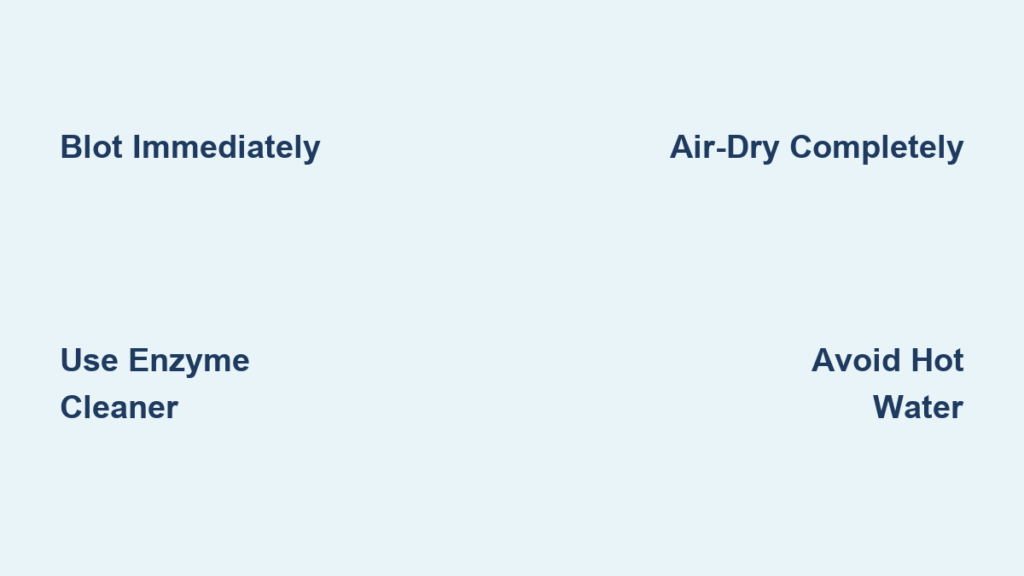
Use paper towels or a clean, absorbent cloth to press firmly on the wet area. Apply steady pressure for 30 seconds, then lift. Repeat until no more moisture transfers.
Scrubbing pushes urine deeper into fibers and spreads the stain. Blotting lifts liquid without agitation.
Rinse with Cold Water
If the blanket allows, hold the stained area under cool running water from the back side. This pushes urine out rather than in. Rinse for one to two minutes.
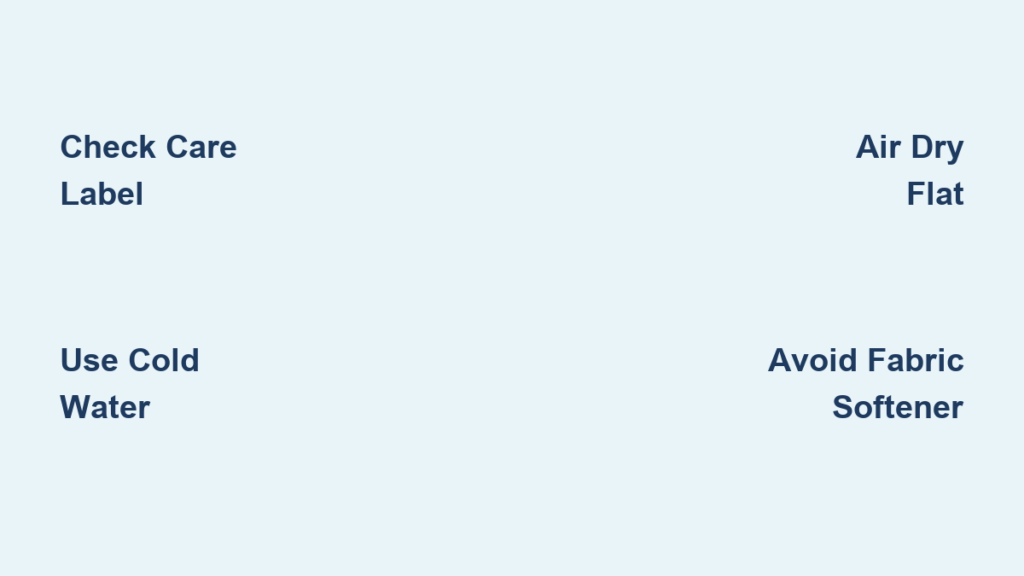
Never use hot water at this stage. Heat denatures proteins and sets the stain permanently.
Blot dry again with clean towels. The goal is removing as much urine as possible before cleaning chemicals even touch the fabric.
Enzyme Treatment: Break Down Odor at the Source
:strip_icc()/remove-urine-odor-from-laundry-555190_FINAL-0c3497f65b8445819aab6fc316081a0e.png)
This is the most important step and where most people fail. Only enzymes can destroy uric acid and pheromones, the root causes of lingering odor.
Choose the Right Enzyme Cleaner
Not all cleaners are equal. Avoid scented or deodorizing sprays because they mask rather than eliminate. Use unscented, live-enzyme formulas like Anti Icky Poo Unscented, Nature’s Miracle Cat Urine Destroyer, Earthworm Carpet and Upholstery Cleaner, or Rocco and Roxie Stain and Odor Remover.
Concentrates like Zeiff Pro-Grade offer better value for repeated use.
Apply and Wait
Saturate the entire area, going two to three inches beyond the visible stain. Use a squeeze bottle for thick blankets to ensure deep penetration. Do not blot or wipe after application because enzymes need moisture to work.
Let the enzyme sit for six to 24 hours, ideally overnight. Short treatments fail on deep or old stains.
For extra-thick blankets, use the towel sandwich method. Place dry towels under and over the wet area to draw out excess liquid without disturbing enzyme action.
Pre-Soak: Loosen Crystals and Boost Cleaning
Even after enzyme treatment, a pre-soak dramatically improves results, especially for old or repeated stains.
Vinegar Soak for Most Fabrics
Fill a washer or basin with cold water. Add one cup of white distilled vinegar. Submerge the blanket and soak for one to four hours.
Vinegar neutralizes ammonia, loosens fabric fibers, and helps dissolve uric acid crystals.
Never mix vinegar with hydrogen peroxide or bleach. Toxic fumes can form.
Oxygen Bleach Soak for Colorfast Fabrics
If vinegar is not enough or the blanket is white or color-safe, use half a cup of oxygen bleach. Soak in cool water for one to four hours. Do not use chlorine bleach because it reacts with urine to form toxic chloramine gas and can set odors.
Oxygen bleach releases hydrogen peroxide which oxidizes organic matter, but it is less effective than enzymes on uric acid.
Washing: Two Cycles for Guaranteed Results
One wash is not enough. Use a two-cycle approach to ensure complete odor removal.
Cycle One: Vinegar-Only Wash
Fill the washer with hot water only if the fabric allows and odor is gone. Add 16 ounces or two cups of white vinegar. Run a full cycle without detergent.
This dissolves remaining uric acid crystals and disinfects without residue.
Only use hot water after confirming no odor remains. Heat can bake in any remaining proteins.
Cycle Two: Enzyme Detergent Wash
Use cold or lukewarm water if any odor remains. Add enzyme-based detergent like Tide with enzymes or Persil Bio. Also add half a cup of baking soda, half a scoop of OxiClean, and a quarter cup of liquid enzyme cleaner to the drum or dispenser.
Select the bedding cycle or extra rinse to flush all residues.
Drying: Avoid Heat Until Odor Is Gone
This is where many people fail. Heat sets residual odor permanently.
Air-Dry First
Hang the blanket outdoors if possible. Sunlight helps oxidize lingering compounds. If indoors, place in a well-ventilated room with a fan. Ensure it is 100 percent dry before storage because dampness breeds mildew and musty smells.
If using a dryer, use low or cool heat only and only after confirming no odor.
Boost Odor Removal in the Dryer
For a final touch, create a DIY baking soda dryer pack. Mix a quarter cup of baking soda with three handfuls of coconut fiber. Dampen slightly, dry for two to three days, then pack into pantyhose or cheesecloth. Before drying, spritz with water and toss in the dryer.
Each pack lasts up to 10 loads. Add a dryer sheet inside for light fragrance.
Old or Stubborn Stains: Advanced Tactics

If the blanket still smells after washing, do not give up. Deep or repeated stains need multiple treatments.
Reapply Enzymes After Drying
Treat the dry blanket again with enzyme cleaner. Let it sit overnight. Wash and air-dry again.
Enzymes need time and moisture. Drying between treatments allows reapplication to deeper layers.
Use a Wet-Dry Vacuum
For thick or layered blankets, apply enzyme cleaner first, then use a Shop-Vac to extract excess liquid. This reduces drying time and pulls out dissolved waste.
Find Hidden Stains with UV Light
Use a blacklight flashlight in a dark room. Cat urine glows yellow-green or white under UV light.
Check the entire blanket even in areas you did not suspect. Treat all fluorescent spots.
Fabric-Specific Tips: Know Your Blanket
Not all fabrics clean the same. Always check the care label first.
Cotton
Cotton is highly washable and responds well to full enzymatic plus vinegar treatment. It is safe for hot water after odor removal.
Fleece or Polyester
These fabrics trap odors in fibers and require longer enzyme dwell time. Avoid high heat because it can melt fibers or set odor.
Wool, Down, or Silk
These require hand wash only or professional cleaning. Enzymes may damage protein-based fibers. Use cold water and mild detergent instead.
Electric Blankets
Never submerge an electric blanket. Spot clean with enzyme spray and blot gently. Do not saturate near electrical components. Air-dry completely before use.
Why Regular Laundry Fails
You have washed the blanket. The stain is gone. But the smell returns when it gets damp.
Here is why. Standard detergents do not break down uric acid. They remove surface dirt but leave behind crystals that re-dissolve with moisture.
And if you used hot water or the dryer too soon, you have heat-set the proteins, making them nearly impossible to remove.
Enzymes are living bacteria that digest uric acid and pheromones. Only they can deliver permanent results.
Prevent Recurrence: Health and Behavior Check
Before blaming your cat, rule out medical issues.
Medical Causes of Inappropriate Urination
Urinary tract infections, bladder stones, kidney disease, diabetes, hyperthyroidism, and inflammatory bowel disease can all cause accidents.
Schedule a veterinary exam with urine and blood tests.
Behavioral Triggers
If health is clear, consider stress from new pets or moves, litter box problems, multi-cat conflict, or preference for soft surfaces.
Add one extra litter box for each cat in your household. Use unscented clumping litter. Try Feliway pheromone diffusers to reduce anxiety. Store blankets out of reach or use deterrent sprays.
Frequently Asked Questions About Removing Cat Urine from Blankets
Does cat urine come out of blankets permanently?
Yes, cat urine can be removed permanently from blankets. The key is using enzyme-based cleaners that break down uric acid crystals and pheromones, not just mask the smell. Follow the full protocol including proper dwell time, cold washing, and air drying.
Why does the cat pee smell return after washing?
The smell returns because standard detergents do not destroy uric acid crystals. These crystals remain in the fabric and re-dissolve when exposed to moisture or humidity. Heat from a dryer can also set remaining proteins permanently.
Can I use hot water to wash a blanket with cat urine?
No. Never use hot water initially because it denatures proteins and sets the stain permanently. Use cold or lukewarm water for the first wash. Hot water is only safe after confirming all odor is gone.
What is the best enzyme cleaner for cat urine on blankets?
The most recommended options include Anti Icky Poo Unscented, Nature’s Miracle Cat Urine Destroyer, Earthworm Carpet and Upholstery Cleaner, and Rocco and Roxie Stain and Odor Remover. Always choose unscented versions.
How long does enzyme cleaner need to sit on a blanket?
Enzyme cleaner needs to sit for six to 24 hours, ideally overnight. Short dwell times of 15 minutes or less are ineffective on deep or old stains. Enzymes need moisture and time to digest uric acid and pheromones.
Key Takeaways for Getting Cat Pee Out of Your Blanket
:max_bytes(150000):strip_icc()/how-to-get-cat-pee-out-of-bedding-7089856__V2-d55fcfbcfda74b53906d22ceb3ce0fe1.jpg)
Acting quickly with the right method makes all the difference. Always blot first, never scrub, and rinse with cold water to prevent setting. Enzyme cleaners are non-negotiable for permanent results because they break down uric acid crystals that standard detergents leave behind.
Two wash cycles work better than one. Start with a vinegar-only cycle, then follow with enzyme detergent, baking soda, and OxiClean. Air-dry completely before using heat. Patience matters here. Deep stains may need two to three full treatments over several days.
Finally, rule out medical causes with your veterinarian. Inappropriate urination often signals urinary tract infections, kidney disease, or other health issues. Address the underlying cause while treating the blanket, and you will stop the cycle for good.