Few things are more frustrating than spotting a stain on your favorite white blanket, especially when it seems set in for good. Whether it’s sweat, coffee, blood, or tomato sauce, a stained white blanket can quickly go from cozy comfort to eyesore. The good news? Most stains can be removed effectively if you act quickly and use the right method. This guide gives you a step-by-step, stain-by-stain roadmap to restore your white blanket to its original brightness using safe, affordable, and often household ingredients. You’ll learn which products work best for each type of stain, how to prevent heat from setting stains, and how to care for delicate or bulky blankets like down comforters.
Immediate Stain Response Steps
Acting fast is the single most important factor in successful stain removal. The longer a stain sits, the deeper it sets into fabric fibers, making it exponentially harder to remove.
Blot, Don’t Rub
As soon as you notice a stain, blot it gently with a clean, dry cloth or paper towel. Rubbing spreads the stain deeper into the fibers and can damage the fabric. For liquid spills like coffee, wine, or juice, press down to absorb as much as possible before applying any cleaning solution.
Check Fabric Care Label
Before using any method, inspect the care tag on your blanket. Some white blankets are 100% cotton, others are polyester blends, and many comforters require special handling. If the label says “dry clean only,” spot clean only or consult a professional. For machine-washable blankets, proceed with targeted treatment.
Test Cleaning Solutions First
White doesn’t mean indestructible. Some fabrics can yellow or weaken when exposed to strong agents like hydrogen peroxide or vinegar. Always test your solution on a hidden area like a seam or corner before applying it to the stain. Wait 5 to 10 minutes to check for discoloration or texture changes.
Treat Stains by Type

Different stains require different approaches. Using the wrong method can actually set the stain permanently, so match your treatment to the specific stain type.
Blood Stains: Cold Water Is Critical
Hot or warm water coagulates blood proteins, making the stain permanent. Always use cold water for blood, whether it’s from a nosebleed, cut, or pet accident.
For fresh blood:
• Rinse the stain under cold running water from the back to push the blood out
• Apply 1 to 2 teaspoons Dawn dish soap directly
• Gently rub with fingers or a soft brush
• Let sit 10 minutes, then rinse again with cold water
• Wash in cold water with regular detergent
For dried or set-in blood:
• Dab with 3% hydrogen peroxide using a cotton ball
• Blot don’t rub until the stain fades
• Alternatively, make a baking soda paste (2 parts baking soda, 1 part water), apply, let sit 1 hour, then rinse
• Never dry until the stain is completely gone
Sweat and Deodorant Stains
Sweat combines with aluminum-based deodorants to form insoluble salts that cling to fabric, causing yellow buildup over time. These stains are particularly common on blankets used nightly.
Effective treatments:
• Vinegar soak: Mix equal parts white vinegar and water. Soak stained areas for 30 minutes, then wash in warm water
• OxiClean paste: Mix powder with liquid detergent to form a paste. Apply to stains, let sit overnight, then wash
• Lemon juice and sunlight: Squeeze lemon juice on the stain, sprinkle with salt, rub gently, and air-dry in direct sunlight. UV rays amplify lemon’s natural bleaching effect
Prevention tip: Switch to aluminum-free deodorants and wash blankets more frequently if used nightly.
Coffee and Wine Stains
Tannin-based stains act as natural dyes and can become permanent if heated. Blot immediately and rinse from the back of the fabric.
Best removal methods:
• Dawn dish soap: Apply directly, let sit 10 to 15 minutes, rinse with cold water
• Salt for coffee: Sprinkle on wet stain to absorb oils and pigments. Gently rub, then rinse
• Club soda for wine: Pour directly on red wine. Let it fizz for 10 minutes. Carbonation lifts color
• Vinegar soak: Soak in 1 to 1 vinegar-water mix for 30 minutes, then wash
For stubborn stains, follow with an oxygen bleach soak overnight before laundering.
Grease and Oil Stains
Water can spread grease, so don’t wet the stain first. Absorb surface oil with paper towels before applying any cleaning solution.
Step-by-step removal:
• Blot excess grease with paper towels
• Sprinkle baking soda, cornstarch, or baby powder over the stain
• Let sit overnight to draw out oil
• Brush off thoroughly the next day
• Apply enzyme-based liquid detergent, rub gently, let sit 10 to 15 minutes
• Rinse with cold water, then wash in warm water with detergent
For lingering greasiness, soak in equal parts vinegar and water for several hours before washing.
Urine Stains and Odor
Urine stains present two challenges: visible discoloration and lingering odor from uric acid crystals. Both must be addressed for complete removal.
Complete cleanup process:
• Blot excess do not rub
• Rinse with cold water to flush uric acid crystals
• Apply 1 to 1 white vinegar and cold water solution. Soak 10 to 15 minutes
• Sprinkle baking soda over the area. Let sit 15 to 30 minutes to neutralize odor
• Wash in warm water with detergent and 1 cup vinegar in the rinse cycle
Safety warning: Never use chlorine bleach. It reacts with ammonia in urine to produce toxic fumes.
Grass and Dirt Stains
Organic compounds in grass and dirt bind tightly to fabric fibers, especially cotton. Several treatments can break down these stubborn stains.
Grass stain removal:
• Dab with rubbing alcohol on a cotton ball. Let sit 10 to 15 minutes
• Apply dish soap directly, rub in, let sit 5 to 10 minutes
• Soak in 1 to 1 vinegar and cold water for 30 to 60 minutes
For dirt stains:
• Make a baking soda paste, apply, let sit 30 minutes, then rinse
• Wash with oxygen bleach, not chlorine
Makeup and Lipstick Stains
Makeup stains require treating both the oily base and the pigmented color separately for complete removal.
Oil-based makeup (foundation, concealer):
• Gently scrape off excess with a spoon or dull knife
• Apply Dawn dish soap directly. Rub in, let sit 10 to 15 minutes
• Add a splash of white vinegar for extra degreasing
• Rinse with cold water, then wash in warm water
Pigmented lipstick:
• Dab with rubbing alcohol before washing to lift color
• Test on a hidden area first. Alcohol can bleach some fabrics
Tomato and Curry Stains
These stains contain both oil and strong natural pigments. Treat the oil and dye components separately for best results.
Tomato-based stains (spaghetti sauce, enchilada sauce):
• Scrape off excess
• Pretreat with enzyme-based detergent. Rub in, let sit 10 minutes
• Rinse with warm water
• Wash with oxygen bleach (OxiClean or Clorox 2)
Turmeric (curry) stains:
• Mix equal parts dish soap and white vinegar in cold water. Apply, let sit
• Use baking soda paste to scrub gently
• Soak in white vinegar solution before washing
• Act fast. Turmeric sets quickly
Chocolate and Berry Stains
Both contain fat and natural pigments that require soaking and targeted treatment.
Chocolate:
• Scrape off excess
• Soak in cold water with liquid detergent for 30 minutes
• Wash in warm water with regular detergent
Berry or pomegranate juice:
• Blot, then rinse from back with cold water
• Rub with vinegar and dish soap mix
• Soak in 1 to 1 vinegar-water for 30 minutes
• For stubborn spots, dab with hydrogen peroxide after testing first
Deep Cleaning and Whitening
When spot treatments aren’t enough, a deep clean can restore your blanket’s brightness. Oxygen bleach is the safest and most effective option for white fabrics.
Oxygen Bleach vs. Chlorine Bleach
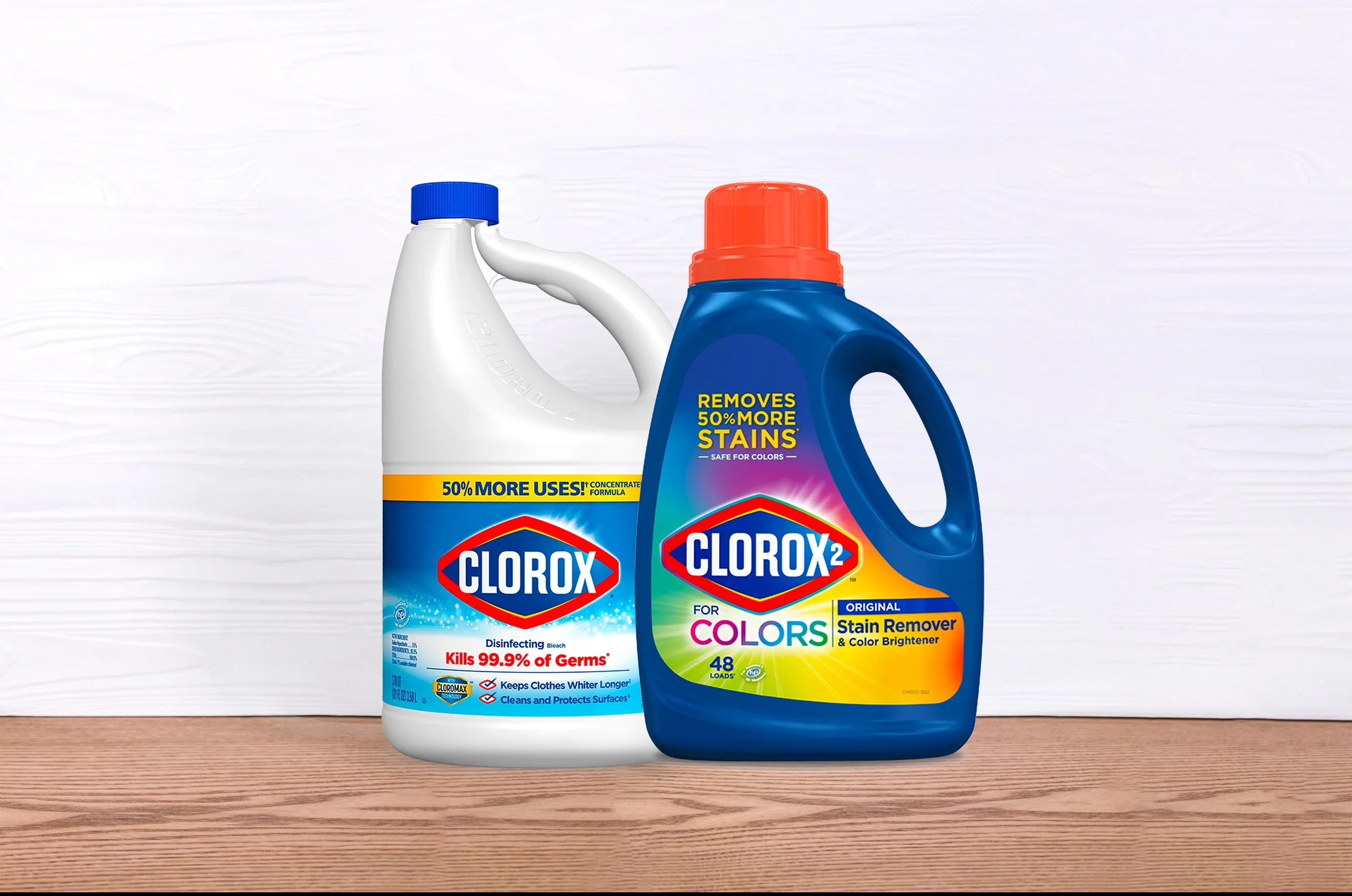
Oxygen bleach (OxiClean, Clorox 2, or generic versions) is safe for whites and won’t weaken fibers. Made from hydrogen peroxide and soda ash, it lifts stains and dinginess without harsh fumes.
Why avoid chlorine bleach:
• Can yellow white fabrics over time
• Never mix with vinegar. It produces peracetic acid, a corrosive gas
• Never use on urine stains. Toxic reaction with ammonia occurs
How to use oxygen bleach:
• Dissolve powder in warm water following package instructions
• Soak blanket overnight for deep cleaning
• Wash as usual the next day
Natural Whitening with Sunlight
After washing, air-dry your blanket in direct sunlight. UV rays naturally break down remaining stains and brighten fibers. Enhance the effect by applying lemon juice before drying.
Pro tip: When spot-treating large areas, lightly dampen surrounding fabric before drying to avoid visible lines at seams.
Care for Bulky and Delicate Blankets
White down comforters require special handling due to their filling. Improper cleaning can cause clumping or mildew.
White Down Comforters
Spot treat first:
• Apply dye-free, enzyme detergent directly to stain
• Rub in, let sit 10 minutes, then rinse with warm water using a damp cloth
Air-dry outer fabric before washing:
• Hang or lay flat with treated side up
• Once dry, check if stain is gone. This prevents unnecessary full washes
Full wash instructions:
• Use a front-loading washer (gentler on filling)
• Add detergent plus oxygen bleach
• Run an extra rinse cycle to remove soap residue
Dry properly:
• Use a large-capacity dryer
• Add 3 to 4 clean tennis balls to fluff the down and prevent clumping
• Dry completely. Damp filling breeds mildew
For non-washable comforters, take to a professional cleaner or use a laundromat with industrial machines.
DIY Cleaning Mixtures That Work
These proven formulas work on multiple stain types and are safe for most white fabrics.
Hydrogen Peroxide and Dish Soap Solution
Best for sweat stains, organic stains, and spot cleaning non-machine-washable blankets.
Recipe:
• 2 parts hydrogen peroxide (3%)
• 1 part dish soap
Application:
• Mix thoroughly
• Apply with a soft brush to stained area
• Let sit 5 minutes, then re-brush
• Wipe with a well-wrung microfiber cloth soaked in cold water
Safety tip: Do not oversaturate. Excess moisture can damage padding or filling.
Carpet-Style Spot Cleaner
This adaptable formula works well on localized, tough stains.
Ingredients:
• Half cup warm water
• 1 drop Dawn dish soap
• 1 teaspoon baking soda
• Quarter cup hydrogen peroxide (use vinegar instead for sensitive fabrics)
How to use:
• Mix gently (don’t let it foam too much)
• Apply to stain with a soft brush
• Let sit 10 to 15 minutes
• Blot with damp cloth, then rinse
• Air-dry completely
Prevent Stains and Extend Blanket Life
Prevention is easier than removal. These habits keep your white blankets cleaner longer.
Wash regularly:
• Wash white blankets every 1 to 2 weeks if used nightly
• Rotate with a second blanket to reduce wear
Dry properly:
• Never dry until stain is gone. Heat sets most stains permanently
• Use low heat or air-dry for delicate fabrics
• Add tennis balls to dryer for fluffy fills
Store clean and dry:
• Store in a breathable cotton bag, not plastic (traps moisture)
• Avoid musty basements or damp closets
Avoid PFAS-treated fabrics:
• Many stain-resistant blankets contain “forever chemicals” linked to cancer and hormone disruption
• Choose untreated, natural fabrics when possible. They’re safer and easier to clean long-term
Key Takeaways for Removing Stains From White Blankets
Almost any stain can be removed from a white blanket with the right approach. The key is acting fast, using the correct water temperature, and choosing the right cleaner for the stain type. Cold water is essential for blood and protein stains, while warm water works better for grease and oil. Always test cleaning solutions on hidden areas first, and never rush to dry a stained blanket. For bulky items like down comforters, use front-loading machines and dry with tennis balls to prevent clumping. With patience and the methods outlined in this guide, you can restore your white blanket’s brightness safely and effectively.
Frequently Asked Questions About Removing Stains From White Blankets
Does hot water set stains on white blankets?
Yes, hot water sets most types of stains permanently. Always use cold water for blood, sweat, and urine stains. Use warm water only after the stain is completely removed.
Can I use chlorine bleach on white blankets?
Chlorine bleach can yellow white fabrics over time and should be avoided. Oxygen bleach (OxiClean, Clorox 2) is safer and effective. Never mix chlorine bleach with vinegar.
How do I get yellow sweat stains out of a white blanket?
Soak in equal parts white vinegar and water for 30 minutes, then wash in warm water. For stubborn stains, apply OxiClean paste overnight before washing. Air-drying in sunlight enhances whitening.
What removes blood stains from white blankets?
Cold water is critical. Rinse immediately, apply Dawn dish soap, let sit 10 minutes, then rinse. For dried blood, apply hydrogen peroxide carefully or use a baking soda paste.
Can I wash a white down comforter at home?
Yes, if you have a front-loading washer. Use enzyme-based detergent and oxygen bleach. Run an extra rinse cycle, then dry with 3 to 4 tennis balls to fluff the down. Ensure it’s completely dry to prevent mildew.