You’re snuggled under your favorite blanket, painting your nails, when a drop lands right on the fabric. Nail polish spills happen fast, and without quick action, that stain can set in and ruin your cozy throw. The good news is that learning how to get nail polish out of a blanket is entirely possible, especially if you act fast.
This guide walks you through proven, fabric-safe techniques that actually work. Whether it’s regular polish or stubborn gel, the right method can save your blanket from permanent damage. You’ll find step-by-step instructions, alternative methods, and critical safety tips to remove nail polish safely and effectively.
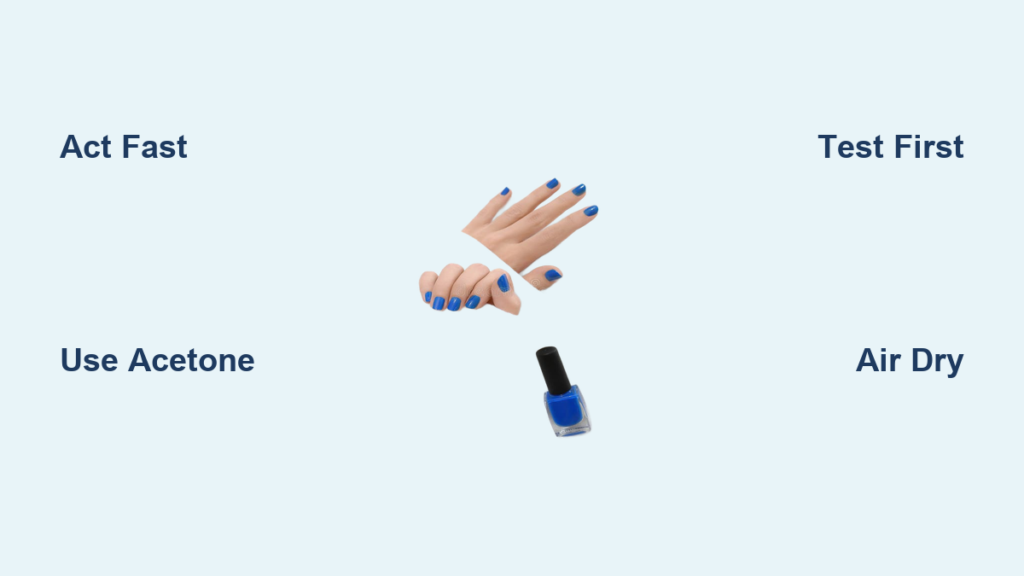
Act Fast: Why Timing Determines Success
The shorter the delay between spill and treatment, the higher your chance of complete stain removal. Fresh spills treated within 5 minutes have a success rate exceeding 95%. Recent spills treated within 24 hours see 70-85% effectiveness. Dried or set-in stains older than 24 hours drop to just 40-60% removal success, with increased risk of permanent discoloration or fiber damage.
Delayed treatment allows the polish to penetrate deeper into the weave, making it more difficult or impossible to remove. This makes immediate action your most powerful tool against nail polish stains on blankets.
Use Acetone for Fast, Effective Removal
:max_bytes(150000):strip_icc()/remove-nail-polish-stains-clothes-carpet-upholstery-2147132-b83a8bb7edb84c6687ca5ddb7921ce3f.png)
Acetone is the most powerful weapon against nail polish stains because it dissolves the nitrocellulose base found in most polishes. When used properly, it can remove both fresh and dried polish from durable fabrics like cotton and polyester.
Apply Acetone from the Back
Always lay the blanket with the stain face down over several layers of paper towels. This setup lets the dissolved polish transfer out of the fabric and into the absorbent material beneath. Soak a cotton ball or white cloth in 100% pure acetone. Avoid moisturizer-infused or colored removers, which leave residue.
Press the soaked pad against the back of the stain for 30-60 seconds. Never rub. Gently dab to lift the polish. Replace soaked paper towels frequently to prevent re-depositing the stain. For gel polish, extend the dwell time by covering the soaked cotton with plastic wrap to slow evaporation and let it sit for 15-20 minutes before blotting.
Rinse and Launder After Treatment
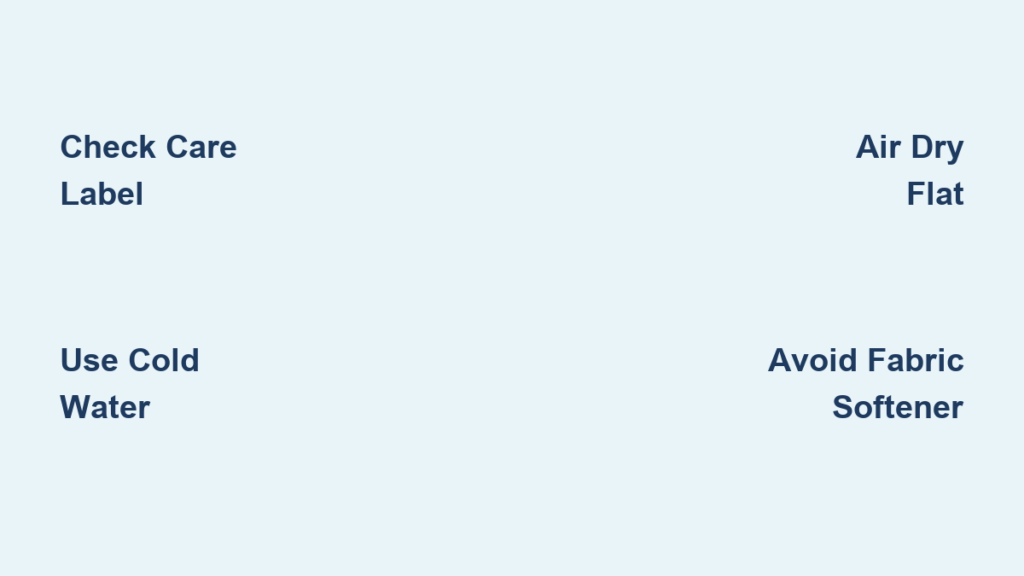
Once the visible polish is gone, rinse the area under cool running water from the back to flush out remaining acetone. Hot water can set residual stains or damage sensitive fibers. After rinsing, wash the blanket according to its care label using a high-performance detergent like Tide Oxi Boost Power Pods or Tide Ultra Oxi Powder. These contain enzymes that break down organic residues.
Add Downy Rinse during the final cycle to neutralize any alkaline traces and prevent odor buildup.
Air Dry Before Using a Dryer
Never put the blanket in the dryer until the stain is completely gone. Heat permanently sets any leftover polish. Instead, air dry flat and inspect the area. If a faint mark remains, repeat the acetone process before final drying.
Try These Alternative Methods If Acetone Is Not Safe
Not all fabrics can handle acetone. Delicate materials like silk, wool, and acetate can be damaged or even dissolved by strong solvents. For these, gentler alternatives are essential.
Use Non-Acetone Remover on Delicate Fabrics
If your blanket is made of silk, wool, or rayon, skip acetone entirely. Instead, use a non-acetone nail polish remover containing ethyl or methyl acetate. These are milder but still effective on fresh spills. Dab the solution onto a cotton swab and apply gently to the back of the stain.
Blot frequently and rinse with cold water. Follow with a mild detergent wash. While less powerful than acetone, this method reduces the risk of fiber degradation or color fading.
Try Dish Soap and Baking Soda Paste
For cotton or sturdy blends with dried, crusted polish, a baking soda and dish soap paste works well. Mix one tablespoon of grease-cutting dish soap like Dawn with one teaspoon of baking soda. Apply the paste directly to the stain and gently pat with a soft-bristled toothbrush.
Let it sit for 10-15 minutes, then rinse thoroughly with cold water. The mild abrasion from baking soda helps lift the polish while the soap emulsifies oily components. Launder as usual afterward.
Apply Vinegar and Dish Soap Solution
For fresh spills on polyester or synthetic blends, mix equal parts white vinegar and liquid dish soap. Apply directly to the stain and let it sit for 5-10 minutes. The acidity of vinegar helps break down the polish resins while soap lifts oils.
Blot with a clean cloth, rinse well, and wash normally. This method is less aggressive and ideal for fabrics that cannot tolerate solvents.
Freeze and Scrape Thick, Dried Stains
If the polish has dried into a hard layer, avoid liquids at first. Applying solvent could spread the stain. Instead, use the freezing technique. Place an ice pack over the stain for 10-15 minutes. The cold makes the polish brittle.
Then gently scrape off flakes using a dull knife, spoon edge, or tweezers. After removing the bulk, treat any remaining residue with acetone if fabric-safe or vinegar-soap solution. Launder to finish.
Handle Gel Polish With Extended Soaking
Gel polish is tougher than regular polish due to its polymerized, UV-cured structure. It resists quick removal and requires longer exposure to solvents.
Soak With Acetone and Plastic Wrap
For gel polish, follow the professional nail-removal method. Soak a cotton pad in pure acetone, place it over the stain, and cover with plastic wrap. This prevents evaporation and keeps the acetone active.
Let it sit for 15-20 minutes. Then gently dab and blot. The gel should lift easily. If not, repeat the process. Rinse well and launder to remove all chemical residues.
Never Skip the Rinse Step
Gel polish treatments leave behind sticky residues and solvent traces. Always rinse the area thoroughly with cold water and wash the blanket afterward, even if the stain appears gone. Skipping this step can lead to odor or discoloration over time.
Know Which Fabrics Cannot Handle Acetone
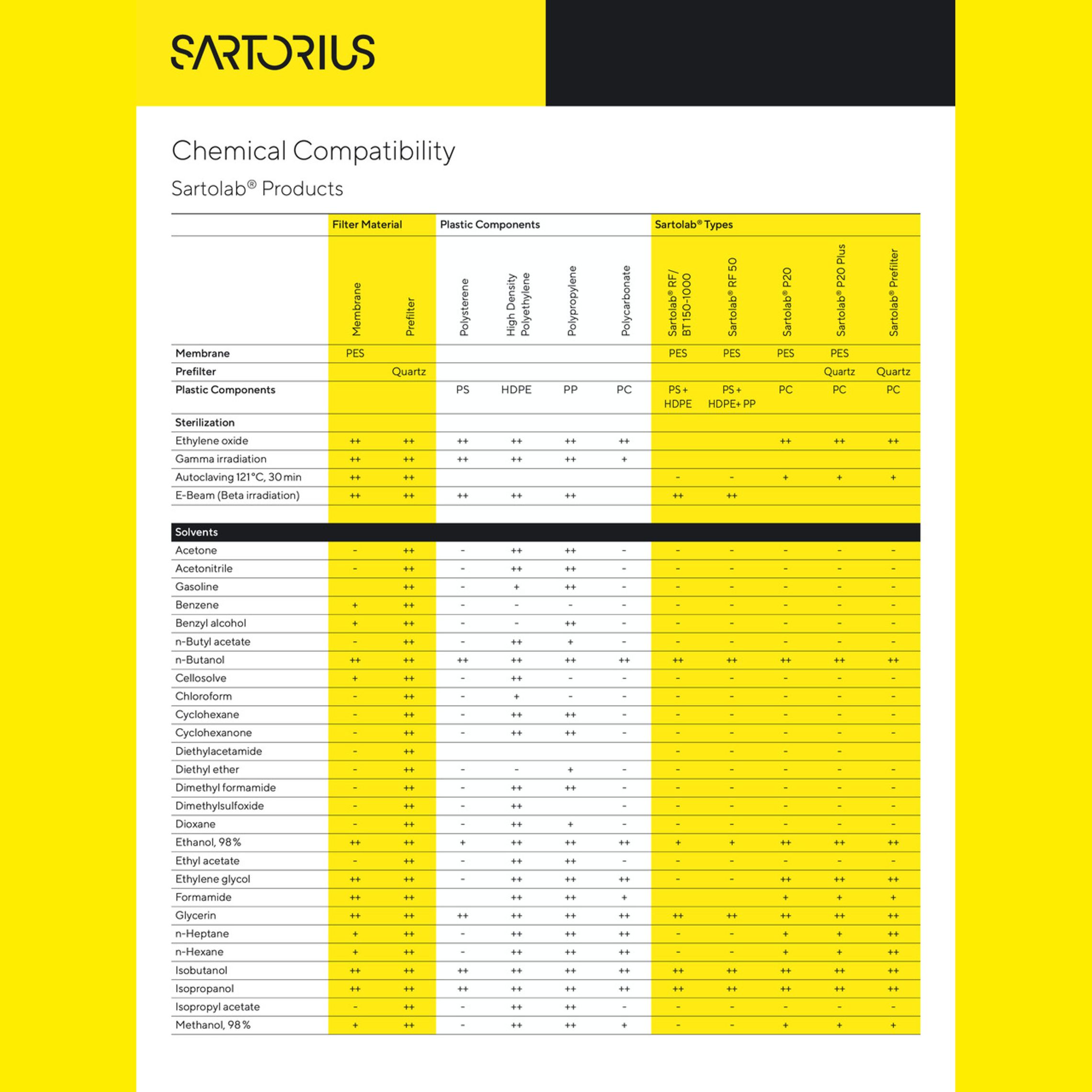
The safest method depends on your blanket’s material. Using the wrong solvent can cause melting, fading, or permanent damage.
Avoid Acetone on Acetate and Rayon
Acetate, triacetate, and rayon are highly sensitive to acetone. It can dissolve or melt the fibers, leaving holes. For these fabrics, use only mild soap and water or non-acetone remover. Test first on a hidden seam. If the stain persists, seek professional cleaning.
Use Caution With Wool and Silk
Wool and silk are protein-based fibers. Acetone can weaken their structure, leading to pilling or thinning. Stick to non-acetone removers or gentle dish soap. For valuable or sentimental wool or silk blankets, do not attempt home treatment. Take them to a dry cleaner instead.
Cotton and Polyester Can Tolerate Acetone With Testing
Cotton is resilient and usually handles acetone well, though it may require multiple treatments due to high absorbency. Polyester and acrylic blends can also tolerate acetone, but always test first. Some synthetics may yellow or weaken with prolonged exposure.
| Fabric | Safe for Acetone | Best Alternative |
|---|---|---|
| Cotton | Yes (test first) | Vinegar-soap solution |
| Polyester | Yes (short exposure) | Non-acetone remover |
| Wool | No | Mild soap, professional clean |
| Silk | No | Non-acetone remover only |
| Rayon/Acetate | Never | Mild soap, no solvents |
| Microfiber/Fleece | Yes (spot test) | Vinegar-soap |
Prevent Future Stains With Simple Precautions
Avoiding spills is easier than fixing them. A few smart habits can protect your blankets long-term.
Create a Nail Care Zone
Lay down a protective layer like an old towel, plastic sheet, or disposable cloth before doing your nails in bed. This catches drips before they reach your blanket.
Wait Until Nails Are Dry
Never get under the covers immediately after painting. Wait at least 10-15 minutes for quick-dry formulas or up to an hour for regular polish. Use a fan or quick-dry spray to speed up drying time.
Keep Acetone Wipes Handy
Store acetone wipes or cotton pads near your nail kit. If a spill happens, you can act within seconds, maximizing your chances of full removal.
Choose Safer Polish Formulas
Opt for non-toxic, quick-drying polishes like Dazzle Dry or Sally Hansen Insta-Dri. They smudge less and dry faster, reducing the risk of transfer.
When to Call a Professional Cleaner
Some blankets are not worth the risk of DIY treatment.
Dry-Clean-Only Blankets Need Expert Care
If the care label says dry clean only, do not use acetone or home solvents. This includes wool, silk, down-filled comforters, and luxury blends. Professional cleaners use industrial-grade solvents and controlled methods that are safer and more effective for delicate fabrics.
Seek Help for Large or Old Stains
If the stain covers a large area or has not responded to 2-3 home treatments, a professional has better tools and expertise. They can often remove what seems impossible at home.
Frequently Asked Questions About Removing Nail Paint From Blankets
Does nail polish come out of blankets permanently?
Nail polish can be removed from blankets, especially if treated quickly. Fresh stains have over 95% removal success with acetone. Dried stains drop to 40-60% success and may leave permanent discoloration. Acting fast dramatically improves your chances.
Can I use regular nail polish remover on a blanket?
Regular nail polish remover works but is less effective than pure acetone. Non-acetone removers are gentler and safer for delicate fabrics like silk and wool. Always test on an inconspicuous area first to check for colorfastness and fiber damage.
What if my blanket is dry-clean only?
Take dry-clean-only blankets to a professional cleaner. Home solvents can damage delicate fibers like silk, wool, acetate, and rayon. Professional cleaners have industrial-grade solvents that safely remove nail polish from sensitive materials.
How do I get dried nail polish out of a blanket?
Start with the freezing technique. Place an ice pack on the stain for 10-15 minutes to harden the polish. Scrape off flakes with a dull knife or tweezers. Then treat remaining residue with acetone if fabric-safe or a vinegar-soap solution. Launder thoroughly afterward.
Is acetone safe for all fabric types?
No. Acetone is safe for cotton, polyester, and sturdy blends but damages acetate, rayon, triacetate, wool, and silk. Always check your blanket’s material and test acetone on a hidden area first. When in doubt, use non-acetone remover or consult a professional.
Key Takeaways for Saving Your Blanket

The fastest, most effective way to get nail polish out of a blanket is immediate action with acetone applied from the back, but only on acetone-safe fabrics. For delicate materials, use gentler alternatives like non-acetone remover, dish soap and baking soda paste, or vinegar-soap solution. Always test first, never rub, and air dry before heat-setting.
Timing is your best friend. Fresh stains within 5 minutes have over 95% success rates, while dried stains after 24 hours drop below 60%. The longer you wait, the harder the removal becomes.
For gel polish, extend soaking times to 15-20 minutes with plastic wrap covering the acetone-soaked cotton. This mimics professional nail removal techniques and significantly improves your chances. With the right method, most stains can be removed completely, saving your blanket and your peace of mind.