You open the closet door and a pile of tangled sheets, misshapen blankets, and orphaned pillowcases tumbles out. Sound familiar? A cluttered blanket closet isn’t just frustrating, it wastes time, hides usable linens, and adds daily stress. But with a clear system, even the smallest storage space can become a model of efficiency. This guide shows you exactly how to organize a blanket closet using proven decluttering strategies, smart folding techniques, and space-saving storage solutions.
Whether you are managing a family is worth of bedding or optimizing a studio apartment’s limited storage, you will learn how to categorize, store, and maintain your linens for lasting order.
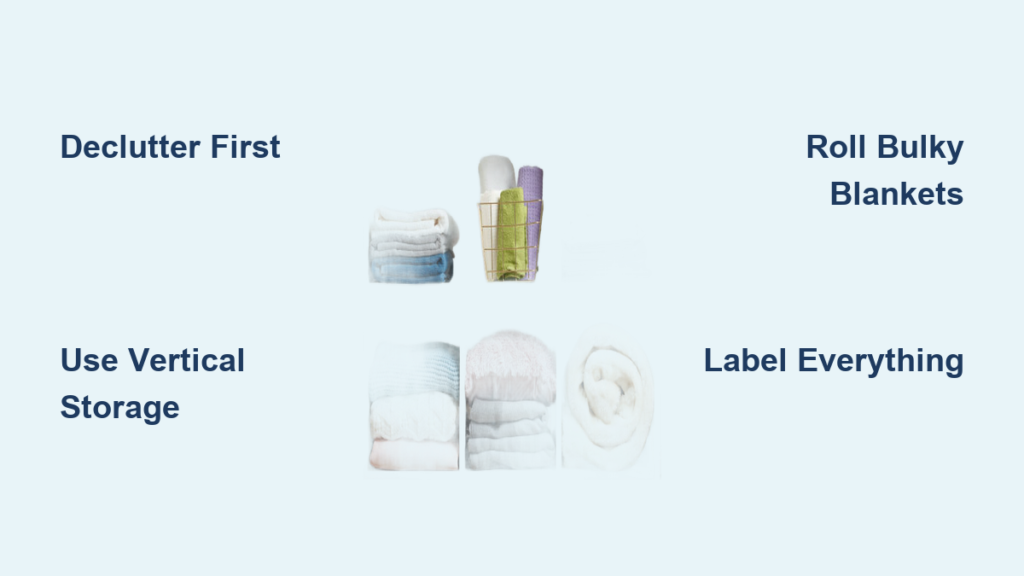
Declutter Before You Organize
Before arranging anything, you need to know what you actually have. A full inventory reveals duplicates, damaged items, and forgotten clutter hiding in the back corners.
Empty the Entire Closet
Remove every item from shelves, floor, and corners. This lets you clean the space thoroughly and assess each piece objectively. Lay everything out on a bed or large floor area to avoid missing hidden items buried at the bottom. Use this moment to wipe down shelves and vacuum the interior before putting anything back.
Sort by Category and Size
Group items into clear categories using these groupings:
- Bed sheets separated by size (twin, full, queen, king)
- Fitted and flat sheets kept apart or paired intentionally
- Pillowcases
- Comforters, duvets, and quilts
- Fleece throws, knit throws, and travel blankets
- Seasonal bedding like flannel or lightweight summer options
- Pet blankets
- Unused or repurposed textiles
Sorting by size ensures sets stay together and retrieval is fast. Keep king-sized items separate from queen to prevent frustrating mix-ups when you need sheets quickly.
Purge What You Do Not Need
Be ruthless with your decluttering. Discard stained, torn, or threadbare linens that no longer serve their purpose. Donate usable extras, especially duplicate guest sets or outdated decor that does not match your current style. Let go of sentimental items that no longer serve a practical purpose, like decade-old college bedding kept just in case. One organizer cleared three full bags of trash and donations, instantly freeing up enough space to reorganize the entire closet.
Maximize Vertical and Hidden Space
Even narrow closets can store significantly more when you use height strategically and exploit zones that typically go unused.
Use Vertical Space Wisely
Install additional shelves if your closet allows, especially in tall spaces. Prioritize shelf height to fit folded sets and bins without wasting vertical clearance. Avoid deep stacking where items at the bottom get forgotten and never see daylight. Instead, use vertical filing methods to keep everything visible and accessible at a glance.
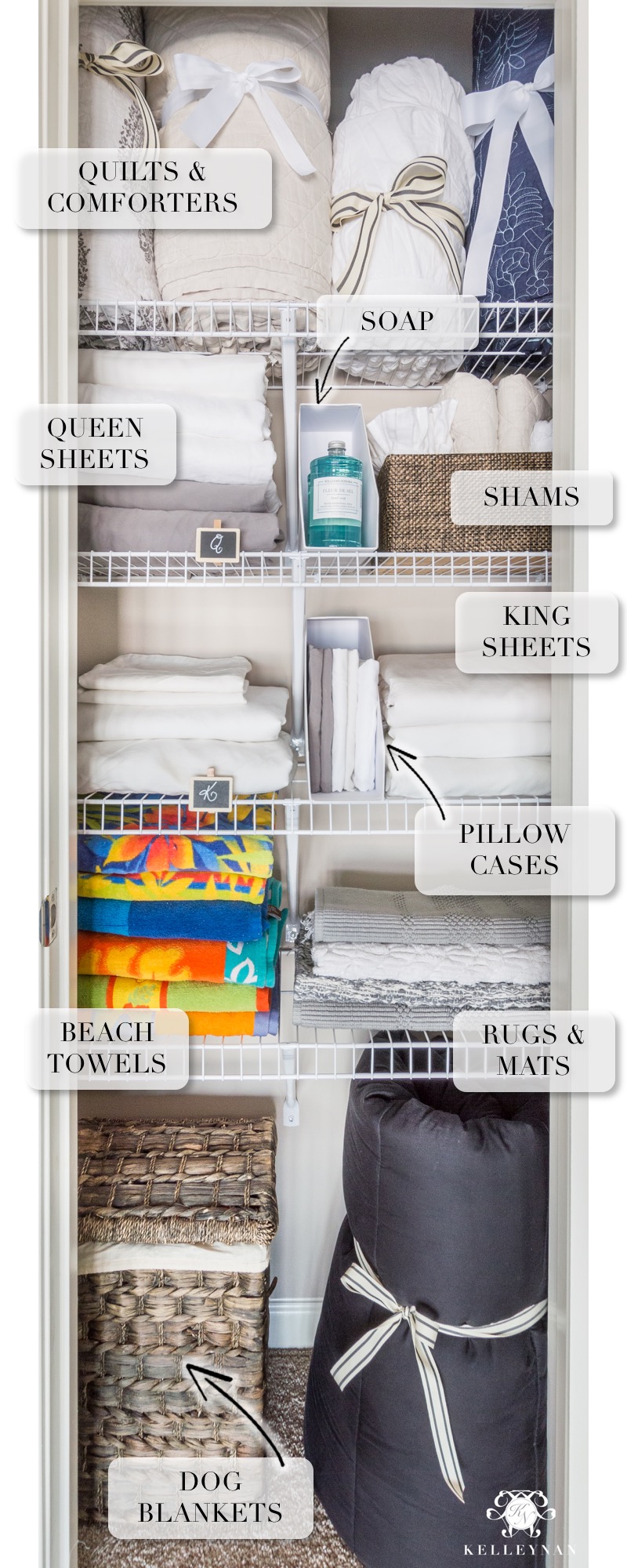
Store Sheet Sets in Magazine Holders
Use narrow, tall magazine holders or file organizers to store sheet sets upright. Tuck pillowcases inside folded flat sheets, then roll the fitted sheet around them. File the entire set vertically like office documents. This prevents lost pillowcases and makes grabbing the right set instant. The narrow but tall magazine organizer lets you file them right into narrow spaces where traditional bins would not fit.
Utilize Space Under the Bottom Shelf
Do not ignore the gap beneath the lowest shelf. Slide in rolling bins, lidded hampers, or low-profile baskets. A small lidded hamper from the basement can fit perfectly and store rolled fleece blankets or pet bedding without wasting precious shelf space.
Fold and Roll for Maximum Efficiency
Proper folding saves space and makes retrieval significantly easier. Different items need different approaches for best results.
Master the Sheet Bundle Fold
- Fold the flat sheet neatly into a rectangle
- Tuck both pillowcases inside the folded flat sheet
- Fold the fitted sheet as compactly as possible
- Wrap the fitted sheet around the entire bundle
- Store upright in a magazine holder
Do not stress over perfect fitted sheet folds. Consistency matters more than precision. Even imperfect bundles stay organized when stored vertically and can be found instantly.
Roll Bulky Blankets Instead of Folding
Fleece, knit throws, and pet blankets should be rolled tightly instead of folded. Rolling prevents deep stacks and keeps lower layers accessible. Place rolled items in open bins or labeled baskets. Rotate them seasonally for even wear and to prevent items at the bottom from becoming flattened or forgotten.
Fold Comforters and Quilts Flat
Avoid creasing delicate fabrics by folding quilts and comforters in thirds, then in half. Store flat on a wide shelf or in a breathable cotton bag. For heirloom pieces, use acid-free tissue paper to prevent fiber degradation over time.
Label Everything for Long-Term Clarity
Labels prevent chaos from creeping back into your system. They make maintenance effortless, especially in households with multiple people accessing the closet.
Use Chalkboard Clips for Flexible Labels
Attach chalkboard clips to wire shelves and label with chalk markers. Write Q for queen, K for king, or Guest for special sets. These are reusable and smudge-resistant, perfect for changing needs throughout the year. One organizer added these little wooden chalkboard clips and ultimately decided on simple Q and K designations for quick identification.
Apply Permanent Labels to Bins
For fabric bins or plastic containers, use printed adhesive labels or engraved tags. Include size, season, or specific use such as Winter Throws or Guest Queen Set. Color-code if desired using blue for cool tones and red for warm tones to enhance visual scanning and speed up finding what you need.
Choose the Right Storage Containers
The right bin makes the difference between lasting order and recurring mess. Match containers to their specific function for maximum effectiveness.
Container Selection Guide
- Woven baskets work best for living room throws and rustic decor aesthetics
- Lidded fabric bins provide excellent dust protection for off-season storage
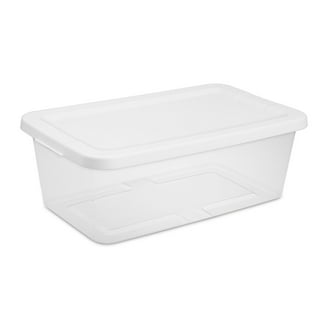
- Clear plastic bins offer visibility and moisture resistance
- Rolling carts fit in tight spaces and provide mobile storage options
- Magazine organizers excel for sheet sets and narrow shelves
- Over-the-door pockets handle lightweight throws and kids blankets
Clear bins let you see contents without opening. Lidded bins protect against dust and moisture. Woven baskets add warmth to your space but work best in low-dust areas of your home.
Repurpose What You Already Own
Do not rush to buy new organizers immediately. A spare laundry hamper, old tote bag, or unused basket might fit perfectly under a shelf or in a corner. One organizer repurposed a dusty lidded hamper from the basement into a hidden blanket bin, simple and effective.
Store Seasonal and Bulky Items Smartly
Large bedding items take up disproportionate space. Smart storage keeps them protected and out of the way until needed.
Use Vacuum-Seal Bags for Off-Season Storage
Store winter comforters in vacuum-seal bags during summer months. They compress by up to 80%, freeing significant shelf space. Keep bags off concrete floors in basements to avoid moisture damage. Use breathable cotton bags for long-term storage of natural fibers like cotton or wool to prevent fiber breakdown.
Rotate Seasonal Linens Twice Yearly
Keep current-season bedding easily accessible in the closet. Store off-season sets in under-bed drawers, attic bins, or a spare armoire. Swap them every six months when temperatures change. Air out stored blankets before use to prevent musty smells from developing.
Display or Store Heirloom Quilts Properly
For decorative or sentimental quilts, consider display options like quilt racks on walls, blanket ladders in hallways, or shadow boxes for small pieces. If storing, avoid plastic bins entirely. Use breathable fabric bags or acid-free paper to prevent yellowing and fiber damage over time.
Maintain Your System Year-Round
Organization only lasts if you build habits that keep your closet functional. Without maintenance, clutter returns quickly.
Adopt a One-In, One-Out Rule
Every time you buy new sheets or a throw, remove an old set. This prevents clutter from creeping back and keeps your inventory manageable. This rule is especially useful for gift items or holiday purchases that tend to accumulate.
Fold and Return Immediately
Make it a non-negotiable habit: fold linens right after laundry finishes. Return items to their labeled spots immediately. Train household members to do the same. A 5-minute habit after each laundry cycle saves hours of future sorting and searching.
Reassess Every Six to Twelve Months
Schedule a semiannual review of your closet contents. Remove worn items, update labels, and adjust categories as your needs change. Families grow, seasons shift, and decor evolves. Your storage system should evolve with these changes.
Adapt Your System for Your Living Space
Tailor your organization approach to your home size and lifestyle for maximum effectiveness.
Optimize for Small Apartments
In tight spaces, use wall-mounted shelves or blanket ladders to free up floor space. Store blankets in ottomans with lift-up lids for dual-purpose functionality. Use under-bed rolling drawers for off-season items. Prioritize vertical over horizontal storage to make the most of limited square footage.
Organize for Pet Owners
Dedicate a labeled bin specifically for pet blankets. Choose machine-washable, durable fabrics that withstand frequent washing. Store pet supplies near laundry for easy cleaning cycles. Keep a spare set ready for accidents so you can swap things out quickly.
Prepare a Guest-Ready Zone
Create a guest-ready section with complete bed sets including sheets, pillowcases, and blanket. Include extra towels and coordinated packaging or baskets. Label clearly for housekeepers or family members who might need to set up a guest room quickly.
Enhance With Design and Lighting
A beautiful closet is more likely to stay organized. When the space looks good, you feel motivated to maintain it.
Color-Coordinate for Visual Calm
Arrange sheet sets by color family, grouping whites together, cool tones together, and warm tones together. This creates visual harmony and makes matching sets easier. Use matching bins for a clean, curated look throughout your storage area.
Add Soft Lighting for Easy Access
Install battery-operated LED strips inside dark closets. Motion-sensor lights make finding items effortless, especially early morning or late at night. Even a small glow transforms a cramped space into a functional hub you actually want to use.
Fix Common Organization Problems
Every system faces hurdles. Here is how to solve the most frequent challenges quickly.
Solve Narrow Shelf Problems
If shelves are too narrow for standard bins, use vertical magazine holders instead. They fit in slim spaces and keep sheet sets upright and visible without wasting narrow width.
Stop Lost Pillowcases Forever
Store sets as bundles and file them vertically. This single practice prevents pillowcases from getting buried under folded blankets where they are never found when you need them.
Prevent Musty Smells
Rotate linens seasonally and air out stored blankets before use. Add cedar blocks or silica gel packets to bins to absorb moisture. This prevents the musty smell that develops when bedding sits too long without ventilation.
Handle Fitted Sheet Frustration
Do not aim for perfect folds on fitted sheets. Focus on consistency instead. Fold them the same way every time, even if results are imperfect. The goal is containment and findability, not origami mastery.
Frequently Asked Questions About Organizing a Blanket Closet
What is the best way to store blankets in a small closet?
Use vertical storage solutions like magazine holders for sheet sets and roll bulky blankets instead of folding. Install additional shelves if possible and utilize under-shelf space with low bins or rolling carts. Prioritize vertical over horizontal organization to maximize limited square footage.
How do I keep pillowcases from getting lost in my closet?
Store complete sheet sets together by tucking pillowcases inside the folded flat sheet, then folding the fitted sheet around the entire bundle. Store these bundles vertically in magazine holders or file organizers so every item stays visible and accessible.
Should I vacuum-seal my comforters for storage?
Vacuum-seal bags work well for seasonal storage, compressing items by up to 80%. However, avoid long-term compression for delicate down comforters and natural fiber quilts. Use breathable cotton bags instead to protect fiber integrity over time.
How often should I reorganize my blanket closet?
Perform a thorough reassessment every six to twelve months. Remove worn items, update labels, and adjust categories as your needs change. Between major reorganizations, maintain order by folding items immediately after laundry and following a one-in, one-out rule for new purchases.
What is the quickest way to declutter a blanket closet?
Empty everything onto a bed or floor to see all items at once. Sort into categories and immediately discard anything stained, torn, or unused in the past year. Donate usable extras you do not need. This process can clear three or more bags of items in just a few hours.
Key Takeaways for Organizing Your Blanket Closet
Organizing a blanket closet is not a one-time chore but a system that reduces daily stress and saves precious time. Start by decluttering ruthlessly, removing everything and keeping only what you actually use and need. Use vertical space strategically through magazine holders for sheet sets and under-shelf bins for rolled blankets. Label everything clearly using chalkboard clips or permanent tags so every household member can find items instantly. Most importantly, maintain your system year-round by folding laundry immediately, following a one-in-one-out rule, and reassessing every six months. Whether you live in a studio apartment or a family home, these strategies transform chaos into calm. Begin today by emptying your closet, sorting through the piles, and building a system designed specifically for how you live.