Every winter, horse owners face the same frustrating issue: waking up to find bald patches, raw skin, or irritated sores under their horse’s blanket. These blanket rubs, caused by friction and pressure from ill-fitting or poorly maintained gear, are especially common in clipped horses, high-withered individuals, and those blanketed for long periods. Left unchecked, they can lead to pain, infection, and lasting coat damage.
The good news is that blanket rubs are preventable. With the right fit, protective layers, grooming habits, and daily checks, you can keep your horse comfortable and rub-free all season. This guide reveals proven strategies, from expert-recommended underlayers to affordable DIY solutions, so you can protect your horse’s skin, extend blanket life, and avoid the stress of treating sores mid-winter.
Choose the Right Blanket Fit
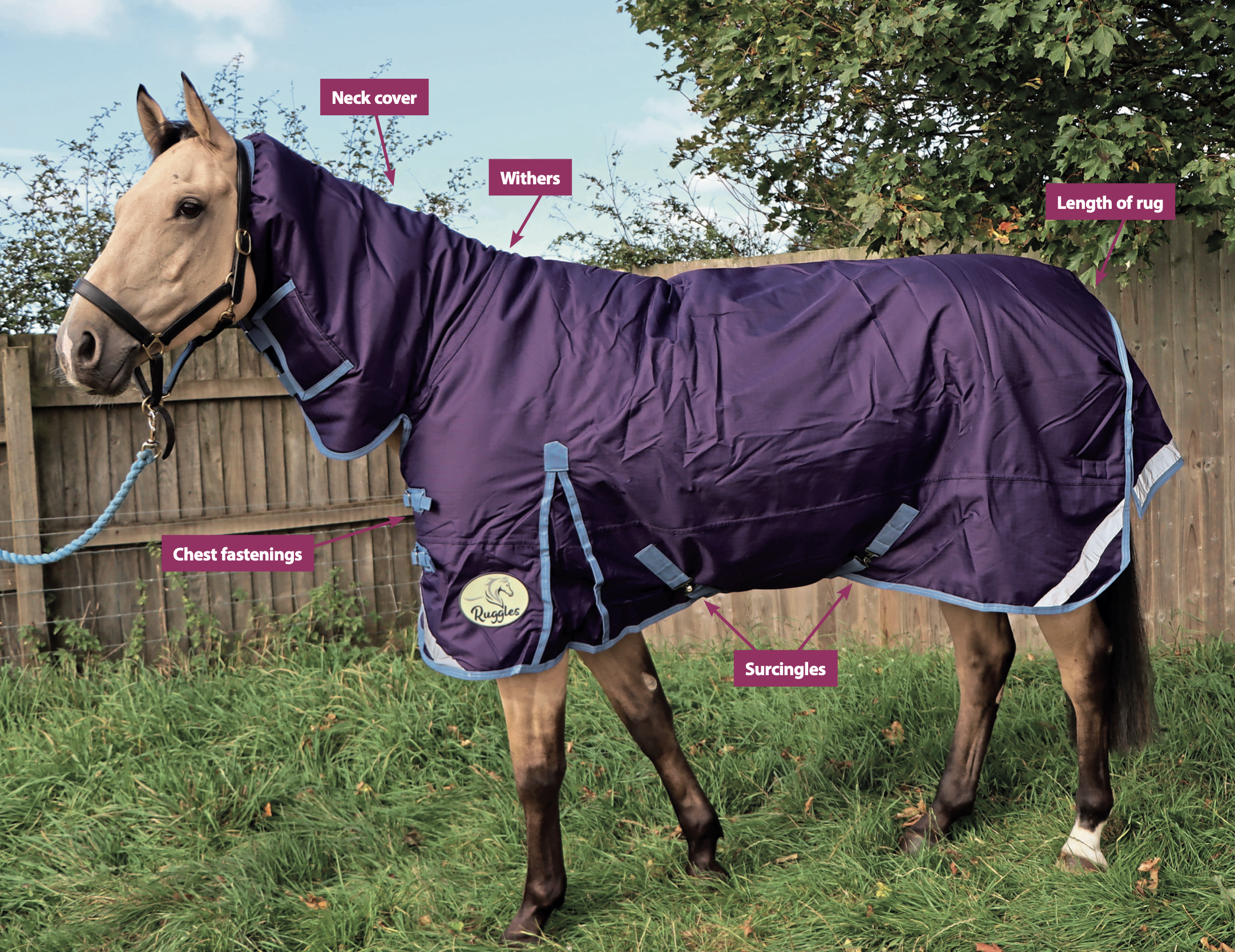
A poorly fitting blanket is the number one cause of rubs. Even high-end gear will chafe if it does not match your horse’s build.
Check Shoulder and Withers Alignment
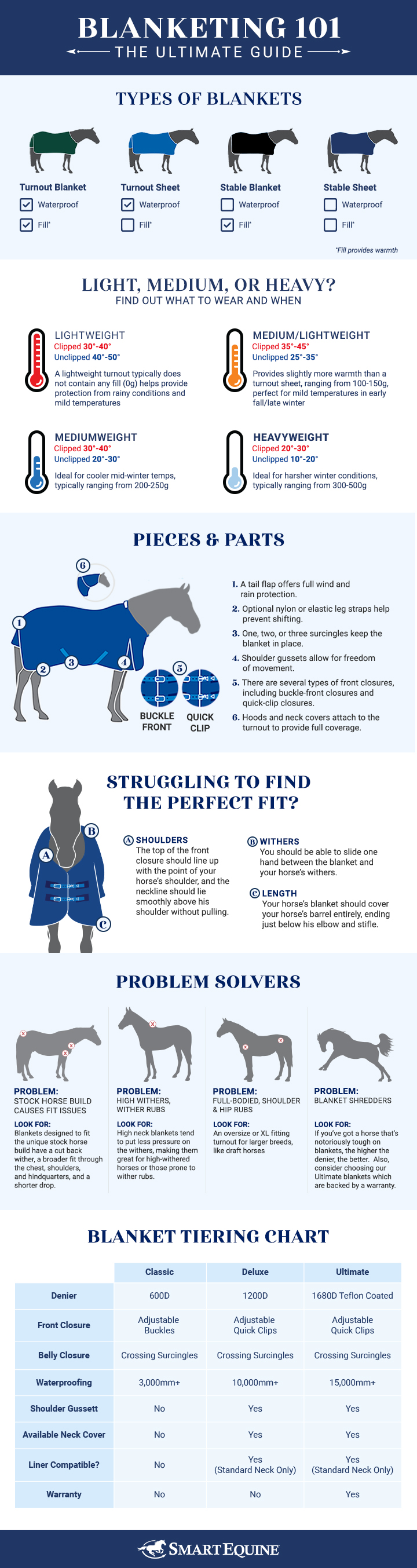
The blanket must lie flat across the shoulders without pulling or gapping. If it rides up or creates folds at the point of the shoulder, friction is inevitable. The neckline should sit above the withers without pressing down, especially critical for horses with high or sharp withers.
Look for these indicators when assessing fit:
- Smooth fabric drape over the back
- No lifting at the neck or rear
- Freedom of movement when the horse lowers its head
Adjust Chest and Belly Straps Correctly
Misaligned closures are major rub sources. The chest buckle should fasten snugly but not pinch. Point the bottom snaps inward to reduce seam friction. Ensure the belly straps hang straight, as twisting or crossing increases pressure on the girth area.
Use adjustable Velcro or snap systems to fine-tune fit, but remember that adjustments cannot fix a fundamentally wrong size.
Test Fit During Movement
Walk, trot, and turn your horse while blanketed. Watch for shifting backward, which indicates the blanket is too long or loose. Binding at the shoulders means it is too tight. Uneven wear or dirt buildup on one side signals misalignment.
Recheck fit monthly, as horses lose or gain weight over winter, changing how blankets sit.
Use Protective Underlayers

Even with a perfect fit, adding a protective layer drastically reduces rub risk.
Wear a Body Glove or Lycra Underblanket
Spandex body gloves create a smooth, low-friction barrier between skin and blanket. They are especially effective for clipped horses whose short coats offer no natural cushion.
Benefits include:
- Reduces direct fabric-to-skin contact
- Allows outer blanket to glide
- Minimizes hair breakage and static
Available in full-body or shoulder-only styles, body gloves are ideal for targeted protection.
Apply Shoulder Guards for High-Risk Zones
Lycra shoulder guards fit snugly over the front shoulders and chest, shielding the most common rub site. Thin and breathable, they do not interfere with blanket fit but add a slick surface to prevent chafing.
While not as comprehensive as full underlayers, they are a lightweight option for horses with mild rubbing tendencies.
Try the EquiFit BlanketBib
For persistent chest and neck rubs, the EquiFit BlanketBib offers superior protection. This bib-style shield covers the chest, front of shoulders, and base of the neck. It features T-Foam lining that molds to contours and uses soft, antimicrobial fabric to prevent bacterial buildup.
This product is ideal for clipped, thin-skinned, or performance horses blanketed daily.
Add an EquiFit Withershield
Horses with high withers often suffer from mane breakage and wither sores. The Withershield cushions the top line with a contoured foam pad that absorbs pressure from the blanket neckline, prevents shifting and chafing, and maintains a smooth profile under the blanket.
Place it under the blanket, centered over the withers, with no adjustment needed.
Use Nylon Under Sheets for Easy Glide
A slick nylon under sheet is a low-cost, high-impact solution. These lightweight liners allow the outer blanket to slide freely, are easy to wash and durable, and reduce friction better than shoulder guards in many cases.
Barn managers report fewer rubs when using nylon sheets nightly, especially under turnout blankets.
Maintain a Healthy, Low-Friction Coat
A clean, conditioned coat resists breakage and reduces rubbing.
Curry and Groom Daily
Dirt, sweat, and dead skin increase friction. Curry thoroughly every time you remove the blanket, focusing on shoulders, withers, and neck. This also boosts blood flow, supporting healthy hair growth.
Use a rubber curry comb in circular motions to lift debris without irritating skin.
Reduce Static With Conditioning Sprays
Static electricity makes blankets cling and snap when removed, startling horses and increasing movement-related rubs. Spray a daily coat conditioner or fly spray with moisturizers like neem or aloe to neutralize static, leave a slick film for smoother gliding, and soothe dry, itchy skin.
Products like Equiderma Neem and Aloe Fly Spray double as static controllers and skin protectants.
Moisturize Dry or Clipped Skin
Clipped horses lose natural oils, leading to flaky, sensitive skin. Prevent cracks and irritation with witch Hazel wipes to cleanse and tone the skin gently, coat tonics like Ecolicious Glossy Gloss to hydrate and add shine, or olive oil cream as an inexpensive, non-greasy barrier for high-rub zones.
Apply moisturizer after blanketing or before bed, focusing on shoulders and withers.
Reduce Friction With Glide Aids
Sometimes you need extra slip to stop rubbing, especially for horses with a history of sores.
Apply Chamois Cream to Pressure Points
Asos Pre-Ride Chamois Cream, originally designed for cyclists, is a game-changer for horses. This white, odorless cream creates a protective, non-greasy barrier, cools and soothes inflamed skin, and prevents and heals rubs effectively.
Apply generously to shoulders, neck, and withers before putting on the blanket. Users report faster healing and fewer recurring rubs.
Try Budget-Friendly Alternatives
Century Writing Cream SportIQ offers similar benefits at a lower cost. It is slightly creamier and may transfer dirt to hands, but still reduces friction and supports skin repair.
For mild cases or prevention, olive oil cream from the drugstore works well, especially when combined with an underlayer.
Use Coat Shine for Extra Slip
Spray a shine-enhancing coat polish before blanketing. These products leave a slick, protective layer, reduce static and tangles, and improve overall coat health.
Reapply every few days or after washing.
Rotate and Inspect Blankets Daily
Consistent monitoring catches problems early, before they become sores.
Remove Blankets Every Day
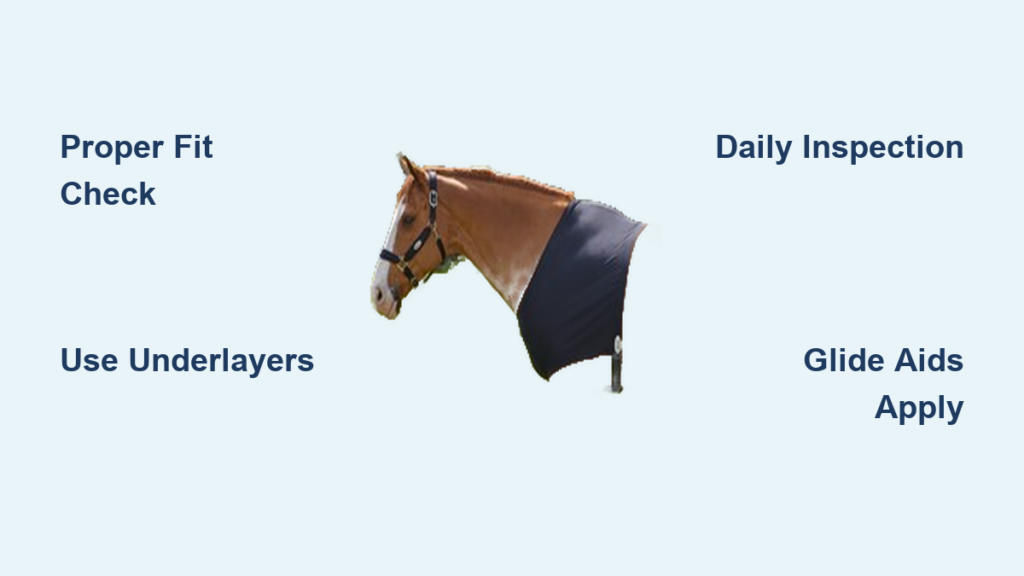
Take off the blanket at least once daily to check for redness, hair loss, or dampness. Inspect under the shoulder and along the withers. Feel for heat or swelling, which are early signs of irritation.
Even horses turned out in cold weather can go uncovered for a few hours with proper shelter.
Rotate Between Two Blankets
Use two different blankets of similar warmth but slightly different cuts or fits. Rotating nightly shifts pressure points, gives rubbed areas time to recover, and extends the life of each blanket.
This strategy is ideal for horses prone to recurring shoulder or chest rubs.
Wash and Maintain Gear Regularly
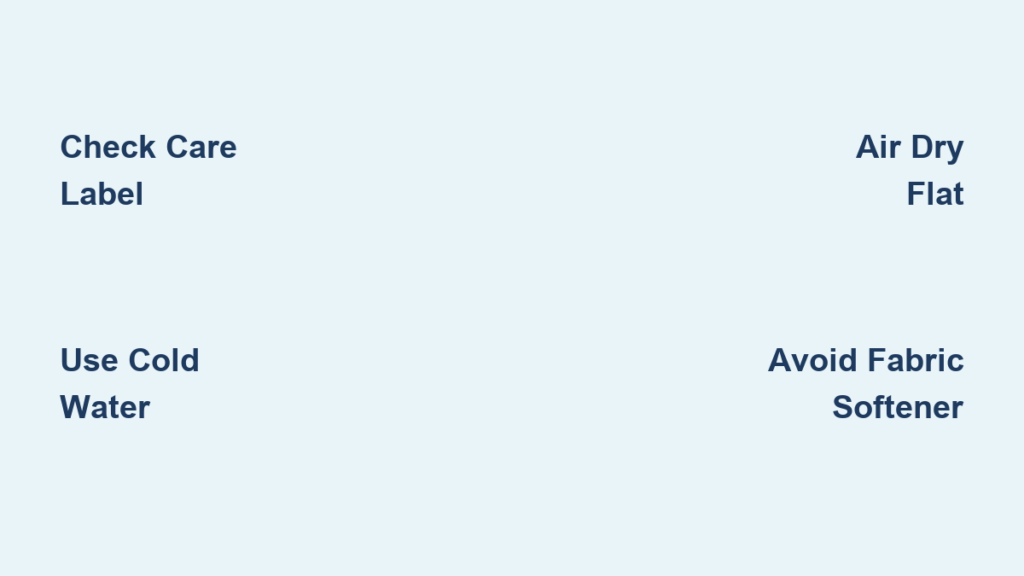
Dirt, grit, and sweat trapped in linings cause chafing. Wash blankets, under sheets, and protectors every four to six weeks, or more if soiled, using horse-safe detergent with no fabric softeners. Allow full drying before reuse.
Inspect for worn or stiff seams, damaged straps or buckles, and rough patches in the lining. Replace or repair any gear showing signs of wear.
Treat Existing Rubs Immediately
Do not wait, as early action prevents minor irritation from becoming a chronic sore.
Stop the Friction Source
First, correct the fit or remove the blanket if the area is raw or oozing. Let the skin breathe and heal before re-blanketing.
Clean and Disinfect the Area
Use a gentle antiseptic spray like EQyss Micro-Tek to prevent infection, soothe inflammation, and promote healing. Apply daily until the skin is closed and dry.
Apply Healing Creams
For active rubs, use Asos Chamois Cream or olive oil cream to reduce friction, moisturize damaged skin, and speed up recovery. Cover with a body glove or under sheet if re-blanketing is necessary.
Allow Healing Time
For severe rubs, leave the blanket off for two to three days. Use a cooler after exercise if needed, but avoid full turnout blankets until the skin is intact.
Special Considerations by Horse Type
Clipped Horses Need Extra Protection
Without a natural hair buffer, clipped horses develop rubs faster. Always use a body glove or nylon under sheet, apply daily coat conditioning, use chamois cream on high-rub zones, and choose higher-neck blankets to reduce movement.
Check twice daily during peak clipping season.
Sensitive-Skinned Horses Require Soft Materials
Avoid abrasive linings and synthetic fabrics that may irritate. Choose breathable, antimicrobial protectors like EquiFit, natural fiber underlayers if available, and fragrance-free grooming products.
Prioritize comfort over warmth, as overheating increases sweat and friction.
Performance Horses Need Rotated Gear
Horses in heavy training are blanketed constantly, increasing rub risk. Implement daily rotation of blankets and underlayers, use antimicrobial bibs and shields, and maintain strict hygiene and washing schedules.
Prevention is easier than treatment during competition season.
Cost-Effective Prevention Strategies
Several products offer strong value for preventing blanket rubs. A nylon under sheet costs five to ten dollars monthly and lasts for months, offering high long-term value by improving glide and being easy to care for. Olive oil cream costs less than ten dollars and is highly cost-effective due to drugstore availability. Century Writing Cream costs thirty to fifty dollars monthly with medium long-term value, as it is effective but messier. Asos Chamois Cream costs approximately eighty dollars monthly with high value, as it is clean, fast-acting, and trusted. The EquiFit BlanketBib costs sixty to eighty dollars as a one-time purchase with high long-term value, as it is durable and reusable. The EquiFit Withershield costs seventy to ninety dollars as a one-time purchase with high value, as it offers targeted, long-lasting protection.
While some products cost more, many owners find the investment pays off in fewer vet bills and better coat condition.
Frequently Asked Questions About Preventing Blanket Rubs on Horses
What causes blanket rubs on horses?
Blanket rubs occur when friction or pressure between a horse’s blanket and its body damages the skin and hair. Common causes include poor blanket fit, excess movement or shifting during activity, rough seams or stiff fabric, pressure points from buckles and straps, dry or unhealthy skin, and conformational traits like high withers or prominent shoulders.
How do I know if my horse’s blanket fits properly?
A properly fitting blanket lies smoothly across the shoulders without pulling or gapping. It should not slide backward behind the withers when the horse moves. The chest closure should not pinch, and the neckline should allow freedom of movement without restricting the head or rubbing the mane. Test the fit by walking, trotting, and turning the horse while blanketed.
Are clipped horses more prone to blanket rubs?
Yes, clipped horses are particularly susceptible to blanket rubs because they lack the natural hair protection that uncut horses have. Without a natural buffer, friction damages the skin and causes bald patches more quickly. Extra protective layers, daily conditioning, and more frequent checks are essential for clipped horses.
Can I still blanket my horse if it has existing rubs?
You can re-blanket a horse with minor rubs after treating the area, but you must address the friction source first. Apply healing cream, use a protective underlayer like a body glove or BlanketBib, and monitor closely. For severe or oozing rubs, remove the blanket entirely and allow two to three days of healing time before re-blanketing.
How often should I wash my horse’s blankets and underlayers?
Wash blankets, under sheets, and protective gear every four to six weeks, or more frequently if soiled. Use horse-safe detergent without fabric softeners, and ensure complete drying before reuse. Dirty or gritty linings trap moisture and cause chafing, which worsens existing rubs.
What is the best product for preventing severe blanket rubs?
Many owners report excellent results from combining strategies rather than relying on a single product. A popular high-effectiveness option is Asos Pre-Ride Chamois Cream, applied generously to pressure points before blanketing. For clipped or sensitive horses, pairing chamois cream with a nylon under sheet or EquiFit BlanketBib provides comprehensive protection.
Key Takeaways for Preventing Blanket Rubs on Horses
Proper blanket fit is the foundation of prevention. A well-fitting blanket lies smoothly across the shoulders without pulling, gaps, or shifting during movement. Reassess fit monthly throughout winter, as horses change weight and body condition.
Protective underlayers dramatically reduce rub risk even with perfect fit. Body gloves, nylon under sheets, shoulder guards, and specialized products like the EquiFit BlanketBib and Withershield create low-friction barriers that shield high-risk zones.
Daily inspection and consistent grooming catch problems early. Remove the blanket every day to check for redness, hair loss, or irritation. Curry thoroughly to remove dirt and stimulate healthy coat growth, and apply conditioning sprays to reduce static and moisturize dry skin.
Combine multiple strategies for best results. No single solution works for every horse, but proper fit plus protective layers plus glide aids equals maximum protection. With consistent care and smart prevention, your horse can stay warm, comfortable, and rub-free all winter long.