Finding bed bugs in your blanket can be alarming. These pests are small, resilient, and reproduce quickly, making early action essential. The good news: most bed bugs on blankets can be eliminated at home using heat, cold, or steam treatments. Washing and drying your blanket at high temperatures is the most reliable method, scientifically proven to kill adults, nymphs, and even heat-resistant eggs.
But before you toss your blanket in the washer, confirm it’s actually bed bugs. Look for tiny dark spots, shed skins, or blood smears. If unsure, capture a specimen in a sealed bag and consult a local extension office. Once confirmed, isolate the blanket immediately to prevent spreading. This guide walks you through every step, from safe handling to effective treatment and long-term prevention.
Confirm Bed Bug Presence Before Treatment
Check for Visible Signs
Inspect your blanket closely, especially along seams, folds, and corners. Look for these key indicators:
- Live bugs: Flat, reddish-brown, about the size of a pencil eraser
- Shed exoskeletons: Translucent shells left behind after molting
- Dark fecal spots: Small black or rust-colored stains that do not rub off easily
- Eggs and eggshells: Tiny white specks often clustered in fabric crevices
- Blood smears: Reddish streaks from crushed insects
Avoid shaking the blanket, as this can scatter bugs and eggs into your environment.
Verify with Expert Help
If identification is uncertain, place a suspect bug in a sealed plastic bag and contact your local agricultural extension office. Many offer free pest identification services. Confirming the pest type prevents wasted effort on ineffective treatments.
Notify Landlord in Shared Housing
If you live in an apartment or dorm, alert your landlord immediately. Bed bugs spread fast between units through walls and baseboards. Early reporting ensures coordinated treatment and protects your legal rights under housing codes.
Isolate Infested Blankets Immediately
Seal in Airtight Bags
At the site of discovery, place the blanket directly into a heavy-duty plastic bag. Seal it tightly to trap any live bugs. Use zip-top bags or trash bags with twist ties. Label the bag “Infested” to avoid accidental reuse.
Transport Safely to Laundry
Carry the sealed bag without setting it down. Do not place it on furniture, floors, or countertops. Go straight from storage to the washing machine. Wearing disposable gloves reduces the risk of transferring bugs to other surfaces.
Clean Handling Area After
Vacuum the spot where the blanket was stored. Focus on baseboards, under beds, and nearby cracks. Immediately seal the vacuum bag in plastic and discard it outside. This removes stray bugs and eggs that may have escaped during handling.
Kill Bed Bugs with Hot Wash and Dry
:max_bytes(150000):strip_icc()/Handle-bed-bug-infestation-laundry-2146304-V1-899a4efc4ca54972959fafa4c1263cf4.png)
Wash at 140°F for 90 Minutes
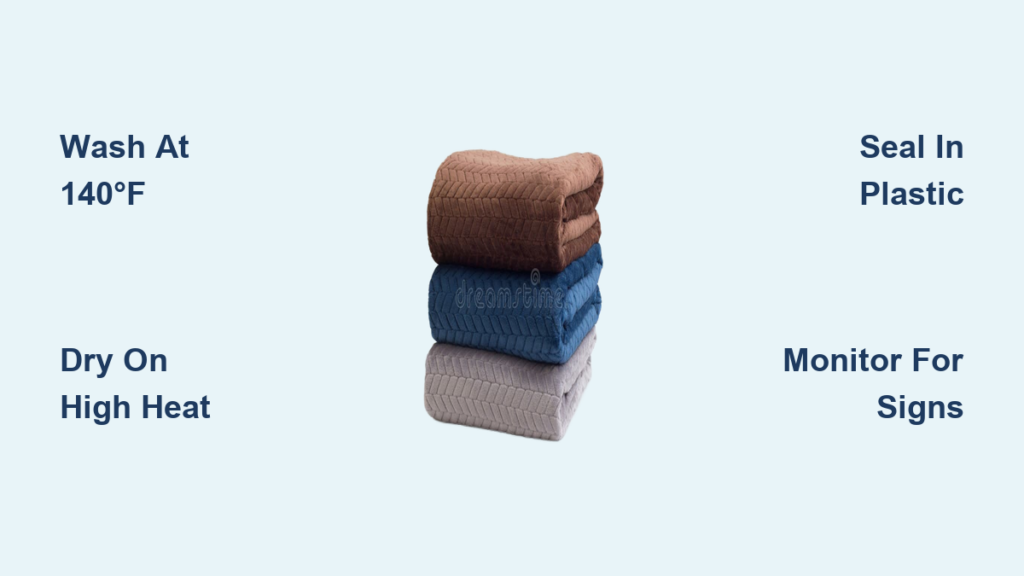
Check the care label first. If machine-washable, use the hottest water setting, at least 140°F or 60°C, for 90 minutes. This sustained heat kills all life stages, including eggs. Use regular detergent. Enzyme-based formulas help break down organic residue but are not required.
Run a second wash cycle if the blanket is heavily soiled or thick. This ensures deep penetration of heat and water.
Dry on High Heat for 30+ Minutes
Transfer the blanket directly from washer to dryer. Do not let it sit. Dry on the highest heat setting for at least 30 minutes. Moisture combined with heat increases lethality. Ensure the entire blanket reaches lethal temperatures by tumbling thoroughly.
Washing alone may miss hidden eggs. Drying alone may not penetrate folds. Both steps are essential for full elimination.
Why Heat Works So Well
Heat treatment is the most effective method because:
- Adults and nymphs die within minutes at 115°F
- Eggs require 140°F for 90 minutes or 130°F with steam
- Combined wash and dry achieves near 100% mortality when done correctly
Treat Non-Washable Blankets Safely
Use Dryer Only for Dry Items
Wool, silk, or electric blankets should not get wet. If the item is completely dry, place it directly in the dryer. Run on high heat for 30 minutes minimum.
Insert an oven thermometer into the thickest part to confirm internal temperature reaches 120°F throughout. Repeat after 24 hours to catch newly hatched nymphs.
Never use this method on flammable materials or synthetics near heating elements. Check manufacturer guidelines first.
Try Freezing When Heat Is Not Safe
For cold-tolerant fabrics, freezing can work but only under strict conditions.
Seal the blanket in plastic to prevent moisture. Place in a freezer set to 0°F for 72 hours. Use a thermometer inside the bag to verify actual temperature.
Most home freezers fluctuate above 0°F when opened. This method is less reliable than heat and is not recommended as a primary solution.
Apply Steam to Delicate Fabrics
Use a commercial-grade steam cleaner emitting at least 130°F. Attach a diffuser to reduce airflow and prevent scattering bugs.
Slowly move the nozzle about one inch per second over the entire surface. Focus on seams and folds. Allow the blanket to dry completely before reuse to avoid mold.
This method works best for throws, comforters, or decorative blankets that cannot be machine-treated.
Store Treated Blankets Properly
Seal in New Plastic After Treatment
Once clean and dry, fold the blanket and place it in a fresh, sealed plastic bag. Do not reuse the original infested bag. This prevents recontamination during storage.
Keep Away From Sleeping Areas
Store the blanket in a closet, cabinet, or storage bin away from beds and sofas. Wait at least seven days after full home treatment before returning it to the bedroom.
Use Bed Bug-Proof Storage Long-Term
For ongoing protection, especially during treatment phases, store blankets in zippered airtight containers or bed bug-proof travel bags. These provide a physical barrier against re-infestation.
Monitor for Re-Infestation Early
Set Up Interceptor Traps
Place DIY bed bug interceptors under bed legs to catch stragglers. Make them with two nested plastic containers, masking tape wrapped around the outer rim, and talcum powder sprinkled inside to prevent escape.
Check weekly. Dispose of captured bugs in sealed bags.
Watch for New Signs
Even after treating the blanket, inspect it and surrounding areas weekly. Look for fresh dark spots, live bugs, and shed skins.
Eggs can hatch up to 10 days post-treatment. Vigilance is critical during this window.
Combine With Full-Home Treatment
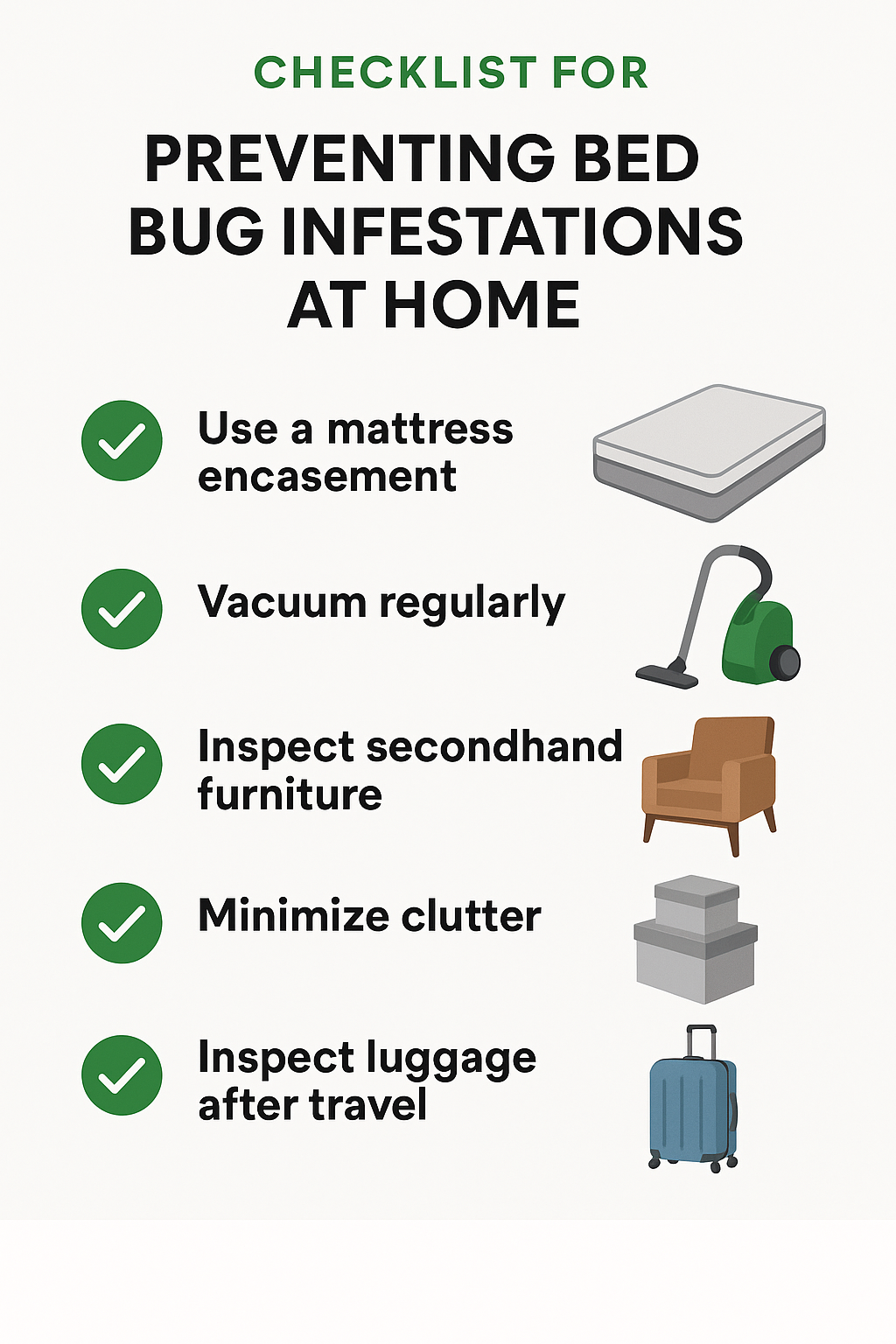
Encase Mattress and Box Spring
Bed bugs often live in mattresses. Cover them with certified bed bug-proof encasements and leave sealed for at least 12 months. This traps any remaining bugs inside until they starve.
Reduce Clutter and Seal Cracks
Fewer hiding spots mean easier control. Remove unnecessary items from bedrooms. Use silicone caulk to seal baseboards, wall cracks, and electrical outlets.
Vacuum Frequently
Use a vacuum with a HEPA filter weekly. Focus on seams, edges, and under furniture. Immediately seal and discard the bag outside.
Know When to Call a Pro
Signs You Need Professional Help
Seek expert treatment if bugs are found in furniture, walls, or multiple rooms. Also call if DIY efforts fail after two rounds or if you lack access to high-heat laundry or safe drying.
Benefits of Expert Service
Professionals use whole-room heat treatments between 135°F and 145°F. They apply EPA-registered insecticides that reach hidden areas. Services include guaranteed eradication with follow-up visits, safe targeted application, and pre- and post-treatment guidance.
Avoid Dangerous DIY Mistakes
Never Use Flammable Substances
Do not apply rubbing alcohol, gasoline, or kerosene. These are fire hazards and ineffective against hidden bugs.
Skip Bug Bombs and Foggers
Foggers often scatter bed bugs deeper into walls and fail to reach hiding spots. They are rarely labeled for bed bug control and can worsen infestations.
Use Only EPA-Registered Pesticides
If chemicals are needed, choose products with bed bugs listed on the label. Avoid non-pesticide-grade diatomaceous earth, which can cause respiratory issues when inhaled.
Opt for desiccants like silica gel, which dry out bugs and resist resistance development.
Summary: Best Methods Compared
| Method | Temperature Required | Duration | Best For | Notes |
|---|---|---|---|---|
| Wash + Dry | 140°F wash, high heat dry | 90+ min wash, 30+ min dry | Machine-washable blankets | Most effective |
| Dryer Only | 120°F internal | 30+ min | Dry, non-washable items | Verify temp with thermometer |
| Freezing | 0°F | 72 hours | Non-heat-safe items | Use verified freezer temp |
| Steam | 130°F | Slow, continuous | Delicate fabrics | Use diffuser to prevent scattering |
Prevent Future Infestations
Wash New and Used Textiles First
Always launder secondhand blankets, clothes, or linens at high heat before use. Inspect thrift furniture thoroughly, checking seams, zippers, and folds.
Use Mattress Encasements Permanently
Install bed bug-proof covers on all mattresses and box springs. Leave them on indefinitely, even after treatment, for ongoing protection.
Limit Clutter and Travel Risks
Avoid storing items under the bed. When traveling, keep luggage on racks, not on beds. Inspect hotel rooms for signs of bugs before unpacking.
Frequently Asked Questions About Removing Bed Bugs from Blankets
Can I kill bed bugs in a blanket without washing it?
Yes. You can use high heat in a dryer for 30 minutes, steam treatment at 130°F, or freezing at 0°F for 72 hours. However, the combined wash and dry method is the most reliable for complete elimination.
How long does it take to kill bed bugs in a dryer?
A dryer on high heat for 30 minutes is sufficient for dry items. For wet items, the wash and dry combined process takes about two hours total. The heat must reach at least 120°F internally to be effective.
Do bed bugs lay eggs in blankets?
Yes. Bed bugs lay eggs in fabric seams, folds, and crevices. Females lay one to five eggs per day, totaling 200 to 500 eggs in their lifetime. Eggs hatch in about six to 10 days.
Can I save a heavily infested blanket?
Most machine-washable blankets can be saved with proper heat treatment. Non-washable or heavily infested items may need to be discarded. Consult a pest professional for guidance on valuable or irreplaceable items.
Will freezing my blanket kill bed bugs?
Freezing can work but requires consistent 0°F for 72 hours. Most home freezers do not maintain this temperature reliably. Heat treatment is more dependable and recommended over freezing.
How do I know if bed bugs are completely gone?
Monitor for 12 months after treatment. Use interceptor traps under bed legs and check weekly. No activity for six to 12 months indicates successful eradication. Continue washing bedding at high heat as a preventive measure.
Key Takeaways for Eliminating Bed Bugs from Blankets
Removing bed bugs from a blanket is achievable with prompt, correct action. Heat treatment via washing and drying is your best defense. The combination of 140°F wash for 90 minutes followed by high heat drying for 30 minutes kills all life stages, including heat-resistant eggs.
Remember that treating the blanket alone is not enough. Combine it with full-room control measures to stop re-infestation. Encase your mattress, reduce clutter, seal cracks, and vacuum frequently. These steps address hiding spots beyond your blanket.
Stay vigilant and monitor for months. Act fast at the first sign of return. With this comprehensive strategy, you can eliminate bed bugs for good and keep your bedding pest-free.