You’ve pulled your favorite shirt from the dryer, and there it is—clumps of fuzzy lint from your blanket clinging stubbornly to the fabric. It’s frustrating, especially when lint seems embedded after every wash. Removing blanket lint from clothes is a common household challenge, particularly when washing blankets with other fabrics. The problem often occurs when fibers shed during the wash cycle and transfer onto smoother textiles like dress shirts, jeans, or bed sheets.
The good news? You don’t need expensive tools or harsh chemicals. With the right methods, some immediate and others preventive, you can effectively remove and stop blanket lint from ruining your laundry. In this guide, you’ll learn how to safely remove lint using everyday household items, how to prevent future buildup, and which fabrics are most prone to lint attraction.
Quick Ways to Remove Lint Right Now

When lint is fresh and visible, acting quickly increases your chances of complete removal without damaging fabric. These techniques work on both dry and freshly washed clothes.
Use a Lint Roller Effectively
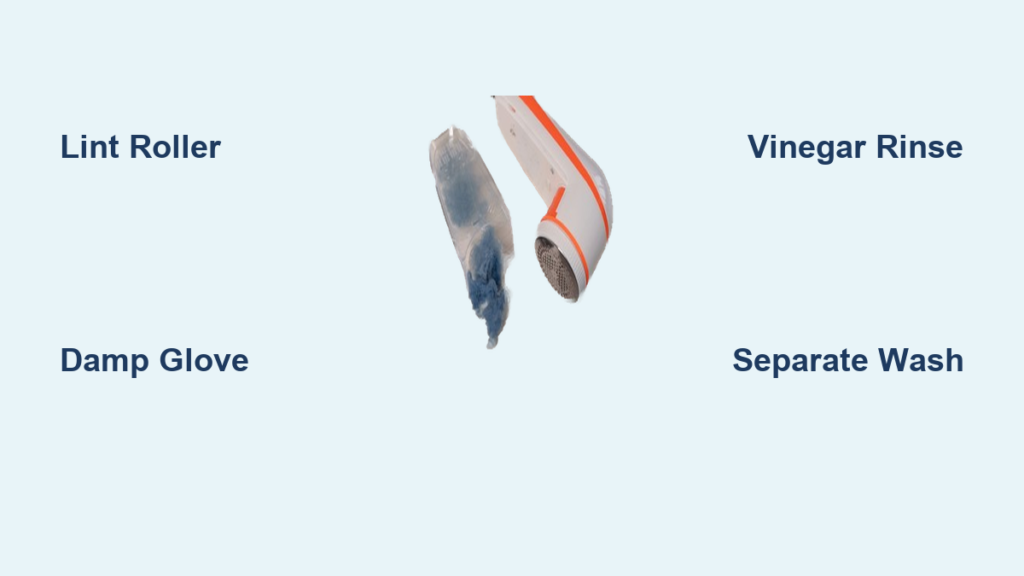
A lint roller is the fastest way to remove surface lint. Press the sticky sheet firmly onto the fabric, then roll gently in one direction to avoid spreading fibers. Replace sheets as they lose stickiness. For larger areas like bed sheets, consider a jumbo lint roller or reusable adhesive version.
Pro tip: Run the lint roller in both horizontal and vertical passes to catch lint aligned in different directions.
Try a Damp Rubber Glove
Put on a clean rubber glove and lightly dampen it. Rub your hand over the fabric in one direction. The static from the rubber attracts lint and hair, clumping them for easy removal. This method works especially well on upholstery, coats, and thick fabrics.
Works best on: Wool, corduroy, and heavy cotton.
Use Packaging Tape for Small Areas
If you do not have a lint roller, wrap a piece of clear packaging tape around your hand with the sticky side facing out. Dab it onto lint-prone spots like collars, cuffs, or small fabric patches.
Wash Cycle Adjustments to Stop Lint at the Source
Lint transfer often begins in the washing machine. Adjusting how you wash can prevent future issues and reduce existing lint buildup.
Wash Blankets Separately
Always wash blankets, especially fuzzy or worn ones, separately from other clothes. This prevents fiber shedding from transferring to smoother fabrics. Use a gentle cycle and cold water to minimize agitation and fiber loss.
Pro tip: Wash new blankets a few times on their own before mixing them in regular loads.
Use Less Detergent
Excess detergent leaves a residue that attracts lint. Stick to the recommended amount, especially in high-efficiency machines. Residue makes fabric surfaces sticky, increasing the chance of lint adhesion.
Add White Vinegar to the Rinse Cycle
Add one-half cup of white vinegar to the rinse cycle. Vinegar softens fabric naturally, reduces static, and helps remove detergent buildup, making clothes less likely to attract lint.
Note: Vinegar is safe for most fabrics but avoid using on silk or waxed cotton.
Use Dryer Sheets or Wool Dryer Balls
In the dryer, static electricity pulls loose fibers onto clothes. To reduce static, use dryer sheets to coat fabrics with a light lubricant that reduces static cling. Alternatively, wool dryer balls separate clothes during drying, improve airflow, and reduce drying time. Less time in the dryer means less friction and lint transfer. Avoid over-drying, as excessive heat increases static and fiber shedding.
Deep Cleaning for Embedded Lint

Sometimes lint is not just on the surface. It is woven into the fabric. These methods target stubborn, embedded fuzz.
Wash with a Lint-Removing Laundry Bag
Place lint-prone clothes in a mesh laundry bag designed to catch loose fibers. These bags reduce friction and trap lint during the wash cycle. They are especially useful for delicate fabrics or garments prone to pilling.
Use a Fabric Shaver or Sweater Stone
For clothes with lint clumps or pilling, a fabric shaver gently glides over the surface to cut away lint and fuzz. A sweater stone or de-piller rubs in one direction to lift and remove embedded fibers.
Always test on a small, hidden area first to avoid damaging fabric.
Rewash with Cold Water and Vinegar
Rewash affected clothes using cold water and one-half cup white vinegar without detergent. This helps loosen lint without adding more residue. After washing, air-dry or tumble dry on low to assess results before using high heat.
Preventing Future Lint Buildup
Prevention is the most effective long-term solution. A few simple habits can keep your laundry consistently lint-free.
Sort Laundry by Fabric Type
Group clothes by texture and fiber content. Wash smooth fabrics like cotton shirts and synthetics separately from fuzzy items like towels, fleece, and blankets. Washing them separately reduces lint transfer at the source.
Clean the Lint Filter Regularly
Even top-loading washers have filters or drains that collect lint. Check your machine’s manual and clean the filter monthly to prevent recirculation of fibers.
Replace Old or Pilling Blankets
Worn blankets shed more fibers. If your blanket is visibly fuzzy or shedding excessively, consider replacing it or using a washable cover to contain loose fibers.
Use a Lint Trap in the Washer
Some aftermarket lint traps fit inside the washer drum and catch fibers during the cycle. While not standard, they are helpful for homes with multiple shedding textiles.
Special Care for Delicate Fabrics
Silk, rayon, and fine knits require gentler handling to avoid damage during lint removal.
Gently Brush with a Soft Clothes Brush
Use a soft-bristled clothes brush and stroke in one direction to lift lint without snagging. Avoid aggressive rubbing.
Hand Wash with Mild Detergent
For delicate items, hand wash in cool water with a mild detergent. Rinse thoroughly and lay flat to dry. This minimizes agitation and lint attraction.
Avoid Heat and Friction
Never use a fabric shaver or dryer on delicate fabrics. Heat and friction can weaken fibers and increase pilling.
When to Replace or Retire Fabrics
Some items may be beyond saving due to excessive pilling or fiber breakdown.
Signs It Is Time to Let Go
Watch for these indicators that a garment has reached the end of its useful life. Fabric feels thin or holes are forming. Lint returns immediately after cleaning. The garment loses shape or color due to wear. Continuing to wash heavily worn items can spread lint to newer clothes.
Recycle or Repurpose
Old lint-shedding clothes can be cut into cleaning rags, donated for textile recycling, or used as packing material. This reduces waste and keeps shedding fabrics out of regular laundry.
Frequently Asked Questions About Removing Blanket Lint from Clothes
Why does lint from blankets stick to my clothes?
Lint sticks to clothes because of static electricity and the texture difference between fabrics. Blankets, especially fuzzy or worn ones, shed loose fibers during washing and drying. These fibers are attracted to smoother fabrics like cotton shirts and synthetic blends.
Can I remove lint from clothes after they have been dried?
Yes. A lint roller, damp rubber glove, or packaging tape works well on dry clothes. For best results, address lint while the fabric is still dry, as damp lint is harder to remove.
Does washing blankets separately really help?
Absolutely. Washing blankets separately prevents their loose fibers from transferring to your other clothes. This is the most effective way to stop lint at the source, especially for new or heavily shedding blankets.
What is the best way to remove lint from black clothes?
Black clothes show lint more visibly. Use a lint roller or damp rubber glove for immediate removal. Prevent buildup by washing black clothing with similar colors, using vinegar in the rinse cycle to reduce static, and avoiding over-drying.
Can I use a fabric shaver on all types of clothing?
No. Fabric shavers work best on sturdy fabrics like cotton, wool, and synthetic blends. Avoid using them on delicate fabrics like silk, chiffon, or thin knits, as the blades can damage the fibers.
How often should I clean my washing machine lint filter?
Clean your washing machine lint filter at least once a month. A clogged filter allows lint to recirculate through the wash cycle, leading to more lint on your clothes.
Key Takeaways for Removing Blanket Lint from Clothes
Removing blanket lint from clothes is manageable with the right tools and habits. Start by using immediate removal methods like a lint roller or damp rubber glove as soon as you notice lint. Adjust your wash cycle by washing blankets separately, using less detergent, and adding vinegar to the rinse cycle to reduce static and residue. For embedded lint, try rewashing with vinegar or using a fabric shaver on sturdy fabrics.
Prevention is your strongest defense. Sort laundry by fabric type, clean your washing machine filter monthly, and replace heavily pilling blankets. For delicate fabrics, stick to gentle hand washing and avoid heat or friction. By following these steps consistently, you will keep your clothes and bed sheets looking fresh, smooth, and professionally cared for without the fuzz.