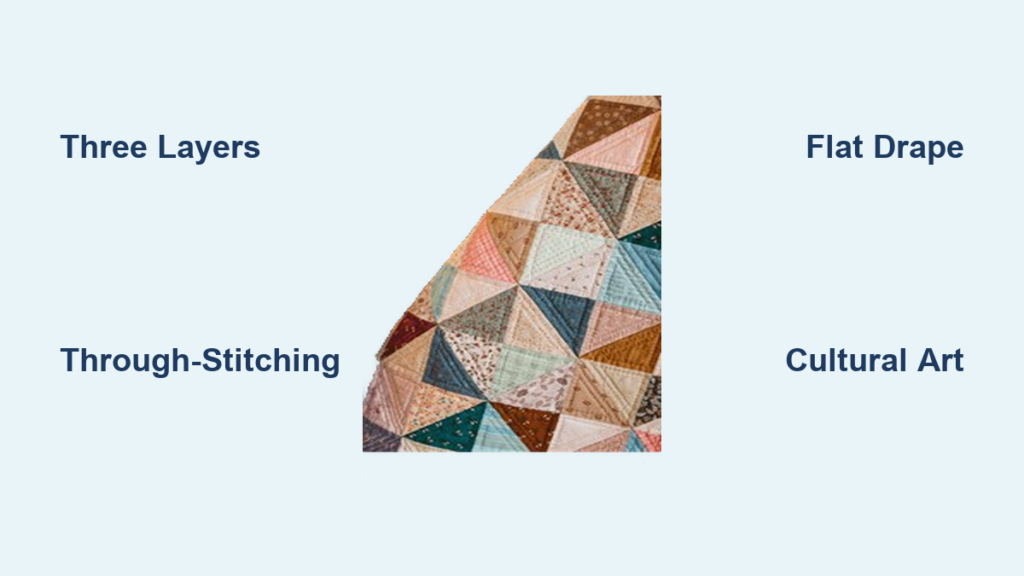
You have likely seen a quilt draped across a bed, folded at the foot of a couch, or displayed in a museum. But what is a quilt, really? At its core, a quilt is a three-layer textile stitched together for warmth, decoration, or storytelling. Unlike a comforter or duvet, a true quilt must contain three distinct layers bound by through-stitching that holds everything in place.
This stitching does more than secure fabric. It prevents the inner layer from shifting, adds long-lasting strength, and often forms intricate patterns that turn the piece into wearable art. In this guide, you will learn how quilts differ from other bed coverings, explore global traditions that shaped the craft, and discover how quilts are made, used, and valued today.
The 3-Layer Rule: What Makes a Quilt a Quilt
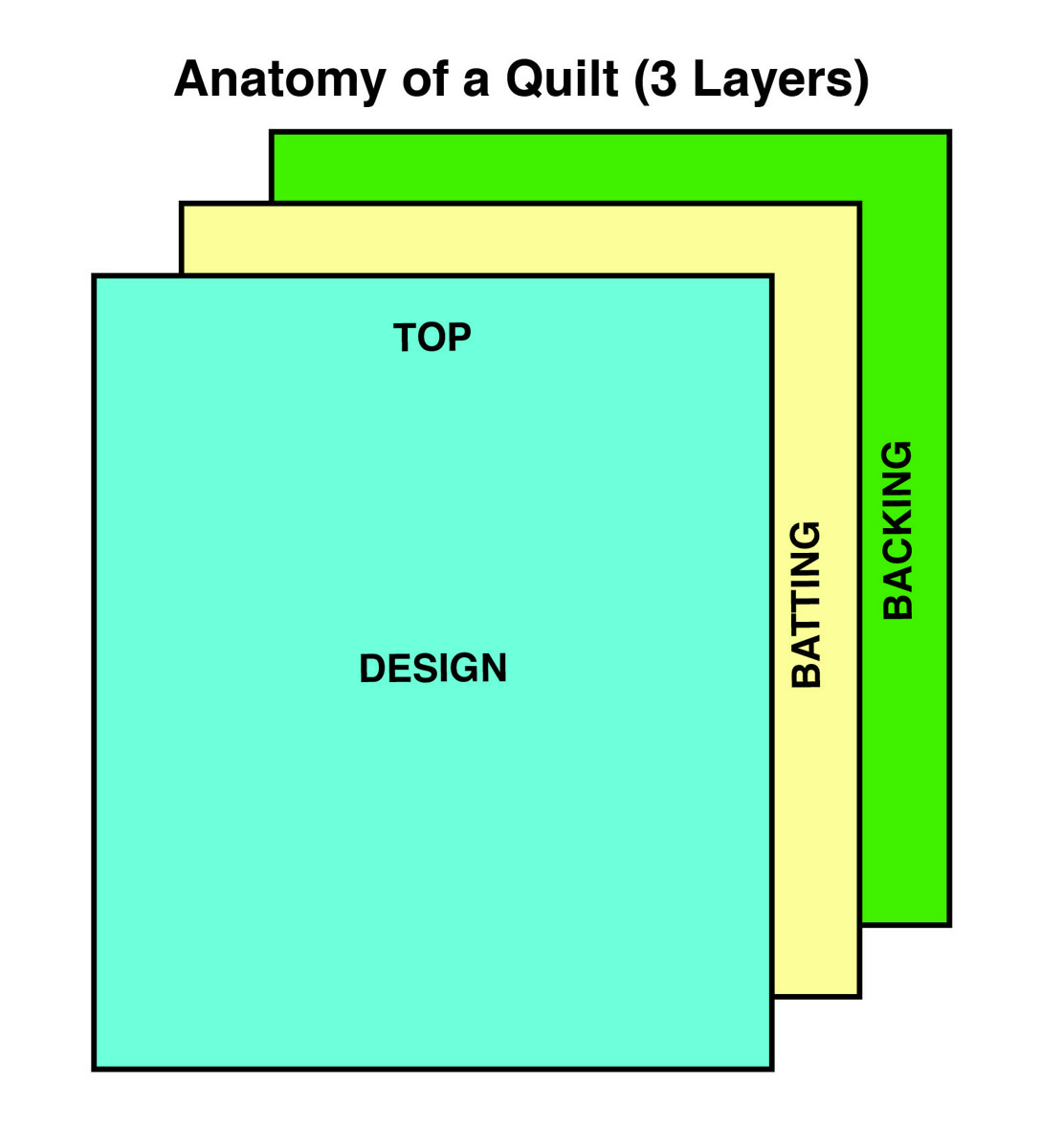
A quilt is defined by how it is built, not how it looks. Skip the three-layer rule, and you have a comforter, blanket, or duvet insert instead.
Top, Batting, and Back: The Essential Layers
Every authentic quilt contains three components:
- Top Layer: A single piece of fabric (wholecloth) or a design pieced from smaller scraps (patchwork). Often features patterns, appliqué, or printed motifs.
- Middle Layer (Batting): The insulating core. Common materials include cotton, wool, down, or synthetic fibers. Determines warmth and loft.
- Back Layer: A plain or patterned fabric that completes the sandwich. Usually chosen for contrast or simplicity.
These layers are held together by quilting stitches that pass through all three. This step is non-negotiable in traditional quilting. Without it, the item is technically a comforter or duvet insert.
Why Quilting Stitches Matter
The stitching does far more than hold layers in place:
- Prevents shifting: Keeps the batting evenly distributed over years of use.
- Adds strength: Reinforces fabric, especially important for hand-stitched heirloom pieces.
- Creates design: Patterns like swirls, grids, or echo quilting add visual texture.
- Controls drape: Dense stitching flattens the quilt, while looser quilting allows puffiness.
A quilted coverlet with minimal stitching or no batting may look similar, but it lacks the structural integrity and warmth of a true quilt.
Quilt vs. Comforter vs. Duvet: Clearing the Confusion

Many shoppers use these terms interchangeably, yet they describe very different products. Here is how to tell them apart.
Quilt: Thin, Flat, and Stitched Through
- Construction: Three layers stitched together.
- Warmth: Low to medium, ideal for layering or warm climates.
- Use: Standalone cover or paired under a comforter.
- Care: Machine washable when modern, heirlooms need gentle handling.
- Look: Textured surface, flat drape, often reversible.
Comforter: Puffy and Self-Contained
- Construction: Two layers sewn around fill with widely spaced stitching.
- Warmth: Medium to high, fluffier than quilts.
- Use: All-in-one bed covering.
- Care: Harder to clean, may require dry cleaning.
- Look: Uniform thickness, soft surface, less defined pattern.
Duvet: Requires a Cover
- Construction: A fill-filled insert with no decorative stitching needed.
- Warmth: High, especially in down-filled versions.
- Use: Paired with a removable duvet cover.
- Care: Insert rarely washed, cover is machine-washable.
- Look: Smooth, cloud-like loft, style changes with cover swaps.
Bottom Line: A quilt is stitched through all layers and lies flat. A comforter is puffy and self-finished. A duvet is an insert that needs a cover.
Global Quilt Traditions Around the World
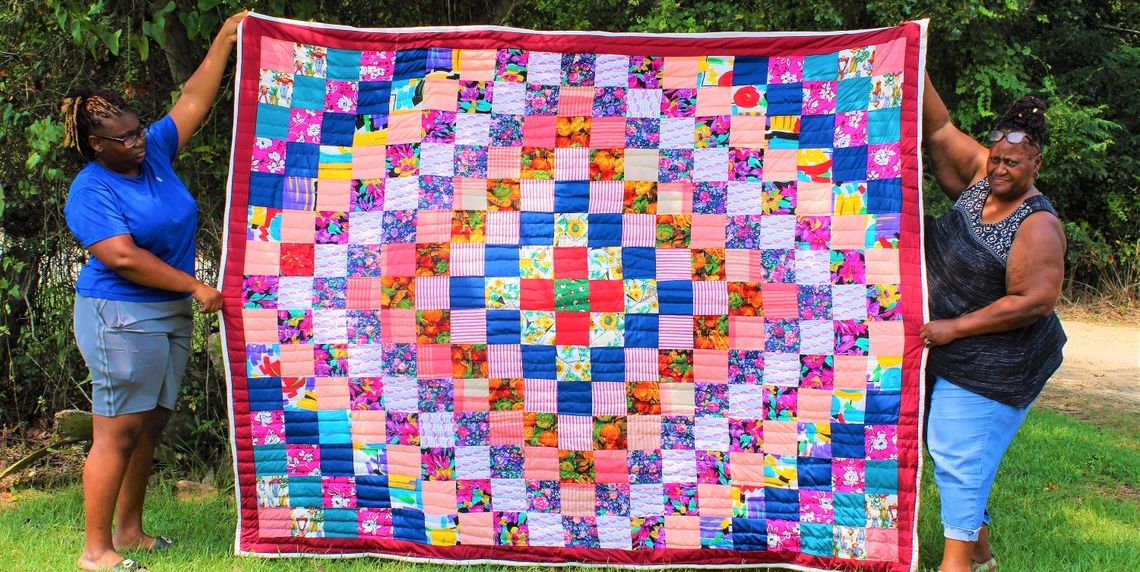
Quilting is a worldwide craft with regional styles shaped by climate, materials, and cultural meaning.
Amish Quilts: Simplicity and Symbolism
Traditional Amish quilts use only solid colors in community-sanctioned designs. Early Lancaster quilts used lightweight wool, while Midwestern communities favored cotton. The quilting patterns contrast sharply with plain backgrounds, and specific color combinations can identify the community of origin. Since the 1970s, Amish cottage industries have produced quilts for the consumer market.
African-American Quilting: Rhythm and Improvisation
This tradition draws from four Central and West African civilizations: Mande-speaking peoples, Yoruba and Fon, Ejagham, and Kongo. Key features include strip construction, high-contrast colors, large design elements, and improvisation. A break in a pattern symbolizes rebirth and is believed to confuse evil spirits, which are thought to travel in straight lines. Improvisation also protects the maker’s work from being copied. The quilters of Gee’s Bend, Alabama, are especially renowned for this style.
Native American Star Quilts
Emerging in the late 19th century among Plains tribes like the Lakota, Star Quilts replaced earlier quill-working traditions restricted by the US government. They hold deep spiritual value and appear in ceremonies, memorials, births, and gifts. The star represents guidance, honor, and connection to ancestors.
Japanese Sashiko: Stitching for Strength
Sashiko means “little stabs” in Japanese. Originating in fishing villages, it reinforced fabric with heavy cotton thread and large, even running stitches. Traditional designs use deep blue indigo fabric with white stitches (or inverse), arranged in medallion, tessellated, or geometric patterns. Piecing is not part of this tradition.
Indian Subcontinent Quilts
- Ralli (Pakistan and India): Made from scraps of cotton dyed in bold colors. Used as bed coverings, floor coverings, or storage. Essential for dowries and often embellished with mirrors and tassels.
- Kantha (India and Bangladesh): Made from worn-out saris sewn together with running embroidery stitches. Traditionally created by women during the Monsoon season.
- Jaipuri Razai: Block-printed quilts from Jaipur designed for warmth without skin irritation.
Hawaiian Quilts: Nature in Symmetry
Hawaiian quilts are wholecloth with large-scale symmetrical appliqué. Fabric is folded into quarters or eighths and cut to create border and center designs, then appliquéd onto a contrasting background. Echo quilting ripples out from the appliqué edge. Some historic examples lacked heavy batting due to the tropical climate.
How Quilts Are Made: From Patchwork to Final Stitches
Making a quilt involves several steps, each contributing to function, durability, and beauty.
Patchwork: Piecing Fabric into Design
Patchwork is the sewing together of geometric fabric pieces to form a design or block. Common techniques include:
- Hand Piecing: Traditional and precise, ideal for complex angles.
- Machine Piecing: Faster and common in modern quilting.
- English Paper Piecing: Uses paper templates for shapes like hexagons.
- Foundation Piecing: Stabilizes fabric on paper, great for irregular pieces.
Appliqué: Adding Fabric On Top
Appliqué shapes are sewn onto a base fabric with raw edges tucked under. Reverse appliqué cuts away the top layer to reveal fabric beneath, used in Mola and some Amish styles. Broderie Perse cuts motifs from printed fabric and reassembles them into new scenes.
Quilting: The Final Stitch
This step is what makes it a quilt.
Hand Quilting
Done on a large frame or in a hoop. Uses a small, even running stitch. Time-consuming but prized for craftsmanship.
Machine Quilting
- Domestic Machine: Good for simple patterns.
- Longarm Machine: Professional tool for dense, intricate designs like stippling and feathers.
Special Techniques That Elevate Design
- Trapunto: Stuffing added to specific areas to create 3D relief.
- Cording: Yarn pulled through channels to raise stems or borders.
- Embellishment: Beads, buttons, or sequins for decorative flair.
Quilts as Cultural Artifacts: Meaning Beyond Bedding
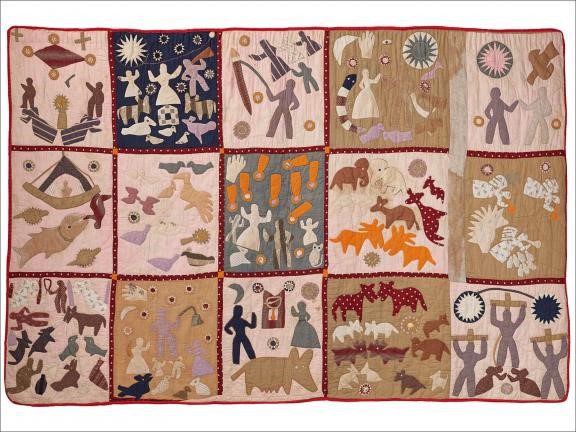
Quilts have always carried more than warmth. They mark life events, preserve memory, and build community.
Weddings and Coming of Age
Wedding Ring quilts feature interlocking rings symbolizing unity and have been popular since the 1930s. Hearts were traditionally avoided in wedding quilts due to fear of broken hearts, while tulips symbolized love instead. Young women were historically expected to produce a specific number of quilts before marriage.
Memorials and Storytelling
The AIDS Memorial Quilt contains over 50,000 panels, each 3×6 feet (gravesize), honoring lives lost. Harriet Powers’ Bible Quilt from the 19th century depicts biblical scenes. Story quilts combine text and imagery, functioning as alternative picture books or autobiographical records.
Community and Fundraising
Quilting bees brought women together for social events with food, music, and storytelling. Subscription quilts had names embroidered for a fee to fund ministers, schools, or disaster relief. Quilts were auctioned to support soldiers in every US war.
Therapy and Healing
Dr. William Rush Dunton, founder of the American Occupational Therapy Association, prescribed quilting as a curative activity for psychiatric patients. Modern groups use quilting to support veterans, cancer survivors, and trauma recovery.
Modern Quilting: From Bed to Gallery Wall
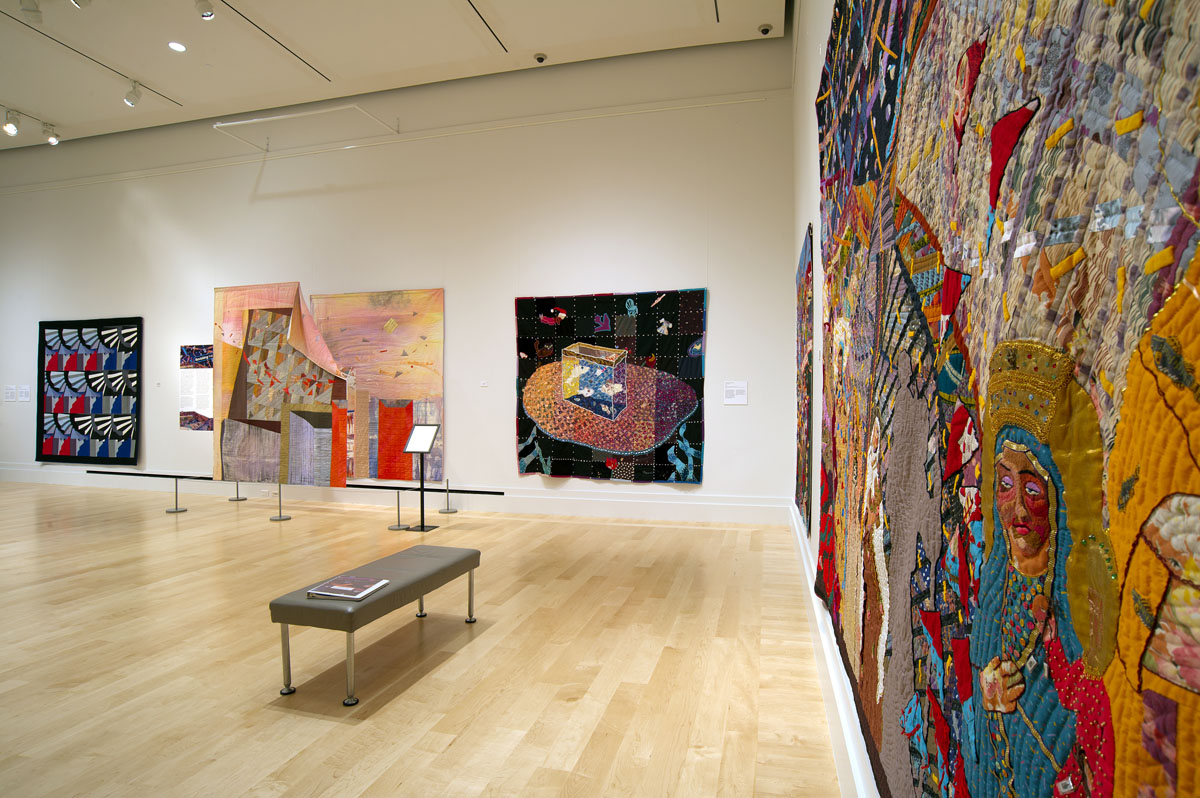
Today, quilting extends well beyond the bedroom and into galleries, fashion, and activism.
Art Quilts: From Bed to Wall
Art quilts are made for display rather than use. They feature abstract designs, mixed media, and experimental fabrics. Museums like the National Quilt Museum in Paducah, Kentucky, the Whitney Museum, and the Smithsonian American Art Museum showcase these works.
The Modern Quilting Movement
This emerging style emphasizes minimalism, bold colors, asymmetry, and negative space. Influences include mid-century modern design and abstract art. Online communities, Instagram, and quilt shows fuel this growing movement.
Redefining the Term: Is a Wall Hanging a Quilt?
A healthy debate persists:
- Traditionalists: No batting and no function means it is not a quilt.
- Artists: Stitched fabric art qualifies as a quilt, regardless of use.
- Consensus: The term now includes art quilts, layered and stitched works that express identity even if never used on a bed.
Caring for a Quilt: Cleaning and Storage Tips
A well-made quilt can last generations with proper care.
Cleaning Guidelines
- Machine-Made Quilts: Can be machine washed in cold water on a gentle cycle with mild detergent.
- Handmade or Heirloom Quilts: Hand wash or use professional cleaning. Avoid agitation.
- Drying: Air dry or use low heat. High heat can shrink cotton or damage batting.
- Frequency: Less than comforters, especially if layered under a duvet.
Storage Tips
- Fold loosely: Avoid sharp creases that stress fabric.
- Store flat or rolled: Better than hanging long-term.
- Use acid-free paper: Prevents yellowing and fabric degradation.
- Avoid plastic bags: Traps moisture. Use cotton pillowcases or breathable containers instead.
Longevity Factors
- Stitch Density: Tight quilting extends lifespan.
- Fabric Quality: 100% cotton or wool lasts longer than synthetics.
- Usage: Displayed quilts outlast daily-use bedding.
Who Should Choose a Quilt (And Why)
Not every sleeper needs a quilt. Here is who benefits most.
Hot Sleepers and Warm Climates
Quilts are thinner and more breathable than comforters. A lightweight cotton quilt keeps you cool in summer and layers easily in winter.
Minimalists and Style Changers
Clean lines and flat drape appeal to minimalists. Reversible quilts offer two looks in one piece.
Sentimental Buyers and Collectors
Quilts carry stories, from family heirlooms to handmade gifts and cultural artifacts. Look for hand-stitched, patchwork, or narrative designs.
Budget-Friendly Shoppers
Machine-made quilts are often cheaper than premium duvets and last for years with proper care.
Frequently Asked Questions About Quilts
What is a quilt made of?
A quilt consists of three layers: a decorative top fabric, an insulating middle layer called batting (made from cotton, wool, down, or synthetics), and a backing fabric. All three layers are stitched together with thread to form a single piece.
How is a quilt different from a comforter?
A quilt is stitched through all three layers and lies flat with a textured surface. A comforter is sewn from two layers with fill inside, creating a puffier, thicker appearance with widely spaced stitching.
What is the purpose of quilting stitches?
Quilting stitches hold the three layers together, prevent the batting from shifting, add strength, and create decorative patterns. Without through-stitching, the item is not technically a quilt.
What is the oldest known quilt?
The Tristan Quilt, a Sicilian linen textile from 1360 to 1400, is one of the most famous surviving examples. It depicts scenes from the legend of Tristan and Isolde and is housed in the Victoria and Albert Museum and the Bargello.
Can a wall hanging be considered a quilt?
It depends on who you ask. Traditionalists require three layers and through-stitching. Contemporary artists often include wall hangings under the quilt umbrella if they use layered fabric and stitching techniques.
How long does a handmade quilt last?
With proper care, a handmade quilt can last for generations. Factors like stitch density, fabric quality, and usage all affect longevity. Heirloom quilts passed down through families often remain in excellent condition for 100 years or more.
Key Takeaways for Understanding What a Quilt Truly Is
A quilt is more than fabric and thread. It is a fusion of function, history, and art defined by its three-layer structure and through-stitching. From Amish simplicity to African-American improvisation, quilts reflect cultural identity, community, and resilience across every continent.
The next time you see a quilt, look closely at the stitches. Each one tells a story of the maker, the materials, and the moment in history when the layers came together. Whether used on a bed or displayed on a wall, a quilt carries warmth in every sense: physical, emotional, and historical.