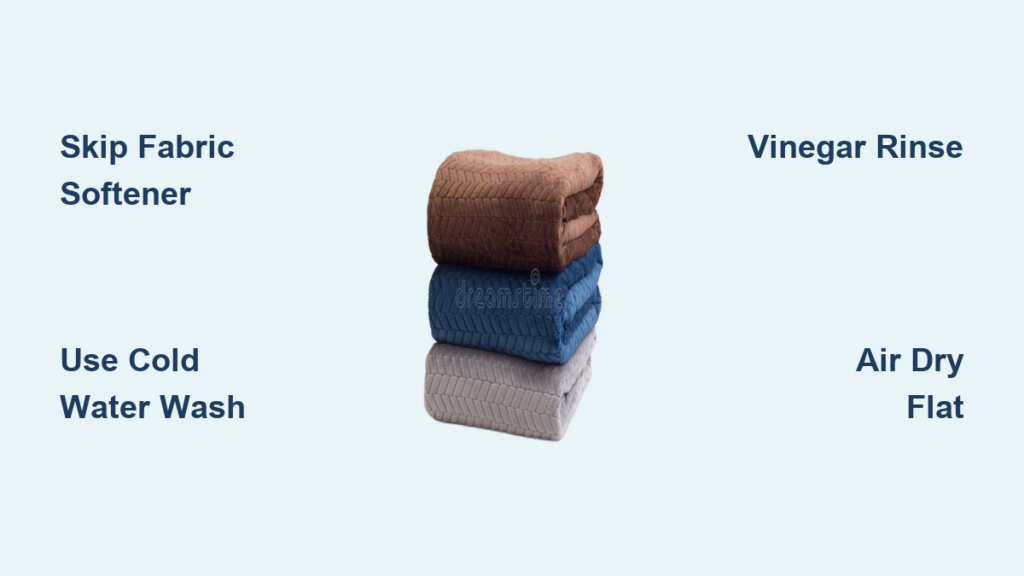
You wash your favorite blanket expecting it to come out cozy and plush, only to find it stiff, rough, and nothing like the softness you remember. If your blanket is not soft after washing, you’re not alone. This frustrating issue affects fleece, minky, weighted, cotton, and handmade blankets alike, especially those made from popular synthetic yarns like Bernat Blanket Big. The good news is that most softness loss is preventable and often reversible.
The primary culprits are detergent buildup, fabric softener residue, hot water, high-heat drying, and aggressive wash cycles. These factors damage delicate fibers, compress plush textures, and leave behind invisible coatings that make fabric feel stiff. But with the right care routine, you can restore softness and keep your blanket cozy for years.
Why Your Blanket Feels Stiff After Washing
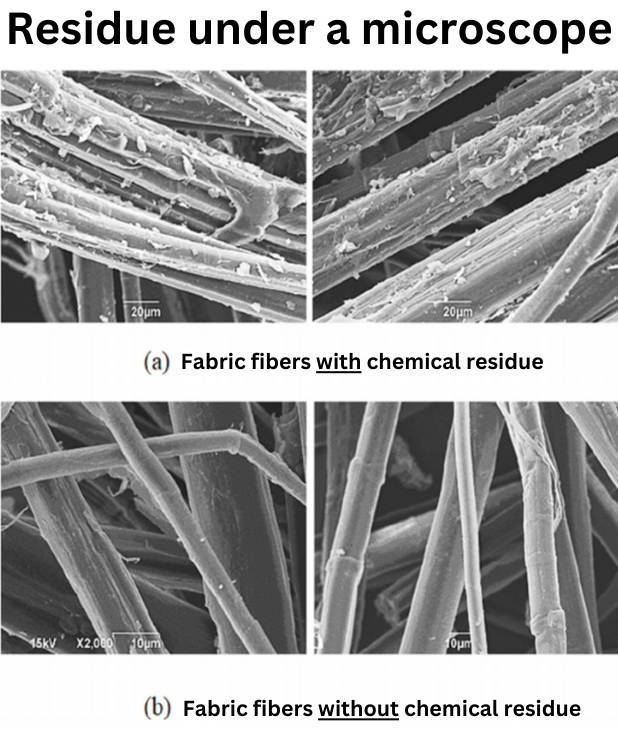
Washing should refresh a blanket, not ruin its texture. Yet millions report softness loss after just one cycle. The damage comes from invisible stressors including chemical residues, heat exposure, and mechanical friction.
Detergent Buildup Stiffens Fibers
Excess detergent, especially powder formulations, does not fully dissolve and rinse away. It coats synthetic fibers like polyester and microfiber, creating a crusty layer that makes fabric feel rough. Over time, this buildup accumulates, reducing breathability and softness. Cold water and insufficient rinsing worsen the problem, leaving residue trapped deep in the nap.
What to look for: A slightly sticky or chalky feel, dull appearance, or musty odor even after washing.
Fabric Softener Damages Long-Term Softness
Ironically, the product meant to soften fabric is the number one cause of softness degradation. Fabric softeners leave a waxy film on fibers to reduce static. With repeated use, this coating hardens, blocks moisture absorption, and makes blankets feel stiff. It is especially damaging to minky and fleece, where the nap becomes matted and lifeless.
Expert tip: Once softener residue builds up, it takes multiple vinegar washes to remove.
Hot Water Shrinks and Hardens Fibers
Warm or hot water may feel more cleaning, but it is harsh on modern blanket materials. Synthetics like polyester can shrink, compress, or even begin to melt at high temperatures. Natural fibers like cotton may tighten and lose their plush drape. Even a single hot wash can permanently alter texture.
Warning: Some care labels allow warm water, but real-world testing shows cold water preserves softness significantly longer.
High-Heat Drying Flattens and Fuses Fibers
Tumble drying, even on low heat, exposes blankets to prolonged warmth that degrades delicate fibers. High heat can actually fuse polyester strands together, creating a stiff, cardboard-like feel. Over-drying removes all residual moisture, making fibers brittle and rough.
Fact: Microscopic analysis shows synthetic fibers begin to deform at temperatures as low as 130°F.
Overcrowding Causes Fiber Clumping
Washing a bulky blanket with other items restricts movement, increasing friction and compression. In small-capacity machines, this leads to uneven cleaning, pilling, and matted patches, especially in fuzzy fabrics like minky or fleece.
Visual cue: Look for flattened areas or clumps of fibers after drying.
Excessive Agitation Breaks Down Softness
Standard or heavy-duty wash cycles use powerful spinning that beats soft fabrics against the drum. This damages loosely woven knits and flattens the nap on plush blankets. High-efficiency machines, while water-efficient, often apply intense agitation unless set to delicate.
Solution: Always use gentle, hand-wash, or slow-spin cycles.
How to Restore Softness to a Stiff Blanket
Even if your blanket has already lost its softness, do not give up. Most cases can be reversed with targeted cleaning techniques that dissolve residue, re-fluff fibers, and restore plushness without harsh chemicals.
Vinegar Rinse Removes Residue
Add one-half to one cup of distilled white vinegar to the rinse cycle. Vinegar breaks down detergent, mineral, and fabric softener buildup without harming fibers. It also neutralizes odors and softens water naturally.
Steps:
- Wash blanket in cold water with mild detergent.
- Add vinegar during the rinse cycle.
- Run an extra rinse to flush residue.
- Air dry or use no-heat dryer setting.
Pro tip: Repeat every two to three months for maintenance.
Baking Soda Wash Deep Cleans Fibers
Baking soda lifts oily residues and neutralizes pH imbalances in fabric. Use it with detergent, not with vinegar in the same cycle.
Steps:
- Add one-half cup baking soda to the drum.
- Add mild liquid detergent, using half the recommended dose.
- Wash on gentle cycle in cold water.
- Follow with vinegar rinse in a separate wash.
Note: Baking soda helps restore fluffiness in matted blankets.
Conditioner Soak for Quick Restoration
Hair conditioner contains silicone and emollients that temporarily smooth and soften fibers, similar to how it works on hair.
Steps:
- Fill tub with lukewarm water.
- Add one-fourth cup silicone-free conditioner.
- Soak blanket for 15 to 30 minutes.
- Rinse thoroughly with cold water until slippery feel is gone.
- Air dry flat or on a rack.
Caution: Overuse can attract dirt. Use only once for restoration.
No-Heat Dryer Fluff with Wool Balls
Even stiff blankets can be revived in the dryer without heat. Use air mode with wool dryer balls to separate fibers and restore loft.
Steps:
- Wash and partially dry blanket.
- Place in dryer on air setting.
- Add two to three wool dryer balls.
- Run for 10 to 15 minutes.
- Remove while slightly damp.
- Shake vigorously to fluff.
User feedback: Wool balls reduce drying time by 25% and eliminate static naturally.
Manual Fiber Restoration
For matted or flattened areas, physically lift the fibers.
Options:
- Use a soft fabric brush or pet slicker brush, ideal for fleece.
- Gently brush in one direction to raise the nap.
- Alternatively, shake the blanket outdoors to redistribute fibers.
Best after drying while fibers are still slightly elastic.
Re-Wash Using Residue-Free Protocol
If your blanket feels stiff, re-wash it using this professional-grade method:
- Cold water only
- Half dose of mild liquid detergent
- Extra rinse cycle enabled
- Vinegar in rinse compartment
- No fabric softener
- Air dry or no-heat tumble dry
This flushes out all residues and resets fiber texture.
Best Washing Practices to Prevent Softness Loss
Prevention is better than restoration. Follow these science-backed steps every time you wash to keep your blanket soft, fluffy, and fresh.
Wash Separately or in Small Loads
Always wash blankets alone or with one similar item. This prevents overcrowding and ensures full water circulation.
Why it matters: In a packed drum, the blanket cannot move freely, increasing friction and mechanical stress.
Machine tip: Use a large-capacity washer. Top-loaders with agitators are riskier; use front-loaders when possible.
Use Cold Water Only
Cold water protects fiber integrity, prevents shrinkage, and reduces energy use. It is effective at removing most soils when paired with proper detergent.
Exception: Only use warm water if sanitization is needed, such as after illness or pet accidents.
Select Gentle or Delicate Cycle
Aggressive cycles cause pilling, fiber breakage, and nap flattening. Always choose gentle, delicate, hand-wash, or slow spin. Avoid heavy duty or deep clean settings.
Use Mild Liquid Detergent Half Dose
Powder detergents often do not dissolve fully, leaving gritty residue. Liquid detergents rinse cleaner.
Choose:
- Low-residue formulas
- HE-compatible detergents for high-efficiency machines
- detergents free of bleach, enzymes, and brighteners
Dosage: Use half the recommended amount. Less is better.
Add Mesh Laundry Bag for Protection
Place minky, fleece, or loosely woven blankets in a large mesh laundry bag before washing.
Benefits:
- Reduces pilling by 40% per user trials
- Minimizes friction
- Prevents snagging
Tip: Use white bags to avoid color transfer.
Run Extra Rinse Cycle
Most machines default to one rinse. Add a second or even third rinse to ensure all detergent is flushed out.
Hard water areas: Combine extra rinse with vinegar to combat mineral deposits.
Proper Drying Methods for Maximum Softness

Drying is where most softness loss occurs. Even if washing is perfect, high heat or over-drying can ruin the texture. Follow these methods to preserve plushness.
Air Dry Flat
Lay the blanket on a clean, dry surface like a drying rack or over a towel.
Steps:
- Gently press out excess water. Do not wring.
- Lay flat, smoothing edges to prevent curling.
- Flip halfway through drying.
- Keep out of direct sunlight.
Advantage: Zero heat exposure. Ideal for weighted, handmade, and minky blankets.
Hybrid Dry: Partial Tumble Plus Air Dry
Speed up drying without sacrificing softness.
Steps:
- Tumble dry on air setting for 10 to 15 minutes.
- Remove while still slightly damp.
- Finish drying flat.
Result: Faster drying with preserved fiber pliability.
Low-Heat Drying
If you must use heat, keep it minimal. Use low-heat setting only, for 10 to 15 minutes maximum. Remove while damp. Add wool dryer balls.
Never use high heat, especially on weighted blankets with plastic pellets risk of melting.
Use Wool Dryer Balls
These natural alternatives to dryer sheets fluff fibers, reduce static, and shorten drying time.
Benefits:
- Eliminate need for fabric softener
- Last 1,000 plus loads
- Hypoallergenic
Pro tip: Add a few drops of essential oil for light scent, optional.
Avoid These Drying Mistakes
- Ironing melts synthetic fibers
- Dry-cleaning harsh solvents strip softness
- Wringing distorts shape, damages fill
- Hanging heavy wet blankets causes stretching
Material-Specific Care Guide
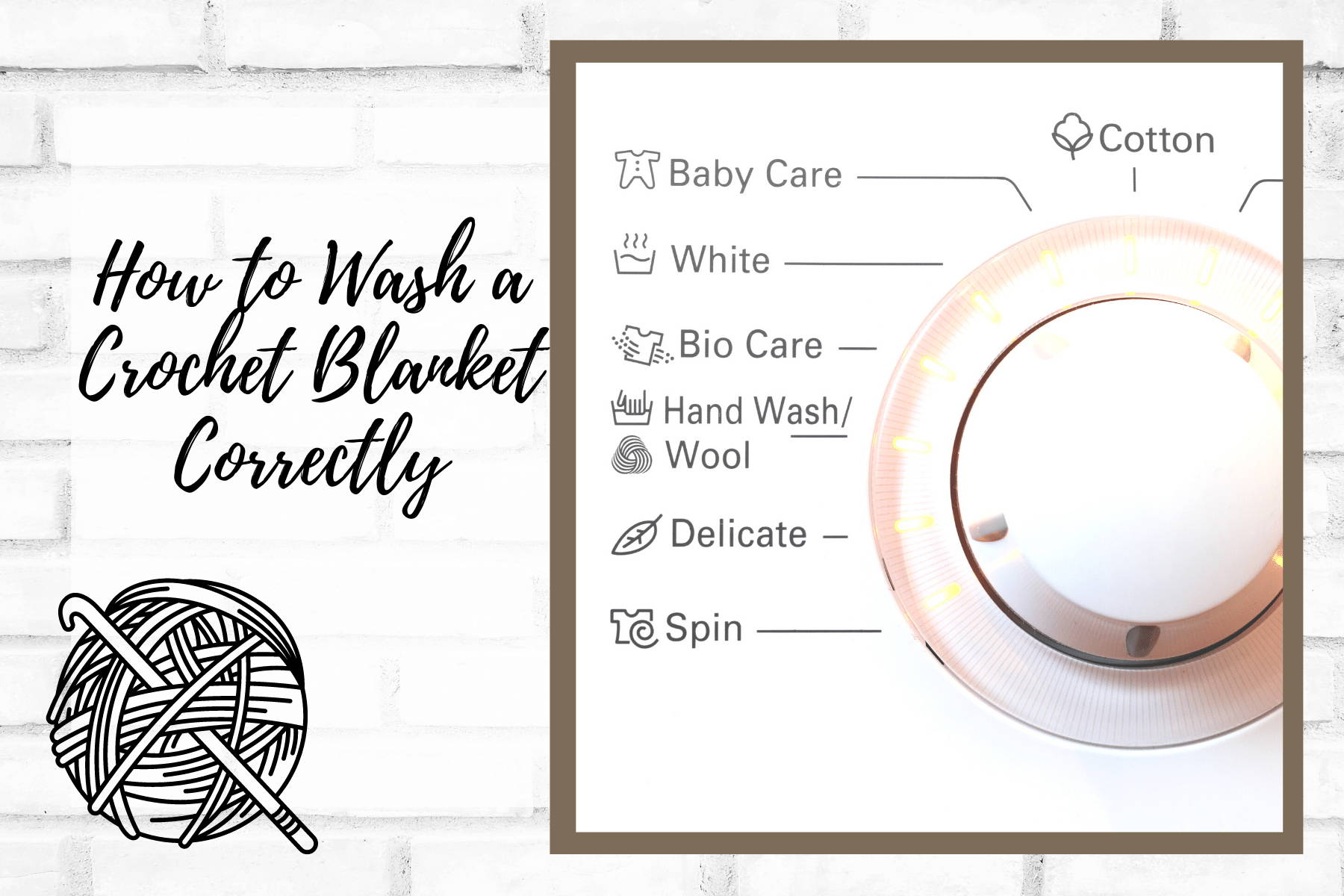
Not all blankets are the same. Follow these tailored instructions based on fabric type.
Fleece Blankets
- Wash: Cold water, gentle cycle, mild detergent
- Dry: Air dry or low-heat with wool balls
- Restore: Brush with pet slicker to lift nap
- Avoid: Fabric softener, high heat
Note: Pilling is common. Use a fabric shaver if needed.
Minky Polyester Blankets
- Wash: Cold, delicate cycle, half-dose liquid detergent
- Dry: Air dry or no-heat only
- Protect: Use mesh bag
- Avoid: Any heat, softener, wringing
User tip: Minky softens with age but only if washed correctly.
Weighted Blankets
Glass Bead Fill
- Wash: Cold, gentle, mild detergent
- Dry: Air dry or low-heat, check care label
- Caution: Do not wring. Ensure even drying.
Plastic Pellet Fill
- Wash: Cold, gentle
- Dry: Air dry only. Heat can melt pellets.
- Check: For removable cover
General rule: Wash less frequently. Spot clean between full washes.
Cotton and Knit Throws
- Wash: Cold or cool water, gentle or normal cycle
- Dry: Tumble dry low or line dry
- Risk: Shrinking in hot water
- Tip: Fabric softens over time with proper care
Microfiber Blankets
- Wash: Cold, gentle, low-residue detergent
- Dry: Air dry preferred. If machine drying, use no-heat.
- Static fix: Use wool dryer balls
Wool Blankets
- Wash: Cold, hand-wash cycle, wool-specific detergent
- Dry: Lay flat. Never hang or tumble dry.
- Avoid: Agitation, wringing, heat
Bernat Blanket Big and Frosted Big Yarns
Despite being labeled machine washable, these bulky synthetics often lose softness after washing.
- Wash: Cold, gentle, mild liquid detergent
- Dry: Air dry or no-heat tumble
- Avoid: Fabric softener, high heat, wringing
- Pre-wash: Test finished handmade blankets before gifting
User insight: First wash often causes noticeable softness drop even when following label instructions.
Long-Term Prevention and Maintenance
Keep your blanket soft for years with smart habits.
Wash Frequency by Use
- Normal use: Every four weeks
- High use or pets: Every two weeks
- Spot clean: Immediately for spills
Benefit: Fewer full washes means less wear.
Store Properly
- Ensure completely dry before storing
- Use cotton storage bags, not plastic traps moisture
- Refold monthly to prevent permanent creases
Use Blanket Protectors
Slip a removable cover over high-use throws to reduce washing frequency and protect from abrasion.
Avoid Abrasive Surfaces
Keep blankets away from sand, pet claws, velcro, and rough furniture. These cause pilling and fiber damage over time.
Real-World Versus Manufacturer Recommendations
Manufacturers often recommend tumble dry on low, but user testing shows this still contributes to softness loss over time.
Example: Bernat Blanket Big label says machine wash cold and tumble dry low. But verified users report air drying preserves softness best, even low heat causes gradual hardening, and no-heat drying with wool balls outperforms tumble drying.
Bottom line: Follow care labels as a baseline, but optimize with real-world best practices.
Frequently Asked Questions About Blanket Softness
Why does my blanket feel stiff after washing even though I used fabric softener?
Fabric softener leaves a waxy coating on fibers that builds up over time, making blankets feel stiff rather than soft. This coating hardens and blocks moisture absorption. Skip fabric softener entirely and use vinegar in the rinse cycle instead.
Can I restore a blanket that has become rough after multiple washes?
Yes, most stiff blankets can be restored. Wash with cold water and half-dose mild detergent, add an extra rinse with vinegar, then tumble dry on air with wool dryer balls. Repeat if needed.
What is the best drying method to keep blankets soft?
Air drying flat is the best method. If you must use a dryer, use no-heat air tumble for 10 to 15 minutes, then finish drying flat. Remove while slightly damp.
How often should I wash my blanket to maintain softness?
Wash standard throw blankets every four weeks under normal use. Wash high-use or pet-exposed blankets every two weeks. Spot clean spills immediately to avoid frequent full washes.
Does the type of detergent matter for blanket softness?
Yes, use mild liquid detergent only. Powder detergents do not dissolve fully and leave residue. Avoid detergents with bleach, enzymes, or brighteners. Use half the recommended dose.
Why do blankets made from Bernat Blanket Big yarn lose softness after washing?
These synthetic bulky yarns are machine washable but prone to texture changes. Even when following care labels, users report softness loss. Air drying or no-heat tumble drying produces better results than tumble drying on low.
Key Takeaways for Maintaining Soft Blankets
The softest blanket is not the most expensive, it is the one cared for correctly. By skipping fabric softener, using cold water, adding vinegar to the rinse cycle, and air drying, you will extend softness three times longer than standard methods. Always wash blankets separately in cold water on gentle cycles using minimal mild liquid detergent. Dry on air or low heat, removing while slightly damp, and use wool dryer balls to fluff fibers. For stiff blankets, restore with vinegar rinses, baking soda washes, or a one-time conditioner soak. Start today and never suffer through a stiff, scratchy blanket again.