If you rely on an electric blanket to stay warm during winter, you’ve probably wondered: how long does an electric blanket last? Most quality models deliver reliable warmth for 5 to 10 years, but actual lifespan depends on usage, care, and build quality. Over time, internal wiring degrades, fabrics wear thin, and safety risks increase, even if the blanket still heats up. After a decade, experts strongly recommend replacing your electric blanket, regardless of performance, to avoid fire hazards and electrical failures.
In this guide, you’ll learn what determines an electric blanket’s lifespan, how to spot warning signs of failure, and practical steps to extend its life safely. Whether you use yours nightly or seasonally, understanding these factors helps you get the most from your investment without compromising safety.
Average Lifespan: 5 to 10 Years
The typical lifespan of a quality electric blanket ranges from 5 to 10 years. This range reflects average durability under normal usage conditions. Premium models with advanced heating technology often reach the full decade, while cheaper alternatives or heavily used blankets may fail before year five. Your usage habits, maintenance routine, and the initial build quality all play a role in determining where your blanket falls on this spectrum.
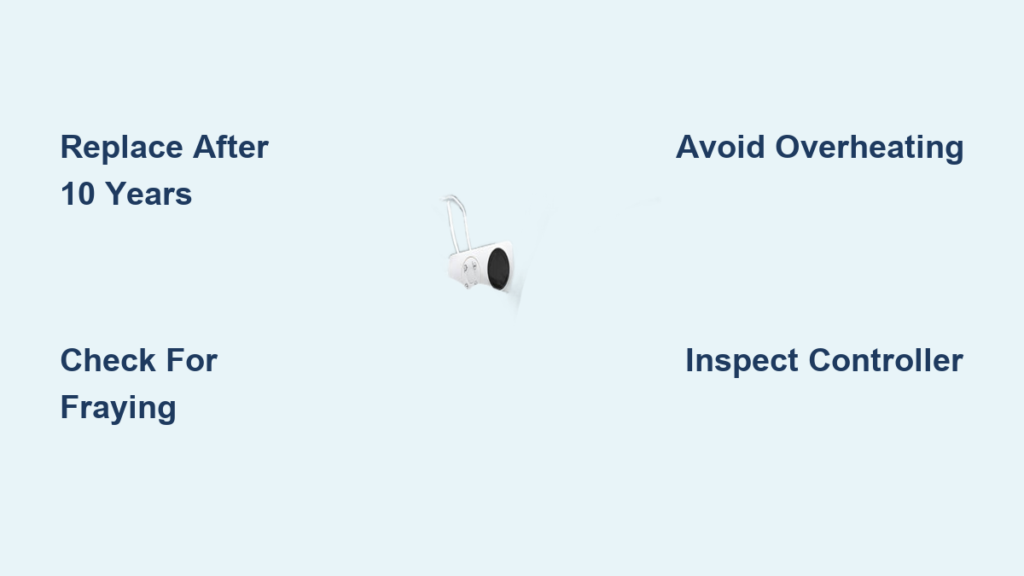
Replace After 10 Years Even If It Still Works
Manufacturers and fire safety organizations agree: retire electric blankets after 10 years even if they still warm your bed. Internal components degrade over time, including insulation around wires, solder joints, and thermostat sensors. These hidden issues can lead to overheating, short circuits, or fire, especially in older models lacking modern safety features like auto shut-off.
While some premium brands last the full decade with proper care, frequent use or poor maintenance can shorten life to under 5 years. Always check manufacturer guidelines, as many offer 3- to 10-year warranties that reflect expected durability.
Key Factors That Affect How Long an Electric Blanket Lasts
Build Quality and Materials
Higher-end electric blankets use durable microplush, cotton, or fleece with reinforced stitching and advanced heating elements like carbon fiber or braided wires. These resist hot spots and wear better than basic metal coils in cheaper models. Reputable brands also include better insulation and dual thermostats for even heat distribution.
A longer warranty, such as 5 or more years, often signals higher build quality. If a blanket costs more but comes with a 10-year guarantee, it’s likely engineered for long-term use.
How Often You Use It
Using your electric blanket every night on high heat accelerates wear. Repeated heating and cooling cause wires to expand and contract, leading to fatigue and breakage over time. Occasional use, such as on the coldest nights, preserves components significantly better.
Pro tip: Use the blanket to pre-warm your bed, then turn it off or switch to low before sleeping. This reduces strain on heating elements and saves energy.
Washing and Care Habits
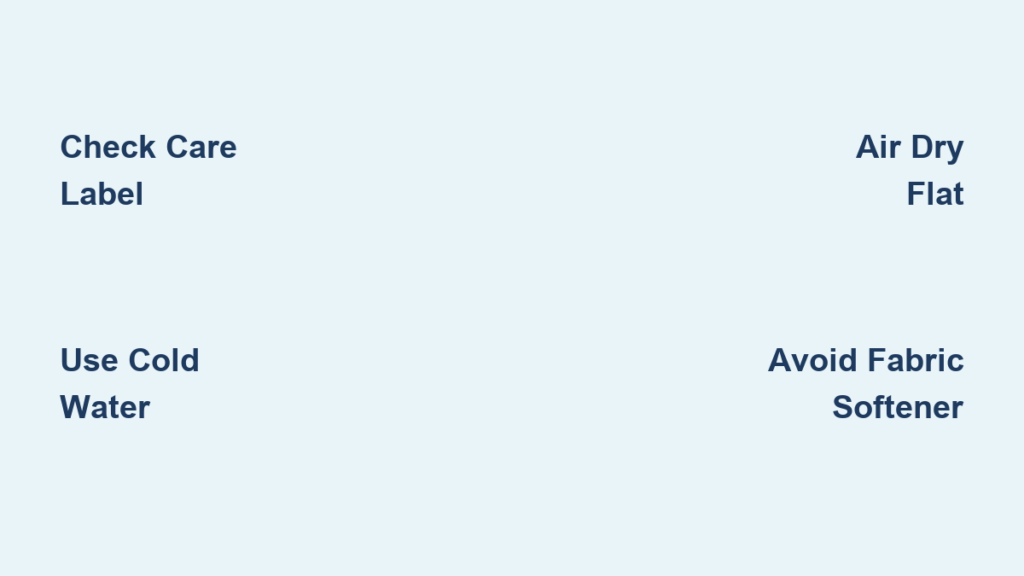
Improper cleaning is a top cause of early failure. While many modern blankets are machine washable, they require gentle handling. Use cold water and a gentle cycle with mild detergent. Never use bleach or fabric softener. Air-dry or tumble dry on low heat only, as high heat can melt internal wiring insulation. Always unplug and remove the controller before washing, and never wring or twist the blanket when wet.
Storage and Physical Handling
Folding creates sharp creases that crack internal wires over time. Store your electric blanket loosely rolled or flat in a cool, dry place. Avoid placing heavy items on top, which compresses heating elements.
Never sit or lie directly on the blanket while it’s on, as this compresses heating elements and increases hot spot risks. Also keep pets away, since claws or chewing can damage cords and fabric.
Environmental and Electrical Factors
Moisture and humidity encourage corrosion of electrical connections and mold growth. Store your blanket in a dry area, never in a damp basement or bathroom. Power surges can fry the control unit, so plug your blanket into a surge protector. Also avoid using extension cords, which may overheat under sustained load.
Warning Signs Your Electric Blanket Needs Replacing

Visible Fabric Damage
Look for fraying, thinning, or tears in the fabric, as well as burn marks, scorching, or discoloration. These indicate overheating or exposed wires. If you see any of these, stop using the blanket immediately.
Cold Spots or Uneven Heating
If parts of the blanket no longer heat up, the internal wiring may be broken. This is especially common in older models or those frequently folded in the same spot. Cold zones mean the heating system is failing and the blanket should be replaced.
Overheating or Hot Spots
Sections that become excessively hot suggest a malfunctioning thermostat or short circuit. This is a serious fire risk. Modern blankets have overheat protection, but older models may not include this safety feature.
Controller and Power Problems
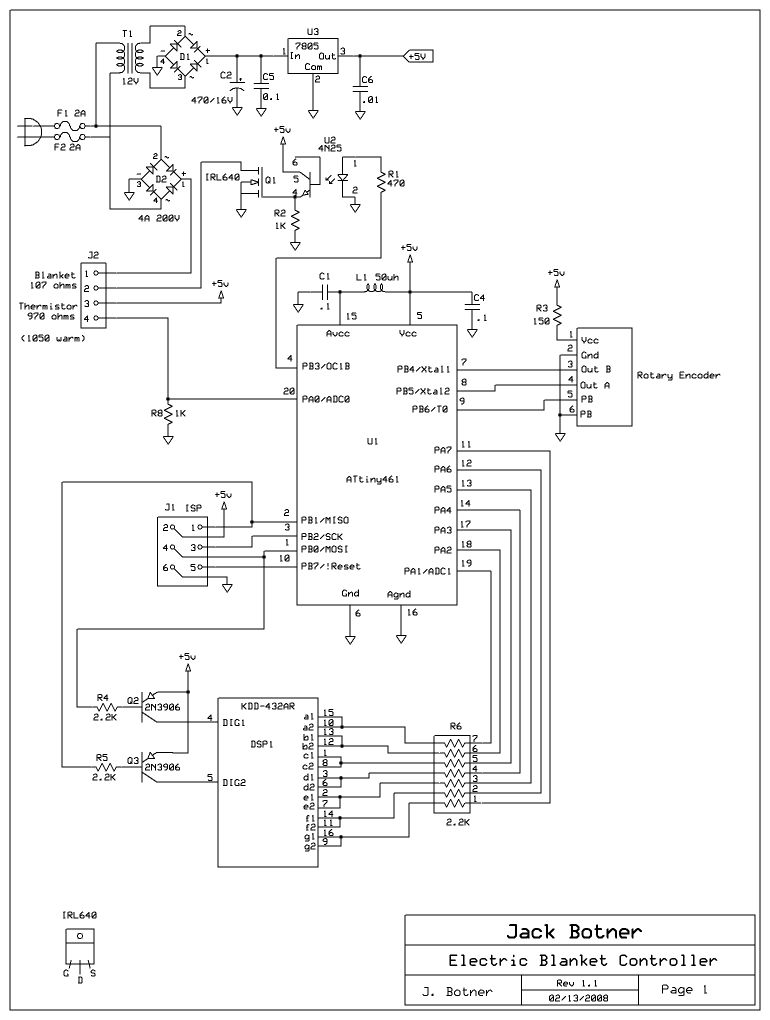
Watch for unresponsive buttons or dials, flickering lights on the control panel, or buzzing, humming, or burning smells. These point to failing electronics. A tripped circuit breaker when using the blanket also signals an internal short.
Damaged Power Cord or Plug
Exposed wires, kinks, or loose connections in the cord create shock and fire hazards. Never attempt to repair a damaged cord yourself. Replace the entire blanket instead.
Safety Rules for Electric Blanket Use
Never Sleep With It On Unless It Has Auto Shut-Off
Older electric blankets should never be left on overnight. Newer models include auto shut-off timers, typically 1, 3, or 9 hours, for safe overnight use. If your blanket lacks this feature, turn it off before falling asleep.
Avoid Use With High-Risk Individuals
Do not use electric blankets for infants, people with diabetes, or those with nerve damage or reduced sensitivity. These individuals may not feel overheating, increasing the risk of burns.
Do Not Use Under Heavy Bedding
Placing thick comforters or weighted blankets on top traps heat and raises the risk of overheating. Use the electric blanket as a mid-layer, not a base.
Never Fold While Turned On
Folding creates concentrated heat in one area, which can melt wires or ignite fabric. Always use the blanket flat and unfolded during operation.
Avoid Second-Hand Models
You cannot know the usage history or wear level of a used electric blanket. Hidden damage increases fire and shock risks. Always buy new for safety.
How to Make Your Electric Blanket Last Longer

Follow This Maintenance Checklist
| Action | Why It Matters |
|---|---|
| Wash only when needed | Reduces stress on wiring |
| Use gentle cycle and mild detergent | Prevents fabric and wire damage |
| Air-dry or use low heat | High heat can melt internal components |
| Store loosely rolled | Prevents wire fractures |
| Inspect before each season | Catches early signs of wear |
| Keep dry and away from liquids | Prevents short circuits |
| Use a surge protector | Shields electronics from power spikes |
Seasonal Inspection Routine
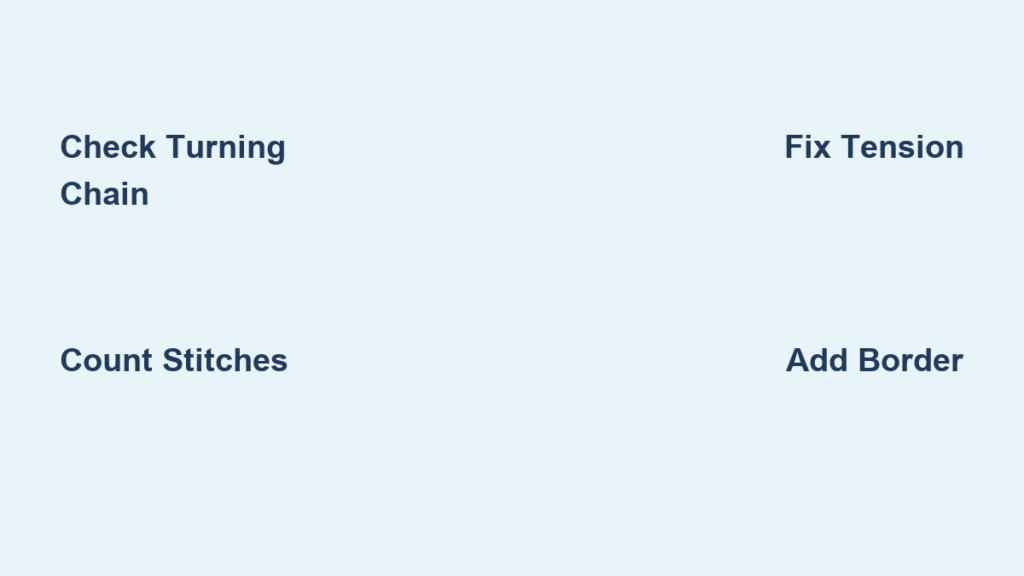
Before winter, perform a quick safety check. Unroll and visually inspect for tears, scorch marks, or thinning fabric. Feel for lumps or breaks along heating lines. Plug in and test all heat settings. Smell for burning odors during warm-up. Check the controller for responsiveness. If anything feels or smells off, replace the blanket.
When to Replace: Quick Decision Guide
Replace your electric blanket if it’s more than 10 years old, if you see fraying, burns, or exposed wires, if there are cold spots or hot zones, if the controller malfunctions or emits noise, if it produces a burning smell, or if the power cord is damaged. When in doubt, err on the side of caution. A new electric blanket costs far less than a house fire.
Choosing a Long-Lasting Replacement
When it’s time for a new blanket, look for a 5- to 10-year warranty, which indicates confidence in durability. Ensure it has overheat protection and auto shut-off. Choose a machine-washable model with a removable controller. Consider dual controls if sharing the bed with a partner. Look for carbon fiber or fiber-wrapped heating elements, which are more durable than metal wires. Top brands like Sunbeam, SoftHeat, and Biddeford offer models known for reliability and safety.
Frequently Asked Questions About Electric Blanket Lifespan
How many years should you keep an electric blanket?
You should keep an electric blanket for 5 to 10 years, depending on build quality and maintenance. However, replace any blanket after 10 years regardless of how it appears, as internal components degrade and safety risks increase significantly.
Can an electric blanket last 20 years?
An electric blanket cannot safely last 20 years. After a decade, internal wiring, insulation, and electronic components deteriorate even if the blanket still heats. Fire safety organizations strongly recommend replacement after 10 years.
What causes electric blankets to stop working?
Electric blankets stop working due to broken heating wires, damaged control units, frayed cords, or failed thermostats. Physical damage from folding, improper washing, or pet interference also causes premature failure. Regular inspection helps catch these issues early.
Is it safe to use a 10-year-old electric blanket?
It is not safe to use a 10-year-old electric blanket. Components degrade over time, and older models lack modern safety features like auto shut-off and overheat protection. Replace rather than risk fire or electrical shock.
How do I know if my electric blanket is still safe?
Check for visible damage like fraying, scorch marks, or exposed wires. Test all heat settings for cold spots or overheating. Listen for unusual noises and smell for burning odors. If the controller flickers or fails, the blanket is no longer safe to use.
Key Takeaways for Electric Blanket Longevity
Your electric blanket should enhance comfort, not create risk. With proper care, most last 5 to 10 years, but never exceed the 10-year mark regardless of how well it seems to work. Watch for warning signs like fabric damage, cold spots, overheating, or unusual odors, and replace immediately if these appear. Follow safe usage rules: never leave it on overnight without auto shut-off, avoid folding while in use, and store properly. When it’s time to replace, choose a modern certified model with built-in protections. Stay warm, stay safe, and never ignore the signs of an aging blanket.