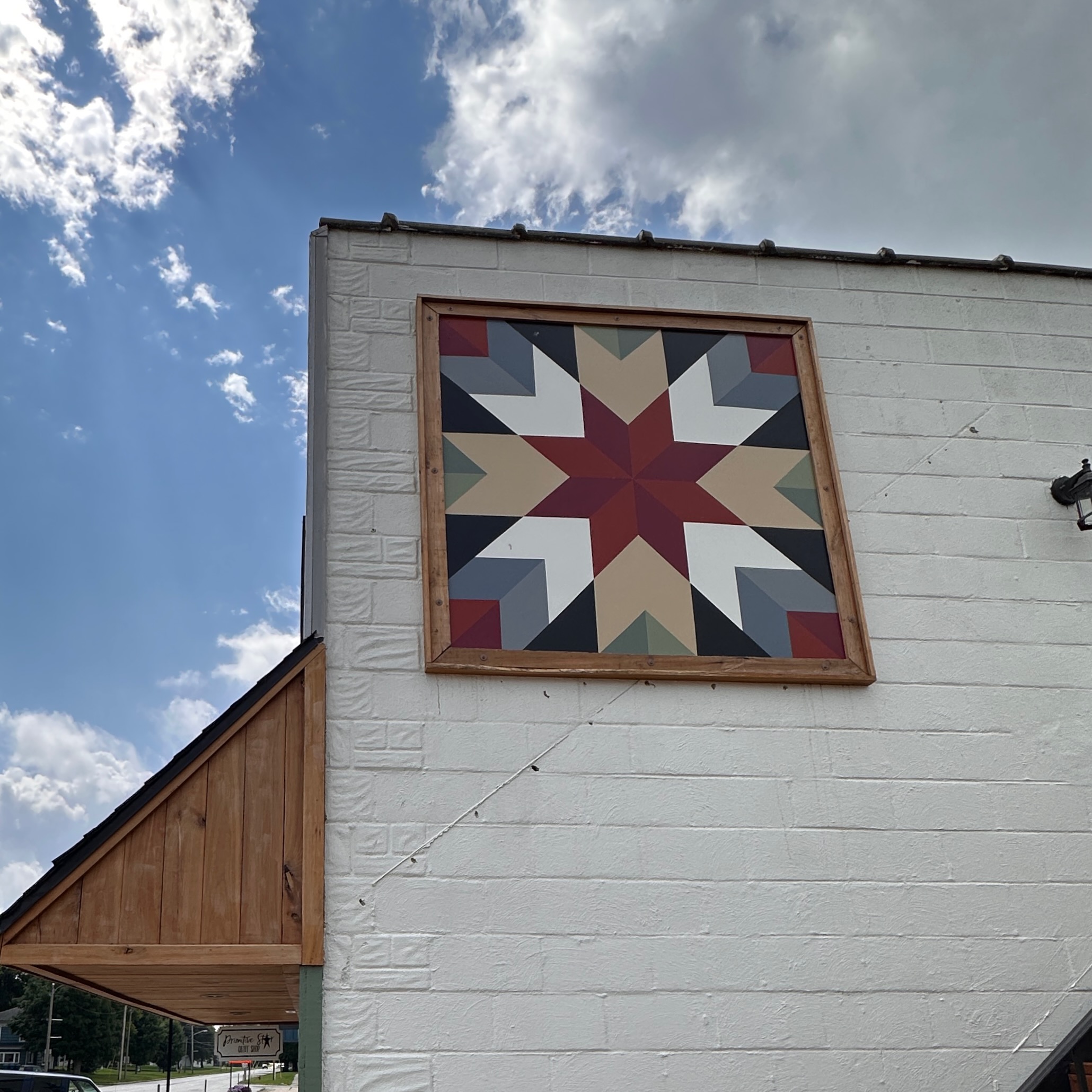
You spot a burst of color on a red barn while driving down a country road. Bold geometric shapes catch your eye and spark curiosity. That is a barn quilt, and it represents more than decoration. It is folk art, heritage, and personal expression combined into one striking panel. If you are ready to create your own, learning how to choose a barn quilt pattern is the most important first step. With countless designs, colors, and meanings available, the decision can feel overwhelming without a clear plan.
This guide walks you through a practical approach to selecting a barn quilt pattern that fits your space, skill level, and personal story. You will discover how to match size to viewing distance, honor family heritage, test visibility, and avoid common DIY mistakes. Whether you hang it on a barn, porch, or garden fence, your finished piece will stand out for all the right reasons.
Match Your Pattern to the Display Location
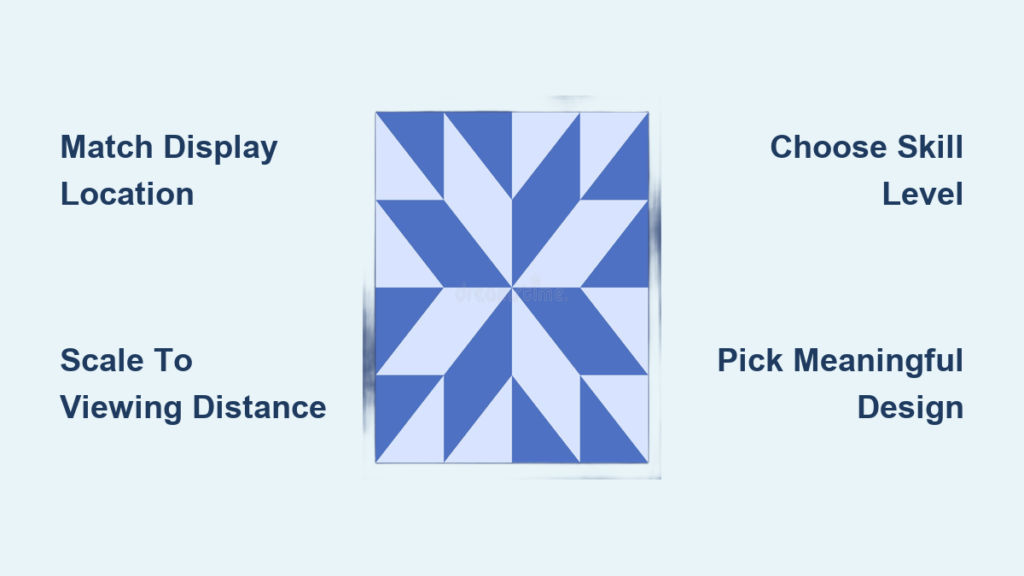
Where you install your barn quilt shapes every other decision. Size, complexity, and color contrast all depend on the viewing environment. The same design can look stunning up close yet vanish entirely from a distance.
High-Visibility Exterior Spots
Mounting your barn quilt on a barn, garage, or home exterior that faces the road means viewers will see it from 50 feet or more. At that distance, intricate lines blur and subtle colors fade into the background. Choose bold, high-contrast patterns with clean geometry. Popular options include Log Cabin, Four Patch, and Ohio Star. These designs feature strong shapes that hold up under sunlight and distance. Avoid fine-line patterns like Mariner’s Compass unless you scale up to 6 feet by 6 feet or larger.
Close-Range Interior and Porch Areas
Front porches, living room walls, and garden sheds place viewers within 5 to 15 feet of the quilt. This proximity opens the door to more detailed designs. You can confidently select complex patterns like Double Wedding Ring, Sunbonnet Sue, or Flying Geese. These styles shine when people can admire the craftsmanship up close. Porch-mounted quilts also welcome personal touches such as family initials or seasonal color shifts.
Functional and Creative Mounting Locations
Mailboxes, fence posts, and standalone garden displays call for adapted designs. Two-sided barn quilts work perfectly on mailboxes, ensuring visibility from both directions of approach. For these spots, stick with symmetrical patterns like Checkerboard or Bear Paw. Garden installations invite more whimsy, so consider Crazy Quilt styles with playful color mixes that echo blooming flowers.
Scale Size to Viewing Distance

The size of your barn quilt affects legibility more than wall space alone. A poorly scaled quilt either disappears or overwhelms its surroundings.
Standard Sizes from 2 to 4 Feet
Most homeowners find success with the following dimensions:
- 2 feet by 2 feet: Perfect for small sheds, porch posts, or indoor walls. Works best with simple or moderately complex patterns.
- 3 feet by 3 feet: A versatile sweet spot for most homes. Offers room for detail without dominating the space.
- 4 feet by 4 feet: Ideal for large garage doors, gable ends, or prominent fence panels. Allows moderate complexity and good visibility from the driveway.
Large-Scale Quilts from 6 to 8 Feet
For full barn sides or structures seen from a highway, go big. A 6 feet by 6 feet or 8 feet by 8 feet quilt ensures the design reads clearly from 100 feet or more. At this scale, moderately complex patterns like Churn Dash or Robbing Peter to Pay Paul work well. Remember that larger size means more paint, weight, and mounting challenges. Use sturdy MDO plywood and reinforced hardware.
Miniature Quilts at 1 Foot Square
Mailbox toppers and garden stakes typically use 1 foot by 1 foot squares. These demand ultra-simple designs such as Nine Patch, Crossroads, or Storm at Sea. Avoid patterns with curves or tight angles at this scale, since they become unreadable.
Pick a Pattern That Matches Your Skill Level
Your experience should guide your pattern choice, especially if you plan to paint the quilt yourself.
Beginner-Friendly Grid Patterns
If you are new to barn quilts, start with grid-based designs. These use straight lines and repeatable blocks, making them easy to scale and paint.
- Missouri Star: Bold, symmetrical, and forgiving of minor brush errors.
- Log Cabin: Classic and simple, with clear color divisions in red and black or red and white.
- Four Patch: One of the easiest patterns, featuring just four alternating squares.
Use painter’s tape to create crisp lines. These patterns are ideal for first-time DIYers.
Intermediate Challenges
Once you master straight lines, try patterns with triangles or slight angles.
- Flying Geese: Dynamic and traditional, but requires precise 45-degree cuts and alignment.
- Churn Dash: Features small center squares with rectangular arms. Clean but detail-oriented.
These work well on 3 feet by 3 feet or 4 feet by 4 feet panels where minor imperfections blend in.
Advanced Point-Based and Curved Designs
Avoid these as a beginner unless buying pre-cut kits.
- Mariner’s Compass: Dozens of tiny triangles radiating from a center point. Demands precision.
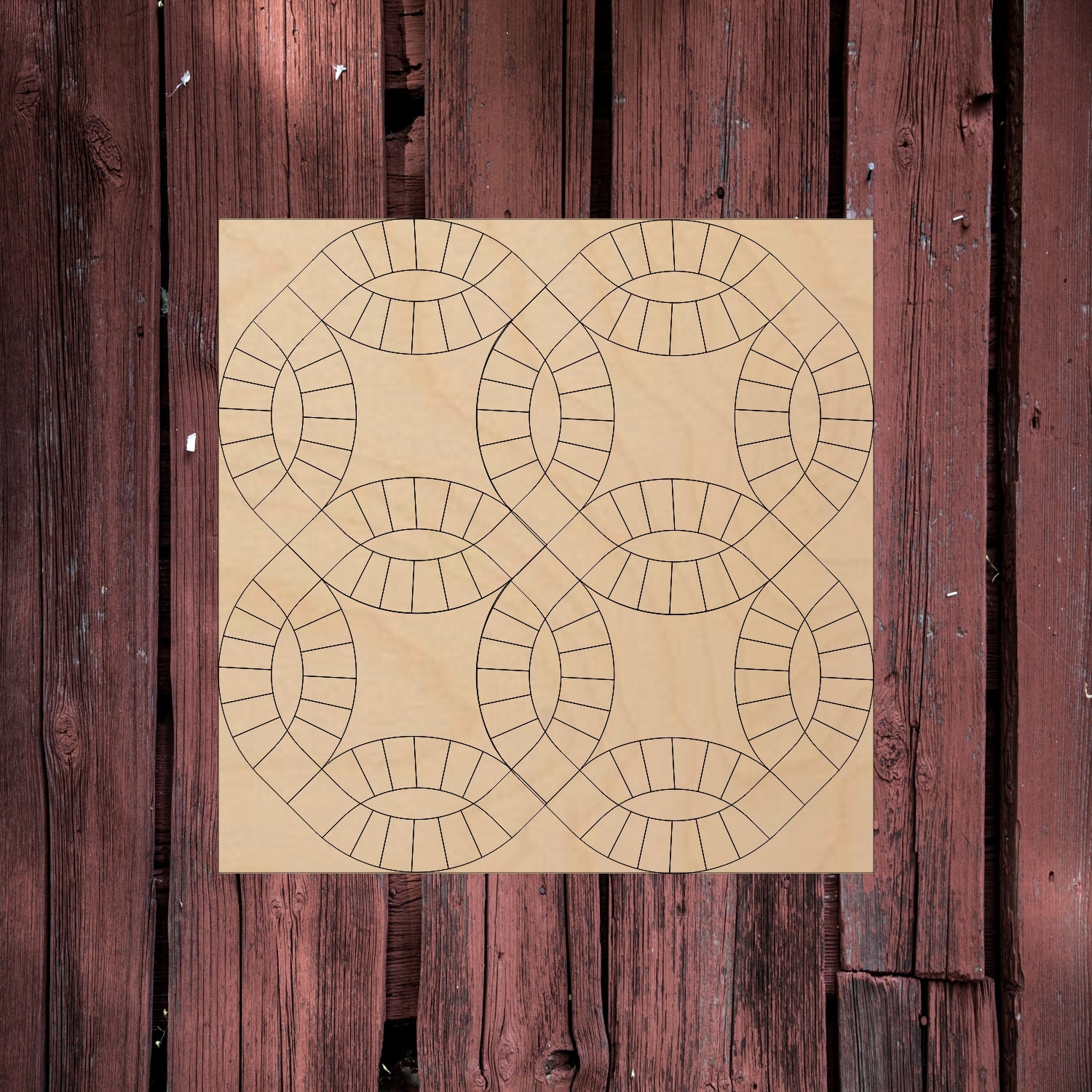
- Double Wedding Ring: Curved segments and interlocking shapes that are nearly impossible to paint freehand.
- Sunbonnet Sue: Facial details and curves require steady hands.
If you love these designs, consider purchasing a pre-cut kit or hiring a professional artisan.
Choose Based on Meaning and Heritage
A barn quilt is storytelling made visible. Many people select patterns that honor family, region, or personal milestones.
Symbolic Traditional Patterns
- Log Cabin: Represents home, hearth, and resilience. Often used to honor ancestors.
- Double Wedding Ring: Celebrates marriage, unity, and love. Popular for anniversary markers.
- Sunbonnet Sue: Evokes nostalgia, childhood, and rural womanhood. Frequently chosen to honor grandmothers.
- Bear Paw: Symbolizes guidance and safe journey. Ideal for homes near hiking trails.
- Crazy Quilt: Celebrates individuality and creativity. Great for artists or eclectic tastes.
Personal and Family Connections
Did your grandmother quilt? Replicate her favorite block. Was your family from Ohio or Appalachia? Choose a regional pattern common in that area. Some families assign colors to each member, turning the quilt into a living family tree.
Modern and Custom Designs
You are not limited to tradition. Many artisans create custom blocks with names, dates, or symbols like horses, barns, or compasses. These work beautifully for farms, homesteads, or community landmarks.
Use Color Strategically for Maximum Impact
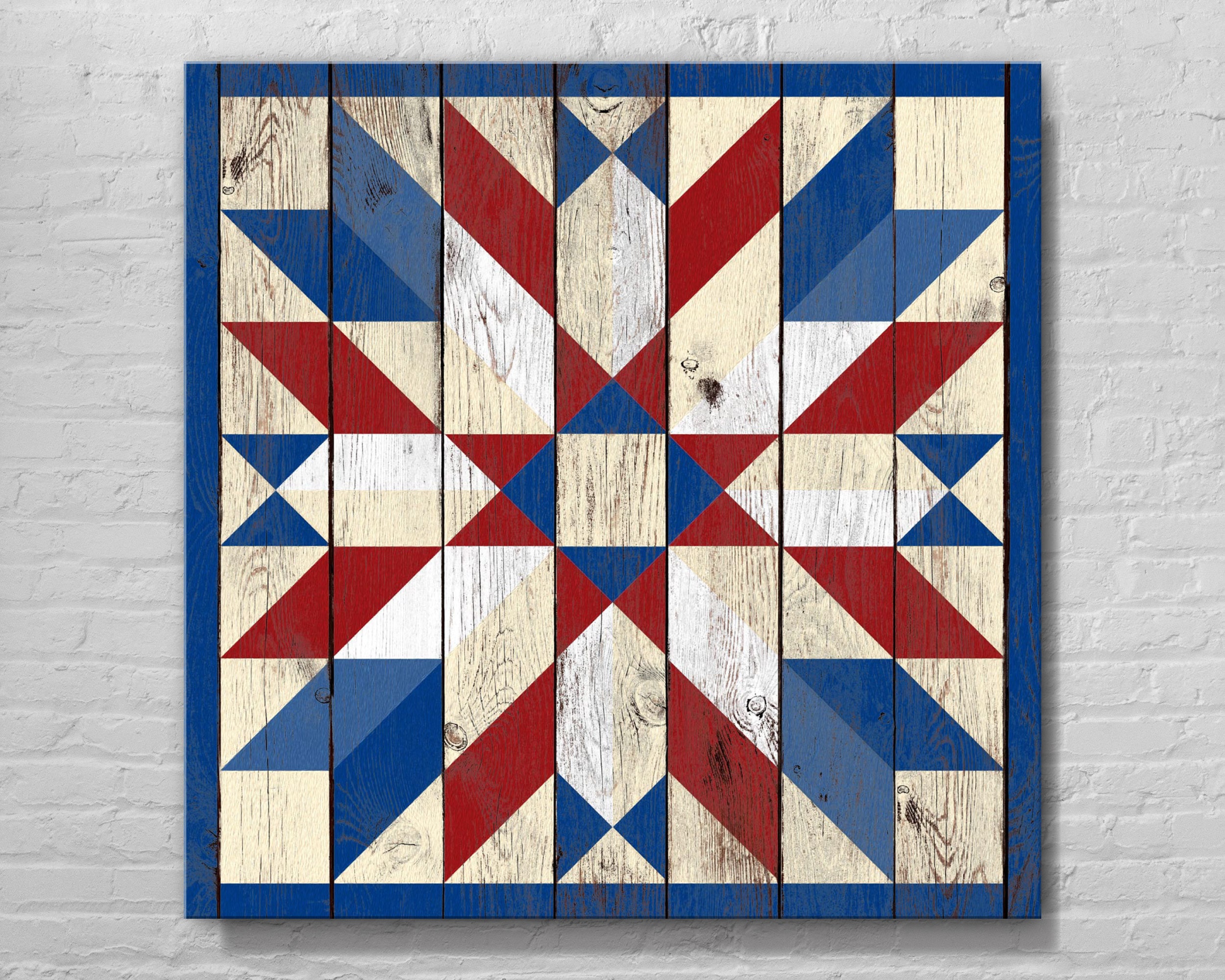
Color affects visibility, mood, and harmony with your surroundings. Think function before favorites.
Maximize Contrast for Distance
On large, distant displays, use high-contrast combinations:
- Red and black
- Navy and yellow
- White and royal blue
- Forest green and cream
These combinations pop in sunlight and remain readable from the road.
Embrace Subtlety Up Close
For porch or indoor quilts, try softer palettes:
- Sage, cream, and lavender
- Grays with a single bold accent
- Monochromatic blues with texture
These create a calming, artistic vibe when viewed up close.
Match Your Environment
Pull one or two colors from your house trim or door for cohesion. If your fence has dark walnut stain, use light quilt colors to stand out. Echo the colors of your roses, lavender, or hydrangeas for garden harmony. A red barn pairs well with white, black, or cream quilts rather than more red.
Test Colors in Real Light
Paint swatches on a scrap of MDO plywood and mount it near the installation site. Check it at morning, noon, and dusk. Sunlight changes how colors appear, so what looks bold at noon might fade by sunset.
Decide Between DIY and Professional Purchase
Your execution method affects pattern choice, cost, and durability.
DIY for Hands-On Satisfaction
- Best for: Simple patterns, personal projects, budget-conscious builders
- Materials: MDO plywood, exterior-grade paint, painter’s tape, brushes
- Time: 10 to 20 hours depending on size and complexity
- Cost: $50 to $150 for a 4 feet by 4 feet quilt
Stick to grid patterns if you are new. Rushing a complex design leads to frustration and crooked lines.
Buy from an Artisan for Quality and Customization
- Best for: Complex designs, large installations, or limited time and tools
- Custom work: Many artists let you choose pattern, size, colors, and add text
- Durability: Professionals use industrial sealants and precision cutting
- Cost ranges:
- 1 foot by 1 foot mailbox quilt: $75 to $150
- 4 feet by 4 feet standard: $200 to $400
- 8 feet by 8 feet custom: $600 to $1,200 or more
You receive a polished, weather-resistant piece built to last 5 to 10 years.
Pre-Cut Kits as a Middle Ground
Kits include laser-cut wood pieces, stencils, and paint guides. Great for intermediate crafters tackling complex patterns like Mariner’s Compass. Prices range from $40 to $80, excluding paint.
Test Your Design Before Committing
Avoid regrets with these simple pre-build checks.
Simulate Viewing Distance
Print a small version of your chosen pattern. Tape it to the wall and step back to your intended viewing point. Can you still recognize the design? If it blurs, simplify or increase contrast.
Scale on Graph Paper
Draw your pattern on graph paper using a consistent scale. Use 1 square equals 1 inch for small quilts, or 1 square equals 6 inches for large ones. This ensures proportions stay accurate when enlarged.
Check Mounting Surface
Wood siding accepts lag screws with washers. Brick or stone requires masonry anchors and bolts. Metal barns need heavy-duty outdoor screws or magnetic mounts for temporary displays. Ensure your wall can support 20 to 50 pounds depending on size.
Maintain Long-Term Beauty and Durability
A barn quilt is an investment worth protecting with smart care.
Clean Gently Each Year
Wash annually with mild soap and water. Avoid pressure washers, since high spray can chip paint.
Inspect Hardware After Storms
Check screws and brackets for rust or loosening. Tighten as needed to prevent accidents.
Refresh Every 3 to 5 Years
Apply a clear exterior sealant or touch up faded areas. UV-resistant paints last longer, but all colors fade over time.
Consider Professional Warranty Options
Many artisans offer 1 to 5 year warranties on paint adhesion and craftsmanship. DIY projects rely on product warranties, so choose paint brands with strong UV protection claims.
Find Inspiration and Connect with the Community
Do not go it alone. Learn from others who have already created beautiful barn quilts.
Visit Barn Quilt Trails
Many rural areas offer self-guided driving tours featuring dozens of quilts. Seeing them in real life helps you judge scale, color, and placement. Note which ones catch your eye and ask yourself why.
Join Online Communities
Facebook groups, Pinterest boards, and barn quilt forums offer photos, tips, and troubleshooting advice. Search for barn quilt patterns or DIY barn quilt content to find active groups.
Use Pattern Libraries
Quilt books and websites like the Quilt Index or Museum of the American Quilter’s Society offer thousands of traditional blocks. Filter by simple, symmetrical, or bold to narrow your choices quickly.
Frequently Asked Questions About Choosing a Barn Quilt Pattern
What is the easiest barn quilt pattern for beginners?
The easiest barn quilt pattern for beginners is the Four Patch, which uses just four alternating squares. Missouri Star and Log Cabin are also beginner-friendly because they rely on straight lines and grid-based geometry that forgives minor painting errors.
How do I know what size barn quilt to buy?
Measure your intended viewing distance and match it to the quilt size. For viewing from 50 feet or more, choose 4 feet by 4 feet or larger. For porches and indoor spaces within 15 feet, 2 feet by 2 feet or 3 feet by 3 feet works well.
What colors show up best from a distance?
High-contrast color combinations show up best from a distance. Red and black, navy and yellow, and white and royal blue all pop in sunlight and remain readable from the road or driveway.
Can I paint a complex pattern if I am a beginner?
You can paint a complex pattern as a beginner by using a pre-cut kit with stencils and guides. Freehand painting of complex patterns like Mariner’s Compass or Double Wedding Ring is not recommended for first-timers due to precision requirements.
How long does a barn quilt last outdoors?
A barn quilt lasts 5 to 10 years outdoors when made with MDO plywood and exterior-grade paint. Professional pieces with industrial sealants can last even longer with proper maintenance.
What is the average cost of a custom barn quilt?
The average cost of a custom barn quilt ranges from $75 for a small 1 foot by 1 foot mailbox quilt to over $1,000 for a large 8 feet by 8 feet commissioned piece. Most standard 4 feet by 4 foot custom quilts fall between $200 and $400.
Key Takeaways for Choosing Your Perfect Barn Quilt Pattern
Choosing the right barn quilt pattern comes down to matching your design to your location, skill level, and personal story. Start by assessing where the quilt will hang and how far away viewers will stand. Match the size and complexity to that viewing distance, and choose colors that contrast well with your surroundings. If you are new to DIY, stick with grid-based patterns like Log Cabin or Four Patch before attempting curved or point-based designs.
Above all, let your pattern reflect something meaningful. Whether you honor a grandmother, celebrate a marriage, or simply love the colors, your barn quilt becomes a daily reminder of what matters most. Start with a clear plan, test your design before painting, and invest in quality materials. Your finished piece will reward you with years of beauty and a story worth sharing.