Quilt pattern names carry far more meaning than simple labels. Each name reflects the lives, beliefs, and creative spirit of the women who stitched them, from spiritual devotion to political protest. With over 5,500 documented designs and countless regional variations, these names open a window into centuries of American domestic life.
This guide explores the origins, meanings, and cultural significance behind quilt pattern names. You’ll learn why one design can have twenty different names, discover patterns inspired by faith and politics, and find resources to help identify antique quilts. Whether you’re a collector, historian, or new quilter, understanding these names deepens your appreciation for a living folk art tradition.
Where Quilt Pattern Names First Appeared in Print
The Honeycomb Design That Started It All
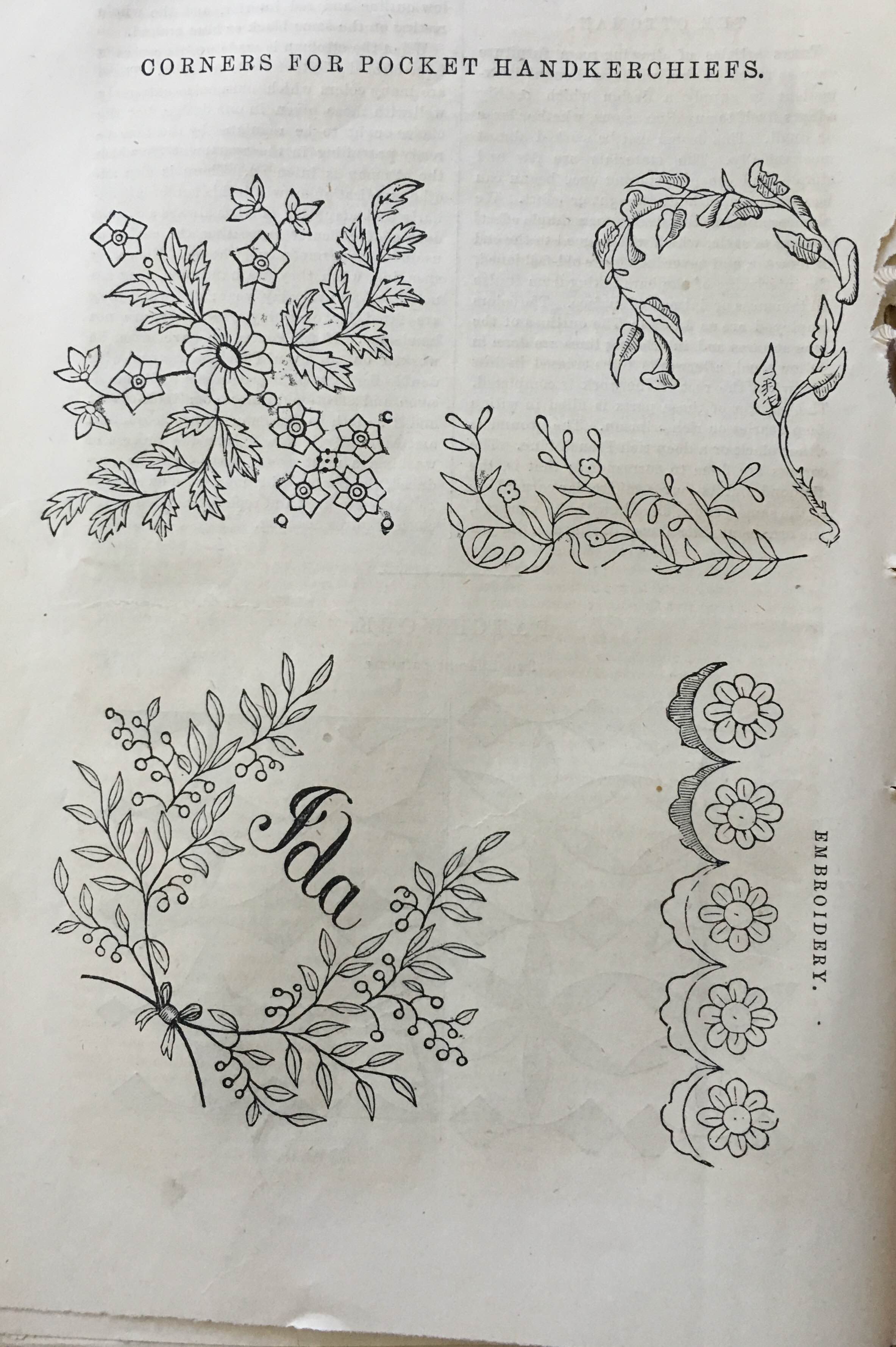
The Honeycomb pattern, also called Hexagon, holds the distinction of being the first quilt pattern to receive a published name in America. It appeared in Godey’s Lady’s Book in 1835, featuring intricate hand-sewn hexagons often cut from chintz fabrics popular at the time. Before this publication, quilts were made from memory or shared orally, rarely named or documented visually.
Early records offer frustratingly little detail. Diaries from the 1800s mention “working on my star quilt” or “finishing the patchwork,” but without illustrations or measurements, matching those entries to specific designs remains speculative. It wasn’t until the late 19th century that illustrated patterns became common, allowing names and visuals to travel together.
How Magazines Transformed Naming Conventions
By the 1880s, women’s magazines began publishing regular quilt features with illustrations, transforming quilt making into a shared national pastime. Publications like Ladies Home Journal encouraged readers to submit family patterns, sparking an explosion of named designs. By 1896, even simple blocks like the Nine Patch were still referred to as a “Plain Block,” showing that formal naming was still evolving.
The 1920s and 1930s marked a major revival. Professional designers contributed to newspaper columns, and cottage industries sold patterns by mail. This era cemented thousands of names still used today, from Double Wedding Ring to Sunbonnet Sue, many born not from tradition but from marketing and modern aesthetics.
Why One Quilt Pattern Has Twenty Names

Regional Variation and Oral Tradition
A single quilt block can carry dozens of names depending on region, era, or personal association. Historian Barbara Brackman documented 20 different names for Hole in the Barn Door, including Cottage Knot, Four Corners, and Square and Compasses. This fluidity reflects the folk-art nature of quilting, passed down orally, adapted locally, and rarely standardized.
A quilter in Ohio might call a design Bear’s Paw, while one in Georgia knows it as Bear’s Track. Another may rename a pattern after a relative, like Aunt Dinah’s Star, adding a personal layer that defies categorization. As Florence Peto noted in 1949, “It is not wise to be didactic about the nomenclature of quilt patterns.” There is no single correct name, only context.
Cultural Meaning Behind Multiple Names
Before printed patterns, replication relied on sight or memory. When a quilt traveled through marriage, migration, or church gatherings, the design might shift slightly in proportion or layout, leading to new names. A Log Cabin variation with darker strips on one side became Straight Furrows in farming communities or Dark Side of the Moon in others, reflecting local imagery and worldview.
Some names reveal deeper cultural meanings. Railroad Crossing may reference the Underground Railroad, while Fifty-Four Forty or Fight ties to a 19th-century territorial dispute with Britain. These political names show how quilters, though excluded from voting, engaged deeply with national issues through their craft.
Biblical and Spiritual Quilt Pattern Names
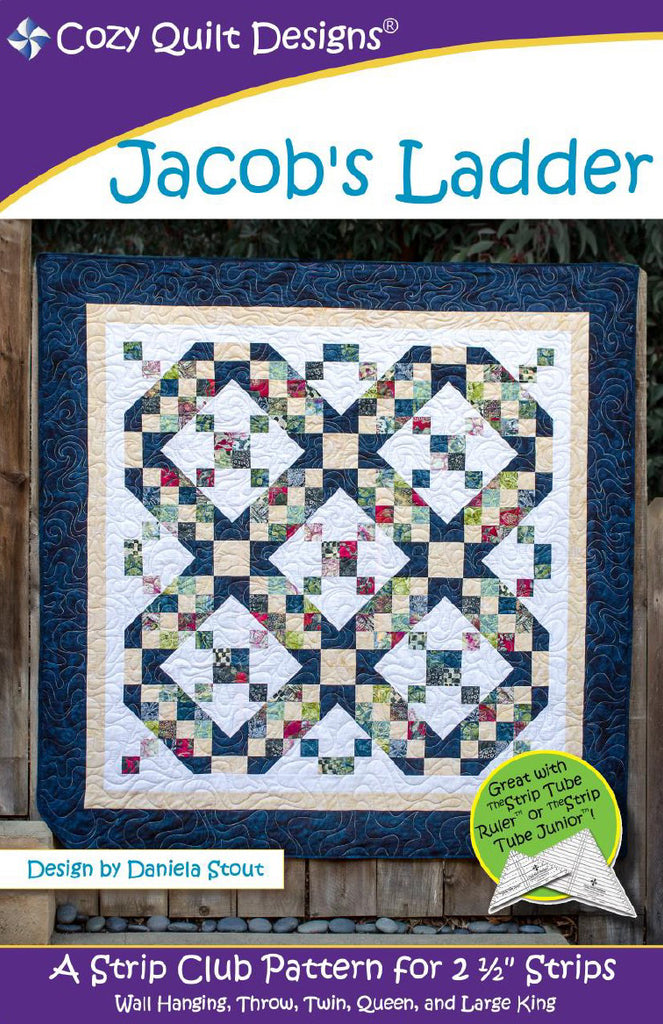
Faith-Based Designs and Their Meanings
Religion played a central role in early American life, and quilt names often reflected spiritual beliefs. Sundays spent in long church services inspired symbolic designs meant to convey devotion and moral lessons.
Notable faith-inspired quilt pattern names include:
- Jacob’s Ladder: Represents the biblical story of ascension to heaven, featuring interlocking diagonal strips
- Job’s Tears: Named after the biblical figure’s suffering, using teardrop-shaped patches
- Cathedral Window: Mimics stained glass, symbolizing divine light
- Cross and Crown: Reflects Christian victory over suffering
- Star of Bethlehem: A radiant star block guiding the way, often used in holiday quilts
These weren’t just decorative. Each stitch reinforced faith, turning quilting into meditation.
Religious Patterns That Endure Today
Other spiritually inspired names include Hosanna, a cry of praise often used in scrap quilts, and World Without End, taken from the Book of Common Prayer to suggest eternity. Palm Leaf evokes Christ’s entry into Jerusalem, while Bethlehem Star sometimes refers to an eight-pointed star variation.
Quilts bearing these names were frequently made for church auctions, gifts to ministers, or as personal devotional items. The craft blended seamlessly with creed, creating heirlooms that carried spiritual weight across generations.
Political and Patriotic Quilt Pattern Names

Presidential Campaigns in Fabric
Despite lacking political rights, 19th-century women expressed patriotism and opinion through quilt pattern names tied to elections and national identity.
Examples include:
- Abe Lincoln’s Log Cabin: Celebrated Lincoln’s humble origins during the 1860 campaign
- Tippecanoe and Tyler Too: A direct lift from William Henry Harrison’s 1840 slogan
- The Little Giant: Referenced Stephen A. Douglas, a key figure before the Civil War
- Harrison Rose: A floral pattern linked to Harrison’s campaign
These quilts turned domestic craft into quiet political statements, especially during times of national crisis.
Wars and National Identity
Other names mark historical events. Burgoyne Surrounded commemorates General Burgoyne’s defeat in the Revolutionary War. Union Star served as a bold declaration of loyalty during the Civil War. Victory Star likely appeared during or after wartime periods, while Uncle Sam embodied national personification.
Economic movements also inspired designs. Capital T and Goblet became symbols of the Temperance Movement. Free Trade Block advocated for open markets. The naming debate between Whig Rose and Democrat Rose continues among collectors today. Quilts like these functioned as banners of belief stitched into bedding.
Family, Humor, and Domestic Life
Household Objects as Pattern Names
Everyday items in the home became quilt pattern names, celebrating the ordinary. Broken Dishes uses angular shapes resembling shattered plates. Attic Windows simulates a row of dormer windows. Dresden Plate references porcelain from Dresden, Germany. Chimney Sweep features narrow black strips radiating outward. Rocking Chair creates a zigzag design mimicking chair rockers.
These names honored the tools and spaces of domestic labor, transforming chores into art.
Aunts, Grandmothers, and Life Milestones
Many patterns reflect relationships and family bonds. Grandmother’s Flower Garden is a hexagon-based floral design often made in bright colors. Personalized names like Aunt Sukey’s Choice, Aunt Dinah’s Star, and Aunt Em’s Pattern honor female relatives. Playful names include Mother-in-Law’s Choice, Old Maids Puzzle, and Bachelors Puzzle. Romantic themes appear in Lover’s Knot, Hugs and Kisses, and French Kiss.
Life milestones were marked too. Freedom Quilt was given to young men when they turned 21. Baby Bunting and Baby Blocks welcomed newborns. Grandmother’s Engagement Ring symbolized love and commitment. These names turn quilts into emotional heirlooms that tell family stories.
Nature-Inspired Quilt Pattern Names
Floral and Plant Designs
The natural world provided endless motifs for quilt pattern names. Common examples include Sunflower, Tulips, Black Eyed Susan, Morning Glory, Maple Leaf, Strawberry, Cloverleaf, and Pine Tree. Seasonal designs like Row of Trees, Winter Garden, and Autumn Leaves capture the rhythms of the year. Gingerbread resembles cutout cookies in its shape.
Some patterns, like Flower Basket or Rose Window, depict arranged blooms, while others abstract natural forms into pure geometry.
Birds, Animals, and Weather Motifs
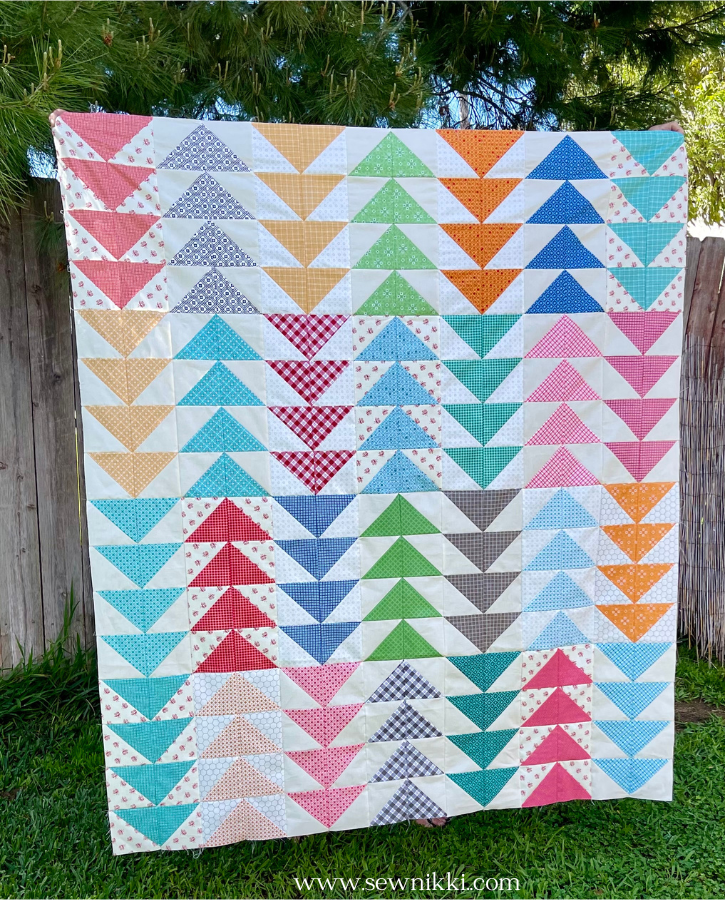
Creatures real and symbolic appear frequently in quilt pattern names. Bear’s Paw, also called Bear’s Foot, represents strength and wilderness. Flying Geese, also known as Wild Goose Chase, symbolizes migration or pursuit. Birds in the Air creates diagonal flight patterns across the quilt. Turkey Tracks uses three-lobed shapes resembling footprints. Other names include Honey Bee, Ladybug, Angelfish, Owl’s Eye, Running Dog, and Crows Feet.
Even Flying Bats appears, named for the way bats would swoop into homes at dusk, their shapes inspiring a dynamic, angular block. Celestial themes abound with Rising Sun, Setting Sun, Blazing Star, Sunburst, Sunset, Snowflake, Rainbow, and Arch of the Sun, evoking wonder and the passage of time.
Trades and Daily Work in Quilt Names
Tools of the Trade
Quilt pattern names often honored the labor of daily life. The Churn Dash references the butter churn and remains one of the most popular early blocks. The Water Mill symbolizes grinding grain, a community necessity. The Carpenter’s Wheel combines wheel and tool imagery. The Reel represents spinning thread, a domestic craft. The Anvil is a rare but striking name tied to blacksmithing.
These patterns transformed tools of survival into art, celebrating the dignity of work.
Schoolhouses and Everyday Structures
Other names reflect everyday structures and routines. Schoolhouse is a simple, boxy design. Postage Stamp uses tiny squares mimicking stamps, requiring precision. Chain Link, Brick and Mortar, Ladder, Windmill, and Wheel all appear in this category. These names grounded quilting in the tangible world, turning routine into rhythm.
Geometric Foundations Behind Quilt Names
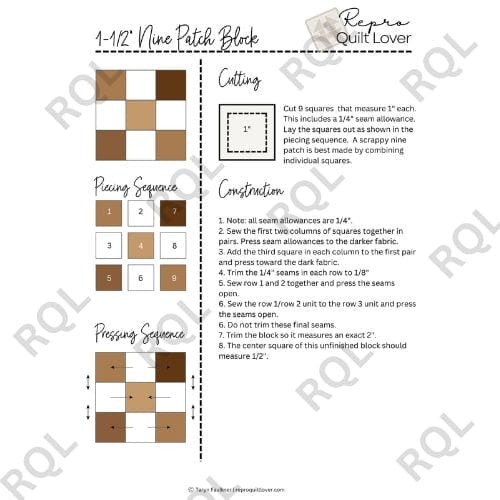
Grid Systems and Block Construction
Quilt patterns are built on grids, and the number of divisions determines the category. A Four Patch contains four units per block, like Checkerboard. A Five Patch contains five units, like Log Cabin. A Nine Patch contains nine squares and serves as a foundation for beginners. More complex arrangements include Twelve Patch, Thirteen Patch, and Sixteen Patch.
Each grid allows for infinite variation. A Nine Patch can become Shoo Fly, Job’s Tears, or Bear’s Paw with simple shape changes.
Core Shapes Every Quilter Uses
All patterns rely on basic geometric units. The Half Square Triangle is the most used shape in patchwork. Quarter Square Triangle often forms star points. Square in a Square creates depth and dimension. Other foundational shapes include Rectangle, Rhombus, Semicircle, and Triangle. Mastery of these forms is essential for accurate piecing.
Skill Levels and Construction Challenges
Beginner-Friendly Quilt Pattern Names
Some designs are ideal for newcomers learning the craft. Nine Patch is simple and repetitive, teaching alignment. Star and Cross offers an easy star variation. Plain Block provides a basic square layout. Setting Sun serves as a simpler cousin to Rising Sun. Churn Dash and Log Cabin both feature straightforward construction.
These patterns build confidence and precision for new quilters.
Advanced Techniques for Expert Quilters
Other patterns demand high skill. Rising Sun requires precise piecing of triangles on a curve. Double Wedding Ring is famous for its interlocking rings and curved seams, popular since the 1920s. Drunkard’s Path involves perfect quarter-circle curves. Jacobs Ladder features complex strip work with optical illusion effects.
These are often considered masterpiece quilts, taking months to complete.
Visual Design and Aesthetic Elements
Color Theory and Contrast
Quilt pattern names often hint at color use. Night and Day and Light and Dark rely on high contrast. Checkerboard alternates black and white. Chintz refers to printed fabrics with floral motifs, used in early hexagon quilts. Color choices can transform a pattern’s mood, with soft pastels for Grandmother’s Flower Garden or bold reds and blacks for Log Cabin.
Layouts and Character Motifs
How blocks are arranged affects the overall look. Straight Set aligns blocks in rows and columns. Medallion features a central motif surrounded by concentric borders. On-Point rotates blocks 45 degrees for a diamond effect. Alternate Blocks place different blocks between main units for visual interest.
A Friendship Garden quilt features a central open space where friends sign their names, popular in the 1930s as signature quilts. Sunbonnet Sue depicts a girl with a sunbonnet hiding her face, created by illustrator Ellen Cooley in 1900. Overall Bill serves as the male counterpart.
Essential Reference Books for Quilt Pattern Names
Foundational Encyclopedias
Scholars have compiled comprehensive indexes to track the vast number of patterns. Barbara Brackman’s Encyclopedia of Pieced Quilt Patterns (1993) is the gold standard, with over 4,000 pieced designs and now available digitally. Her Encyclopedia of Applique indexes approximately 1,795 to 1,975 applique patterns. Maggie Malone’s 5,500 Quilt Block Designs features color diagrams that make identification easier. Judy Rehmel’s The Quilt I.D. Book provides over 4,000 patterns with clear illustrations.
Digital and Museum Resources
Online tools now make research accessible. Jinny Beyer Studio’s Quilter’s Block Library offers hundreds of drafted blocks, searchable by name or number. The International Quilt Museum in Lincoln, Nebraska houses historic pieces like the Whig Rose quilt, providing verified examples of early designs. Digitized periodicals from Godey’s and Ladies Home Journal are revealing earlier pattern references.
Challenges in Identifying Quilt Pattern Names
Why Authentication Is Difficult
Collectors face a core problem: one pattern, many names. Without a visual reference, a name like Hole in the Barn Door could refer to multiple layouts. Conversely, Bear’s Paw might be called Bear’s Track or Bear’s Foot in different regions. This makes authentication tricky, as a quilt labeled “Old Maids Puzzle” might actually be Bachelors Puzzle or a regional variation of Nine Patch.
The Sentimental Value of Names
Despite the confusion, quilt pattern names carry deep emotional weight. Names like Aunt Patty’s Favorite or Grandmother’s Engagement Ring honor personal history. Freedom Quilt marks a rite of passage. Friendship Garden celebrates community. For many collectors, the name is as important as the stitching itself.
Frequently Asked Questions About Quilt Pattern Names
What was the first quilt pattern to be named in print?
The Honeycomb pattern, also called Hexagon, was the first quilt pattern to receive a published name in America. It appeared in Godey’s Lady’s Book in 1835, featuring intricate hand-sewn hexagons often cut from chintz fabrics. This publication marked a turning point in how quilt designs were documented and shared.
Why do some quilt patterns have so many different names?
A single quilt block can carry dozens of names depending on region, era, and personal association. Before printed patterns became common, designs were passed down orally and adapted locally, leading to variations in proportion and layout. Barbara Brackman documented 20 different names for Hole in the Barn Door alone, including Cottage Knot, Four Corners, and Square and Compasses.
Are there political meanings behind quilt pattern names?
Yes, many quilt pattern names reflect political events and campaigns from the 19th century. Examples include Abe Lincoln’s Log Cabin, Tippecanoe and Tyler Too, and The Little Giant. Names like Capital T and Goblet referenced the Temperance Movement, while Fifty-Four Forty or Fight tied to a territorial dispute with Britain. These names show how women expressed political opinions through domestic craft despite lacking voting rights.
How can I identify an unknown quilt pattern?
Start by consulting reference books like Barbara Brackman’s Encyclopedia of Pieced Quilt Patterns or Maggie Malone’s 5,500 Quilt Block Designs. Digital resources like Jinny Beyer Studio’s Quilter’s Block Library allow searching by name or visual characteristics. The International Quilt Museum in Lincoln, Nebraska also provides verified examples of historic patterns for comparison.
What are the easiest quilt patterns for beginners?
Beginner-friendly quilt pattern names include Nine Patch, Plain Block, Star and Cross, Setting Sun, Churn Dash, and Log Cabin. These designs feature simple, repetitive construction that teaches alignment and