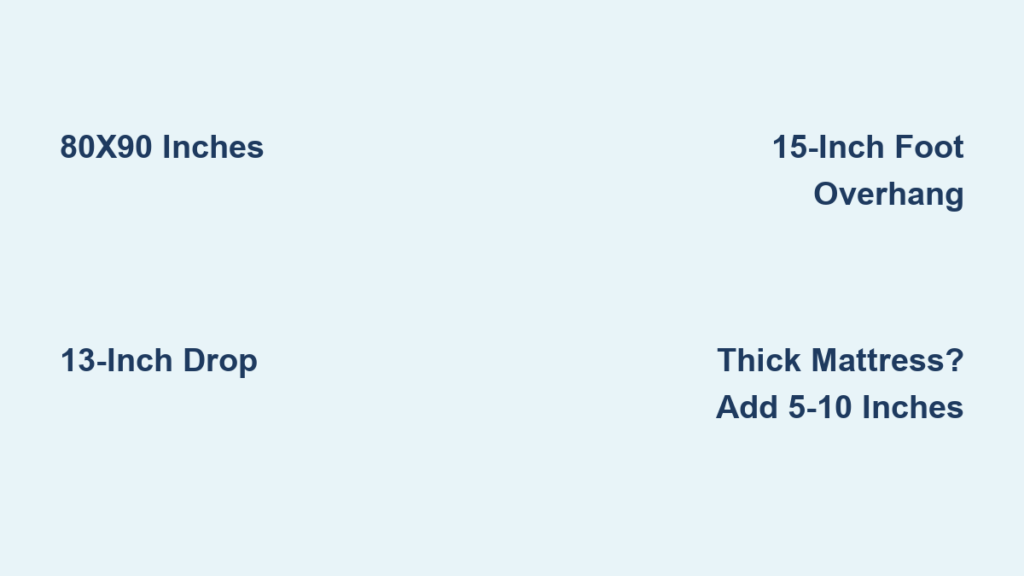
If you’re wondering how big is a full size blanket, you’re not alone. With so many sizes, labels, and variations across brands, choosing the right blanket can feel overwhelming, especially when you want it to fit your bed perfectly. A full size blanket is designed to cover a full (also called double) mattress comfortably, with enough extra fabric on the sides and foot for tucking and draping. The standard size most experts and manufacturers agree on is 80 inches wide by 90 inches long (80″ x 90″).
This size ensures about 13 to 15 inches of overhang on each side of a 54-inch-wide full mattress and 15 inches of drop at the foot, making it easy to tuck in and stay secure during sleep. Some brands offer slightly wider versions like 85″ x 90″, while others label 60″ x 80″ as “full,” but that size barely covers the mattress and offers minimal drape. Understanding these differences is key to getting the look, comfort, and functionality you want.
Standard Full Size Blanket Dimensions
The most widely accepted dimension for a full size blanket is 80″ x 90″. This measurement provides optimal coverage for a 54″ x 75″ full mattress, allowing for approximately 13 inches of side drop on each side and 15 inches of overhang at the foot. This balanced fit ensures the blanket stays in place, drapes neatly, and accommodates movement during sleep. It’s the go-to size for most bedding brands and is often labeled simply as “full” or “double.”
80 x 90 Inches: The True Standard
The 80″ x 90″ measurement is widely recognized as the standard full size blanket. This dimension provides optimal coverage for a full mattress, allowing for 13 inches of side drop on each side and 15 inches of overhang at the foot, ideal for tucking. This balanced fit ensures the blanket stays in place, drapes neatly, and accommodates movement during sleep. It’s the go-to size for most bedding brands and is often labeled simply as “full” or “double.”
Slightly Larger: 85 x 90 Inches
Some premium or high-drape blankets come in 85″ x 90″, offering an extra 2.5 inches of width on each side. This size is especially useful for thicker mattresses ranging from 14 to 18 inches, sleepers who prefer a deeper and more luxurious drape, and couples sharing a full bed who want more coverage. While not the universal standard, 85″ x 90″ still falls within the accepted full size range and enhances comfort without being oversized.
Why Overhang Matters
Adequate overhang is not just about looks; it is functional. Blankets need extra width and length to stay tucked under the mattress, resist shifting during the night, and cover sleepers fully even when moving. Less than 10 inches of side drop may result in the blanket slipping off, while 12 to 18 inches is ideal for both security and aesthetics.
Common Size Confusion Explained
There is notable variation and overlap in labeling, particularly between full, queen, and full/queen blanket categories. Understanding these distinctions helps you avoid purchasing the wrong size.
Is 60 x 80 a Full Size Blanket?
Yes, but with caveats. Some brands market 60″ x 80″ blankets as “full size,” especially for lightweight throws or compact designs. However, this size only provides approximately 3 inches of overhang per side on a 54″ mattress, which is insufficient for tucking or full coverage. Use cases for 60″ x 80″ include being a lightweight summer blanket, a top layer or decorative throw, or a minimalist or tight-fit preference. For full bed coverage, 80″ x 90″ is strongly recommended over 60″ x 80″.
Full vs. Full/Queen: What’s the Difference?
The term “full/queen” often appears on blankets sized 90″ x 90″ or 90″ x 100″. These are not true full size blankets but versatile multi-fit options that work on both full and queen beds. A 90″ x 90″ blanket on a full bed provides 18 inches of side drop, creating a luxurious drape. The same blanket on a queen bed offers 15 inches of side drop, which is balanced and functional.
Blanket Size vs. Mattress Size
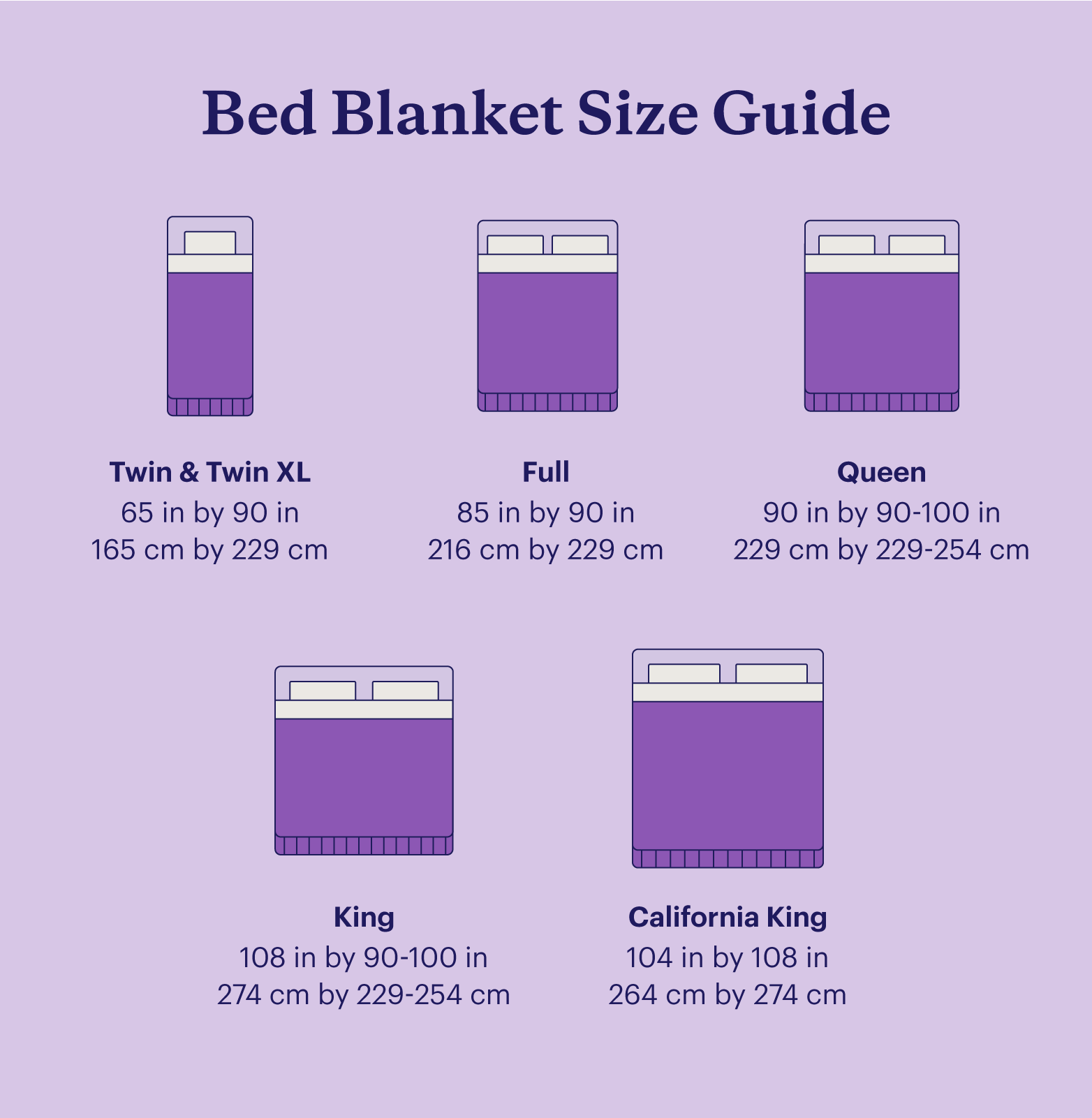
Blankets are intentionally larger than mattresses to allow for drape over the sides, tucking at the foot, and coverage during tossing and turning. Unlike fitted sheets, which hug the mattress, blankets are designed with extra fabric for comfort and functionality.
Recommended Blanket Sizes by Bed Type
Here is how blanket sizes typically compare to mattress dimensions. For a twin bed with a 39″ x 75″ mattress, a 65″ to 68″ x 90″ blanket provides approximately 13 inches of side drop. For a full bed with a 54″ x 75″ mattress, an 80″ to 85″ x 90″ blanket provides 13 to 15.5 inches of side drop. For a queen bed with a 60″ x 80″ mattress, a 90″ x 90″ to 100″ blanket provides 15 inches of side drop. For a king bed with a 76″ x 80″ mattress, a 108″ x 90″ to 100″ blanket provides approximately 16 inches of side drop.
For mattresses 14 inches or thicker, add 5 to 10 inches to the blanket width to ensure full drop.
Best Use Cases for Full Size Blankets

For Full Bed Coverage
The 80″ x 90″ full blanket is ideal for single sleepers on a full bed, dorm rooms and guest bedrooms, and layered bedding setups under duvets or comforters. It provides full coverage without excess fabric that can bunch or drag on the floor.
For Couch or Lounge Use
An 80″ x 90″ blanket doubles as a large lounge throw, comfortably covering two people on a standard sofa, a full-body wrap while sitting, and a decorative drape over a sectional. Compare this to standard throws: a 50″ x 60″ throw covers one person on a chair or as a foot-of-bed accent, a 60″ x 72″ oversized throw is good for shared use, and an 80″ x 90″ blanket provides full couch coverage with luxurious drape.
For Dorm Rooms and Kids
While a full blanket fits a dorm bed (often full or twin XL), some students prefer smaller, portable options. A Lola Large at 60″ x 72″ offers roomy personal coverage, while a twin blanket at 65″ x 90″ provides a snug fit that is easier to wash. However, if full coverage is desired, 80″ x 90″ remains the best choice.
Choosing the Right Size: Key Factors
Mattress Thickness
Standard blanket sizes assume a 10 to 14 inch mattress. For 18+ inch mattresses, even an 80″ wide blanket may not reach the floor. The solution is to upgrade to a queen-sized blanket (90″ wide) or measure total bed height (mattress plus foundation) and choose accordingly.
Desired Drape
Your preferred aesthetic plays a big role in choosing the right size. For a minimalist look, 80″ x 90″ with 13″ drop works well. For a luxurious drape, 90″ x 90″ provides floor-grazing sides. For a snug fit, 60″ x 80″ is an option but is not recommended for full coverage.
Number of Sleepers
For a single sleeper, 80″ x 90″ is perfect. For couples or restless sleepers, consider a queen (90″ x 90″) for extra space and reduced competition for warmth.
Layering Needs
When using a full blanket under a duvet or comforter, ensure the blanket matches or is slightly smaller than the outer layer to avoid bunching. Natural fiber blankets may shrink, so opt for pre-shrunk versions.
Material and Weight
Heavy materials like wool, minky, and weighted blankets need proper sizing to avoid feeling restrictive. Weighted blanket sizes vary significantly: some brands offer full in 60″ x 80″, while others offer 80″ x 90″. Always check product specs before buying.
Brand-Specific Sizing Examples
Different brands categorize sizes by function and target audience, even within a single product line. For example, Lola uses functional sizing based on use case. The Lola XL at 80″ x 90″ is designed for full beds and fits snugly on queen beds. The Lola Large at 60″ x 72″ is an oversized throw, not for full bed coverage. The Lola Medium at 50″ x 60″ is a standard throw for chairs.
This demonstrates how brands may label sizes by intended use rather than just dimensions.
Specialty and Decorative Blanket Sizes
Beyond standard bed-fitting blankets, several specialized sizes exist for therapeutic, decorative, or developmental purposes.
Throw Blankets
A throw blanket at 50″ x 60″ is designed for couches, chairs, or foot-of-bed decor. It covers one person while sitting and is not suitable for full bed use.
Afghan Blankets
An afghan at 50″ x 65″ is often handmade (crocheted or knitted), lightweight, breathable, and decorative. It is great as a seasonal layer or gift.
Baby and Infant Blankets
The American Academy of Pediatrics advises no loose blankets in cribs for infants under 12 months due to suffocation risk. Use sleep sacks instead. Crib blankets at 45″ x 60″ fit toddler beds and are safe after 12 months. Receiving blankets at 40″ x 40″ work for swaddling, burping, and changing. Stroller blankets at 22″ to 30″ x 30″ to 36″ provide lightweight infant coverage.
Can You Use a Queen Blanket on a Full Bed?
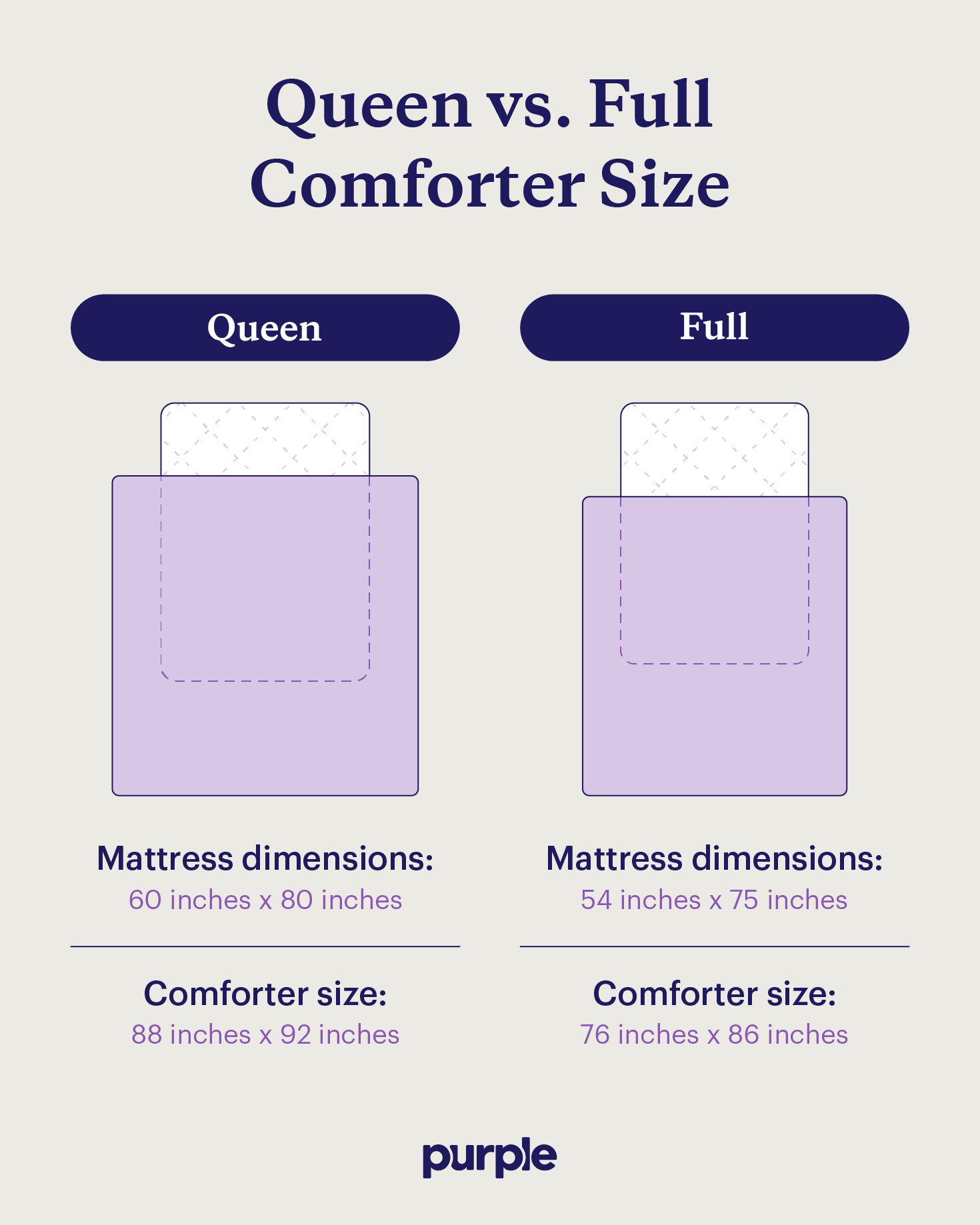
Yes, and it is often better. A queen blanket (90″ x 90″ to 100″) fits a full bed with 18 inches of overhang per side, creating a plush, hotel-style drape. Benefits include extra warmth and coverage, ideal for shared beds with pets or partners, and future-proofing if upgrading to queen later. Just ensure the length does not drag on the floor, which can collect dust or get stepped on.
Can You Use a Full Blanket on a Queen Bed?
This is not recommended for primary use. A full blanket (80″ x 90″) is 6 inches narrower than a queen mattress (60″ wide), leaving 3 inches uncovered on each side. This can lead to cold spots, frequent readjustment, and poor aesthetic. Acceptable uses include being a summer top layer, a decorative accent, or a temporary solution.
Why Blanket Sizes Vary Between Brands
There is no universal standard for blanket dimensions. Variations occur due to material behavior (cotton shrinks, fleece stretches), weave or knit type affecting drape and stretch, regional preferences (U.S. versus European sizing), and marketing strategies (such as labeling 60″ x 80″ as “full”). Always check the exact dimensions in product details rather than relying solely on size labels.
Metric Size Reference
For international buyers or product comparisons, here are the standard conversions. A full blanket at 80″ to 85″ x 90″ equals 203 to 216 cm x 229 cm. A twin at 65″ x 90″ equals 165 cm x 229 cm. A queen at 90″ x 90″ to 100″ equals 229 cm x 229 to 254 cm. A throw at 50″ x 60″ equals 127 cm x 152 cm. An afghan at 50″ x 65″ equals 127 cm x 165 cm.
Frequently Asked Questions About Full Size Blankets
What is the standard size of a full size blanket?
The standard full size blanket is 80 inches wide by 90 inches long (80″ x 90″). This size provides approximately 13 to 15 inches of side overhang on a 54″ wide full mattress and 15 inches of foot overhang, making it ideal for tucking and full coverage.
Is 60 x 80 considered a full size blanket?
Yes, 60″ x 80″ is sometimes labeled as a full size blanket, particularly for lightweight throws or minimal-fit preferences. However, it provides only about 3 inches of overhang per side on a 54″ full mattress, which is insufficient for tucking. The 80″ x 90″ size is strongly preferred for proper full bed coverage.
What size blanket do I need for a full bed?
You need an 80″ x 90″ blanket for optimal coverage on a full bed. This ensures adequate width for side drop and extra length for tucking at the foot of the bed. For thicker mattresses or a luxurious drape, consider 85″ x 90″ or 90″ x 90″.
Can I use a queen blanket on a full bed?
Yes. A queen blanket (typically 90″ x 90″ to 100″) will fit a full bed with extra drape on all sides, creating a luxurious, oversized look. It is a popular choice for those who prefer a fuller appearance or share the bed with pets.
How much overhang should a blanket have?
Ideal overhang is 12 to 18 inches per side. This ensures the blanket reaches the mattress base and allows for tucking. For thicker mattresses, aim for blankets that are 20 to 30 inches wider than the bed.
Why do blanket sizes vary between brands?
There is no universal standard for blanket dimensions. Manufacturers adjust sizes based on material stretch, weave, intended drape, or regional preferences. Variations of up to 5 inches in width or length are common, so always verify product specifications.
Key Takeaways for Choosing a Full Size Blanket
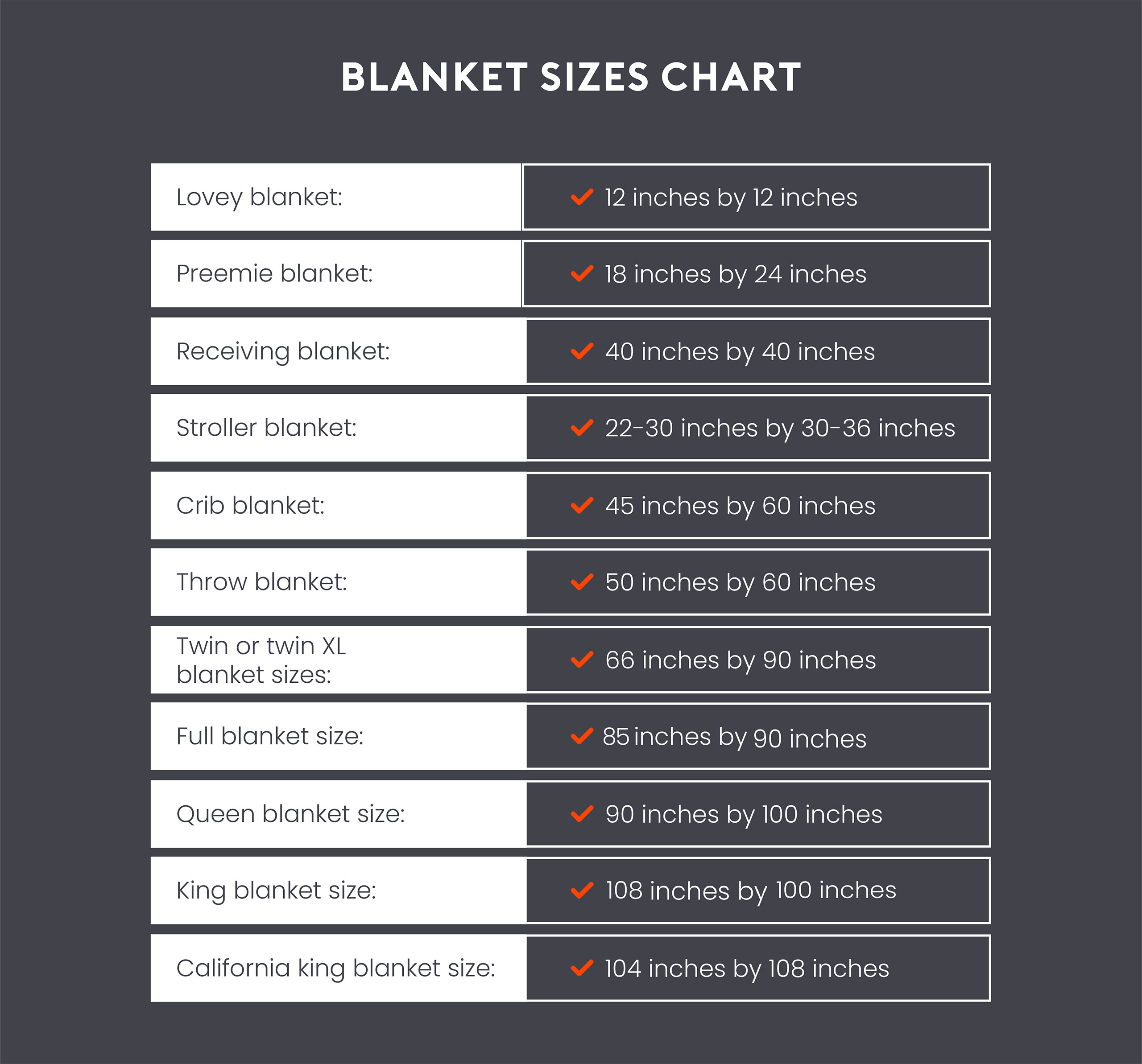
The ideal full size blanket is 80 inches wide by 90 inches long, offering balanced coverage and drape for a standard full bed. This size ensures 13 to 15 inches of side drop and 15 inches of foot overhang, making it easy to tuck in and stay secure during sleep. While variations like 85″ x 90″ exist for thicker mattresses or more luxurious drape, 80″ x 90″ remains the most reliable choice for comfort, fit, and functionality.
When choosing a blanket, measure your mattress width and length, consider mattress thickness (add 5 to 10 inches for beds over 14 inches), decide between minimalist coverage (80″ x 90″) or luxurious drape (90″ x 90″), and verify exact dimensions rather than relying on labels alone. Whether you are upgrading your bedding, furnishing a dorm, or choosing a multipurpose lounge throw, knowing the true dimensions helps you make a smarter, more confident purchase.