You bring the blanket out, and your horse tenses. Ears flick back. He sidesteps, pins his tail, or starts to tremble before you have even unfolded the fabric. This is not stubbornness. It is fear, and it is a sign your horse may be suffering from blanket trauma, a real and often misunderstood condition rooted in past distress during blanketing.
Blanket trauma occurs when a horse associates blankets with pain, fear, or loss of control. The trauma is psychological, shaped by the horse’s survival instincts as a prey animal. When escape is not possible, fear turns into lasting anxiety. In this guide, you will learn exactly how horses develop blanket trauma, what signs to watch for, and how to prevent or rehabilitate it with compassion instead of force.
Forced Blanketing Creates Lasting Fear
Trapped and Unable to Escape
Horses are flight animals. When they sense danger, their instinct is to run. But when blanketing involves cornering, holding down, or using multiple people to restrain them, that escape route is blocked. Over time, this forced compliance teaches the horse that resistance is futile, leading to learned helplessness or explosive panic.
Common forceful tactics that cause trauma include backing the horse into a stall corner, holding the lead rope tight while another person drapes the blanket, and not releasing the horse even when it is clearly distressed. These actions override the horse’s autonomy and flood their nervous system with stress. Each episode reinforces the idea that blanket equals danger.
Signs of Forced Trauma
Watch for sweating during blanketing despite cool weather, refusing to turn toward the handler, and rapid breathing or wide eyes before contact. If your horse consistently resists, it is not defiance. It is a trauma response.
Prolonged Blanket Wear Causes Physical and Emotional Damage
Blankets Left On for Months
Leaving a blanket on continuously, especially in fluctuating temperatures, is a major contributor to trauma. Some horses wear blankets through entire winters without removal, even when the sun comes out and temperatures rise.
This creates overheating during the day, moisture buildup from sweat, and unchecked rubs, sores, or fungal infections underneath. When a horse is forced to endure this discomfort for weeks or months, the blanket becomes a constant source of irritation. The physical pain merges with psychological distress, deepening the trauma.
Lack of Routine Checks
Neglecting to remove the blanket daily, check for skin damage, and clean or dry the blanket only worsens the experience. A wet or soiled blanket chafes the skin and causes chills, making every moment under fabric a punishment.
Painful Blanketing Techniques That Traumatize Horses
Ill-Fitting or Poor-Quality Blankets
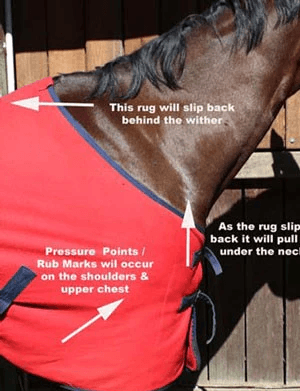
A blanket that does not fit properly causes pressure sores, shoulder rubs, and wither pain. Common fit issues include being too tight across the chest, gaping at the neck allowing cold air in, and being too short or long restricting movement.
Horses quickly learn to associate the sound of Velcro or the rustle of fabric with coming pain. Even a well-fitting blanket can trigger fear if past experiences were painful.
Rough Handling During Application
How you apply the blanket matters. Jerking it over the head, flapping it near the legs, or fastening it too tightly can scare or hurt the horse. Sudden movements mimic predator behavior, triggering a fear response.
Avoid throwing the blanket on, yanking straps, and blanketing a sweaty horse. Each of these practices adds to the negative association.
Abusive Handling During Blanketing
Yelling, Hitting, or Punishing Resistance
Some handlers respond to resistance with yelling, hitting, or physical punishment. This includes striking the horse for moving, screaming when the horse flinches, and jerking the lead rope or using whips to enforce compliance.
In documented cases, horses have been backed into walls, blinded with the blanket, and hit when they resisted. These actions create deep emotional scars that persist long after the abuse stops.
The Psychological Aftermath
Abuse during blanketing does not just affect blanketing. It can generalize to fear of grooming tools, distrust of handlers, and avoidance of all coverings including fly sheets, coolers, and saddle pads. The horse learns that humans equal unpredictability equal pain.
Why Lack of Positive Conditioning Leads to Trauma
No Gradual Introduction
Most horses are never taught to accept blankets. They are expected to tolerate them immediately with no desensitization. This is like forcing a child to wear a heavy coat they have never seen without explanation.
Without positive introduction, the horse has no reason to trust the process. Every new blanket becomes a potential threat.
Missed Opportunities for Trust-Building
You can prevent trauma by letting the horse sniff and investigate the blanket, touching them gently with a folded blanket, and pairing each step with treats or praise. Horses learn through association. If the blanket always comes with carrots and calm hands, they will relax. If it comes with force and fear, they will resist.
Recognizing the Signs of Blanket Trauma
Physical and Behavioral Red Flags
Watch for trembling or shaking especially along the neck and shoulders that occurs even in mild weather. This is a sign the horse is emotionally overwhelmed.
Avoidance behaviors include walking away when you pick up the blanket, turning the hindquarters toward you, and pressing against walls to escape. Defensive reactions include head tossing, ear pinning, and threatening to kick. These reactions are not always aggressive. They are often fear-based.
Case Example: Calavera’s Response
In a widely shared video, a horse named Calavera shook violently when the blanket approached. His caretaker stopped, and he leaned into her for a hug. That moment was not just emotional. It was a textbook example of trauma release and the power of respecting a horse’s limits.
The Psychological Impact Beyond Blanketing
Loss of Trust and Control
Horses thrive on predictability. Blanket trauma disrupts that. When a horse cannot control their environment or escape discomfort, they develop chronic anxiety.
This can lead to hypervigilance, reduced appetite, weight loss, and weakened immune function. The stress does not end when the blanket comes off.
Generalized Fear of Handling
Trauma can spill over into other routines. Horses may show resistance to grooming, fear of clippers or hoods, and distrust during hoof care. The horse begins to see all human interaction as potentially threatening.
Preventing Blanket Trauma in Horses
Desensitization Steps
Begin long before winter. Use these steps for gradual introduction.
Step 1 involves introducing the blanket visually. Hang it in the stall, let the horse sniff it, and reward calm curiosity with treats.
Step 2 involves touching with the blanket. Gently rub non-sensitive areas like the shoulders and barrel. Stop if the horse tenses and end each session positively.
Step 3 involves draping and removing. Drape loosely then take off. Repeat until the horse stands still. Never fasten at first.
Build trust gradually over days or weeks rather than rushing the process.
Positive Reinforcement Techniques
Reward every small success. Offer a treat for standing still, praise for not flinching, and walk away if the horse is stressed to avoid escalation. Never punish fear. It only deepens the trauma.
Choosing the Right Blanket
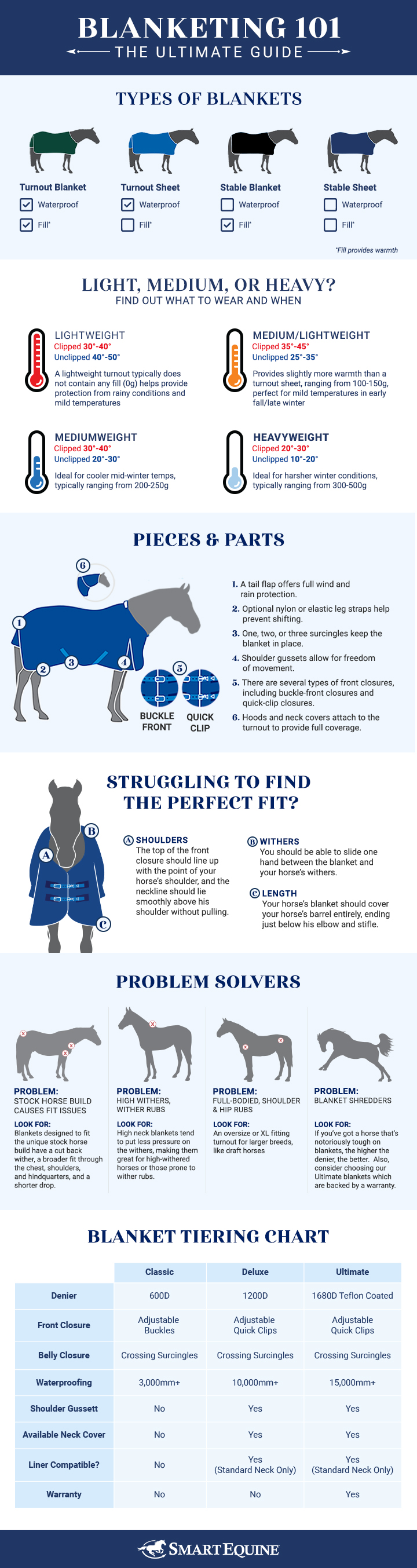
Ensure the blanket is properly fitted by measuring your horse, smooth inside with no rough seams, clean and dry, and easy to put on with quiet closures. Consider starting with a lightweight sheet before moving to a heavy blanket.
How to Rehabilitate a Traumatized Horse
Respect the Horse’s Limits
If your horse trembles, stop immediately. Pushing through fear destroys trust. Instead, drop the blanket, step back, and let the horse recover. Sometimes the best move is to walk away.
Rebuild Through Choice
Let the horse have control. Approach with the blanket folded, wait for them to sniff it, and only proceed if they remain calm. When the horse chooses to participate, healing begins.
Short, Positive Sessions
Work in brief sessions of 2 to 5 minutes. Touch with fabric, reward relaxation, and end before frustration. Consistency matters more than speed.
Alternatives to Traditional Blanketing
Shelter and Nutrition Options
If blanketing remains too stressful, consider providing a run-in shed that protects from wind and rain while allowing freedom of movement. Increase hay intake because digestion generates internal heat and helps maintain weight without a blanket. Monitor body condition weekly using a weight tape or score system.
Many horses do not need blankets at all, especially if they have a natural winter coat and access to shelter.
Frequently Asked Questions About Blanket Trauma
Can horses recover from blanket trauma?
Yes, horses can recover with patient, positive reinforcement training. Recovery takes time and depends on the severity of the trauma. Some horses improve within weeks while others need months of consistent, gentle work.
Is blanket trauma permanent?
Blanket trauma is not necessarily permanent, but it can be long-lasting if not addressed. The horse’s response to blankets can improve significantly with proper rehabilitation, though some horses may always need a gentle approach.
Why does my horse tremble when I bring out the blanket?
Trembling indicates fear or anxiety, likely from past negative experiences with blanketing. The horse has learned to associate the blanket with pain, force, or loss of control. This is a trauma response, not stubborn behavior.
Should I force my horse to wear a blanket if they resist?
No, forcing a resistant horse can worsen the trauma. If your horse shows fear signs, stop and try a gradual desensitization approach instead. Forcing a fearful horse damages trust and can escalate the problem.
What are signs my horse is too stressed to blanket?
Clear signs include trembling, pinning ears, trying to walk away, rapid breathing, sweating in cool weather, and defensive behaviors like kicking or striking. If you see these signals, remove the blanket immediately and try again later.
Can blanket trauma affect other aspects of horse care?
Yes, trauma from blanketing can generalize to other handling situations. Horses may become fearful of grooming, clippers, saddle pads, fly sheets, and other coverings. The distrust can spread to general handling routines.
Key Takeaways for Understanding Blanket Trauma
Horses develop blanket trauma through force, pain, neglect, and abusive handling, not because they are difficult. It is a learned fear response rooted in survival instincts. The trembling, avoidance, and resistance are all forms of communication.
Preventing and healing blanket trauma starts with listening. Respect your horse’s body language, introduce blankets gently, and never prioritize routine over well-being. Use positive reinforcement, proper equipment, and gradual desensitization.
If your horse is already traumatized, go slow, build trust, and let them lead. The most powerful thing you can do sometimes is drop the blanket and open your arms instead.