
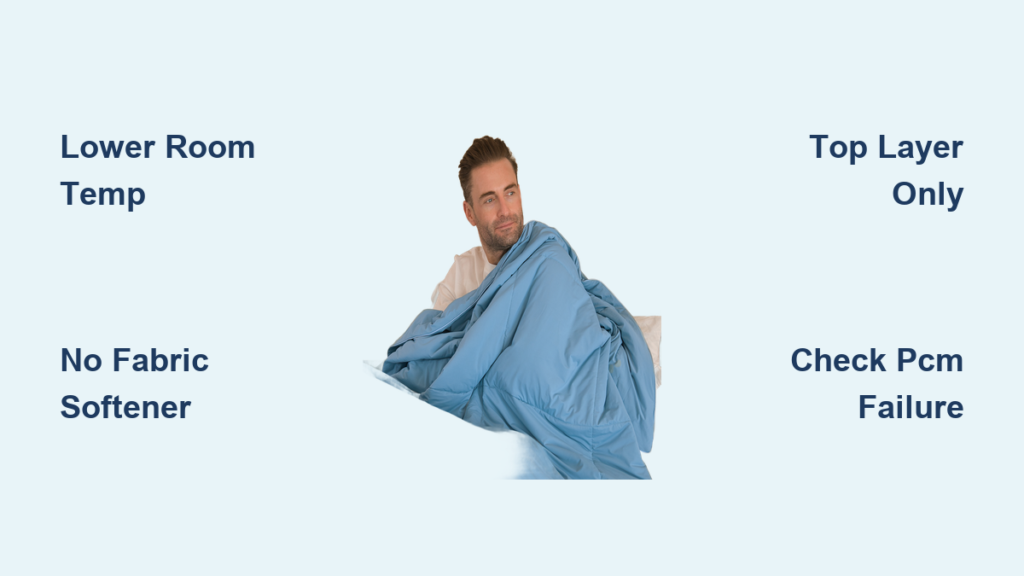
You bought a cooling blanket to beat the night sweats and hot flashes, only to find it feels warm, damp, or does nothing at all. You’re not alone. Thousands of users report their cooling blanket not working as expected, often after just a few months. But here’s the truth: most failures aren’t due to broken products. They’re caused by environmental conditions, incorrect care, or simple setup mistakes. In this guide, you’ll learn exactly why your cooling blanket isn’t cooling, how to diagnose the issue in minutes, and what steps to take to fix it, whether you own a passive throw or a high-tech active system.
Check Your Room Temperature First
Why Heat Kills Cooling Performance
If your bedroom is above 24–25°C, your cooling blanket cannot work. Passive blankets don’t generate cold. They transfer body heat into the air. When room temperature matches or exceeds body heat, thermal equilibrium occurs. The blanket stops pulling heat and starts feeling warm instead. This is the number one reason cooling blankets fail in summer or in poorly ventilated rooms.
Ideal Sleep Climate Settings
The optimal sleep environment for cooling blanket performance includes:
- Temperature between 18–22°C
- Humidity at 40–60%
- Airflow from a fan or open window
Use a smart thermostat or portable AC to maintain these levels. Even a ceiling fan can drop perceived temperature by 3–4°C through wind-chill effect.
Quick Test: Is the Room the Problem?
Place the blanket on a cool floor for 10 minutes. If it feels cool there but warm in bed, the room or bedding is trapping heat. Cool the room first before blaming the blanket.
Fix Your Bedding Setup Immediately
Stop Layering Over the Cooling Blanket
Putting a duvet, quilt, or heavy sheet on top of your cooling blanket defeats its purpose entirely. These layers act as insulation, trapping heat like a thermos. The cooling blanket must be the topmost layer, or the only blanket used.
Replace Heat-Trapping Sheets
High-thread-count cotton, flannel, or polyester sheets block airflow. Switch to breathable fabrics like percale cotton, linen, or bamboo or Tencel. Avoid sateen finishes. They feel soft but reduce breathability significantly.
Pair With a Cooling Mattress Topper
Memory foam radiates stored heat all night. If you sleep on one, add a gel-infused or latex topper to break the heat cycle. Alternatively, place the cooling blanket under a fitted sheet to stay close to your skin.
Rewash the Blanket the Right Way
Fabric Softener Ruins Cooling Fibers
This is the most common mistake users make. Fabric softener coats microfibers with a waxy film, blocking moisture-wicking channels. Sweat cannot evaporate, so the blanket feels damp and warm. If you have used softener, even once, this could be why your cooling blanket is not working.
Correct Washing Steps
- Use cold water at 30°C or colder
- Select the gentle cycle
- Add mild liquid detergent only. No bleach, no softener
- Skip extra rinse cycles to ensure all soap residue is removed
Dry Without Heat Damage
Air dry the blanket flat for best longevity. If machine drying, use low heat or air-fluff only. Never use dryer sheets. They leave residue that clogs fibers. High heat can melt phase-change materials or shrink advanced textiles. Once damaged, cooling performance never recovers.
Diagnose Material Degradation

PCM Failure Signs
Many cooling blankets use phase-change materials that absorb heat. Over time, they degrade and cause your cooling blanket not to work effectively. Watch for leakage with damp spots or oily residue, clumping with uneven texture and cold patches, or no initial cool touch at all. If the blanket no longer feels cool when you first touch it, the PCMs are likely spent.
Wicking Fiber Breakdown
After one to two years of washing, microfibers erode. The fabric loses its ability to pull moisture away. Signs include feeling less crisp, taking longer to dry, and smelling musty even when clean. Most high-quality cooling blankets last three to five years. After that, performance drops significantly.
Compression Damage
Storing the blanket folded tightly kills loft. Tiny air pockets that aid breathability get compressed. Unfold and fluff or steam lightly to restore some airflow.
Verify Product Authenticity
Spot a Fake or Defective Blanket
Some users report buying cooling blankets that never felt cool, had no visible cooling gel, or arrived without instructions. This suggests a counterfeit product, shipping error, or defective unit. Always check for the brand name on packaging, model number and safety labels, and official website and customer support. If you cannot find contact info or warranty details, you may have a knockoff.
Contact the Manufacturer
For brands like ChiliSleep, Bearaby, or Buffy, support is available via email, live chat, or phone lines. Warranty claims typically cover two or more years. If the blanket never worked, request a replacement or refund.
Test for Active System Failures
Water-Circulating Blankets: Check for Leaks
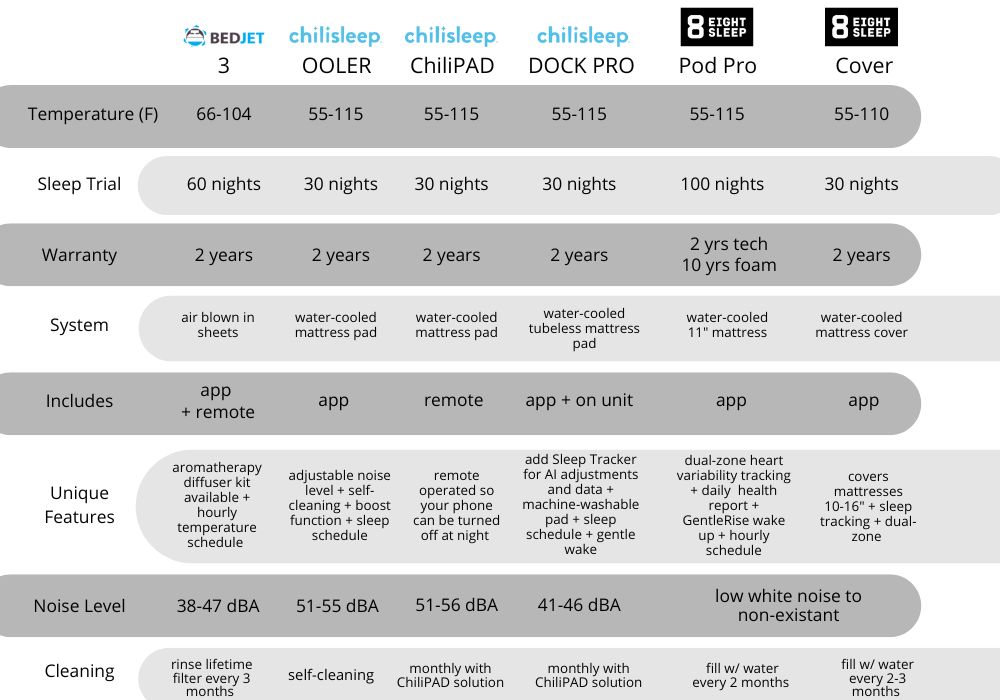
Active cooling blankets like Ooler or ChiliPad use chilled water. If cooling stops, inspect tubing for kinks or cracks. Listen for pump hum. Silence means power or motor failure. Drain and refill the reservoir if water is warm. Clean filters every three months to prevent clogs.
Air-Based Systems: Clear the Vents
Devices like BedJet blow cool air under the covers. If airflow weakens, remove and wash the air filter. Check for blocked vents under the bed. Ensure the hose is fully connected. Use compressed air to clear internal dust buildup.
Upgrade When Necessary
Passive Blankets Aren’t Enough in Hot Climates
If you live in hot zones where night temperatures exceed 26°C, passive blankets often fail. Heat dissipation becomes impossible. Your best options include an active cooling pad like ChiliPad or Ooler, a smart air system like BedJet, or a split-system air conditioner in the bedroom. These deliver actual temperature control, not just heat management.
Choose Reputable Brands
Avoid TikTok-viral or budget blankets for long-term use. They often lack durability. Invest in brands like ChiliSleep with lab-tested technology and a five-year warranty, Bearaby with PCM and breathable design, or Buffy with eco-friendly Tencel and cooling weave. Look for third-party testing and clear return policies.
Prevent Future Cooling Failures
Follow the Care Checklist
Wash cooling blankets every one to two weeks, especially if you sweat heavily. Use cold water with mild detergent. Avoid hot water, softener, and high heat drying. Store in a breathable cotton bag, never plastic bins. This maintenance routine prevents the most common reasons your cooling blanket stops working.
Maintain Your Sleep Environment
Use a hygrometer to monitor humidity. Run a dehumidifier if above 60%. Close blinds during the day to block heat. Open windows at night if outdoor air is cooler. Even the best blanket fails in a sauna.
When to Replace Your Cooling Blanket
Replace your cooling blanket if it is over three years old with regular use, if the cooling effect is gone despite rewashing, if the fabric is thin, pilled, or stained, if PCMs are leaking or clumped, or if it never cooled from day one. Do not waste time reviving a dead blanket. Upgrade to an active system for guaranteed results.
Frequently Asked Questions About Cooling Blanket Not Working
Why does my cooling blanket feel warm?
High room temperature, humidity, fabric softener use, or degraded materials cause this. Fix the environment and care routine first before assuming the blanket is broken.
Can I fix a blanket that lost its cool touch?
Only if the issue is residue buildup. Rewash with cold water and no softener. If PCMs are dead, replacement is needed.
Should the cooling blanket go on top?
Yes. Always use it as the top layer for airflow and direct skin contact.
Do cooling blankets work with memory foam?
Yes, but add a breathable topper to reduce heat retention from the mattress.
How long do cooling blankets last?
Three to five years with proper care. Performance declines noticeably after year two.
What is better: passive or active cooling?
Passive works for mild climates. Active is essential for hot or humid areas. Choose based on your bedroom conditions.
Key Takeaways for Fixing Your Cooling Blanket
A cooling blanket not working is rarely about the blanket alone. It is about room climate, care habits, and bedding setup. By fixing these factors, most users restore cooling performance instantly. Start by lowering your room temperature to 18–22°C and ensuring the blanket is the top layer with breathable sheets. Wash correctly using cold water and skip the fabric softener. If the blanket is over three years old or the PCMs have failed, replacement is the better option. For guaranteed results in hot climates, upgrade to an active cooling system like ChiliPad or BedJet. Your best sleep starts with a cool, dry, well-maintained sleep environment, not just a fancy blanket.