Choosing the right batting can make or break your quilt. It’s the hidden layer between your quilt top and backing that determines warmth, drape, texture, and durability. With so many options available, from cotton and wool to polyester and bamboo, it’s easy to feel overwhelmed. Understanding the different types of quilt batting helps you match the perfect material to your quilt’s purpose, whether it’s a cozy winter throw, a lightweight summer cover, or a show-stopping art piece.
This guide breaks down every major batting type by fiber, loft, performance, and best use. You’ll learn what makes each unique, how they behave during and after quilting, and which brands quilters trust most. From preventing bearding to achieving that perfect crinkle, you’ll walk away confident in your choice.
Cotton Batting: Classic and Breathable
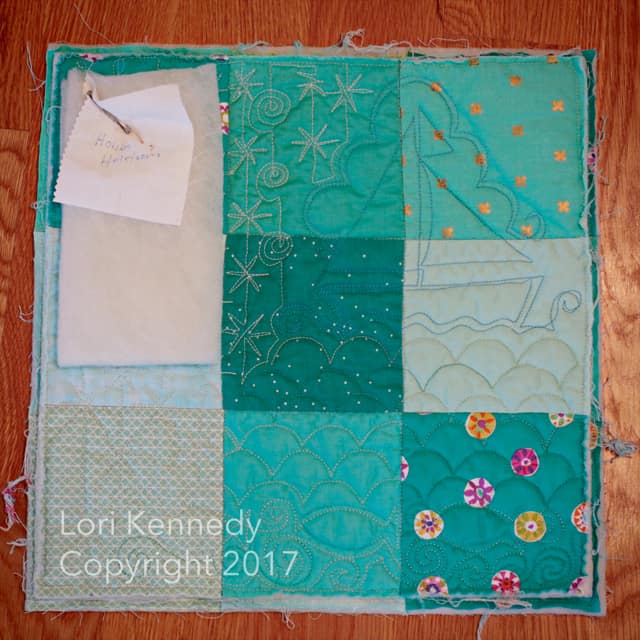
Cotton is the go-to for traditional quilters. It’s soft, breathable, and gives quilts a timeless, slightly crinkled look after washing.
Soft, Flat Finish with Vintage Appeal
Cotton batting lies flat and feels like thick flannel. It drapes beautifully and lets the piecing shine, making it ideal when you want the quilt top, not puffiness, to be the star. After laundering, it shrinks 3% to 5%, creating a cozy, lived-in texture prized in heirloom quilts.
Pros and Cons to Consider
Pros:
– Breathable and comfortable year-round
– Ages gracefully with repeated washing
– Excellent drape for bed quilts and clothing
– Renewable and biodegradable
Cons:
– Requires closer quilting (3 to 4 inches apart) unless scrim-backed
– Can shift or bunch if not secured properly
– Heavier than wool or bamboo
Best Uses and Top Brands
Use 100% cotton for traditional patchwork, wall hangings, or quilts meant to last generations. For machine quilting, choose Warm & Natural or Warm & White, which include a stabilizing scrim despite being labeled cotton. For ultra-soft results, Quilter’s Dream Cotton in “Request” (low loft) or “Select” (mid-loft) is a favorite among professionals.
Polyester Batting: Budget-Friendly and Puffy
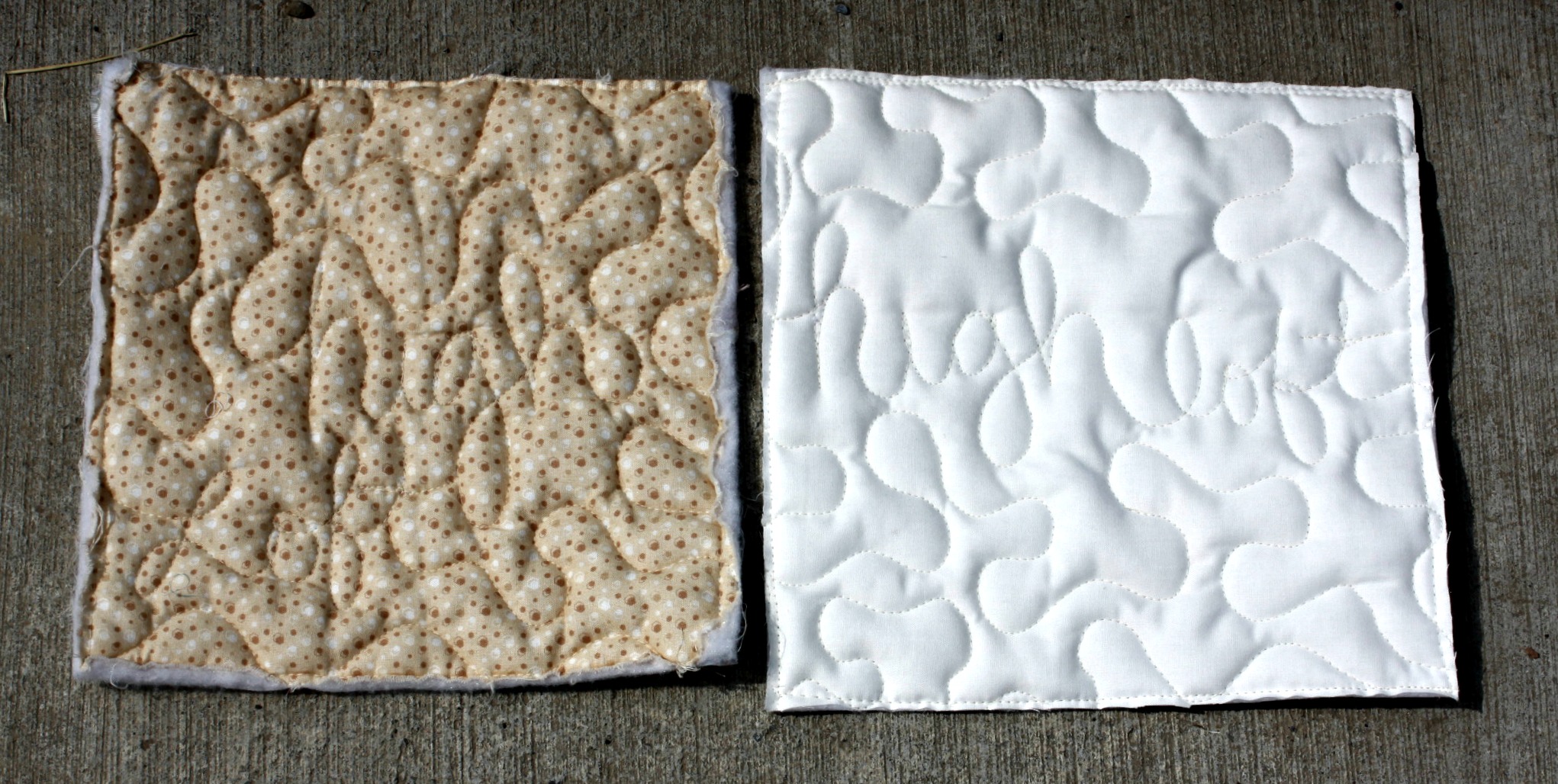
Polyester offers high loft, affordability, and zero shrinkage, perfect when you want fluff without fuss.
Fluffy, Warm, and Dimensional
High-loft polyester creates dramatic stitch definition, making quilting patterns pop. It’s resilient, holds its shape, and doesn’t crease easily. Because it doesn’t shrink, your quilt stays true to size after washing.
Pros and Cons to Consider
Pros:
– Most affordable batting option
– No shrinkage, ideal for precision projects
– Great for tied quilts; holds ties far apart
– Lightweight yet warm
Cons:
– Low breathability; can feel hot
– Prone to bearding (fibers poking through fabric)
– Stiffer drape; less conforming
Best Uses and Top Brands
Choose polyester for children’s quilts, charity projects, or winter comforters where warmth and durability matter. Mountain Mist is a top pick for tied quilts due to its stability. Avoid it for summer quilts or if you sleep hot.
Cotton-Poly Blends: The Best of Both Worlds
Blends combine cotton’s breathability with polyester’s stability, ideal for quilters who want balance.
Balanced Performance and Easy Care
An 80% cotton and 20% polyester blend is the gold standard. It resists shrinking better than pure cotton, drapes well, and is less prone to bearding than 100% polyester. It’s also more forgiving on the quilting frame.
Pros and Cons to Consider
Pros:
– Less shrinkage than cotton
– Softer than pure polyester
– Resists creases and holds shape
– Works well for hand and machine quilting
Cons:
– Contains synthetic fibers
– May not have the ultra-soft drape of premium cotton
Best Uses and Top Brands
Perfect for everyday bed quilts, long-arm quilting, and beginners. Quilter’s Dream 80/20 and Winline 80/20 are industry favorites, especially among professional long-arm quilters who value consistency and ease of use.
Wool Batting: Warm and Lightweight
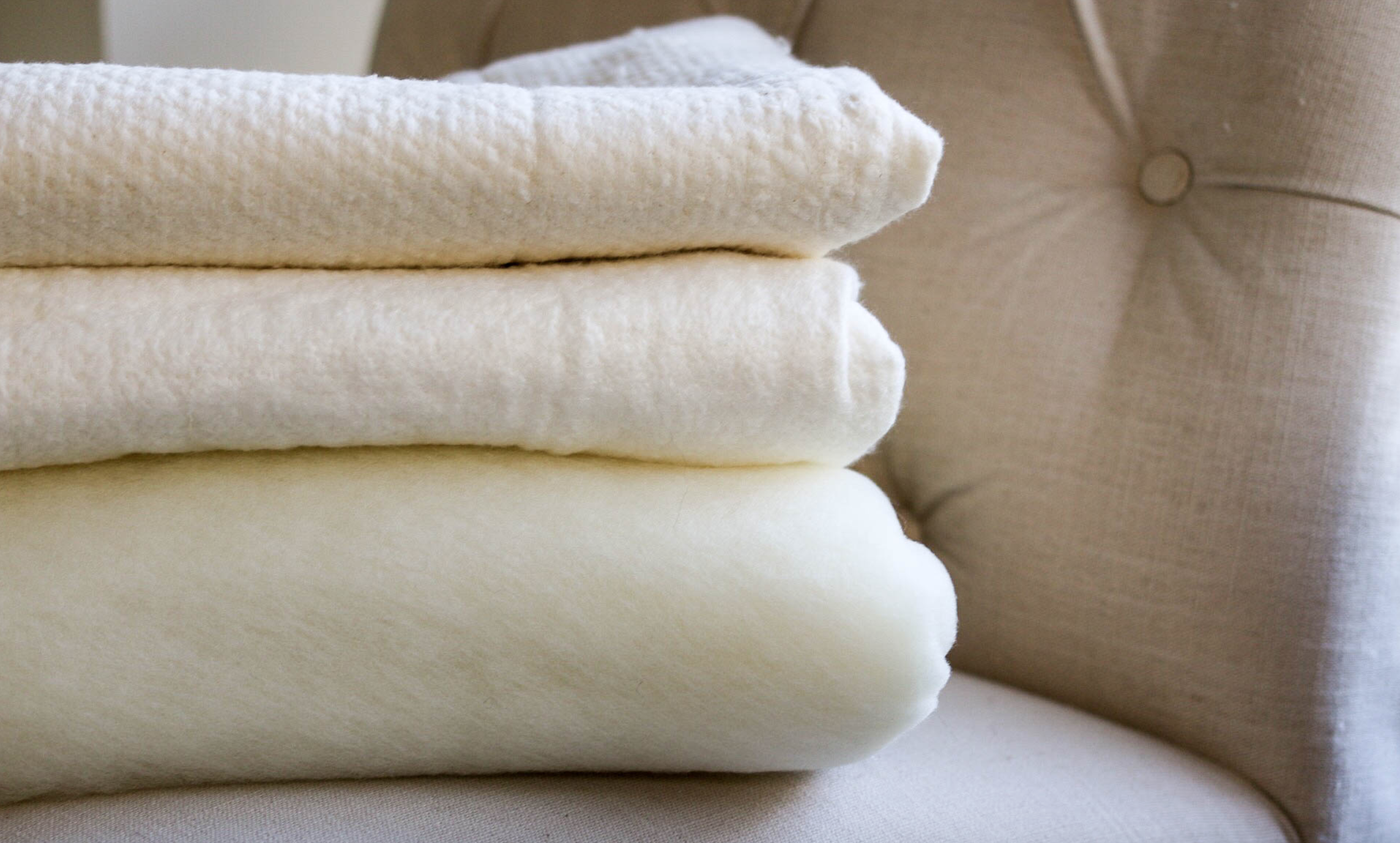
Wool delivers exceptional warmth without bulk, making it a premium choice for cold-weather quilts.
Bouncy, Breathable, and Luxurious
Wool has a soft, lofty feel that springs back after compression. It wicks moisture, resists odors, and provides superior insulation, ideal for winter bedding. It also highlights quilting beautifully, giving stitches a 3D effect.
Pros and Cons to Consider
Pros:
– Warmest natural fiber
– Lightweight and breathable
– Naturally flame-resistant
– Excellent drape and stitch definition
Cons:
– Expensive
– May trigger allergies
– Requires careful washing to avoid felting
– Often needs quilting every 4 inches
Best Uses and Top Brands
Use wool for show quilts, heirloom projects, or cold-climate bedding. Quilter’s Dream 100% Wool and Hobbs Tuscany Wool are highly rated. Note that Hobbs Tuscany Wool requires quilting every 4 inches to prevent shifting.
Bamboo Batting: Silky and Eco-Friendly
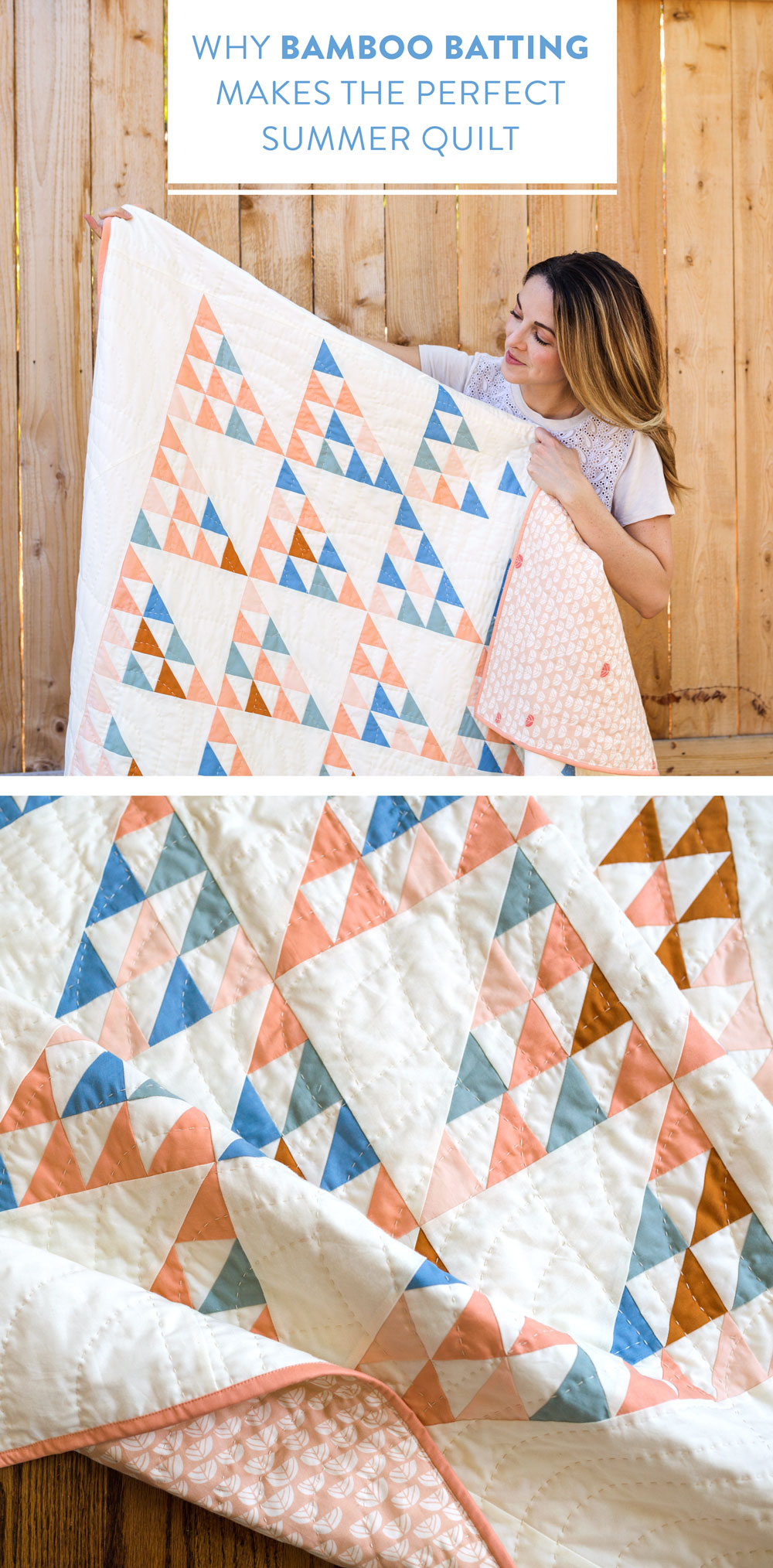
Bamboo is prized for its silky drape, softness, and eco-conscious appeal.
Cool, Smooth, and Hypoallergenic
Bamboo batting feels cool and flows like silk, making it perfect for art quilts and baby blankets. It’s naturally antibacterial and hypoallergenic, great for sensitive skin.
Pros and Cons to Consider
Pros:
– Incredibly soft and luxurious drape
– Breathable and temperature-regulating
– Eco-friendly source (rapidly renewable)
– Hypoallergenic and antibacterial
Cons:
– Expensive
– May be too cool for winter use
– Often blended with cotton for workability
Best Uses and Top Brands
Ideal for baby quilts, summer throws, and display pieces. Winline 6oz 100% Bamboo is called “AMAZING” by users for its crinkle and drape. Pellon Bamboo also receives strong reviews. For ultimate luxury, pair with cotton voile backing.
Silk Batting: The Luxury Choice
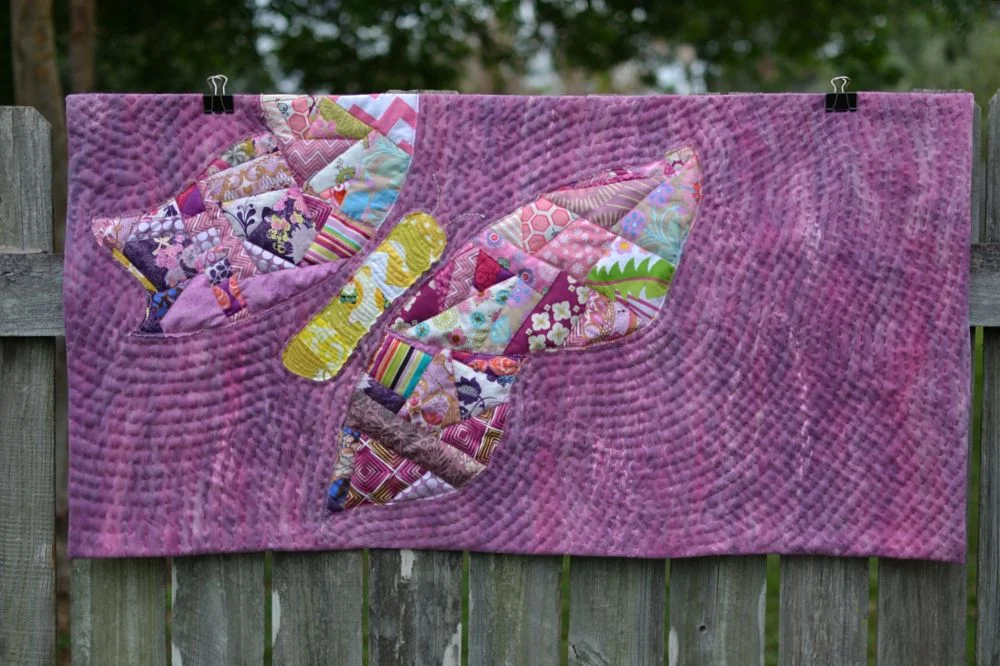
Silk is the rarest and most elegant option, used when drape and subtlety matter most.
Lightweight with a Subtle Sheen
Silk batting is ultra-thin and smooth, adding warmth without weight. It enhances delicate fabrics and gives quilts a refined, luminous finish.
Pros and Cons to Consider
Pros:
– Luxurious feel and elegant drape
– Lightweight warmth
– Ideal for heirloom and art quilts
Cons:
– Very expensive
– Hard to find in local shops
– Requires gentle handling
Best Uses
Reserved for art quilts, specialty garments, or display pieces where a whisper-light layer is needed. Typically purchased through specialty online retailers.
Fusible Batting: Skip the Basting

Fusible batting has glue on both sides, bonding layers together with heat, so no pins or spray needed.
Fast Setup, But Limited Use
Ironing activates the adhesive, securing the quilt sandwich instantly. This saves time on small projects but becomes impractical for large quilts.
Pros and Cons to Consider
Pros:
– Eliminates basting steps
– Prevents shifting during setup
– Great for mini quilts and wall hangings
Cons:
– Glue can be uneven or lumpy
– Adds stiffness
– Not ideal for large or frequently washed quilts
Best Uses and Top Brands
Use for table runners, mini quilts, or craft projects. Hobbs Fusible is a known option, though some users report inconsistent glue application.
Choosing by Project Type
Match your batting to your quilt’s purpose for the best results.
Heirloom and Show Quilts
Top Picks: 100% Wool or 100% Cotton
Wool makes quilting stitches stand out; cotton offers classic drape. Both age beautifully.
Everyday Bed Quilts
Top Picks: 80/20 Cotton-Poly or 100% Cotton
Durable, breathable, and easy to care for. Blends resist shrinking; cotton feels soft.
Winter and Cold-Weather Quilts
Top Picks: Wool or High-Loft Polyester
Wool provides breathable warmth; polyester offers maximum insulation with fluff.
Summer and Warm-Climate Quilts
Top Picks: Bamboo or Low-Loft Cotton
Lightweight and breathable, perfect for staying cool.
Baby and Children’s Quilts
Top Picks: Bamboo, Polyester, or Cotton Blend
Bamboo is hypoallergenic; polyester is durable and affordable.
Charity and Donation Quilts
Top Picks: Polyester or Cotton-Poly Blend
Cost-effective, washable, and hypoallergenic, ideal for unknown recipients.
Wall Hangings and Art Quilts
Top Picks: Low-Loft Cotton, Bamboo, or Silk
Enhances drape and detail without bulk.
Tied Quilts
Top Picks: High-Loft Polyester or Wool
Stable enough to hold ties spaced far apart.
Match Batting to Your Quilting Method
Your technique affects which batting works best.
Hand Quilting
Best: Low-loft cotton, wool, or bamboo
Avoid: Scrim-backed or high-loft polyester, which are too stiff or thick to push a needle through.
Machine Quilting (Home)
Best: Cotton-poly blend, scrim-backed cotton, or polyester
Scrim allows stitches up to 8 to 12 inches apart, reducing quilting time.
Long-Arm Quilting
Best: 80/20 cotton-poly blends (e.g., Winline, Quilter’s Dream)
Professionals love their stability and smooth feed through the frame.
Achieve Your Desired Aesthetic
Shape your quilt’s look with the right batting choice.
Want a Crinkly Vintage Look?
Use un-washed cotton or bamboo. Shrinkage creates the texture.
Prefer a Smooth, Flat Finish?
Use low-loft cotton (pre-washed) or polyester. No shrinkage, no puff.
Craving Puffy, 3D Quilting?
Choose high-loft polyester or wool to make stitches pop.
Highlight Piecing, Not Stitching?
Go low-loft. It lets the patchwork take center stage.
Showcase Intricate Quilting?
Use high-loft or wool. It adds dimension and drama.
How to Prep and Care for Batting
Follow these steps for professional results.
Sizing: Add 4 Inches All Around
Cut batting 4 inches larger than your quilt top. This acts as a safety margin to prevent shifting during quilting.
To Pre-Wash or Not?
- Cotton/Wool: Pre-wash to reduce shrinkage if you dislike crinkle.
- Polyester: No need, it doesn’t shrink.
- Tip: Toss unwashed cotton in the dryer for 5 to 10 minutes to remove fold lines without full shrinkage.
Quilting Density Matters
- With scrim: Stitches can be 8 to 12 inches apart
- Without scrim: Must be 3 to 4 inches apart
- Check labels: Hobbs Tuscany Wool requires quilting every 4 inches
Washing and Longevity
- Polyester: Most durable; handles frequent washing
- Cotton: Softens over time but may thin slightly
- Wool: Resilient but needs gentle care to avoid felting
Avoid Common Batting Mistakes
Steer clear of these pitfalls for better quilts.
Quilt Distortion?
Caused by cotton or wool shrinkage. Solution: Pre-wash or account for 3% to 5% shrinkage.
Overheating at Night?
You’re using high-loft polyester or wool. Switch to cotton or bamboo.
Fibers Poking Through Fabric?
That’s bearding. Fix: Use a sharp needle and proper quilting density.
Quilting Stitches Disappearing?
High-loft batting hides detail. Use low-loft cotton or bamboo.
Batting Shifting or Bunching?
Stitches are too far apart. Follow manufacturer spacing rules.
Yellowing on Light Fabrics?
You used natural or off-white batting. Use bleached white for light tops.
Frequently Asked Questions About Types of Quilt Batting
What is the best type of quilt batting for beginners?
Cotton-poly blends (80/20) are ideal for beginners. They resist shifting, shrink less than pure cotton, and work well for both hand and machine quilting. Brands like Quilter’s Dream 80/20 offer consistent quality and forgiving handling.
How do I prevent bearding in my quilt?
Bearding happens when batting fibers poke through fabric. Use a fresh, sharp needle, ensure proper quilting density (3 to 4 inches for non-scrim, 8 to 12 inches for scrim-backed), and avoid low-quality polyester batting that sheds easily.
Can I mix different types of batting in one quilt?
Yes, but it’s uncommon. Some quilters combine batting scraps for texture or to use up supplies. Just ensure similar loft and care requirements so the quilt washes evenly and drapes consistently.
What loft should I choose for a wall hanging?
Low-loft batting works best for wall hangings. It keeps the quilt flat, highlights piecing without bulk, and prevents the piece from sagging on the wall. Cotton or bamboo in low loft are excellent choices.
Is wool batting worth the higher price?
Wool batting costs more but offers superior warmth-to-weight ratio, excellent stitch definition, and natural flame resistance. It’s worth the investment for show quilts, heirloom pieces, or cold-climate bedding where performance matters.
How much larger should my batting be than the quilt top?
Cut batting about 4 inches larger on all sides than your quilt top. This margin prevents shifting during quilting and ensures the backing stays properly aligned throughout the process.
Final Takeaways on Choosing Types of Quilt Batting
Understanding the different types of quilt batting empowers you to make informed choices for every project. Here’s a quick recap to guide your next quilt:
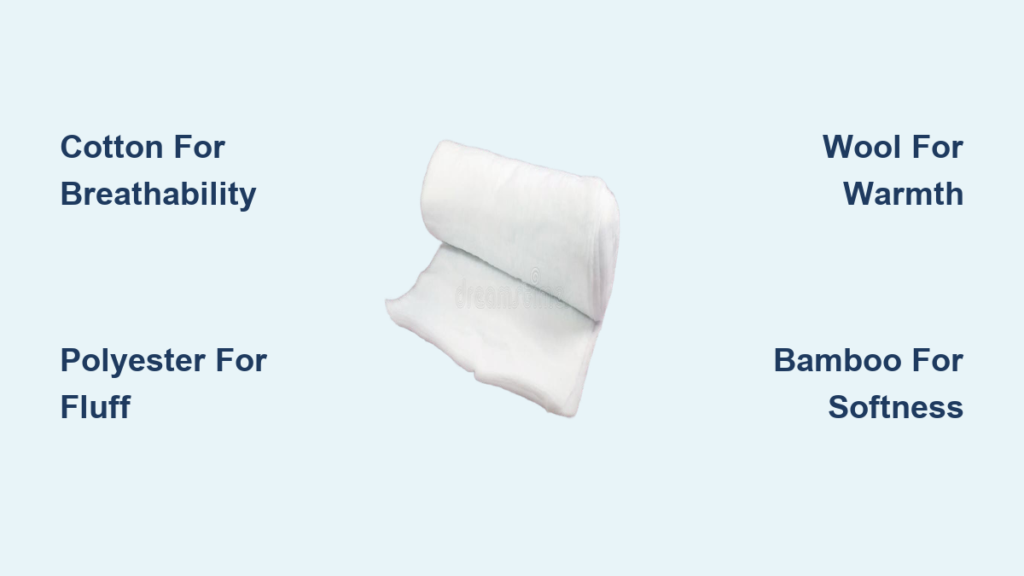
- For tradition and breathability: Choose cotton
- For fluff and affordability: Pick polyester
- For balance and ease: Try an 80/20 blend
- For warmth without weight: Go wool
- For softness and drape: Use bamboo
- For elegance and artistry: Consider silk
- For fast basting: Test fusible on small projects
Always check the label for loft, scrim, and quilting distance before buying. When in doubt, purchase a small sample first to test the feel and behavior. Your batting isn’t just filler. It’s the soul of your quilt, shaping how it looks, feels, and lasts for generations to come.