If your pool loses heat overnight, your water evaporates quickly, or you’re spending too much on chemicals and energy, a solar blanket could be the simplest fix. Despite its name, a solar blanket doesn’t just heat your pool. It’s a multi-purpose tool that traps heat, slashes evaporation, conserves water, and reduces chemical use. Made from UV-stabilized polyethylene with thousands of tiny air bubbles, it works like a greenhouse, letting sunlight in but keeping heat and moisture locked in. In just 2 to 3 sunny days, a solar blanket can raise your pool temperature by 10 to 15°F while cutting energy costs by up to 70%. Whether you have an in-ground pool, above-ground spa, or hot tub, understanding how a solar blanket works unlocks serious savings and comfort without installing expensive heaters.
Solar Heat Absorption Explained
A solar blanket captures the sun’s energy and transfers it directly into your pool water. Unlike traditional heating systems, it uses passive solar technology, meaning no electricity or gas required.
How Sunlight Heats the Water
Sunlight passes through the transparent or tinted material and reaches the water surface. The air bubbles in the blanket act like tiny lenses, focusing sunlight and increasing solar absorption. This creates a greenhouse effect. Short-wave solar radiation enters easily, but the long-wave infrared heat emitted by the warmed water cannot escape. The blanket traps that heat, steadily warming the pool.
Conduction and Convection Boost Efficiency
The bottom side of the blanket, where the bubbles touch the water, absorbs heat and transfers it through direct conduction. As the plastic warms, it heats the water molecules in contact with it. Simultaneously, air inside the bubbles heats up, creating micro-convection currents that further transfer warmth to the pool surface. This combination of radiation, conduction, and convection maximizes heat gain without moving parts or energy input.
Bubble Side Must Face Down
For optimal performance, always place the bubble side down. This ensures maximum water contact for heat transfer, prevents water pooling on top, and extends the blanket’s lifespan. Installing it upside down reduces effectiveness by up to 50% and can cause premature damage.
Heat Retention and Insulation
Even when the sun is not shining, a solar blanket continues working by preventing heat loss, especially at night.
Trapping Heat Overnight
Uncovered pools can lose 5 to 8°F overnight due to radiative and evaporative cooling. A solar blanket reduces this loss by 70 to 90%. The air bubbles act as insulating pockets, slowing down conductive and convective heat transfer to the cooler air above.
Why Insulation Matters More Than Heating
According to the U.S. Department of Energy, 70% of pool heat loss comes from evaporation. Stopping evaporation is not just about saving water. It is the most efficient way to retain heat. In many climates, preventing heat loss is more impactful than active heating. A solar blanket does both, making it one of the most effective pool upgrades available.
Performance in Cool or Cloudy Weather
On cloudy days, heating gains drop to 1 to 3°F, but the blanket still prevents major heat loss. In cooler or windy regions like the Pacific Northwest, active heating may be limited, but heat retention remains valuable for preserving brief solar gains and extending the swimming season.
Evaporation Prevention and Water Savings
A solar blanket forms a physical seal over your pool, drastically reducing water loss.
How Much Water Does It Save?
Without a cover, pools can lose up to 1 inch of water per week, more in hot, dry, or windy conditions. Over a month, a 20,000-gallon pool may lose 4,000 to 12,000 gallons. A solar blanket reduces evaporation by 90 to 95%, saving 1,000 to 3,000 gallons annually.
Energy Cost of Water Loss
Evaporating water requires massive energy. One pound of water requires 1,048 BTUs to evaporate. Losing 2 inches weekly equals over 1 million BTUs per week. This is equivalent to burning 10 gallons of propane or running an electric heater for 30 or more hours. By stopping evaporation, the blanket preserves both water and the energy used to heat it, delivering immediate cost savings.
Real-World Performance Data

Independent studies and field tests confirm solar blankets deliver consistent results across climates.
Peer-Reviewed Findings
Cal Poly in 2016 measured 95% evaporation reduction in 12 pools, equal to automatic and foam covers. Colgate University in 2014 found 30% lower energy costs with nightly cover use. The Michigan Energy Office in 2012 observed 50% energy reduction in an indoor pool with humidity control. CSIRO in 1963 provided early proof that plastic film reduces evaporation and warms water.
30-Day Field Test Results
Testing across three U.S. locations showed Phoenix gained 14.2°F and saved 42% or $89. Dallas gained 11.7°F and saved 38% or $67. Sacramento gained 9.8°F and saved 31% or $45. Peak gains reached 18°F in ideal conditions. Wind speeds over 15 mph reduced effectiveness by up to 60% due to flapping and air gaps.
Factors That Affect Performance
Not all pools or climates see the same results. Several variables influence how well a solar blanket works.
Climate and Sun Exposure
Optimal conditions include 6 or more hours of sun, temperatures above 70°F, and low wind, typical of the Southwest U.S. Moderate conditions offer 4 to 6 hours of sun and temperatures between 60 and 80°F, common in the Southeast and Midwest. Challenging conditions involve cloudy, cool, or windy weather like the Pacific Northwest. Even in tough climates, the blanket’s heat retention function remains valuable.
Pool Size and Depth
Small pools under 15,000 gallons gain 15 to 20°F because they heat up fast. Medium pools between 15,000 and 25,000 gallons gain 10 to 15°F, which is the most common residential range. Large pools over 25,000 gallons gain 8 to 12°F, heating slower but retaining better. Shallow pools at 4 to 5 feet heat faster, while deep pools at 6 feet or more retain heat longer.
Wind Reduces Efficiency
Wind disrupts the thermal seal. At 0 to 5 mph, the blanket delivers full performance. At 15 mph or higher, efficiency drops to 40 to 60%. Use wind shields or secure edges to minimize flapping and maintain effectiveness.
Types of Solar Covers Compared
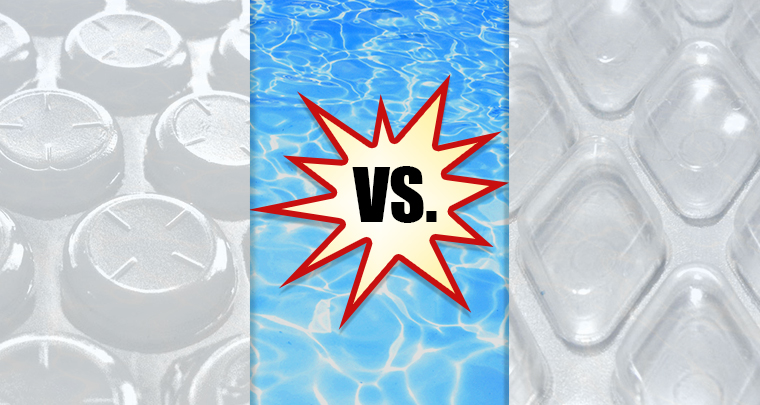
Not all covers are equal. Performance varies by design and coverage.
Bubble Solar Covers
These are the best overall option, made from UV-stabilized LDPE with air bubbles. They provide 95 to 100% coverage and rate 9 out of 10 for performance. Lifespan is 2 to 4 years, or up to 5 years with UV inhibitors. Cost ranges from $200 to $500. They offer the best balance of heating, insulation, and cost for most residential pools.
Solar Rings
These floating circular discs cover 60 to 70% of the pool surface. They are easier to handle and modular, requiring no reel. However, gaps between rings reduce efficiency. They rate 6 out of 10 for performance and cost $300 to $600. They work well for small pools or users who struggle with large covers.
Liquid Solar Covers
These form an invisible film to reduce evaporation. They provide only 30% evaporation reduction according to Cal Poly testing. They rate 4 out of 10 for performance and work best as a supplement to a physical cover. They are safe and easy to use but cannot replace a solid blanket.
Thermal Blankets
These have no bubbles and often feature silver or reflective surfaces. They block sunlight and prevent heat loss rather than creating it. They rate 8 out of 10 for retention but only 2 out of 10 for heating. They are best for indoor pools or hot climates where overheating is a risk.
Choosing the Right Thickness

Solar blankets are rated in mils, which are thousandths of an inch. Thicker covers mean more durability and efficiency.
An 8-mil cover provides up to 10°F temperature gain with a 3-year warranty. It works best in mild climates with low wind. A 12-mil cover provides up to 15°F gain with a 5-year warranty. It suits most residential pools. A 16-mil cover provides up to 18°F gain with a 7-year warranty. It is ideal for windy, high-UV areas. Most users should choose 12 to 16 mil for better insulation and longer life.
Color Impact on Performance
Cover color affects light transmission and heat absorption.
Clear covers offer maximum light transmission and the best heating in most climates. Blue covers provide high transmission with a good balance of heating and aesthetics. Black covers have low transmission but maximum heat absorption, ideal for cool areas. Silver covers also have low transmission and reflect heat, preventing overheating in hot climates. Clear or blue is ideal for most outdoor pools, while black works well in spring or cooler regions.
Additional Benefits Beyond Heating
Solar blankets do more than warm your pool. They improve overall efficiency.
Chemical Use Drops 25 to 60%
UV rays break down chlorine. A cover blocks sunlight, reducing chlorine loss. Users report 25 to 60% less chemical use and can extend testing from daily to weekly.
Debris Reduction Cuts Maintenance
The blanket blocks leaves, pollen, insects, and dust. This reduces filter load, lowers cleaning time, and decreases filter runtime by 20 to 30%.
Extends Swimming Season
In spring, the pool opens 3 to 6 weeks earlier. In fall, it stays usable 4 to 6 weeks longer. This is especially valuable in temperate zones.
Boosts Modern Pool Systems
Variable-speed pumps run slower due to less debris. Saltwater systems have stable salinity with less water replacement. Smart systems optimize heating with known retention data. UV and ozone systems experience extended lamp life due to less debris. Overall system efficiency increases by 25 to 40%.
Common Limitations and Drawbacks
Despite high effectiveness, solar blankets have practical downsides.
Handling and Installation Challenges
Large, wet covers are heavy and awkward. Reel systems make deployment easier. Manual reels cost $200 to $800. Automatic reels cost $1,500 to $3,000. Reels are recommended for pools over 400 square feet or users with mobility issues.
Storage and Durability
Covers must be stored out of direct sunlight to prevent UV damage. They require dedicated shaded space. Thin covers last 1 season. Heavy-duty ones last 2 to 5 years.
Safety Concerns
Covers pose a drowning hazard and can trap people or pets. Never walk on or swim under a cover. Always remove it before use. Automatic reels improve safety with full retraction.
Cost, Savings, and ROI
Solar blankets pay for themselves quickly, especially on heated pools.
Upfront Costs
A 12-mil bubble cover costs $200 to $350. A 16-mil premium cover costs $350 to $500. Solar rings cost $300 to $600. A manual reel costs $200 to $800. An automatic reel costs $1,500 to $3,000.
Annual Savings
Energy savings range from $500 to $1,200, or up to $1,800 for propane-heated pools. Water savings total 1,000 to 3,000 gallons. Chemical savings equal 25 to 60% reduction.
Payback Time and ROI
A heated pool breaks even in 3 to 8 months with 400 to 800% five-year ROI. Moderate use breaks even in 8 to 18 months with 200 to 400% ROI. An unheated pool breaks even in 12 to 24 months with 150 to 300% ROI. With rising energy costs in 2025, solar blankets offer unmatched ROI.
Best Practices for Maximum Results
Follow these expert tips to get the most from your solar blanket.
When to Use It
In spring, use it continuously to heat fast. In summer, use it at night and remove it during peak sun to avoid overheating. In fall, use it daily to extend the season. On cloudy days, it remains valuable for heat retention.
Installation Tips
The cover should extend 6 inches beyond the pool edge. Aim for 95 to 100% coverage. Partial coverage at 50% delivers only 30% of the benefits.
Maintenance and Care
Clean the cover with mild soap and water. Store it in shade when not in use. Avoid dragging it on rough surfaces. Never use pressure washers or harsh chemicals.
Safety First
Remove the cover before swimming. Keep it away from children and pets. Use an automatic reel for safer operation. Never leave it partially on.
Frequently Asked Questions About Solar Blankets
How warm will my pool get?
Expect 10 to 15°F gain in 2 to 3 sunny days. Small, shallow pools in sunny climates can see up to 18 to 20°F gains.
Do they work on cloudy days?
Heating is minimal at 1 to 3°F, but the blanket provides excellent heat retention, preventing the 5 to 8°F loss seen in uncovered pools.
How long do they last?
Average lifespan is 2 to 4 years. Premium 16-mil covers with UV inhibitors last up to 5 years.
Can I swim with it on?
No. It poses serious drowning and entanglement risks. Always remove the cover before use.
Do they cause algae?
Only if chlorine is low. Warm, covered water can promote algae if chemistry is unbalanced. Maintain proper levels and run the pump daily.
Clear vs. blue vs. black?
Clear provides the best heating. Blue offers good balance of heat and aesthetics. Black delivers maximum absorption with less light penetration.
Key Takeaways for Understanding Solar Blankets
Solar blankets are proven, cost-effective tools essential for any pool owner. They heat water through passive solar absorption, prevent evaporation by 90 to 95%, save $500 to $1,200 annually in energy costs, and extend your swimming season by 3 to 6 weeks. The data is clear: solar blankets work. Start with a 12 to 16-mil blue or clear bubble cover, use it consistently, and consider a manual or automatic reel for ease and safety. The real question is not whether they work, but whether you can afford not to use one.