
You’ve made your bed with crisp sheets and perfectly plumped pillows, but something feels incomplete. That final design element a thoughtfully draped blanket can transform a tidy bed into a designer-worthy retreat. Learning how to drape a blanket on a bed the right way elevates your entire bedroom aesthetic, whether you’re going for cozy, minimalist, or luxurious.
A well-draped throw adds texture, color, and dimension to your bedding. It draws the eye, creates visual interest, and introduces warmth that plain bedding alone cannot achieve. In this guide, you’ll discover proven, designer-approved techniques for draping throws, from casual tosses to elegant folds. You’ll also learn how fabric, size, and placement influence the final look.
Choose the Right Throw Blanket First
Before you drape, you need the right blanket. Not all throws are created equal, and each size, fabric, and color serves a different purpose.
Select the Ideal Size
Your throw size directly impacts how it will look on your bed. Consider these standard options:
- Standard throw: 50″ × 60″ works perfectly for draping at the foot or corner of most bed sizes
- Oversized throw: 60″ × 80″ provides ideal coverage for layering, headboard draping, or full coverage on twin beds
- Small accent throw: Under 50″ works best for corner styling or pairing with decorative pillows
A throw should never fully cover the bed. It functions as an accent piece, not a replacement for your duvet or comforter.
Match Fabric to Style and Season
The material of your throw changes both the look and feel of your bed. Consider these fabric options:
- Cotton or linen: Lightweight and breathable, perfect for spring and summer months
- Chunky knit or wool: Cozy and textured, ideal for fall and winter styling
- Faux fur or velvet: Luxurious and rich, adds instant glam to any bed setup
- Crinkle or crepe cotton: Soft with natural wrinkles, delivers effortlessly chic vibes
Rotate throws seasonally for the best results. Swap light linen throws in summer for chunky cable knits in winter.
Pick Complementary Colors and Patterns
Your throw should work with your existing decor, not against it. Use these guidelines:
- Neutral throws (beige, gray, cream) blend seamlessly with any palette, ideal for minimalist rooms
- Bold throws (rust, emerald, cobalt) add a pop of color and personality to neutral spaces
- Patterned throws work best when your bedding is solid to avoid visual clutter
- Textured solids shine when your bed already features patterns like florals or stripes
Your throw doesn’t need to match your pillows exactly. Just ensure it shares a color, texture, or tone with your existing decor for harmony.
The Effortless Drape for Casual Style
This is the most popular and easiest way to drape a blanket on a bed. It’s relaxed, stylish, and looks like you just climbed out from under it.
How to Create the Casual Toss
Follow these simple steps for the signature relaxed look:
- Fold your throw in half lengthwise
- Drape it loosely across the foot of the bed, slightly off-center
- Let one side hang longer than the other for asymmetry
- Allow natural wrinkles to remain
The key is making it look slightly messy. A little sloppiness makes it feel real and inviting.
Why This Style Works
This method mimics a naturally used blanket, adding movement and softness to a structured bed. It’s perfect for boho, coastal, or farmhouse styles and works especially well for everyday styling when you want a lived-in vibe.
The Structured Fold for Polished Elegance

Want your bed to look like a luxury hotel? This method delivers crisp, tailored elegance that impresses.
Fold and Lay Technique
- Fold the throw into thirds or quarters lengthwise
- Fold it in half again for a thicker, more substantial appearance
- Place it flat across the foot of the bed, centered
- Smooth out major creases while keeping it soft, not stiff
Use this method in modern, minimalist, or Scandinavian bedrooms with high-end fabrics like wool, herringbone cotton, or velvet. It highlights the texture or weave of the blanket beautifully.
The Diagonal Drape for Bold Impact
This method turns your throw into a design statement. It’s dynamic, modern, and draws the eye immediately.
How to Drape Diagonally
- Fold the throw in half or in thirds
- Place one end at the bottom corner of the bed
- Stretch it diagonally across to the opposite side
- Let it fall naturally, allowing some fabric to drape onto the floor
For an alternative triangle fold, fold the throw into a triangle, lay it over one bottom corner, and adjust so the edges align with the bed frame. This adds movement and asymmetry without feeling chaotic.
This approach works best in contemporary or eclectic bedrooms with bold patterns or luxurious textures like faux fur or chunky knit.
Corner Throw Styling for Minimalist Spaces
Ideal for minimalist spaces or when using a smaller throw, this method is understated but intentional.
How to Style the Corner
- Fold your throw into a neat rectangle or triangle
- Place it on one bottom corner of the bed
- Align the edges with the mattress for symmetry
This adds texture without overwhelming the space. It’s perfect for studio apartments or small beds where you want a tidy, curated look. Use a textured solid like waffle knit or boucle to add interest without creating visual clutter.
Layer Multiple Throws for Luxe Depth
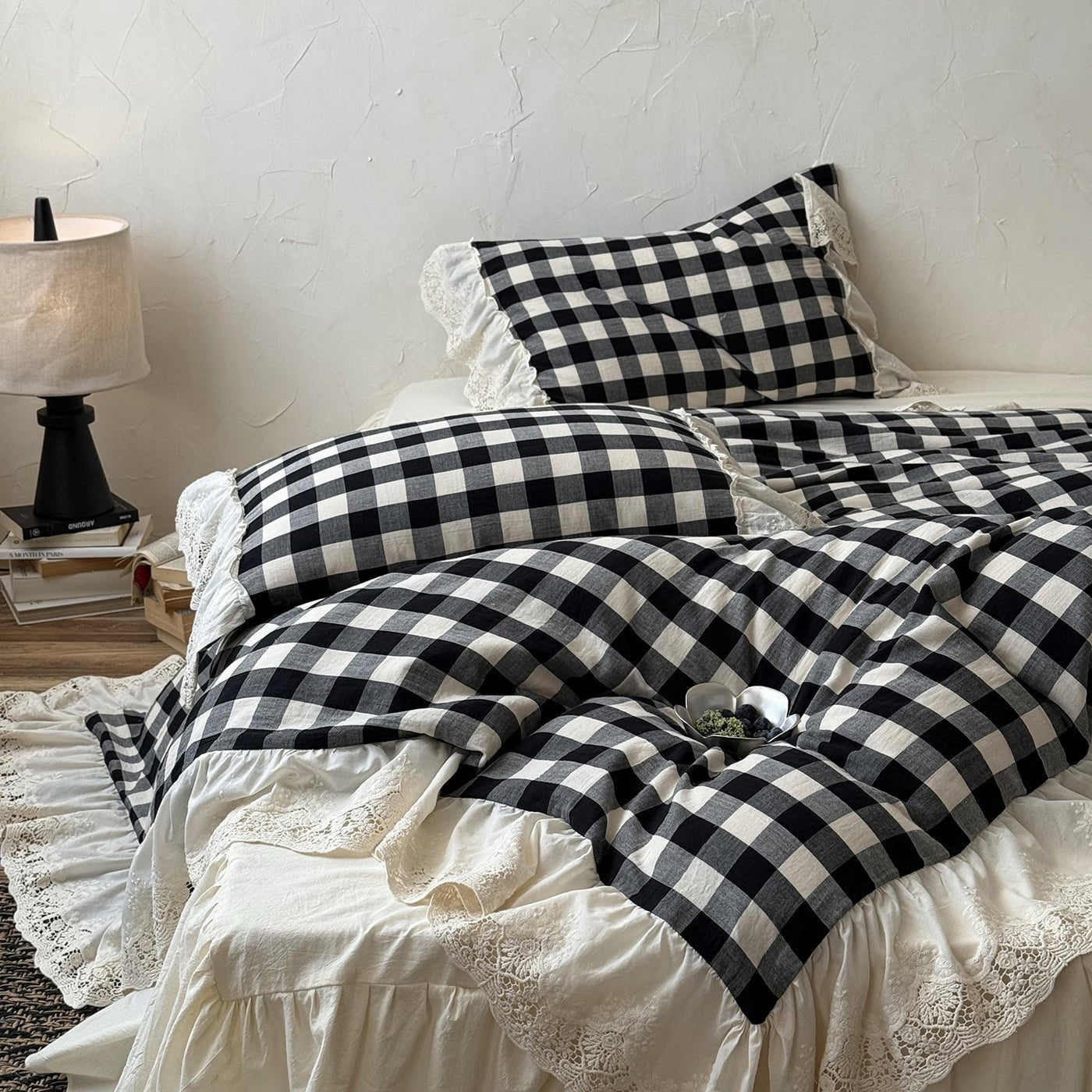
For winter styling or high-end design, layering throws adds depth, warmth, and designer flair.
How to Layer Correctly
- Start with your base: duvet, quilt, or bedspread
- Add a lightweight blanket in a neutral tone (cotton or wool works well)
- Top with a decorative throw in faux fur, velvet, or a bold pattern
- Vary textures throughout, but limit patterns to one
Stick to two to three layers maximum. Too many looks messy rather than luxurious. Mix smooth with chunky, and soft with rough for the best visual contrast.
Example combination: Linen duvet plus cream wool blanket plus rust-colored faux fur throw.
Headboard Draping for Unexpected Elegance
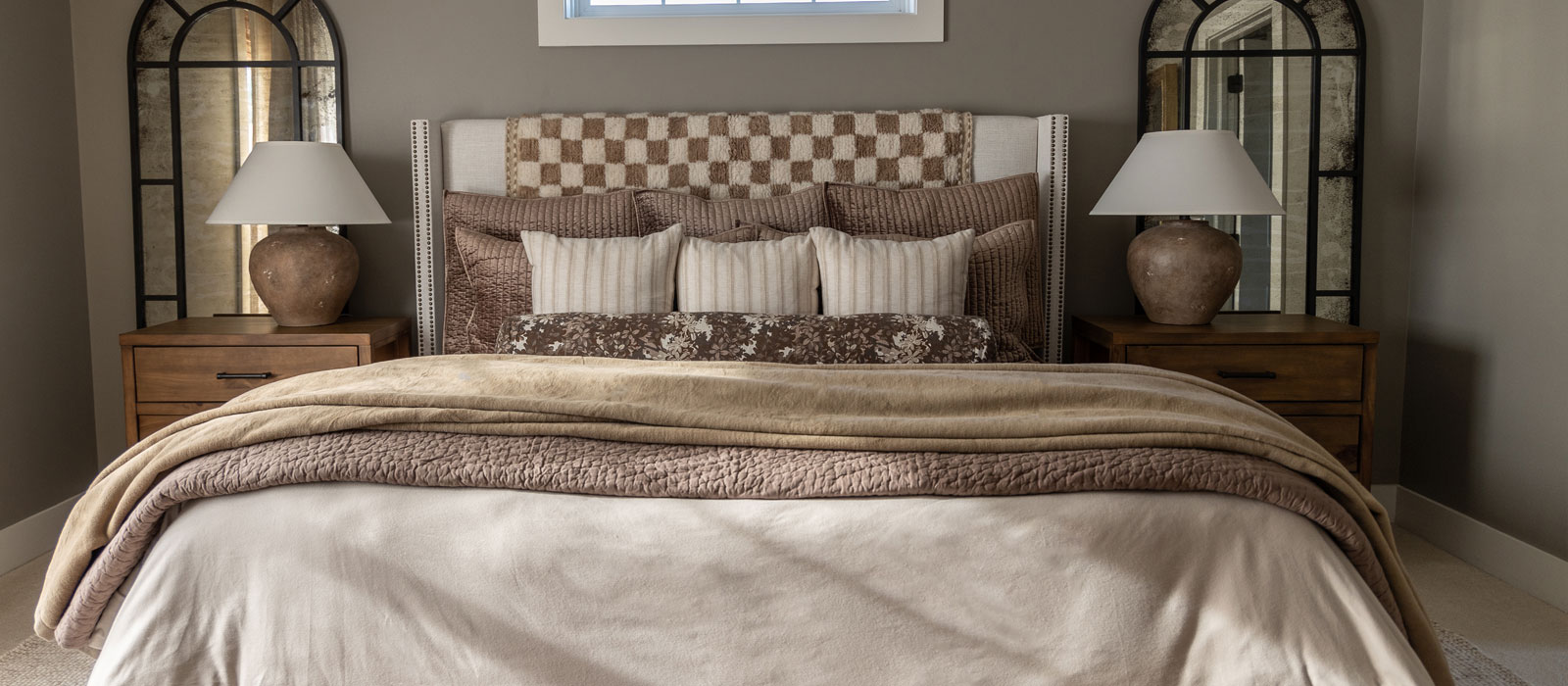
Transform a plain headboard by draping a throw over it. This adds softness, height, and a touch of drama.
How to Drape Over the Headboard
- Use a larger throw (60″ × 80″ or bigger)
- Drape it over the center of the headboard
- Let it cascade down both sides equally, or favor one side for asymmetry
This works best on upholstered or wooden headboards in rooms with neutral palettes needing warmth. The best fabrics for this technique include chunky knit, woven wool, or long cable throws. Avoid thin or short throws, as they’ll look skimpy.
Splayed Display for Artistic Impact
Treat your throw like a piece of art for a unique focal point.
How to Style as a Centerpiece
- Choose a decorative throw (embroidered, vintage, or culturally significant)
- Lay it flat across the center of the bed
- Smooth it slightly but keep natural folds
- Use on a plain duvet to let it stand out
This works beautifully for heirloom blankets, textiles with cultural value, or boho and eclectic interiors. Let this throw be the star rather than layering additional elements.
Mix Textures for Visual Interest
Texture contrast is one of the most powerful tricks in interior design.
Combine Opposing Textures
- Smooth plus chunky: Cotton duvet paired with cable knit throw
- Soft plus rough: Silk sheets combined with woven wool blanket
- Plush plus light: Velvet throw over linen base
Avoid matching textures like two knits together, which creates visual flatness. Run your hand over the bed. If everything feels the same, add contrast through texture.
Use Color to Enhance Your Decor
Your throw serves as a tool for color coordination, not just decoration.
Apply the 60-30-10 Rule
- 60% dominant color: Walls and duvet
- 30% secondary color: Pillows and curtains
- 10% accent color: Throw and artwork
Example: Beige bedding (60%) plus rust pillows (30%) plus emerald throw (10%). Rotate throws seasonally to keep your room feeling fresh.
Avoid Common Styling Mistakes
Small errors can ruin a perfectly made bed. Steer clear of these pitfalls:
- Over-layering: More than three layers looks cluttered. Stick to base plus mid-layer plus throw
- Wrong size: A tiny throw on a king bed looks lost. A huge throw can overwhelm. The throw should cover one-third to one-half of the bed’s width
- Ignoring floor clearance: Let the throw skim the floor for drama on tall beds. Stop at mid-calf height on low beds to avoid dragging
- Matching too perfectly: A throw that exactly matches your duvet disappears visually. Aim for contrast in texture or tone
Style Your Throw by Season
Your throw should rotate like your wardrobe for year-round appeal.
Spring and Summer Approach
- Choose lightweight fabrics like cotton, linen, or seersucker
- Opt for whites, pastels, sky blues, or soft florals
- Use effortless drape or corner fold styling
Fall and Winter Approach
- Select warmer fabrics like wool, faux fur, or chunky knit
- Embrace rich colors like burgundy, charcoal, forest green, or mustard
- Try layered throws, diagonal drapes, or headboard styling
Store off-season throws in breathable cotton bags to prevent mustiness.
Final Touches for Designer Finish
With your throw in place, fine-tune the details for a polished look.
Fluff and Adjust
- Step back and view the bed from the doorway
- Tug the throw slightly to create natural folds
- Ensure it isn’t too symmetrical, since imperfection feels more human
Pair with Pillows
- Place one or two decorative pillows on top of or beside the throw
- Use pillow covers that echo the throw’s color or texture
Example: A velvet throw paired with a velvet lumbar pillow creates cohesive elegance.
Frequently Asked Questions About Draping Blankets on Beds
What’s the easiest way to drape a blanket on a bed?
The effortless drape is the easiest method. Simply fold the throw in half lengthwise and toss it loosely across the foot of the bed, letting it fall naturally with some asymmetry. Don’t smooth out the wrinkles. This creates a relaxed, inviting look that works with most decor styles.
How do I choose the right throw blanket size for my bed?
A standard throw (50″ × 60″) works for most bed sizes when draping at the foot or corner. King and queen beds can accommodate larger throws (60″ × 80″) for more dramatic styling or headboard draping. The throw should cover roughly one-third to one-half of the bed’s width without fully covering it.
Can I layer multiple throws on my bed?
Yes, layering adds depth and luxury. Start with a base layer like a duvet or quilt, add a lightweight middle blanket, and top with a decorative throw. Mix textures like smooth cotton with chunky knit, but limit patterns to avoid visual chaos. Two to three layers maximum creates the best look.
What throw blanket fabric works best for each season?
Lightweight cotton, linen, and crinkle cotton work best for spring and summer. For fall and winter, choose warmer options like wool, faux fur, chunky knit, or sherpa. Rotating throws seasonally keeps your bedroom feeling fresh and appropriate for the temperature.
How do I keep my throw from looking messy?
For a polished look, use the structured fold method. Neatly fold the throw into thirds or quarters lengthwise, then lay it flat across the foot of the bed. Smooth major creases while keeping it soft rather than stiff. This works especially well in minimalist and modern bedrooms.
Key Takeaways for Draping Blankets on Your Bed
The way you drape a blanket on your bed speaks volumes about your personal style. Whether you choose the relaxed toss, the crisp fold, or the dramatic diagonal, intention matters most. Always select the right size and fabric for your bed and season. Layer thoughtfully by combining different textures without mixing too many patterns. Don’t be afraid to rotate throws seasonally to keep your bedroom feeling fresh and inviting. With these techniques, your bed won’t just be comfortable. It will be a deliberate design statement that transforms your entire bedroom aesthetic.