You pull your favorite Sherpa blanket off the couch, ready to curl up with a book or movie, only to find it clumped, flat, and rough instead of soft and fluffy. If you have ever wondered how to fix a matted sherpa blanket, you are not alone. Over time, Sherpa’s signature plush fibers can tangle, compress, and lose their loft due to friction, heat, and improper care. The good news is that most matting can be reversed with the right technique, no need to replace a beloved blanket.
This guide walks you through every step to safely restore fluffiness, prevent future damage, and extend your blanket’s life using simple tools you likely already have at home.
Why Sherpa Blankets Become Matted
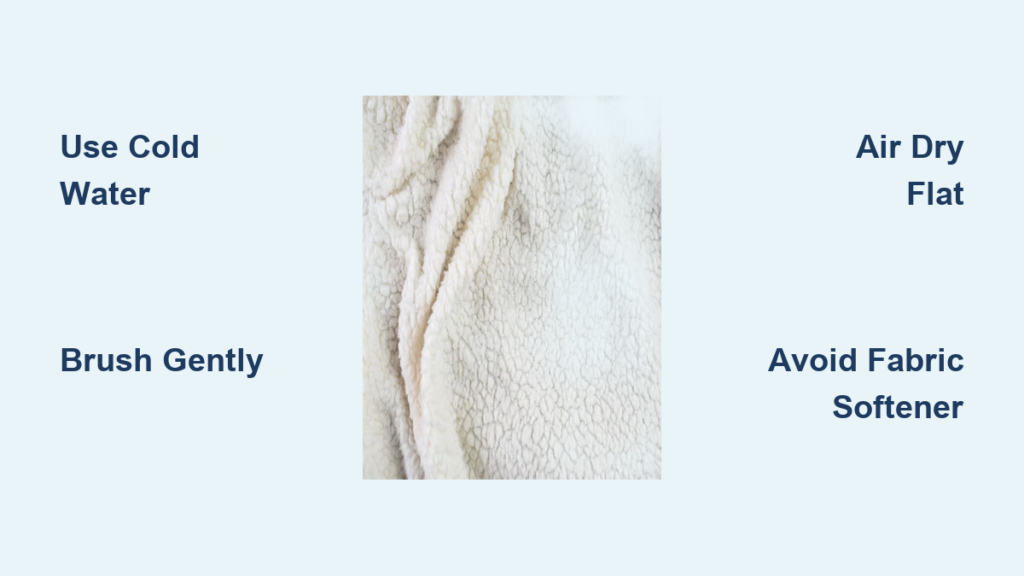
Sherpa fabric mimics sheepskin with its long, soft polyester fibers on one side and smooth fleece backing. But that delicate pile is easily damaged. Matting occurs when fibers tangle and flatten from heat exposure, friction against furniture or pets, detergent or softener buildup, improper drying, and poor storage. Understanding these causes helps you reverse the damage and avoid repeating it.
Heat Exposure Damages Fibers
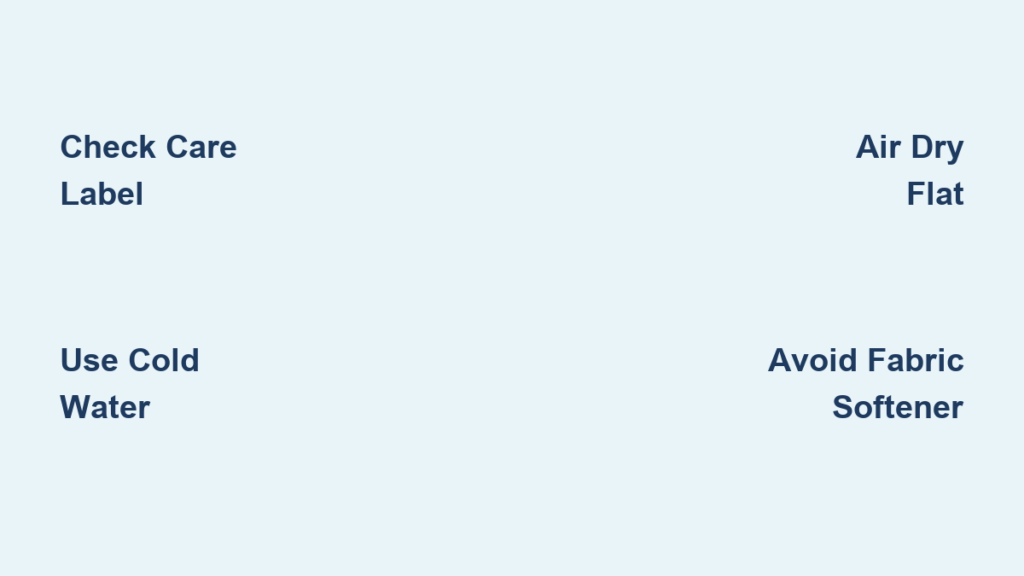
High water temperatures or high dryer heat can permanently flatten Sherpa fibers. Always use cold water when washing and avoid high heat when drying.
Friction Causes Tangling
Rubbing against rough surfaces, frequent use, or tumbling in an overloaded washer causes fibers to tangle and clump together over time.
Chemical Buildup Stiffens Fabric
Residue from harsh detergents or fabric softeners coats fibers, making them stiff and prone to clumping. This buildup attracts dirt and reduces softness.
Assess the Matting Severity
Before starting restoration, determine how severe the damage is. This helps you choose the right approach and set realistic expectations.
Light Matting: Surface Clumping
Fibers are slightly tangled but still lift with gentle brushing. This commonly happens after light use or improper folding. Expect quick results with minimal effort.
Moderate Matting: Flattened Patches
Visible flat zones do not respond to dry brushing. This level of damage often results from heat exposure or frequent washing. Multiple treatment sessions may be needed.
Severe Matting: Hardened Clumps
Fibers are tightly compressed into solid patches. Professional restoration may be required, or the blanket may need repurposing.
Pro Tip: Run your hand over the surface. If it feels smooth instead of bumpy and soft, matting has set in.
Gather Essential Tools

Having the right tools makes restoration much easier. Here is what you need to fix a matted sherpa blanket effectively.
Required Tools
Soft-bristle clothes brush or pet slicker brush, spray bottle filled with cold water, clean flat drying surface, and optional dryer balls for machine drying. A small amount of liquid fabric softener may be used sparingly.
Warning: Never use wire brushes, razors, or harsh chemicals. These can permanently damage the fibers.
Loosen Fibers with Moisture
Moisture helps relax tangled fibers, making them easier to brush and restore. Always use cold water, as heat sets matting permanently.
Method 1: Water-Only Mist
Lay the blanket flat on a clean surface. Fill a spray bottle with cold water. Lightly mist matted areas, dampening but not soaking the fabric. Wait 2-3 minutes for moisture to penetrate the fibers.
Method 2: Water and Fabric Softener
Mix 1 part fabric softener with 10 parts water. Lightly mist affected zones. Let sit 2-3 minutes before brushing. Use this method cautiously, as softener can leave residue.
Note: Fabric softener helps loosen fibers but leaves buildup. Avoid if the blanket has been treated with softeners before.
Brush to Restore Fluffiness
Brushing is the most critical step in restoring your Sherpa blanket. Follow these techniques for best results.
Start with Circular Motions
Use a soft-bristle or pet slicker brush. Work in small circular motions over dampened areas. Apply gentle pressure without pulling or yanking. This loosens tangled fibers effectively.
Switch to Multi-Directional Strokes
After initial circular brushing, switch directions. Brush up, down, left, and right to lift fibers in all directions. Focus on one section at a time for thorough coverage.
Visual Cue: Fibers should begin to stand up and separate, regaining a fuzzy appearance.
Pro Tip: Brushing while slightly damp mimics professional textile restoration methods and produces better results.
Wash Only When Necessary
Over-washing weakens fibers and accelerates matting. Wash only when truly needed.
When to Wash
Wash only for visible stains, odors, or product buildup from lotions, pet hair, or repeated softener use. For general maintenance, brushing alone is often sufficient.
Proper Washing Steps
Use gentle or delicate cycle with cold water only. Choose a mild, low-residue detergent like Woolite. Wash the blanket alone or with similar soft items. Never use fabric softeners, bleach, or heavy fabrics like jeans or towels.
Warning: Over-washing weakens fibers and accelerates matting. Limit washing to every 4-6 weeks or when soiled.
Dry Without Heat
Drying improperly is one of the most common causes of permanent matting. Follow these guidelines carefully.
Best Method: Air Dry Flat
Lay the blanket on a clean, dry surface away from direct sunlight and heat sources. Flip every few hours for even drying. Allow 12-24 hours for complete drying.
Alternative: Low-Heat Dryer
Use air-dry setting with no heat, or select low-heat. Add 2-3 dryer balls to fluff fibers during tumbling. Remove immediately when dry to prevent over-drying.
Never use high heat. It permanently flattens polyester fibers and ruins texture.
Final Fluffing After Drying
Once fully dry, finish with one more brushing session to maximize fluffiness.
Brush the entire blanket again using circular and multi-directional strokes. Focus on areas that still feel slightly compressed. Run your hands over the surface to check for remaining flat spots.
Result: Most users report 70-90% improvement in texture with this method.
Fix Other Common Sherpa Issues
Sherpa blankets can develop other problems besides matting. Here is how to address them.
Remove Pilling
Pilling occurs when friction breaks fibers into small balls. Use a fabric shaver or sweater comb. Glide gently in the direction of the nap. Avoid pressing hard to prevent fiber loss.
Repair Snags and Pulls
For loose threads, trim carefully or pull through to the back. For pulled loops, use a needle to weave the loop back into the backing. For large snags, stitch with matching thread using a backstitch.
Patch Holes and Tears
Small holes can be darned with a needle and thread. Large holes require a patch applied with fabric glue or iron-on fusible web. Match color and texture as closely as possible.
Reinforce Thinning Areas
Sew or glue a piece of matching fleece to the back for support. Use iron-on fleece interfacing to add density and prevent further wear.
Prevent Matting Before It Starts
Prevention is easier than restoration. These habits keep your Sherpa blanket fluffy for years.
Wash Smart
Wash only every 4-6 weeks or when soiled. Always use cold water and mild detergent. Never overload the washer, as this increases friction and damage.
Dry Right
Air drying is always best. If using a dryer, select no heat or low heat. Use dryer balls only. Remove promptly when dry.
Brush Regularly
Lightly brush after each wash and every few uses. This prevents clumping and maintains loft. Regular brushing is the single most effective maintenance step.
Store Properly
Fold loosely, never compress tightly. Store in a cotton bag, never plastic. Keep in a cool, dry place away from sunlight.
Avoid These Common Mistakes
Certain habits cause more harm than good. Steer clear of these errors.
Hot water permanently flattens fibers. High-heat drying causes irreversible matting and shrinkage. Fabric softener builds up, attracts dirt, and stiffens fibers. Overloading the washer increases friction and damage. Ironing melts synthetic fibers. Wringing or twisting distorts fabric and causes pilling. Storing damp encourages mildew and odors.
Warning: One high-heat cycle can ruin a Sherpa blanket’s texture for good.
Can You Fix a Heavily Matted Blanket
Yes, heavily matted blankets can often be restored, but patience is essential.
Steps for Severe Matting
Treat one section at a time. Repeat mist-and-brush cycles. Allow full drying between attempts, usually 24 hours. Use dryer balls during low-heat drying to help lift fibers.
When Restoration Fails
If fibers are worn down or broken, full restoration may not be possible. Consider professional fabric restoration services. As a last resort, repurpose the blanket as pet bedding or craft material.
How Long Does Restoration Take
Time investment varies based on matting severity.
Light matting takes 15-20 minutes. Moderate matting requires 30-45 minutes. Severe matting needs multiple sessions totaling over an hour.
Time-Saving Tip: Break the process into 10-minute segments. Brush a section, let it dry, then move on.
Extend Your Blanket’s Lifespan
With proper care, Sherpa blankets last 5-10 years. Consistent brushing is the number one factor in longevity.
Repairing beats replacing in multiple ways. It saves money, reduces waste, and preserves sentimental value. Many owners avoid buying new due to cost and environmental concerns.
Sherpa vs. Fleece: Care Differences
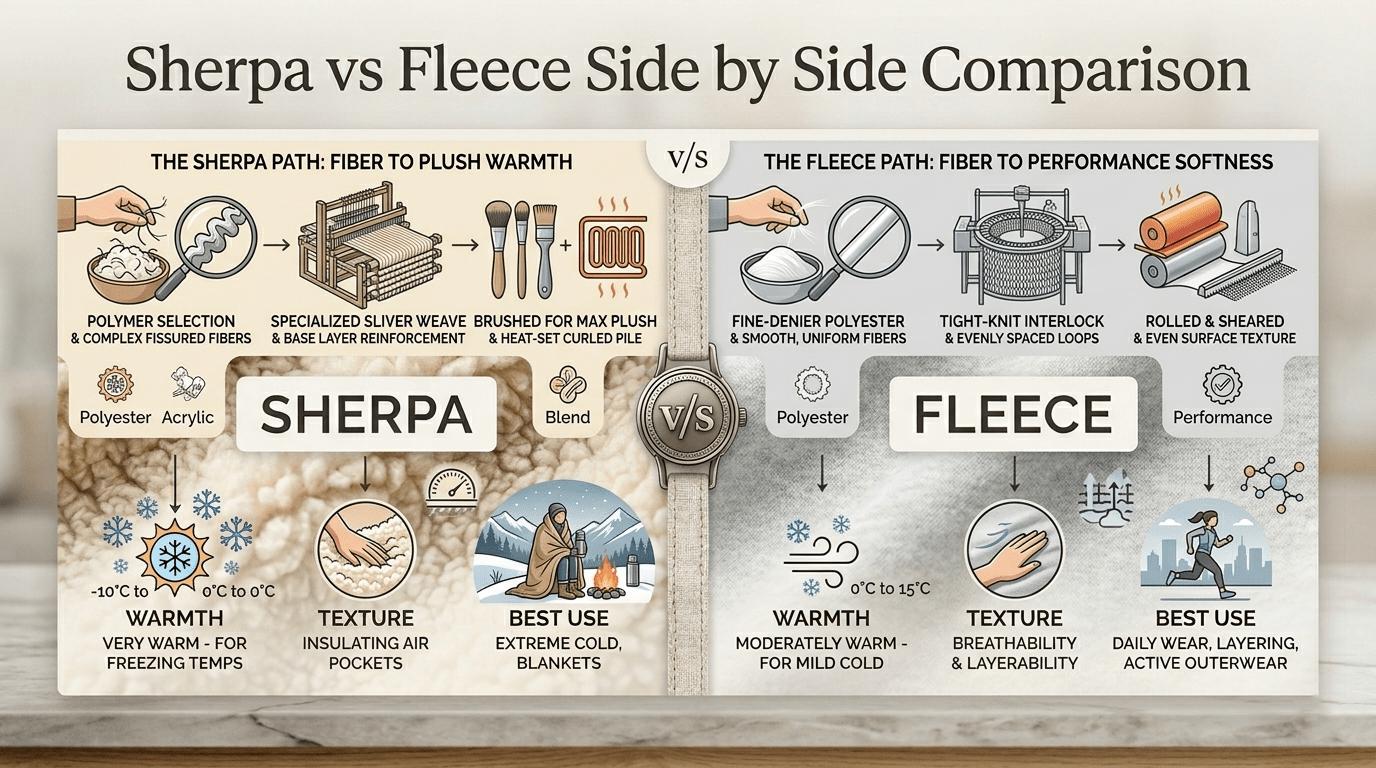
Sherpa offers higher softness with a fluffy pile but has high matting risk without care. Regular brushing is needed. Air dry or no heat is preferred. Maintenance level is moderate to high.
Fleece provides smooth, less plush texture with moderate matting risk. Brushing is rarely needed. Low heat drying is acceptable. Maintenance level is low.
Real User Insights
Brushing after every wash made the biggest difference, according to verified buyers. Users report saving $80 blankets with just water and a pet brush. Many say they never used fabric softener again after it ruined their first Sherpa.
Takeaway: Small habits make a big impact.
Frequently Asked Questions About Fixing a Matted Sherpa Blanket
Can I use a regular clothes brush on my Sherpa blanket?
A soft-bristle clothes brush or a pet slicker brush works best. Avoid wire brushes or harsh tools that can pull and damage the fibers. The key is gentle, circular motions that lift tangled fibers without yanking them.
Will fabric softener help restore matted Sherpa?
Fabric softener can help loosen fibers temporarily, but it leaves residue that attracts dirt and causes future matting. It is better to use plain cold water misting. If you do use softener, dilute it heavily and use sparingly.
How often should I brush my Sherpa blanket?
Brush lightly after each wash and every few uses. Regular brushing prevents fiber clumping and maintains loft. This simple habit is the most effective maintenance step and significantly extends your blanket’s life.
Can I put my Sherpa blanket in the dryer?
You can, but only on air-dry or no-heat settings. High heat permanently flattens polyester fibers. Add dryer balls to help fluff during tumbling. Remove immediately when dry to prevent over-drying.
What if the matting does not come out after treatment?
Severe matting may require multiple treatment sessions. Allow 24 hours between attempts. If fibers are worn down or broken, full restoration may not be possible. Consider professional fabric restoration or repurposing the blanket.
How do I prevent my Sherpa blanket from matting in the future?
Avoid heat in washing and drying. Skip fabric softeners entirely. Brush regularly after each use. Wash only when necessary, roughly every 4-6 weeks. Store loosely in a cotton bag in a cool, dry place.
Key Takeaways for Fixing Your Matted Sherpa Blanket
Fixing a matted Sherpa blanket is not complicated, but it does require care and patience. The most important steps are using cold water only, brushing regularly with gentle circular motions, and drying without heat. Avoid fabric softeners and high temperatures, as these are the leading causes of permanent damage.
With proper restoration techniques, most blankets recover 70-90% of their original fluffiness. Regular maintenance through brushing and smart washing habits can keep your Sherpa soft for 5-10 years. Small consistent efforts prevent major matting and save you from having to replace your favorite cozy companion.
The effort pays off in comfort, savings, and sustainability. Your Sherpa blanket can remain a cloud-soft source of warmth for years to come when you follow the care guidelines in this article.