Knitting a large blanket is one of the most satisfying projects a crafter can undertake. Whether you’re making a cozy throw for your sofa, a warm lapghan for a loved one, or a statement piece for the end of your bed, how to knit a large blanket starts with smart planning and ends with a handmade heirloom you’ll cherish for years. This guide walks you through every step from choosing the right yarn and needles to casting on, stitching, and finishing with clear, actionable advice.
You do not need to be an advanced knitter. With the right tools and a few key tips, even beginners can complete a stunning blanket in just a few weekends, especially when using bulky or jumbo yarns. The secret is choosing forgiving stitches, using circular needles, and blocking your work. Let us get started.
Choose the Right Yarn for Your Blanket
The yarn you select determines both the look and feel of your finished blanket, plus how long the project takes. Understanding the differences between yarn weights and fiber types helps you make the best choice for your needs.
Pick Yarn by Weight
Yarn weight refers to thickness, and this directly impacts your knitting speed and the final fabric texture.
• Worsted weight (#4): Great for stitch definition and everyday use. Requires more time but yields a classic, heirloom feel.
• Bulky weight (#5): Warmer and faster to knit. Perfect for winter throws.
• Super Bulky weight (#6): Think Bernat Big Blanket Yarn, soft, fluffy, and machine washable.
• Jumbo weight (7+): Arm-knit style. One skein like Lion Brand Yooge can make a full lapghan in under 5 hours.
Match Fiber to Your Needs
Different fibers offer different benefits in terms of warmth, care, and durability.
| Fiber | Best For | Care Instructions |
|---|---|---|
| Acrylic | Family blankets, kids’ items | Machine washable, durable |
| Super Wash Wool | Heirloom throws | Machine wash cold, gentle |
| 100% Wool | Winter warmth | Hand wash only |
| Cashmere Blends | Luxury gifts | Hand wash, lay flat |
| Cotton | Lightweight, breathable | Machine washable |
Pro Tip: Use multi-ply yarns for blankets that will be washed often. They resist pilling and last longer than single-ply or roving yarns.
Select the Best Needles for Large Projects

Using the wrong needles turns blanket knitting into a painful chore. The right tools keep you comfortable and make your stitches look professional.
Why Circular Needles Are Essential
Straight needles will not work for large blankets. The weight of hundreds of stitches strains your wrists and makes knitting painful. Instead, use circular needles even when knitting flat.
• They distribute weight across your lap.
• They hold more stitches without crowding.
• They prevent shoulder and wrist fatigue.
Recommended Needle Sizes by Yarn Weight
| Yarn Weight | Needle Size (US) | Metric | Cable Length |
|---|---|---|---|
| Worsted | 8 | 5 mm | 32 to 40 inches |
| Bulky | 10 to 11 | 6 to 8 mm | 32 to 40 inches |
| Super Bulky | 13 to 15 | 9 to 10 mm | 40 inches |
| Jumbo | 19 to 100 | 15 to 38 mm | 47 inches or longer |
Choose a cable slightly shorter than your blanket width to avoid sagging. Knitter’s Pride Zing offers smooth, fast knitting, while Symphonie Dreamz provides a warm wood feel with better grip.
Pick a Stitch Pattern That Won’t Curl
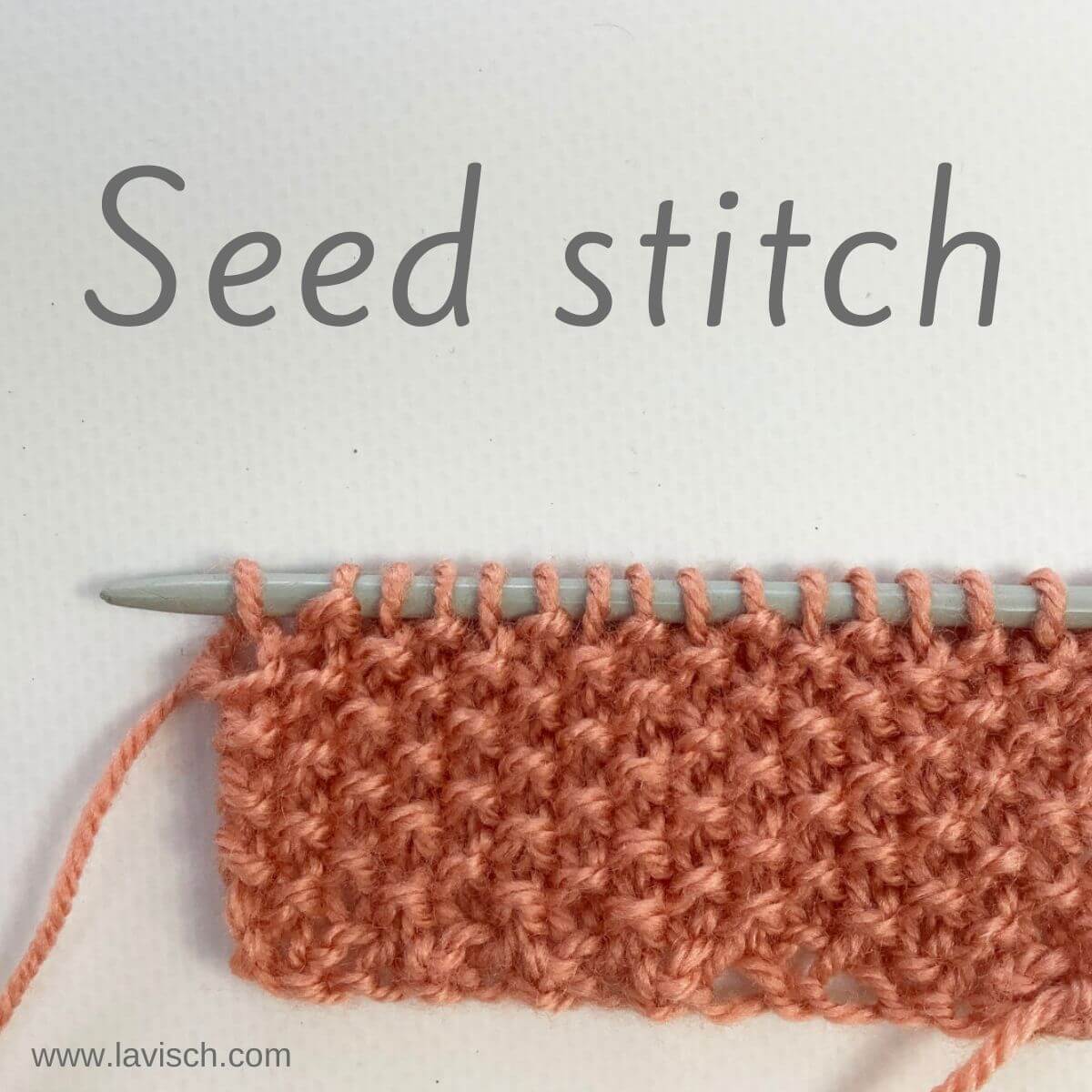
Choosing the right stitch makes or breaks a blanket. You want a pattern that is reversible, lies flat, and is easy to memorize since you will be repeating it for hours.
Best Stitches for Beginners
Seed Stitch creates a textured, reversible fabric that lies completely flat. Knit 1, purl 1 across the first row, then purl 1, knit 1 across the second row. Repeat these two rows.
Garter Stitch is the simplest option. Knit every row. No purling required. The fabric is squishy, stretchy, and curl-free.
2×2 Ribbing offers elasticity and texture. Simply knit 2, purl 2 across every row.
Avoid stockinette without borders because it curls at the edges dramatically. If you love the smooth look, add a 4 to 6 stitch garter or seed stitch border on all sides.
Calculate Gauge and Swatch Correctly

Even though blankets do not need to fit like clothing, swatching helps you estimate size and yarn needs accurately.
How to Swatch Properly
- Cast on 20 to 30 stitches, enough for 2 to 3 pattern repeats.
- Knit 6 to 8 inches in your chosen stitch.
- Block the swatch by soaking in cool water, gently pressing out moisture, and laying flat to dry.
- Measure stitches per inch by dividing total stitches by swatch width. Measure rows per inch by dividing total rows by swatch height.
Calculate Your Numbers
Multiply your desired width by stitches per inch to get your cast-on number. Multiply desired length by rows per inch to get total rows needed.
For example, a 40-inch wide blanket with a gauge of 5 stitches per inch requires 200 cast-on stitches. Adjust for your stitch pattern. Seed stitch needs an even number. Ribbing may need a multiple of 4.
Determine the Right Blanket Size
Blankets serve different purposes, and size matters for functionality.
| Blanket Type | Width | Length | Best Use |
|---|---|---|---|
| Lapghan | 33 to 36 inches | 40 to 48 inches | Chair, wheelchair |
| Throw | 40 to 50 inches | 50 to 60 inches | Sofa, bed accent |
| Twin Bed | 39 inches | 75 inches | Full bed coverage |
| Queen Bed | 80 to 90 inches | 90 to 100 inches | Bedspread |
| End-of-Bed | 22 inches | 66 inches | Decorative accent |
Measure your furniture or bed and add 5 to 10 inches for drape when choosing a custom size.
Cast On Without Strain
The long tail cast on is ideal for blankets because it is elastic, neat, and strong.
Long Tail Method Steps
- Make a slip knot with both tail and working yarn.
- Hold yarn over thumb (tail) and index finger (working yarn).
- Insert needle into thumb loop, catch index yarn, pull through.
- Release thumb, tighten stitch, and repeat.
Pro Tip: Cast on using circular needles and count every 20 stitches to avoid errors. For a 40-inch throw at 5 stitches per inch, cast on 200 stitches.
Join New Yarn Without Gaps
Running out of yarn mid-project happens. The right technique prevents gaps and bumps.
Knit with Two Strands Together
When your skein runs low, leave a 6 to 8 inch tail. Hold new and old yarn together and knit 2 to 3 stitches with both strands. Drop the old yarn and continue with the new. Never tie knots because they create visible bumps.
For Stripes and Color Changes
Always start a new color at the beginning of a row. Carry yarn up the side if stripes repeat every 2 to 4 rows. Cut and rejoin for wide color blocks.
Knit the Body Efficiently
Even though you are using circular needles, you will work flat in rows, not in the round.
Basic Technique
Knit back and forth in rows. The right side faces you on odd-numbered rows. Follow your stitch pattern row by row. For garter or seed stitch, every row looks the same.
Manage the Growing Weight
As your blanket grows, roll or fold the knitted portion and keep it in your lap. Never hang the blanket because the weight stretches stitches. Use an accordion fold to prevent tangles.
A worsted-weight throw takes 20 to 50 hours to complete. Jumbo yarn blankets finish in under 10 hours.
Bind Off Without Tightening
A tight bind off ruins all your hard work by creating a pucker edge.
Standard Bind Off Steps
- Knit first 2 stitches.
- Lift first stitch over second and off the needle.
- Knit 1 more stitch, lift previous over.
- Repeat to end.
- Cut yarn, leaving a 6-inch tail, and pull through the last stitch.
Use a needle one size larger for the bind off to keep the edge stretchy.
Weave in Ends Securely
Loose ends work themselves free over time. Secure them properly for a lasting finish.
Weaving Technique
Thread the tail onto a tapestry needle. Weave horizontally under the V bars for knit stitches or the bumps for purl stitches. Weave back and forth for 2 to 3 inches. Gently stretch the fabric to hide the tail, then trim to half an inch.
Block for a Professional Finish
Blocking evens out stitches, relaxes tension, and sets the final size. It is essential for natural fibers.
How to Block
- Fill a basin with lukewarm water.
- Soak the blanket for 10 to 15 minutes.
- Gently press out water. Do not wring.
- Lay flat on clean towels.
- Shape to exact dimensions using a measuring tape.
- Let dry completely, usually 24 to 48 hours.
Steam lightly if using wool, but never steam acrylic because it melts or becomes shiny.
Care for Your Finished Blanket
Proper care keeps your blanket beautiful for decades.
Washing Instructions by Fiber
| Fiber | Wash Method | Dry |
|---|---|---|
| Acrylic | Machine, cold, gentle | Lay flat |
| Super Wash Wool | Machine, cold, gentle | Lay flat |
| 100% Wool | Hand wash, cool water | Lay flat |
| Cotton | Machine, cold | Lay flat |
| Cashmere | Hand wash, mild soap | Lay flat |
Never put large blankets in the dryer because they will stretch or felt.
Storage Tips
Fold or roll blankets instead of hanging them. Store in breathable cotton bags. Add cedar blocks or lavender for wool blankets to prevent moth damage.
Frequently Asked Questions About Knitting a Large Blanket
How long does it take to knit a large blanket?
Time varies based on yarn weight and size. A jumbo yarn lapghan takes under 5 hours. A worsted-weight throw takes 20 to 50 hours. Plan accordingly based on your available crafting time.
How much yarn do I need for a large blanket?
A standard throw requires about 1,500 to 2,000 yards of worsted yarn. Super bulky yarn needs 6 to 8 skeins. One jumbo skein like Lion Brand Yooge can make a full lapghan. Always buy from the same dye lot to avoid color mismatches.
Can a beginner knit a large blanket successfully?
Yes. Choose a simple stitch like garter or seed stitch. Start with bulky or super bulky yarn for faster progress. Follow this guide step by step, and do not skip the swatch.
What is the best yarn for a beginner blanket project?
Bernat Big Blanket Yarn or other super bulky options are ideal for beginners. They knit up quickly, hide uneven stitches, and are machine washable. The faster you see results, the more motivated you stay.
How do I prevent my blanket from curling?
Use a reversible stitch pattern like seed or garter stitch from the start. Add a 4 to 6 stitch border of garter or seed stitch on all sides. Block the finished blanket thoroughly to set the shape.
How do I wash a hand-knit blanket?
Check the fiber content. Acrylic and super wash wool go in the machine on cold, gentle cycle. Wool and cashmere require hand washing in cool water. Always lay flat to dry. Never hang or tumble dry.
Key Takeaways for Knitting Your Perfect Blanket
Knitting a large blanket is more than a craft project. It is a journey that produces a functional piece of art you will treasure for years. The most important factors for success are planning ahead with a proper swatch, choosing soft and washable yarn that fits your lifestyle, and selecting a stitch pattern that becomes second nature so you can knit for hours without thinking.
Start with a manageable size like a throw or lapghan. Use super bulky yarn and circular needles to speed up your progress and see results quickly. Block your finished work for that professional, polished look that makes all your effort worth it.
Your cozy masterpiece is just a few stitches away. Pick your yarn, grab your needles, and begin today.