Choosing the right baby blanket size isn’t just about comfort. It’s about safety, functionality, and finding the perfect fit for each stage of your baby’s development. Whether you’re swaddling a newborn, covering a toddler in their cot, or packing for a day out, how big a baby blanket should be depends entirely on its purpose and the baby’s age. From receiving blankets to toddler quilts, sizes range from just 10 inches for loveys to over 55 inches for single-bed duvets. Using the wrong size can lead to overheating, loose fabric in the crib, or inadequate warmth. This guide breaks down every standard dimension by use case, aligns with AAP and Red Nose safety guidelines, and helps you choose the perfect fit.
Swaddle Blanket Sizes for Newborns
Swaddle blankets need specific dimensions to work safely and effectively. The square shape allows for secure wrapping while leaving enough fabric to tuck safely under your baby’s back.
Ideal Dimensions for Newborns
A proper swaddle blanket should measure between 40 × 40 inches (100 × 100 cm) and 48 × 48 inches (122 × 122 cm). This size range lets you wrap snugly without excess material that could come loose and cover your baby’s face. Smaller blankets may not stay in place; larger ones risk bunching up during sleep.
Best Materials for Swaddling
Choose lightweight, breathable fabrics like cotton muslin, bamboo blends, or stretchy cotton knits. These allow heat to escape, reducing the risk of overheating. Avoid thick fleece or wool for swaddling, especially indoors, unless the room is very cold.
How to Size for Hip-Healthy Swaddling
Ensure the blanket is large enough to wrap snugly around the arms but allows room at the hips for natural leg movement. A folded triangle technique works best: position the baby with shoulders above the base, wrap one side across the body, and tuck the bottom up and over the other arm. Never restrict hip motion, as tight swaddling increases the risk of hip dysplasia.
Receiving Blanket Dimensions
Receiving blankets are the most versatile option in your baby gear collection. Their compact size makes them perfect for multiple uses beyond just covering your baby.
Most Common Size: 30 × 30 Inches
The 30 × 30 inch (76 × 76 cm) receiving blanket is a parent favorite for burping, nursing, and light coverage. Compact enough to fit in a diaper bag, it’s perfect for quick cleanups and on-the-go use. Larger 36 × 36 inch versions offer better coverage for stroller naps.
Multi-Use Advantages
Receiving blankets serve many roles in your daily routine:
• Burp cloth when folded into a triangle
• Changing pad cover for quick diaper changes
• Nursing modesty shield for public feeding
• Emergency swaddle when you need something fast
• Stroller sunshade for outdoor walks
Their versatility makes them ideal for first-time parents who need one item to do it all.
When to Size Up
If you plan to use a receiving blanket for tummy time or as a play mat, opt for 36 × 36 inches or larger. Babies grow quickly, and a bigger blanket will stay useful longer as they begin to roll and crawl.
Muslin Blanket Standard Size

Muslin blankets have become a staple for modern parents, and their size reflects their versatility. Most muslin blankets come in 47 × 47 inches (120 × 120 cm), making them ideal for swaddling, tummy time, and stroller use.
Why Size Matters for Breathability
Larger muslin blankets can be folded for newborns and unfolded as the baby grows. A 120 × 120 cm blanket doubles as a play mat, car seat cover, or light layer in warmer rooms. Always pre-wash, as muslin softens with each wash and shrinks slightly.
Best Brands and Performance
Fledge & Thread’s Heirloom Muslin Swaddle (120 × 120 cm) is a top performer, praised for durability and softness. Look for 100% cotton or bamboo blends with Oeko-Tex certification to ensure no harmful dyes or chemicals.
Crib and Bassinet Blanket Sizes
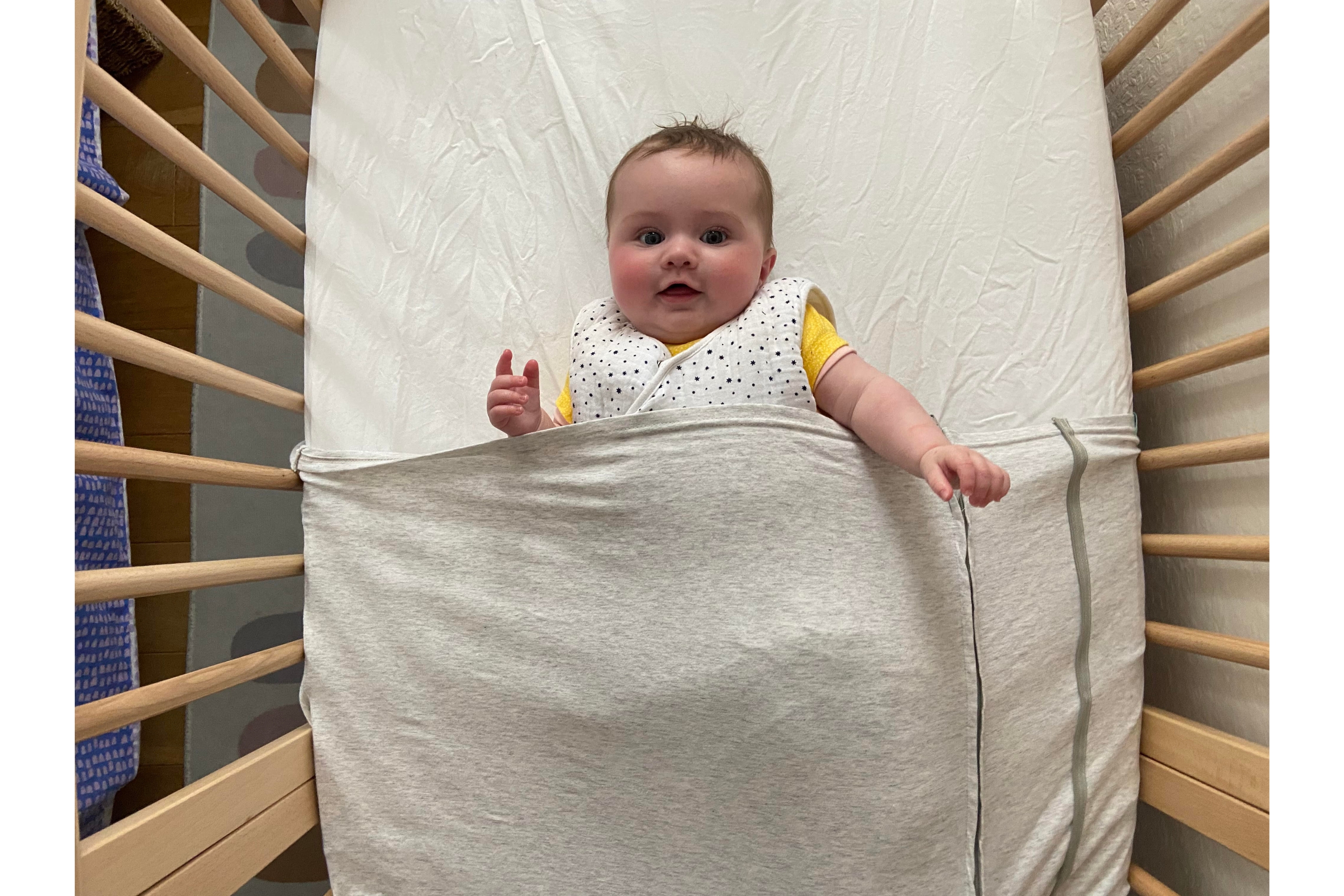
Getting the right size blanket for your baby’s sleep space is crucial for both comfort and safety. The dimensions vary depending on whether you’re using a bassinet, Moses basket, or full-size crib.
Safe Dimensions for Mini Cribs
For bassinets and Moses baskets, a 30 × 40 inch (76 × 102 cm) blanket fits most models. In Australia, 85 × 110 cm (33 × 43 inches) is standard. Allow 4 inches (10 cm) overhang on each side for secure tucking under the mattress.
Standard Crib Blanket Size
Full-size cribs (36 × 52 inches / 91 × 132 cm) require a 36 × 52 inch blanket or a 100 × 120 cm option. Always tuck the blanket below shoulder level so baby can’t pull it over their face.
Critical Safety Warning
The American Academy of Pediatrics (AAP) and Red Nose Australia strongly advise against loose blankets in cribs for infants under 12 months. Use a wearable blanket (sleep sack) instead to prevent suffocation and SIDS risk.
Toddler and Cot Blanket Dimensions
Once your child moves to a cot, typically around age 1, the blanket size requirements change significantly. The transition marks an important milestone in your baby’s sleep journey.
Transitioning to a Cot
When your child moves to a cot (typically 130 × 70 cm mattress), use a 100 × 120 cm (39 × 47 inch) blanket. This size provides full coverage without excess fabric. Duvet covers are usually 100 × 140 cm to accommodate thicker inserts.
When Can Toddlers Use Blankets?
Introduce a thin, lightweight blanket at 12 months only if your child can roll, sit, and remove it independently. Some pediatricians recommend waiting until 18–24 months. Always monitor for signs of overheating.
Single Bed Size for Older Toddlers
At around age 2, transition to a 140 × 210 cm (55 × 83 inch) quilt. This matches a standard single bed and works well for story time, floor play, and independent sleep.
Stroller and Car Seat Blanket Sizes
Outdoor blanket use requires specific dimensions to ensure safety while keeping your baby comfortable during travel.
Perfect Fit for Strollers
Stroller blankets typically measure 30–40 inches wide × 40–48 inches long (76–102 × 102–122 cm). In Australia and Europe, 80–90 × 110 cm (31–35 × 43 inches) is common. Look for snaps or elastic edges to keep the blanket securely in place.
Car Seat Blanket Dimensions
A 30 × 40 inch (76 × 100 cm) blanket is ideal for car seats. It covers the baby without interfering with the harness. Never place a blanket under or behind your baby, as this compromises harness fit and increases injury risk in a crash.
Safer Alternatives
Use wearable blankets, car seat ponchos, or sleep sacks designed for car seats. These provide warmth without sacrificing safety. Fleece or sherpa-lined options are best for winter, while lightweight cotton is ideal for mild weather.
Security and Lovey Blanket Sizes
Loveys and security blankets serve a different purpose than regular blankets. They’re designed for emotional comfort rather than warmth during sleep.
What Is a Lovey?
A lovey is a small 10–12 inch (25–30 cm) square or circular blanket, often attached to a plush animal head. It serves as a comfort object during sleep transitions or separation anxiety.
Safe Introduction Age
Wait until 6 months to introduce a lovey, and only if your baby can grasp and self-soothe. Never place in the crib before 12 months due to suffocation risk. Ensure no loose threads, buttons, or detachable parts.
Security Blanket Dimensions
Larger security blankets (12–18 inches / 30–45 cm) can double as nap companions or small pillows. Choose ultra-soft minky, fleece, or organic cotton for maximum comfort.
Preemie and Charity Blanket Sizes
For premature babies or donation purposes, smaller dimensions are necessary to ensure safety and practicality.
NICU-Appropriate Dimensions
For preemie babies, use 12 × 16 inches (30 × 40 cm) or 18 × 18 inches (45 × 45 cm) blankets. These small sizes provide warmth without overwhelming tiny bodies in the NICU.
Project Linus Donation Guidelines
Charities like Project Linus accept handmade blankets for children in crisis. Follow these rules:
• Infants: 36 × 36 inches (91 × 91 cm)
• Children: 40 × 60 inches (102 × 152 cm)
• Teens: 50 × 60 inches (127 × 152 cm)
• Materials: New, machine-washable, no loose embellishments
Paintbox Yarns Baby DK is a top choice for knitters. It’s soft, washable, and available in a wide color range.
Handmade and Knitted Blanket Dimensions
If you’re making a blanket yourself, knowing the standard sizes helps ensure a proper fit for its intended use.
Standard Crochet and Knit Sizes
Handmade blankets vary, but common sizes include:
• Newborn: 30 × 30 inches (76 × 76 cm)
• Infant: 30 × 36 inches (76 × 91 cm)
• Toddler: 40 × 60 inches (102 × 152 cm)
• Grows-with-baby: 100 × 140 cm (39 × 55 inches)
Yarn and Fit Adjustments
Stretchy yarns like DK or worsted weight expand. Reduce dimensions by 5–10% to account for this. Use superwash merino, cotton, or acrylic blends for softness and durability. Avoid shedding or loosely spun fibers.
Personalization Tips
Add embroidered names, birthdates, or themed designs for a sentimental touch. Fringe, appliqué, or reversible patterns increase visual appeal and usability.
Age-Based Size Recommendations
| Age | Best Blanket Size | Use Case |
|---|---|---|
| 0–3 months | 30 × 30 to 40 × 40 inches | Swaddling, burping, nursing |
| 3–6 months | 36 × 36 to 40 × 40 inches | Stroller, tummy time, light cover |
| 6–12 months | 40 × 40 to 48 × 48 inches | Play mat, pram naps, supervised comfort |
| 12+ months | 100 × 120 cm (39 × 47 inches) | Cot use, light covering |
| 2+ years | 140 × 210 cm (55 × 83 inches) | Single bed, independent sleep |
Pro Tip: Fold a 120 × 120 cm knitted blanket in half for newborn use, then unfold as baby grows. One blanket serves two stages.
Material and Climate Selection
Choosing the right material matters as much as size for your baby’s comfort and safety.
Summer: Lightweight and Breathable
In warm weather, choose cotton, muslin, bamboo, or modal. These fabrics wick moisture and allow airflow. TOG 0.5–1.0 blankets are ideal for room temperatures above 20°C (68°F).
Winter: Warm and Insulating
For cold months, use fleece, sherpa, flannel, or quilted cotton. Wool, especially merino, regulates temperature naturally. TOG 2.0–2.5+ provides warmth in rooms below 18°C (64°F).
Eco-Friendly Options
Look for GOTS-certified organic cotton or Oeko-Tex Standard 100 labels to ensure safety and sustainability. Recycled materials like In2Green’s eco-blends offer softness without environmental cost.
Safety First: AAP and Red Nose Guidelines
Following safety guidelines isn’t optional. It’s essential for protecting your baby during sleep and rest.
No Loose Blankets Under 12 Months
Both the AAP and Red Nose Australia prohibit loose bedding, including blankets, pillows, and bumpers, in cribs for babies under 1 year. The risk of SIDS and suffocation is too high.
Safe Sleep Environment
Creating a safe sleep space requires specific elements:
• Firm, flat mattress
• Fitted sheet only
• Baby on back
• Room-sharing, not bed-sharing, for first 6–12 months
After 12 Months: Introducing Blankets
Only introduce blankets if your child can roll, sit, and push the blanket away. Start with a thin, lightweight blanket and tuck it below shoulder level. Monitor for overheating. Flushed cheeks, sweating, or rapid breathing are warning signs.
Care and Longevity Tips
Proper care extends the life of your baby blankets and keeps them safe for continued use.
Washing Guidelines
Machine wash at 30–40°C (86–104°F) with mild, fragrance-free detergent. Avoid fabric softeners. Use white vinegar instead to soften fibers and remove odors.
Drying Best Practices
Air dry when possible. If using a dryer, select low heat to prevent shrinkage and pilling, especially with knits and muslin.
Frequency of Washing
Receiving and swaddle blankets should be washed after every few uses due to spit-up, drool, and diaper leaks. Cot and toddler blankets can be laundered weekly or as needed.
Frequently Asked Questions About Baby Blanket Sizes
What size blanket is best for a newborn?
A 30 × 30 inch (76 × 76 cm) receiving blanket is ideal for swaddling and daily use. Larger 40 × 40 inch muslin blankets offer more versatility as your baby grows.
Can I use a toddler blanket for a newborn?
Yes, but with caution. Larger blankets like 48 × 48 inches can be folded for newborn use, but avoid loose fabric in the sleep environment for infants under 12 months.
How do I know if a blanket is too big or too small?
A blanket is too small if it doesn’t fully cover the baby when swaddled or tucked. It’s too big if excess fabric bunches up around the face or comes loose during sleep.
Will a 120 × 120 cm knitted blanket suit a newborn?
Yes. Fold it in half for pram or crib use, then unfold as the baby grows. One blanket serves two stages.
Are crib and single duvet covers TOG-rated?
Not always. Basic sets may not include TOG information. Check brand specifications, as many now offer TOG-rated options like 1.0 TOG for summer and 2.5 TOG for winter.
Can I use a receiving blanket as a play mat?
Yes, especially if it’s 36 × 36 inches or larger. For extended tummy time, a 40 × 40 inch or bigger blanket is preferable.
Key Takeaways for Choosing Baby Blanket Sizes
Choosing the right baby blanket size comes down to matching dimensions to purpose and age. Start with a 30 × 30 inch receiving blanket and a 40 × 40 inch muslin swaddle for newborns. Choose 120 × 120 cm (47 × 47 inch) muslin or knitted blankets that grow with your child. For cots, use 100 × 120 cm blankets or 100 × 140 cm duvet covers. Transition to 140 × 210 cm single quilts when your toddler moves to a bed.
Safety remains paramount. Avoid loose bedding under 12 months, and use sleep sacks instead. Follow AAP and Red Nose Australia guidelines to reduce SIDS risk. Store blankets by size and use case so you can grab the right one quickly during night changes or outings. With the right sizes on hand, you’ll be prepared for every stage of your baby’s development.